Historical period dramas have always been popular on television, but the success of <em>Outlander </em>and Bridgerton has proven that they are just as viable within the streaming era. It can often be challenging to engage with these period dramas because they don’t acknowledge the uglier sides of the eras that they are depicting. History is written by the victors, and the bleak reality is that those with advantages of wealth, class, race, and other privileges were immune to consequences for their sordid behavior. The Great is a brilliant dark comedy because it serves two separate audiences: those who enjoy period epics may appreciate the satirical take on palace intrigue and social conventions, and those who traditionally have a hard time with the genre may appreciate the more honest depiction of what these historical figures were really like.
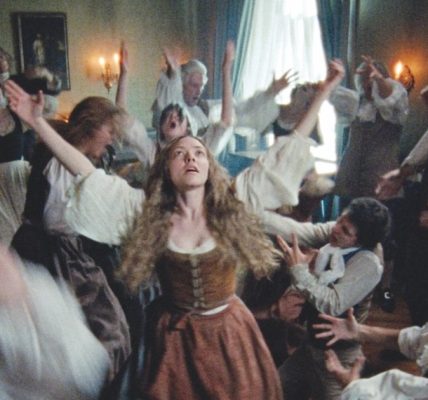
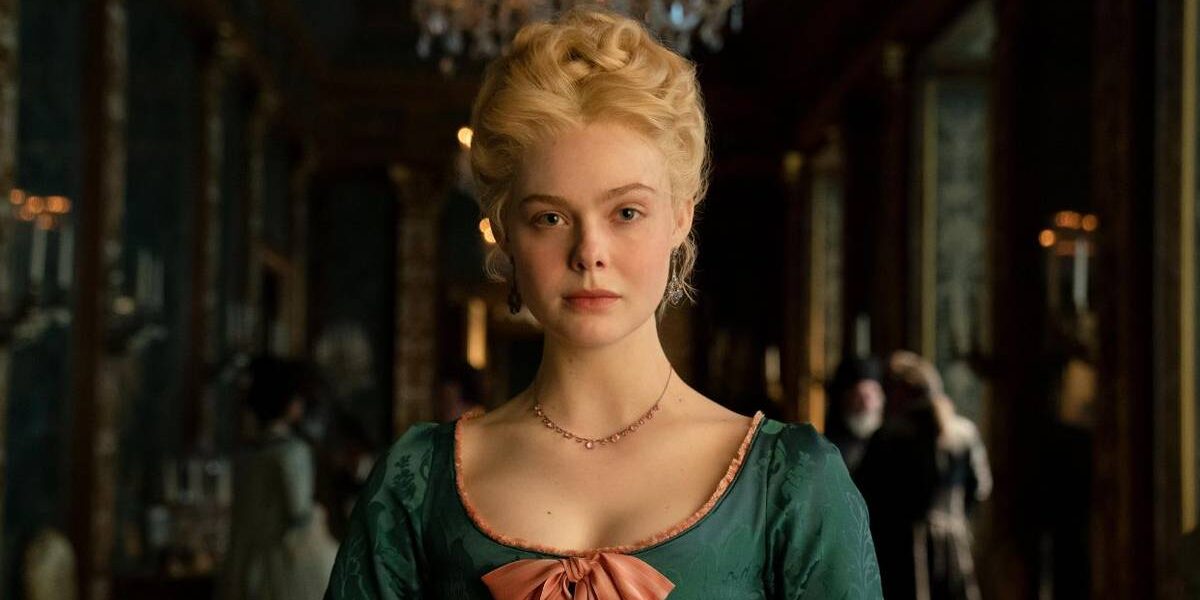
The Great is only partially based on a true story, as the opening title card serves as a reminder that these types of historical recountings often aren’t very accurate. The series is set in the eighteenth century during the height of the Russian monarchy, and follows the young Catherine the Great (Elle Fanning) as she is engaged to Emperor Peter III (Nicholas Hoult). The show was created by Tony McNamara, a frequent collaborator of Yorgos Lanthimos who worked on both <em>The Favourite </em>and <em>Poor Things</em>, and retains his signature sense of absurdist humor. The show’s aesthetic beauty, which includes some of television’s most striking production design and costumes, is in stark opposition to the narcissistic, ruthless characters, whose misadventures become hilarious to watch.
‘The Great’ Is an Inventive Historical Reimagining
Even if The Great changes some aspects of history in order to make the most entertaining story possible, the show understands the way that power works in a highly stratified society, and explores the ways in which leaders have to model their behavior in order to ascend. Television is filled with anti-heroes, and Catherine has an arc that is not dissimilar from that of Walter White (Bryan Cranston) in Breaking Bad. She begins the series as an innocent, idealistic noblewoman who wants to turn Russia into a better place, but slowly transforms into a venomous, self-serving dictator who plays political games to acquire more power. While Catherine’s actions grow more drastic as the series continues, Fanning serves as the perfect audience avatar because her character is German and is an outsider in Russian society. The show depicts some of the stranger traditions within Russian high society, but they are even funnier because Catherine is just as taken aback as the audience might be.
The Great works as an ensemble becausethe show uses the convoluted nature of government to its advantage. Even though Catherine dedicates herself to understanding how the rule of law works, anyone with influence can change precedents to impose their view, leading to chaos within aristocracy. It’s fascinating to examine strange alliances between rivals forced to work together against a mutual enemy. While Grigor Dymov (Gwilym Lee) has no respect for Catherine, they become unwitting allies due to their shared hatred for Peter; simultaneously, their connection to him grants them power, necessitating careful maneuvering to achieve vengeance without unseating him. Later seasons expand further by exploring Europe’s broader political landscape, withFreddie Fox introducing even more chaos in Season 3 as Sweden’s unruly king.

[nospin]Here you can find the original article; photos used in our article come from this source. We are not their authors; they have been used solely for informational purposes with proper attribution.[/nospin]