

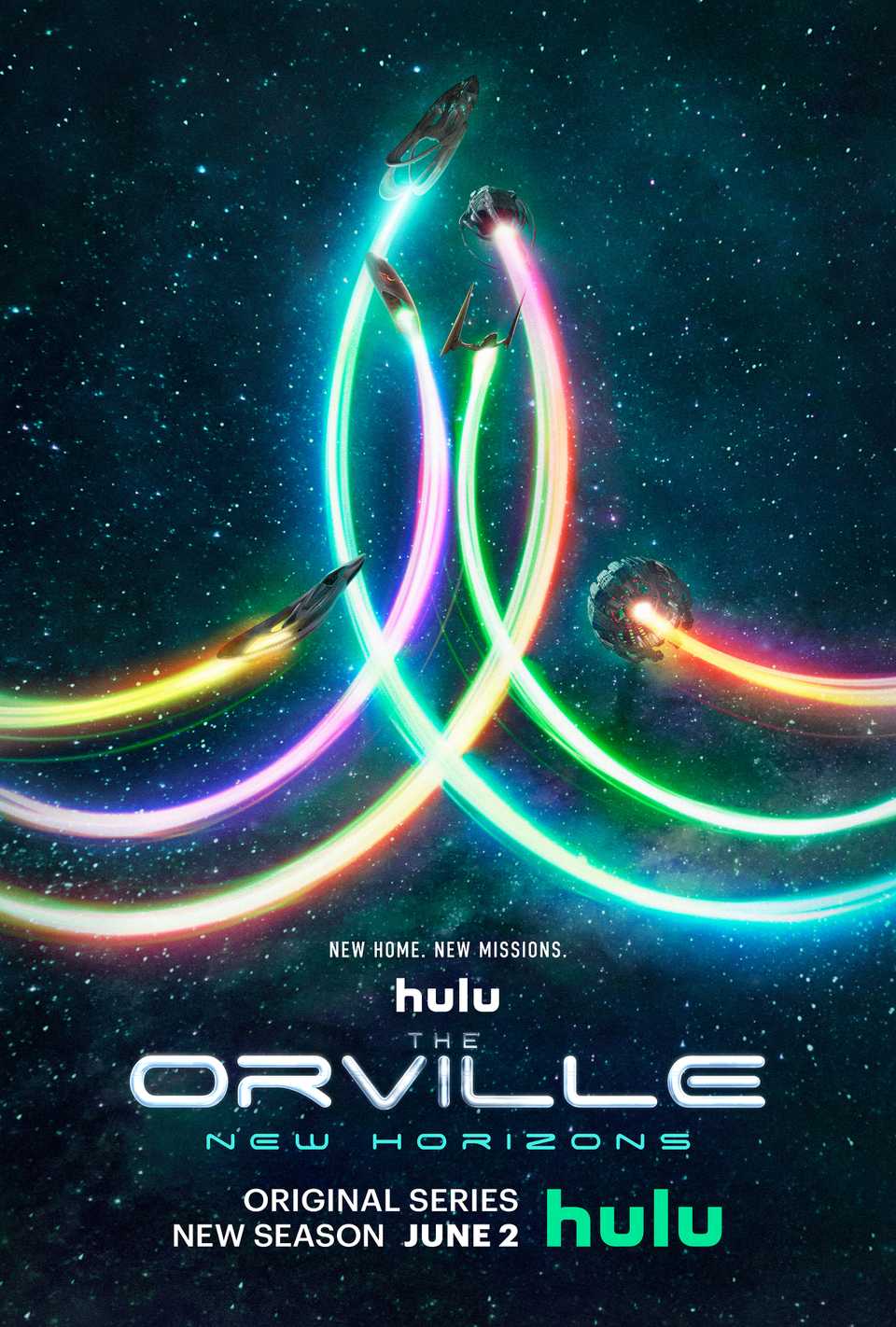
While newer sci-fi shows don’t always have high expectations attached, some of the genre’s hidden gems become hits, even superseding shows from known franchises. Star Trek: Discovery, for example, was meant to be a massive hit with fans, bringing back a certain timeline for the franchise to infuse new life into their strong fanbase. While the show was a success, one series that premiered in the same month wound up taking precedence for sci-fi fans, bringing a whole new world into the spotlight with The Orville, a funny, ambitious, and often surprising sci-fi series from Family Guy creator Seth MacFarlane.
Although it initially seemed like The Orville would be a parody series, the show was actually an epic space opera that defied critical expectations. Debuting in early September of 2017, the series quickly overlapped with a much larger franchise debut with Star Trek: Discovery premiering just two weeks later. It was expected that Star Trek: Discovery would make a bigger splash than the MacFarlane series, especially with the series being a part of the larger Star Trek world. While Discovery was streaming on Paramount’s streaming service at the time, The Orville aired weekly on Fox, which gave it leverage.
Despite struggling in its first season, The Orville went on to become a genuinely successful space opera, and though Star Trek: Discovery went on to outlive the series, the Fox show did something even bigger. Airing at what felt like precisely the right moment to capitalize on viewer’s fatigue with endlessly grim sci-fi stories, The Orville offered a fundamentally hopeful, funny adventure-of-the-week story. Creatively finding its way into the genre and taking big swings with its narrative arcs, The Orville was able to tell large-scale stories that were out of this world but didn’t abandon its sense of warmth.
The Orville’s Success Indirectly Led To Star Trek: Strange New Worlds

As The Orville found its footing, it was clear that viewers were looking for something that was lighter and more episodic than the sci-fi shows that had come before. For years, much of the sci-fi TV that was being made had its roots in dark drama. While there was more to mine for in a space drama than a space comedy, The Orville proved that there was a space for intergalactic laughs in the genre, which was full of difficult, dark stories. As criticism surrounding Discovery saw viewers feeling hopeless watching the show, The Orville was praised for being light.
As a franchise, Star Trek wasn’t known for its levity on screen. While the franchise wasn’t always pointedly dark, Star Trek shows leaned far more toward drama than they did comedy or even simple adventure. Moving ahead after the influence of The Orville, which proved that viewers were looking for lighter fare, Star Trek: Strange New Worlds came to fruition with the hopes that the series could help the franchise achieve a tone they hadn’t tackled before. Looking at more of a traditional Star Trek than the larger, more sweeping storylines that had unfolded, Strange New Worlds truly felt fresh.
While Star Trek: Strange New Worlds doesn’t exist because of The Orville alone, the Fox series definitely had an impact on what came next for the larger franchise. The audience’s interest in lighter fare and the ability for The Orville to sustain itself and even eventually find critical acclaim made it clear that Star Trek would be successful with a series that aligned less with drama and more with a sense of tradition. In many ways, The Orville was able to normalize a more optimistic story in the sci-fi world, leading to an exciting overhaul of the genre.
 [nospin]Here you can find the original article; the photos and images used in our article also come from this source. We are not their authors; they have been used solely for informational purposes with proper attribution to their original source.[/nospin]