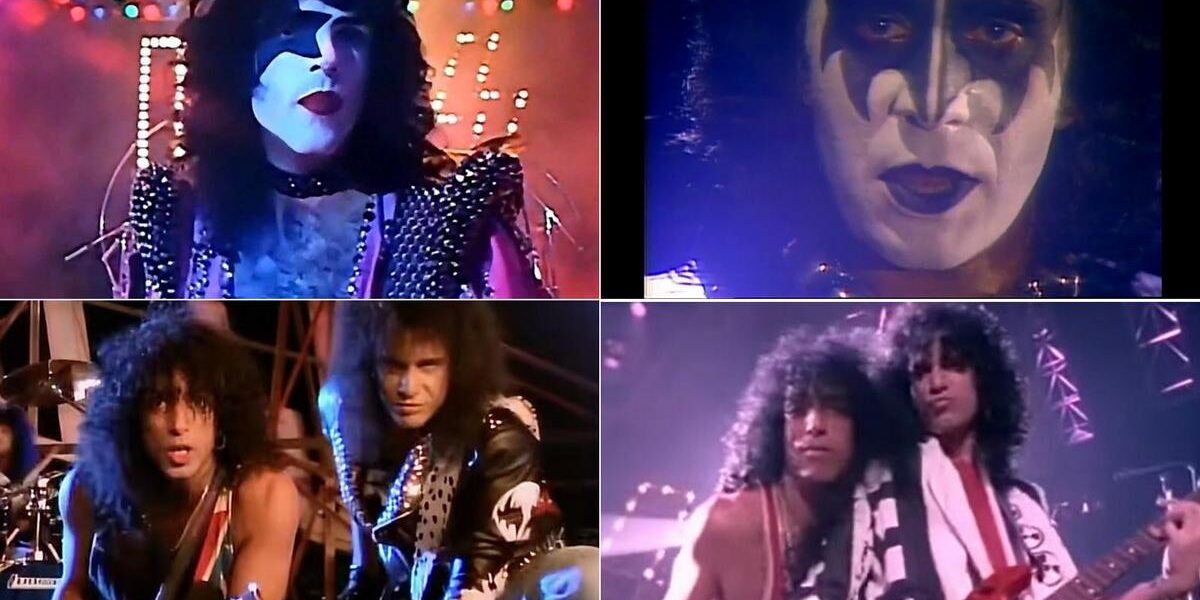
The career of Kiss has been quite the roller coaster ride, with more ups and downs than most bands could survive.
Some of those low points have been the result of self-inflicted wounds. Over the years, Paul Stanley and Gene Simmons developed a reputation for trying to expand their already impressive following by spending entire albums chasing the latest hot musical trends – including disco, hair metal, and even grunge – only to find out that those clothes didn’t fit them correctly.
Luckily, in each case, Kiss was able to recover, always by releasing albums such as 1982’s Creatures of the Night or 1992’s Revenge, which reminded people what made them so special in the first place.
But first came the heartbreaks. Here’s our list of the four most disappointing Kiss albums:
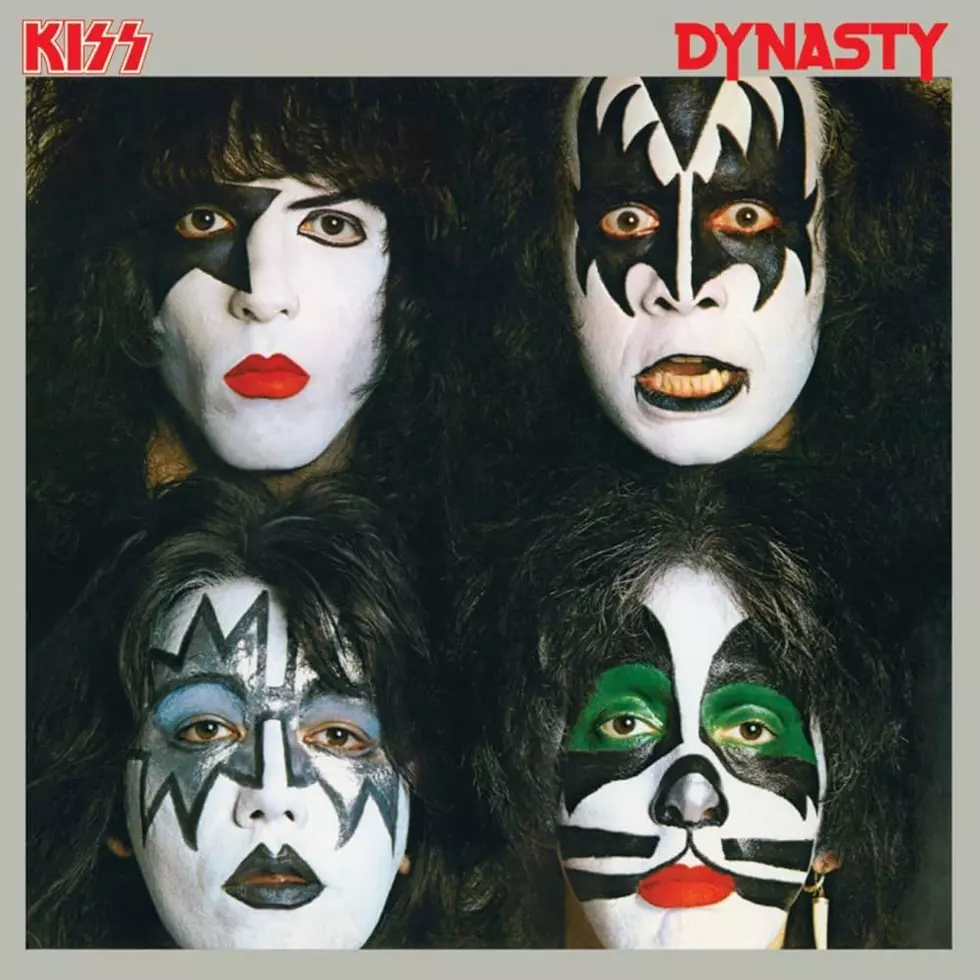
Kiss took a nearly two-year break from recording together after 1977’s Love Gun, instead releasing individual solo albums and getting some much-needed time apart.
The hope was that they would reunite as a recharged, unified force, ready to climb even more mountains together. But that’s not what happened on 1979’s Dynasty. Due to injury and continued personal issues, Peter Criss only played on one song and was secretly replaced by Anton Fig.
The album also marked a clear shift into glossier, more pop-friendly production. This suited Paul Stanley well, as he delivered two fantastic songs to the project. The disco-heavy “I Was Made for Lovin’ You” was a smash, albeit one that also alienated old-school fans, while the moodier “Sure Know Something” is an underrated gem.
Ace Frehley, who emerged as the clear winner of the solo album “battle,” also acquitted himself well by keeping at least most of the excess production off his Dynasty songs. But overall, the songwriting wasn’t up to the band’s usual standards, and the polished sound wasn’t a great fit for the band’s resident demon, Gene Simmons.
Mix Tape-Worthy Exceptions: In addition to the two Stanley singles mentioned above, Ace Frehley’s cover of the Rolling Stones’ “2,000 Man” and his own “Hard Times” stand apart from the pack.
Kiss Quote: “Too sanitized,” Paul Stanley said in Kiss: Behind the Mask. “We lost some edge, and we lost our balls on that and (1980’s) Unmasked.”
Read More: The 10 Worst Kiss Songs
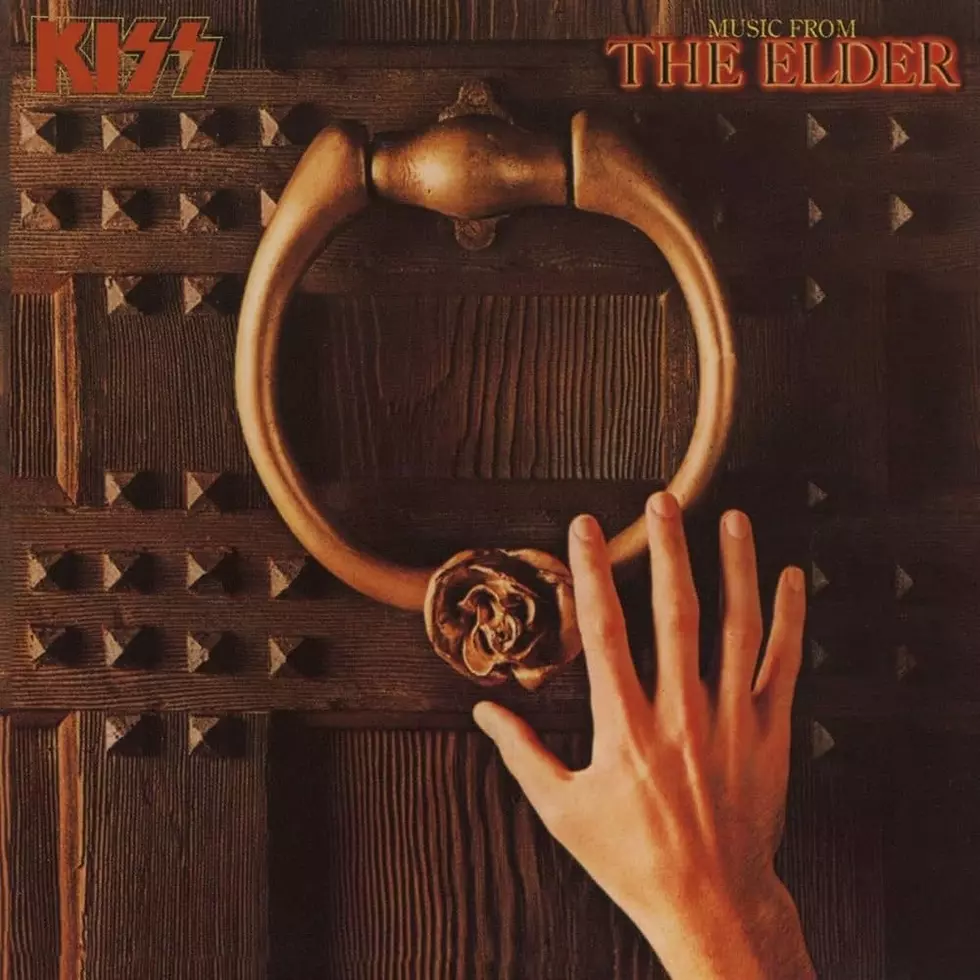
<em>Music from 'The Elder'</em> (1981)
Kiss not only failed to become a bigger touring attraction with Dynasty, they took a big step backwards. Longtime fans abandoned the group, forcing them to cancel planned multiple night stands in many cities and play to half-sold out venues elsewhere.
Despite the fact that it was arguably a better album, the power-pop sound of 1980’s Unmasked was greeted even less kindly, and Kiss wasn’t even able to tour the U.S. due to low demand. A drastic change was clearly required.
Inexplicably, the band abandoned their plans for a back-to-basics album and instead decided to record a medieval-themed concept album complete with orchestras, a muddled story about a young warrior and songs that sounded like they were more suited for Broadway or even the opera.
Needless to say, Music from ‘The Elder’ didn’t make Kiss critical darlings or return them to the top of the charts. Only mocking and scorn came from anybody who was still paying attention, and after his “this is a bad idea” warnings were ignored a frustrated Ace Frehley left the group.
The thing is, it’s really only the first half of the album that pulls it into bizarro-world, as Stanley struggles with material far out of his comfort zone or skill set.
Things get more conventional and more convincing on the second half, but by that point, the damage is done. The truly amazing thing is that Kiss was able to recover from this disaster, but that’s exactly what they began doing with 1982’s Creatures of the Night.
Mix Tape-Worthy Exceptions: Simmons’ sinister “Mr. Blackwell,” Ace Frehley’s solo-heavy farewell “Dark Light,” and the genuinely uplifting “I.”
Kiss Quote: “What came out was, I don’t particularly think, very good – at times it’s hammy; most of my vocals on there,” Stanley told Yahoo. “If you’ve ever seen The Little Rascals, [it’s like] how Alfalfa would sing in a pseudo-operatic voice or try to.”
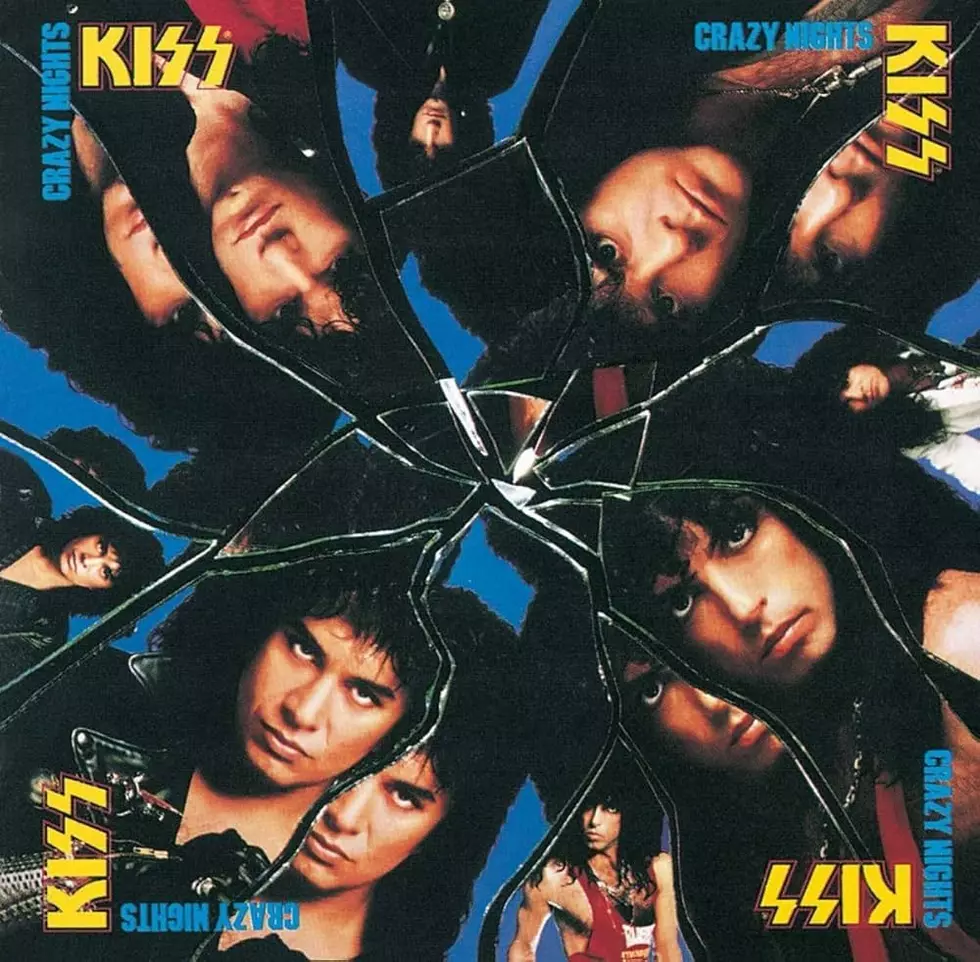
Crazy Nights (1987)
1985’s Asylum seemingly found Kiss putting all of their problems behind them. The album improved upon 1984’s Animalize by adding a nice dose of ’70s rock back into their sound.
The hit single “Tears Are Falling” proved to be a worthy follow-up to 1984’s “Heaven’s On Fire,” proving that the band’s ’80s comeback wasn’t a fluke. They also found a perfect fit for lead guitarist in Bruce Kulick, who ended a revolving door situation that had been plaguing the band for half a decade.
But Asylum didn’t sell 18 million copies like Bon Jovi’s Slippery When Wet, or even five million like Heart’s 1985 self-titled album. So Kiss recruited Heart‘s producer Ron Nevison and added a heavy dose of keyboards to their sound for 1987’s Crazy Nights.
It worked to a degree, earning the band a platinum-selling record in the United States and a Top 5 U.K. single with “Crazy Crazy Nights.” But fans raised on the bare-knuckled rock of early Kiss classics such as “Deuce” and “Strutter” were left confused and a bit betrayed by their latest trend-chasing move.
The gloppy keyboards weren’t the only problem; as the songs weren’t as strong as on the band’s recent efforts. Things only catch fire on the closing songs: “Turn On the Night,” which uses keyboards better than the other tracks, and “Thief in the Night,” which even more wisely completely abandons them.
Mix Tape-Worthy Exceptions: The Bruce Kulick showcase “No No No,” “Turn On the Night,” and “Thief in the Night.”
Kiss Quotes: “Crazy Nights was one of my least favorite records of any of those we’ve done,” Simmons revealed in Kiss: Behind the Mask. “I think it’s a bit plastic-sounding,” Stanley concurred. “The material and what it could have been were better than what it turned out to be.”
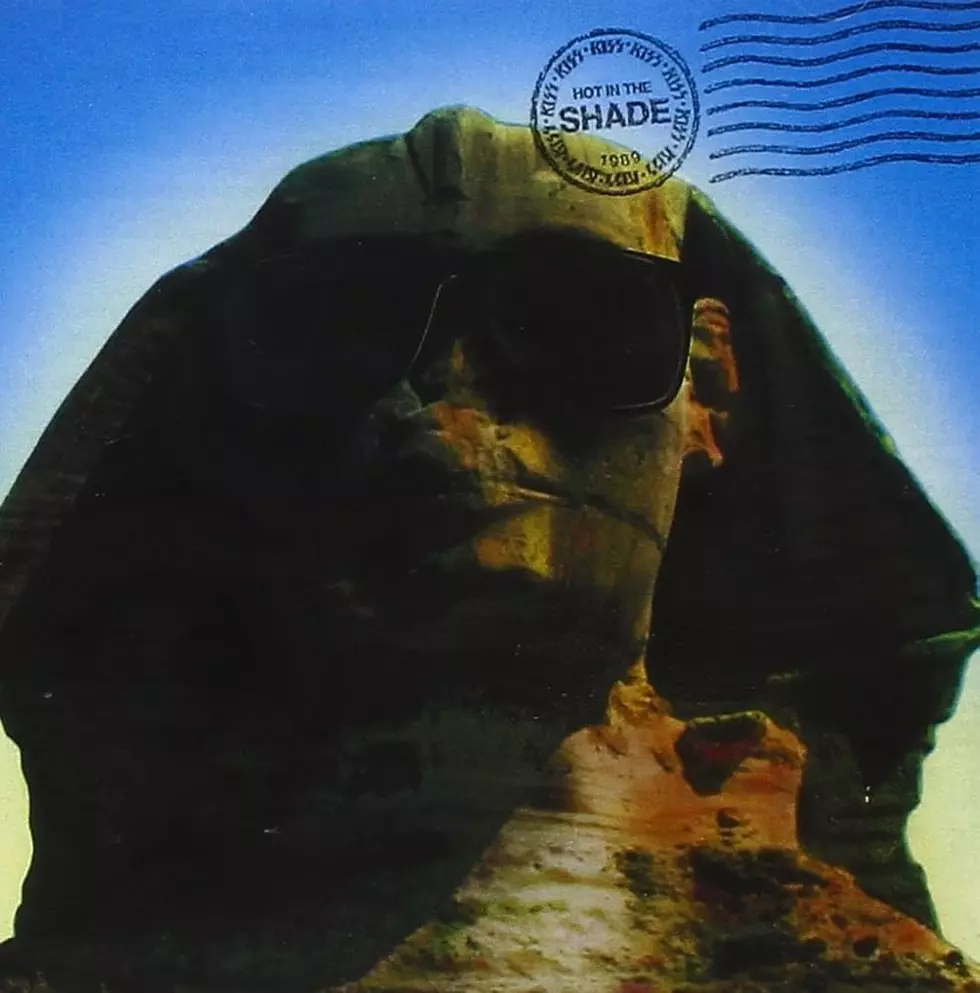
Hot in the Shade (1989)
Kiss correctly realized they needed to get back to basic rock and roll after the glossy pop-metal of Crazy Nights, but 1989’s Hot in the Shade suggests they weren’t quite sure how to get there by themselves.
With Paul Stanley and Gene Simmons self-producing, Kiss aimed for a rawer sound (and perhaps looked to save some money) by starting with their individual demo recordings and adding studio overdubs rather than re-recording entire songs as a group.
This wouldn’t be a problem if the material were stronger or if there weren’t so much of it. Hot in the Shade‘s 15 often very forgettable songs clock in at a combined 58:00, far longer than any Kiss record up to that point. (1997’s Carnival of Souls broke the hour mark.)
The lovely ballad “Forever” gave Kiss their first Top 10 hit since 1976’s “Beth,” helping close out the decade on a high point commercially if not creatively.
In retrospect, the most important thing about Hot in the Shade was the tour that followed it, during which Kiss brought back many long-lost ’70s songs and played everything at correct tempos again.
MIX TAPE-WORTHY EXCEPTIONS: “Rise to It,” the Eric Carr-sung “Little Caesar,” and the opening riff of “Read My Body.”
KISS QUOTE: “Crazy Nights would be my least favorite Kiss album,” Bruce Kulick said in Kiss: Behind The Mask . “There was nobody cracking the whip and everything was compromised; ultimately the music suffered…I think we should have used an outside producer who would come in and say ‘you don’t need fifteen songs; you guys don’t have clear direction here.’
Kiss Solo Albums Ranked Worst to Best
A countdown of solo albums released by various members of Kiss.
Gallery Credit: Matthew Wilkening