Editor’s Note: The following contains spoilers for Lord of the Flies.
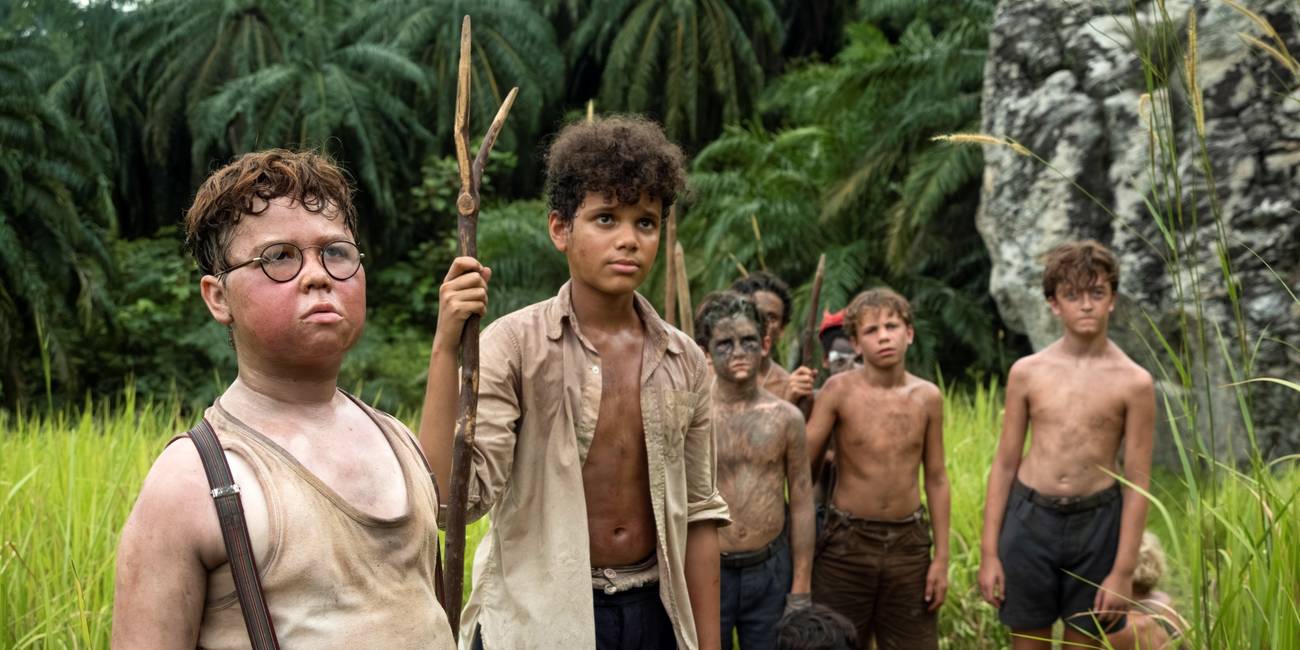
Fresh off the success of Adolescence, writer Jack Thorne is digging even deeper for his latest complex portrait of boyhood with the first TV adaptation of Lord of the Flies, a story that’s stuck with him since his own childhood. Streaming on Netflix, William Golding’s dystopian classic story of schoolboys stranded on a tropical island after a deadly plane crash with no adults to keep things from descending into primal madness focuses on Piggy (David McKenna), Jack (Lox Pratt), Simon (Ike Talbut) and Ralph (Winston Sawyers). Clashes turn into leadership struggles as civilization quickly frays, and the young boys who once thought they were friends start to hunt each other.
Thorne is the type of writer who likes to shake things up while he embraces the chaos of never knowing what’s next until it presents itself. That approach to his career has done him well throughout the last 25 years, and has led to a wide variety of projects, genres, and mediums — with everything from the award-winning Adolescence and Netflix’s Lord of the Flies to three Enola Holmes movies, the stage play Stranger Things: The First Shadow, and The Beatles’ upcoming cinematic universe (featuring one biopic each for John Lennon, Paul McCartney, George Harrison and Ringo Starr) for director Sam Mendes.
Thorne sat down with me for an in-depth conversation digging deep into his process of adapting Lord of the Flies and the choices and changes he made. He also discussed why the conversations surrounding Adolescence felt special, how there were never plans to continue that story beyond what they have already released to the world, how impressed he was with Owen Cooper’s stand-out performance in Adolescence as well as the young ensemble in Lord of the Flies, putting his trust in Mendes for The Beatles films, and why Ang Lee is one of his heroes.
‘Lord of the Flies’ Is a Story With Deep Personal Significance for Writer Thorne
“That has been the book, all my life. It’s one that’s lived with me in lots of different ways.”
COLLIDER: Lord of the Flies feels like one of those stories that we all know the story of, whether we’ve actually read it or watched the previous movies. When did you first become aware of the story, and what did it mean to you before doing this?
JACK THORNE: I read this as an 11-year-old. I didn’t study it in school, but my mom was a supply English teacher at Portway English Department. My copy of Lord of the Flies had Portway English Department stamped on the inside cover because my mom stole it, which I think is apt for Lord of the Flies. It was really my mom’s stolen copy. When I read it, I remember the sensation of feeling like the writer had gotten into me somehow. I felt like Simon. I felt profoundly like Simon. I was an autistic kid. I wasn’t particularly adept at dealing with other people and being in social situations at all. I did look for the other in quite a lot of my life. I did reach for the other. And so, I remember this feeling of feeling like I was Simon, and then Simon gets killed. I didn’t understand what had happened, but there’s the line about his silvery body drifting out to sea and I remember going, “Oh, shit.” I’ve never forgotten that feeling.
I tried to make Lord of the Flies before. I tried to make it about 15 years ago for Channel 4, but we couldn’t get the rights. Joel [Wilson], who’s a very close friend of mine as well as an executive producer for this project, it was his company that made it. We were having Sunday lunch at his house, and he said to me, “What’s the one book?” And I said, “Lord of the Flies.” That has been the book, all my life. It’s one that’s lived with me in lots of different ways, with lots of different ways of telling it.
Were there aspects of the Lord of the Flies story that couldn’t make it into the films because of time that you knew you wanted to include in this, because you did have more time?
THORNE: Yeah, lots. The films are both very interesting, but there’s so much in every page of [William] Golding’s book that I wanted to spend time with. That was particularly true of Jack. It’s not just the difference between time in film versus TV. It’s the difference in terms of the vocabulary of television and what that chapter format can do, which I’m always obsessed with when I’m starting a project. I like to work out the story and know what I’m going to tell, but then figure out what the chapters are. That thing of spending the second chapter with Jack, which was the big revelation for me at the start of the journey when we were working out how to pitch to them and understanding Jack came from the book. Golding was talking about Jack’s emotion after the argument at the fire and Jack walking away from the fire and having gone out. The way Golding described Jack’s face and emotion at that point made me realize that I needed to revisit Golding’s book from beginning again.
Thorne Wanted To Explore the Tenderness in ‘Lord of the Flies’
“That was the discovery I made reading it as an adult.”
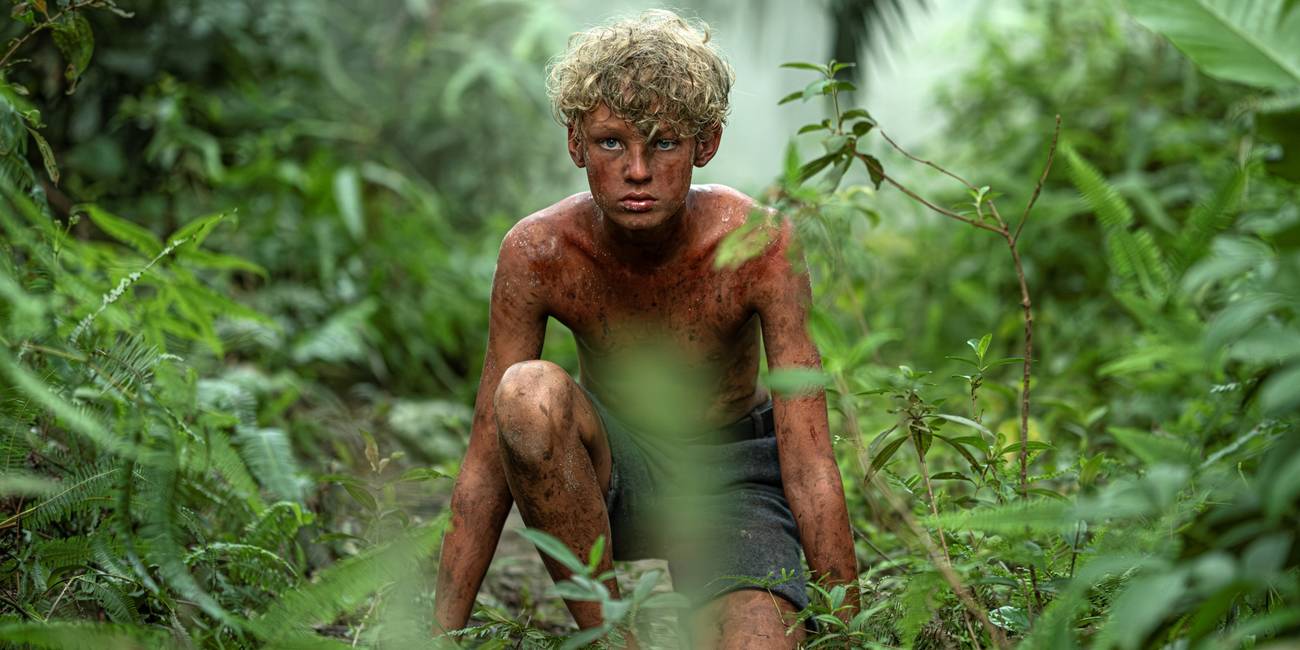
You’ve previously said that this story is a remarkably tender portrait of young boys, and I don’t know that I’ve ever heard anybody describe Lord of the Flies in that way. If you went into writing this with that perspective, did it feel like that shaped the way you told the whole story?
THORNE: That was my discovery reading it as an adult. As a child, I was like, “I’m Simon. The world hates me. This book makes sense to me.” As an adult when I read it again, I could see bits of Jack that I refused to look at as a kid. And I could see bits of Ralph that are less kind than I expected. I honed in on that and saw tenderness within those characters.
The scene in Episode 3 that builds to a group chanting “Kill the beast, cut its throat, spill its blood,” is intense and animalistic. What was it like figuring out how you wanted to handle that moment?
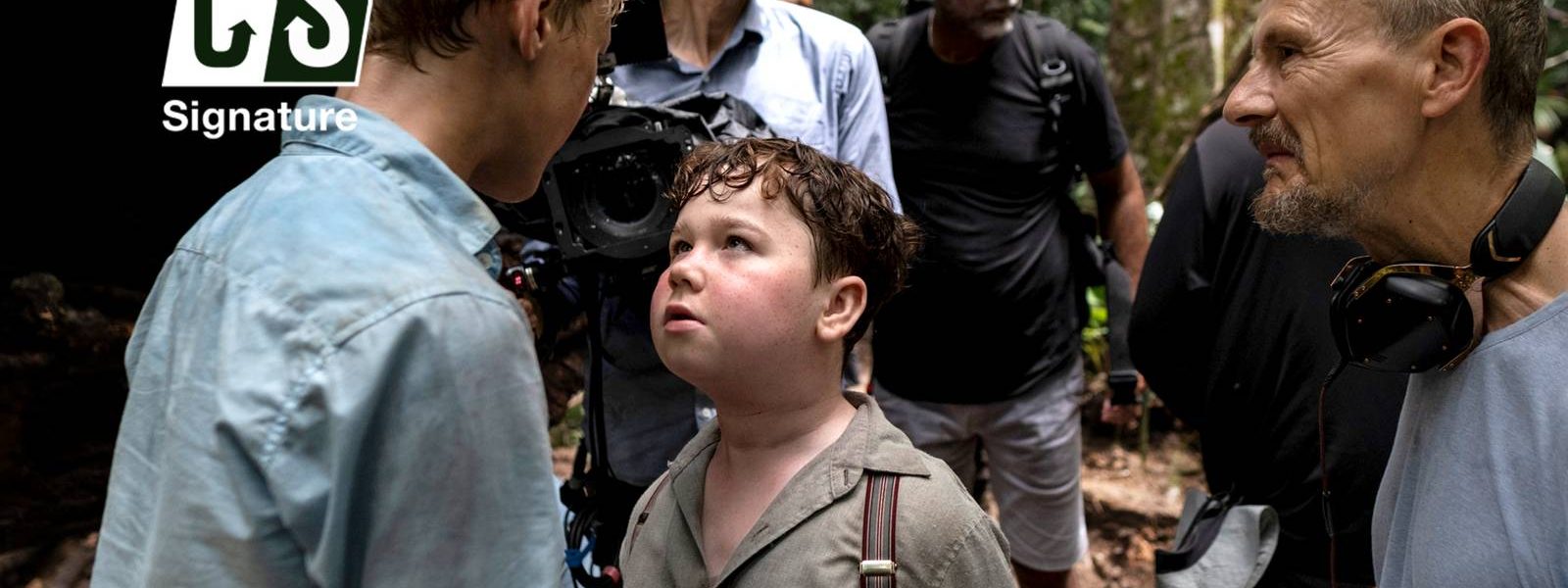
I can take very little credit for that moment’s execution since it’s largely due to Marc Munden’s authorship.
The Conversations Surrounding ‘Adolescence’ Felt Very Special to Thorne
“Everyone that saw it wanted to talk to me about it.”
The end scene where Ralph tries to hide from Jack while encountering adult men on shore signifies their fun is over.
The conversations surrounding ‘Adolescence’ felt very special because everyone wanted to discuss their experiences related to it.
<source media='(max-width: 1023px)' data-srcset='https://static0.colliderimages.com/wordpress/wp-content/uploads/sharedimages/2026/03/lord-of-the-flies-poster.jpg?q=70&fit=contain&w=1280&dpr=1' srcset='https://static0.colliderimages.com/wordpress/wp-content/uploads/sharedimages/
[INPUT_HTML_END]