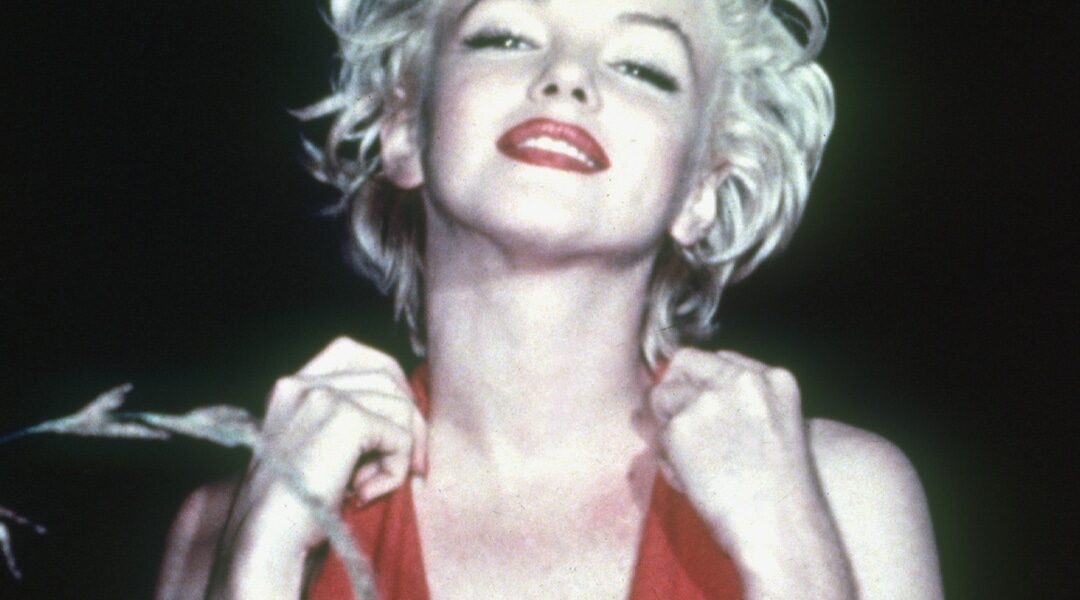

When Marilyn Monroe passed away on August 4, 1962, numerous conspiracy theories emerged.
The Los Angeles County Coroner concluded that the 36-year-old—who was born Norma Jeane Baker on June 1, 1926—died from acute barbiturate poisoning and classified her overdose as a probable suicide.
However, that conclusion has never been satisfactory for those who believed she faced an even more sinister fate.
“I’ve learned a lot that I wouldn’t trade for anything,” Monroe expressed in an interview with Life magazine published just two days before her death. “I wouldn’t want a child of mine to go through what I’ve been through.”
The Some Like It Hot star remarked, “I hope to ultimately be able, through my work, to illuminate for some people some things I’ve learned. Maybe it’s just a dream. But I’m also entitled to my dreams.”
At the same time, it was well-known that Monroe had been struggling. Her challenges with substance abuse and depression were widely reported, and she was dismissed in June from the romantic comedy Something’s Got to Give due to what 20th Century Fox described as “spectacular absenteeism.”