A great outfit can lose its impact in seconds if the shoes feel disconnected from the rest of the look. Footwear often serves as the element that ties every clothing choice together, influencing balance, proportion, color harmony, and the overall mood of an outfit.
That idea has become even more relevant as Americans shift toward buying fewer, more versatile wardrobe staples. According to McKinsey & Company’s 2025 State of Fashion report, shoppers continue to prioritize quality purchases that deliver greater cost-per-wear rather than filling their closets with trend-driven pieces.
Circana, a leading consumer behavior research firm, also reports growing demand for timeless apparel and footwear that transition seamlessly across work, leisure, and social occasions. Those trends explain why mastering shoe coordination has become one of the most valuable styling skills rather than simply another fashion preference.
Shoes are best approached as part of an outfit’s visual architecture rather than as an afterthought. Every shoe contributes shape, weight, texture, and proportion to the final look. Matching shoes successfully rarely depends on strict fashion rules.
A few practical techniques can help almost any outfit appear intentional, polished, and effortlessly stylish without requiring an overflowing shoe collection.
How to Match the Formality of Your Shoes to the Outfit
Photo Credit: www.kaboompics.com/Pexels
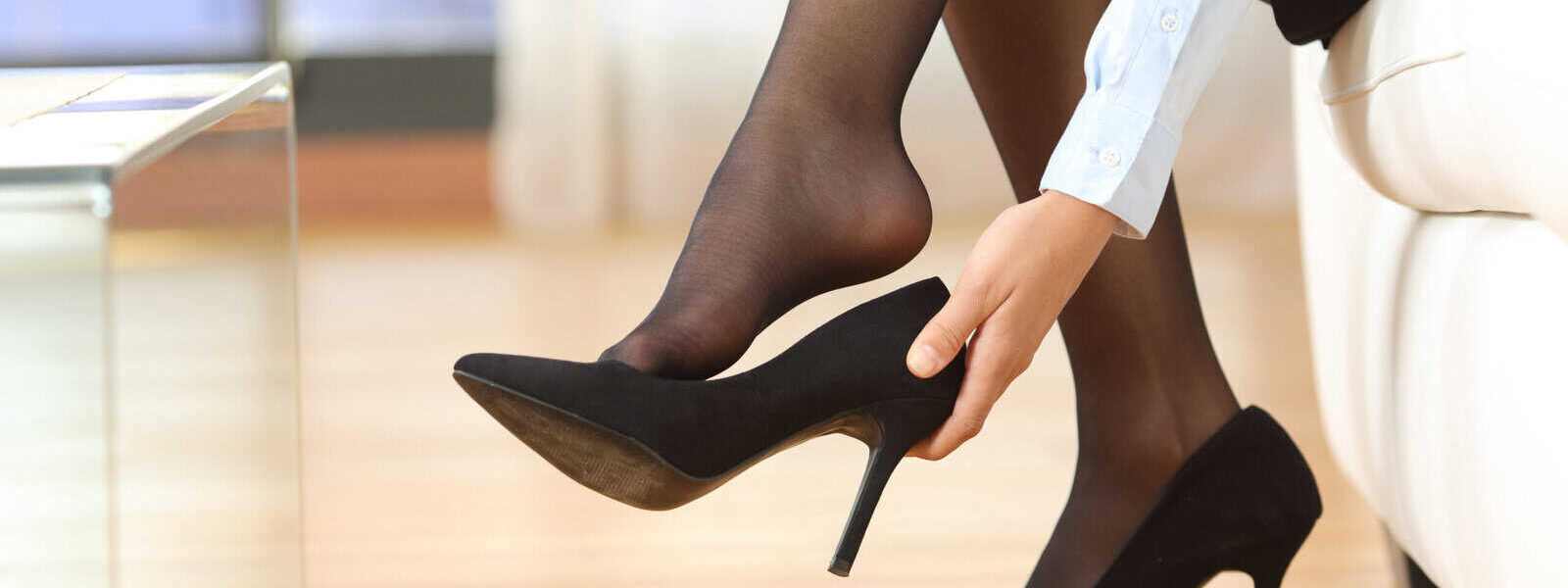
Stylish outfits begin with consistency, and nothing disrupts visual harmony faster than pairing clothing and footwear from completely different settings. Tailored trousers paired with worn athletic sneakers or an elegant cocktail dress styled with heavy hiking boots immediately create competing style messages.
A well-coordinated outfit reflects pieces that all suit the same occasion. Loafers, ballet flats, sleek leather sneakers, ankle boots, pumps, and minimalist sandals each communicate different levels of formality, making them suitable for different wardrobe combinations.
Celebrity stylist Tan France frequently explains that clothing appears more expensive when every element shares a similar level of refinement rather than competing for attention. Pairing a linen blazer, straight-leg trousers, and leather loafers creates a cohesive business-casual ensemble because each item contributes to a polished aesthetic.
Matching the occasion rather than chasing trends makes outfits feel intentional, even with affordable clothing.
How to Use Color Harmony Instead of Exact Color Matching
Photo Credit: iram shehzad/Pexels
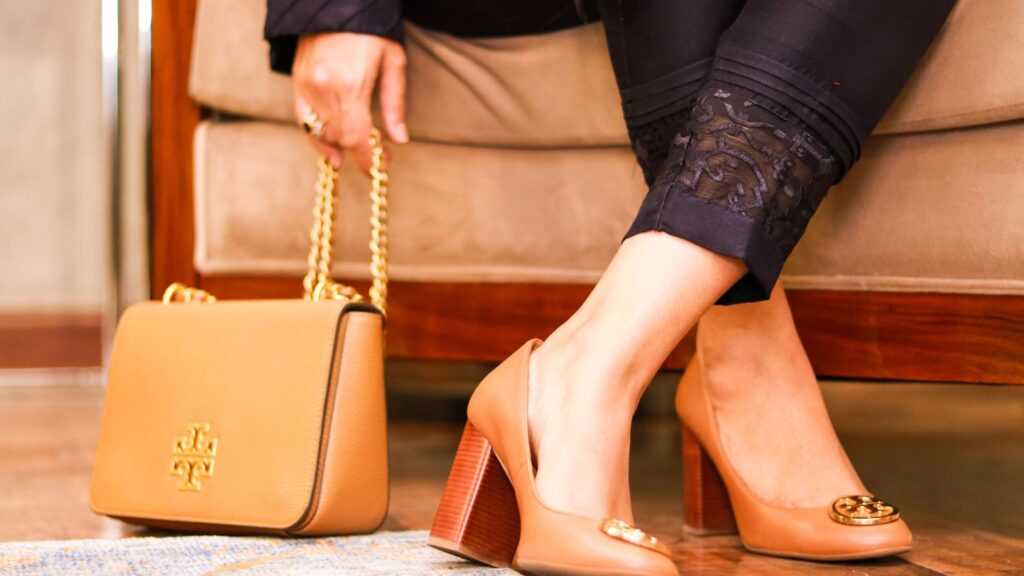
Fashion has largely moved beyond the outdated belief that shoes must perfectly match handbags or clothing. Modern styling relies on color harmony instead of identical shades because coordinated palettes create greater depth and sophistication.
Neutral footwear, including black, white, nude, tan, taupe, gray, metallics, and chocolate brown, works exceptionally well because those shades complement a wide variety of colors without competing for attention.
Color theory explains this approach through balance rather than duplication. Complementary or analogous colors naturally create visual flow while allowing individual garments to stand out. Cream trousers pair effortlessly with camel loafers, navy dresses with nude pumps, and olive jumpsuits with white sneakers because these combinations feel cohesive without appearing overly coordinated.
Coordinating tones rather than chasing perfect matches gives every pair of shoes far greater styling potential throughout the year.
How to Balance the Shape of Your Shoes With the Clothing Silhouette
Image via HilaryMacMillan.com
Footwear influences body proportion more than many shoppers realize. Shoe shape plays an important role because it affects how the eye interprets the overall silhouette. Chunky sneakers naturally pair well with relaxed tailoring, oversized knitwear, and wide-leg trousers because their visual weight balances the larger clothing shapes.
Delicate ballet flats or pointed pumps complement slimmer trousers, pencil skirts, and fitted dresses by preserving clean lines without adding unnecessary bulk. Fashion designers routinely consider proportion throughout the design process because every garment interacts with the pieces surrounding it.
A flowing maxi dress styled with sleek sandals creates uninterrupted movement while the same dress paired with oversized athletic shoes shifts the visual emphasis toward the feet. Coordinating shoe shape with clothing proportion produces a polished appearance that feels natural rather than forced allowing each piece to contribute to the outfit’s overall balance.
How to Let Fabric Texture Guide Your Shoe Choice
Photo Credit: Voyagerix / Deposit Photos
Texture quietly influences how polished an outfit appears because the eye naturally notices differences in surface finishes before focusing on smaller design details. Footwear often looks more cohesive when coordinated according to fabric rather than color alone pairing materials that complement one another without creating unnecessary contrast.
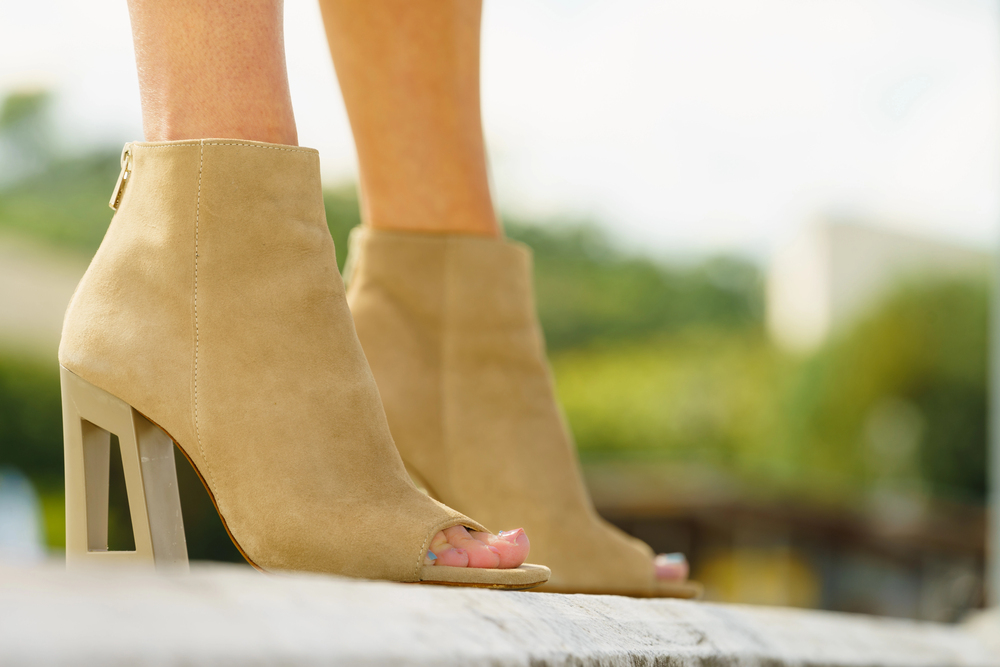
Smooth leather loafers pair beautifully with structured blazers and tailored trousers because both materials convey refinement. Suede ankle boots soften chunky knit sweaters during fall while woven espadrilles naturally complement breathable linen dresses and cotton separates throughout warmer months.
According to Cotton Incorporated’s Lifestyle Monitor Survey comfort and fabric quality continue to rank among the leading influences on apparel purchasing decisions for American consumers. Build on that approach by selecting footwear that complements the clothing’s texture rather than competing with it.
Satin dresses paired with elegant heels linen pants matched with leather sandals or denim alternatives styled alongside suede loafers create visual depth through thoughtful material selection giving simple outfits a sophisticated finish without relying on bold accessories.
How to Use Neutral Shoes as Your Everyday Styling Workhorse
Photo Credit: Luis Quintero/Pexels
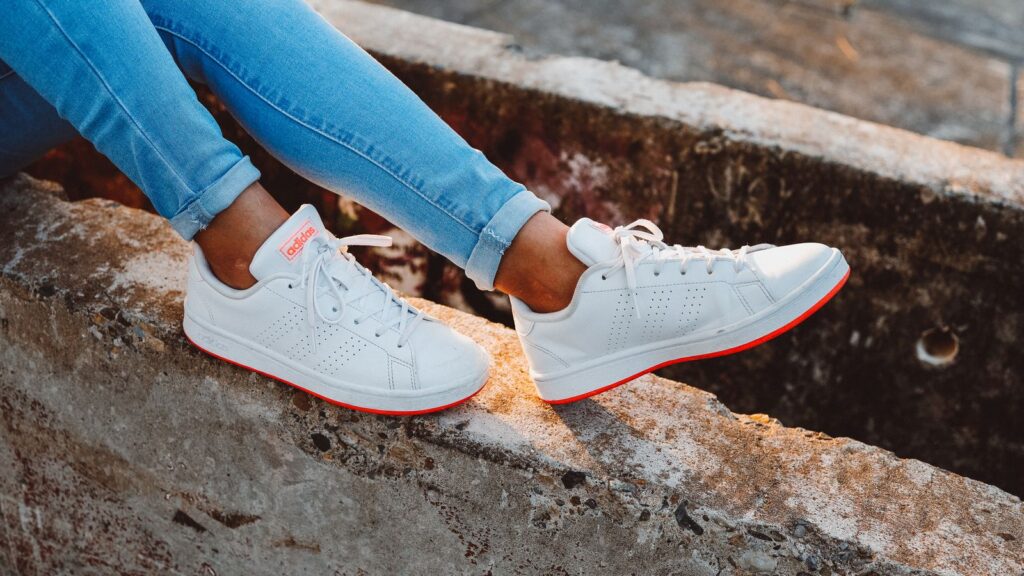
Capsule wardrobes often revolve around neutral footwear because these shoes create the most outfit combinations without overwhelming the rest of the clothing. Black loafers white leather sneakers nude pumps taupe ankle boots and brown sandals remain popular because they coordinate with nearly every color palette while adapting to changing trends.
Neutral shoes support that goal by eliminating much of the guesswork involved in getting dressed. A pair of white sneakers complements wide-leg trousers midi dresses linen pants and matching knit sets with equal ease while nude heels visually extend the leg line beneath tailored dresses and skirts.
Selecting dependable neutral footwear allows the rest of the outfit to take center stage while providing a polished foundation for countless combinations.
How to Match the Visual Weight of Your Shoes to Your Outfit
Image Credit: Elika Margaretha via Pexels
Successful styling depends on visual balance and footwear plays a significant role in maintaining it throughout the silhouette. Every shoe carries a certain amount of visual weight based on its shape sole thickness materials and construction.
Chunky combat boots naturally appear heavier than pointed-toe pumps while platform sneakers create a different impression than delicate ballet flats. Pairing lightweight summer dresses with oversized hiking boots often creates competing proportions because the eye struggles to reconcile the dramatic difference in visual mass.
Balancing garments by distributing volume evenly creates a more harmonious look and the same principle applies to everyday dressing. Wide-leg trousers typically pair beautifully with substantial loafers or sleek platform sneakers because each complements the other’s visual strength.
Flowing skirts often benefit from lighter footwear that preserves movement rather than interrupting it. Balancing shoe weight with clothing volume creates cohesion that feels effortless without requiring complicated styling formulas.
How to Pay Attention to Hemlines Before Choosing Your Shoes
Image Credit: Lucretius Mooka via Pexels
Hemline placement directly influences how shoes interact with an outfit making it one of the first details fashion professionals evaluate during styling appointments. Cropped trousers naturally showcase loafers pointed flats and low-profile sneakers because they reveal the ankle and create clean visual separation.
Full-length wide-leg trousers generally work best with shoes that provide slight elevation or structured shape beneath the hem preventing excess fabric from dragging while maintaining graceful movement. Midi skirts introduce another styling opportunity because ankle boots slingback flats and elegant heels each create distinctly different proportions beneath the same garment.
Adjusting a hemline by just an inch or two can completely alter an outfit’s balance. Evaluating the relationship between hems and footwear produces cleaner silhouettes while helping every piece appear intentionally selected for the overall ensemble.
How to Let One Statement Piece Take the Spotlight
Image credit: New Africa via Shutterstock
Great outfits usually feature a clear visual focal point instead of asking every garment to compete for attention. Following this principle when selecting shoes creates harmony across the entire look. A bold animal-print heel metallic boot brightly colored sneaker or embellished sandal naturally attracts attention making simpler clothing an ideal companion.
Neutral trousers monochromatic dresses or minimalist knit sets allow statement shoes to shine without overwhelming the outfit. The opposite approach works equally well. Clothing with dramatic prints oversized florals sequins or intricate embellishments often pairs best with understated footwear that supports rather than distracts.
Allowing either your shoes or your clothing to lead the conversation results in outfits that appear confident balanced and thoughtfully styled.
How to Dress for the Season Without Ignoring Your Outfit’s Mood
Image Credit: Nguyễn Tiến Thịnh via Pexels
Seasonal styling extends far beyond temperature. Evaluating weather fabric weight color palette and overall mood of an outfit before selecting footwear helps create visual harmony. Linen trousers paired with heavy winter boots can feel disconnected even when temperatures allow while strappy sandals rarely complement thick wool coats or chunky knitwear.
Coordinating seasonal fabrics creates a smoother transition throughout an outfit. Leather loafers suede ankle boots and polished Chelsea boots naturally complement autumn textures while canvas sneakers woven espadrilles leather sandals and sleek white trainers pair beautifully with cotton linen and lightweight dresses during spring and summer.
Celebrity stylist Rachel Zoe has long encouraged shoppers to consider complete story an outfit tells instead of focusing on individual garments. Shoes that complement season’s textures and colors help every outfit feel intentional polished appropriate without relying on complicated styling techniques.
How to Trust Your Mirror More Than Fashion Rules
<figcaption c lass=""wp-element-caption"" Image credit: Studio Romantic via Shutterstock
<p c lass=""wp-bloc k-paragraph"" Fashion advice can provide excellent starting point yet personal observation remains most reliable styling tool mirrors reveal proportion balance visual harmony far better than rigid rules ever can.
Walking several steps viewing an outfit from different angles checking photographs in natural light often highlight details that are easy overlook while getting dressed editorial teams routinely evaluate clothing from multiple camera angles because garments behave differently in motion than when standing still.
Small adjustments changing loafers for pointed flats replacing chunky sneakers sleek leather trainers or swapping black boots tan ankle boots can completely change an outfit’s balance without replacing clothing itself.
Building experience through observation gradually replaces uncertainty instinct allowing shoe choices become quicker more consistent naturally polished regardless changing fashion trends.
Key Takeaways
Image credit: designer491 via Pexels
Match your shoes to formality your outfit before considering trends.
Coordinate colors through harmony instead searching exact matches.
Balance shoe shape your clothing’s silhouette create clean proportions.
Use fabric texture strengthen visual consistency across outfit.
Sarah Parker is a research analyst and content contributor with a strong interest in business strategy, organizational behavior, and social development. With a background in sociology and public policy, she focuses on exploring the intersection between research and real-world application. Sarah regularly contributes articles that bridge academic insights and practical relevance, aiming to foster critical thinking and innovation across sectors.