Key Takeaways
- The Punisher: One Last Kill delivers a brutal portrayal of Frank Castle, staying true to the character’s essence.
- The special maintains a TV-MA rating, ensuring graphic violence that aligns with the darker themes of the story.
- Bernthal’s performance emphasizes Frank’s trauma, showcasing the emotional weight behind his violent actions.
- The narrative transitions from psychological drama to intense action, highlighting a stark contrast in storytelling.
Marvel’s latest Special Presentation, The Punisher: One Last Kill, knows exactly what fans want from Frank Castle, and for better and worse, it delivers almost precisely that. Directed by Reinaldo Marcus Green and co-written by Green alongside Jon Bernthal, this Disney+ special acts as both a brutal standalone story and a bridge toward the character’s future in the MCU with his upcoming theatrical debut in Spider-Man: Brand New Day. More importantly, it feels like Marvel finally understands that Punisher only truly works when he is allowed to remain unsanitized.
For audiences wondering whether this would be a toned-down version of the character to fit into the broader Marvel machine, One Last Kill answers that concern almost immediately. This is unmistakably the same Frank Castle from Netflix’s The Punisher and Daredevil, not a softened reinterpretation. The TV-MA rating matters here. The violence is graphic, ugly, and deeply personal in a way most MCU projects rarely allow themselves to be. Gunshots feel painful. Fights are messy and exhausting. Blood splatters on walls. The handheld camerawork often places viewers directly behind Castle as he tears through rooms of enemies, creating an immediacy that feels closer to a grimy 1970s crime thriller than a polished superhero production.
Yet what makes the special work is not simply the brutality. Punisher stories live or die based on whether they understand the sadness underneath the violence, and Bernthal continues to prove he fundamentally understands Frank Castle better than almost anyone else associated with the character onscreen. His co-writer credit is not just a vanity addition; it genuinely feels reflected in the material. The special repeatedly emphasizes that Frank is not someone who enjoys living this way. Violence is not empowerment for him. It is trauma turned into routine.
The opening stretch of the special is surprisingly restrained. Before Frank throws a punch or fires a bullet, the story establishes a version of New York City overwhelmed by violent crime. Robberies, shootings, and random acts of cruelty occur openly in the streets. The atmosphere is bleak and oppressive, far removed from the cleaner, more heightened tone of most PG-13 Marvel projects. The scale of the violence in this show’s environment can definitely be over-the-top, and almost challenging to take seriously, but the more hateable these villains are, the more you want to see Frank rip them apart.
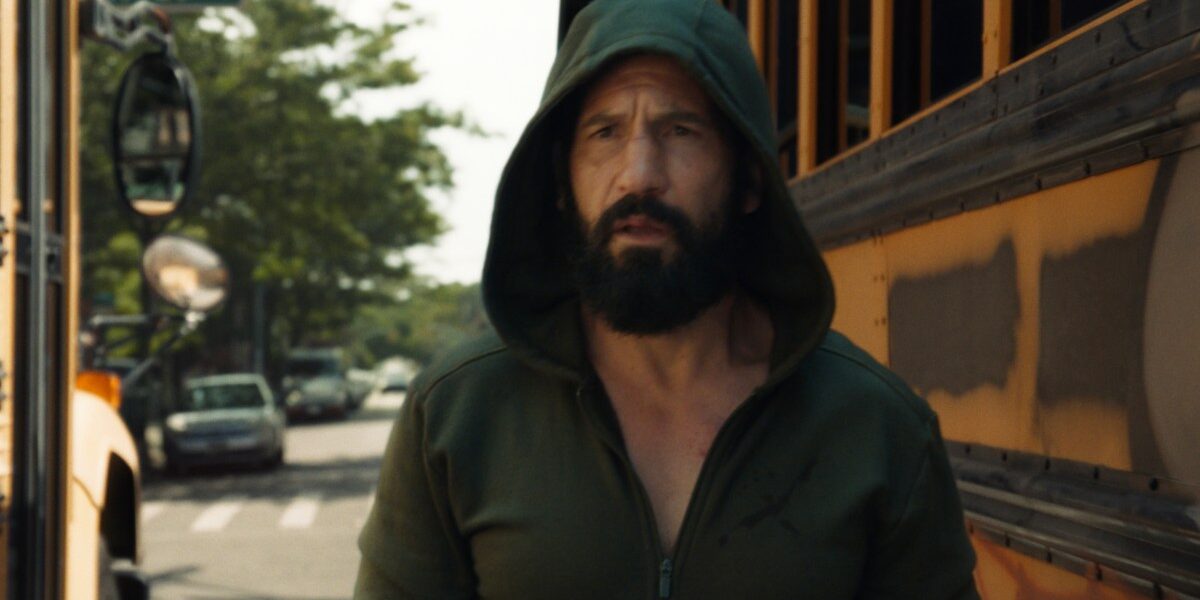
But Frank walks through this chaos almost like a ghost, attempting to exist without participating in it. Bernthal plays these quieter scenes beautifully, carrying the exhaustion of a man trying desperately not to become the Punisher again, even as the world practically begs for his return.
Of course, anyone familiar with the character knows peace is never going to last. Once Ma Gnucci places a bounty on Frank’s head, the inevitable war begins. The premise is undeniably familiar: one man against an army of criminals, forced back into violence after attempting to leave it behind. It is essentially a stripped-down, John Wick-style actioner. The special does not reinvent Punisher mythology or radically challenge expectations. Instead, it focuses on executing the formula with conviction.
The first half operates almost like a psychological drama. Action is sparse, and the pacing is intentionally slow and somber. The story repeatedly revisits Frank’s PTSD and the lingering trauma caused by the murder of his wife and daughter. We have explored this tragedy many times before across previous Punisher adaptations, but Bernthal still finds ways to make the pain feel fresh. There are moments where Frank seems emotionally hollowed out, as though he no longer even remembers what normal life is supposed to feel like. The special’s strongest scenes are ones where he gets visions from the ghosts of his past.
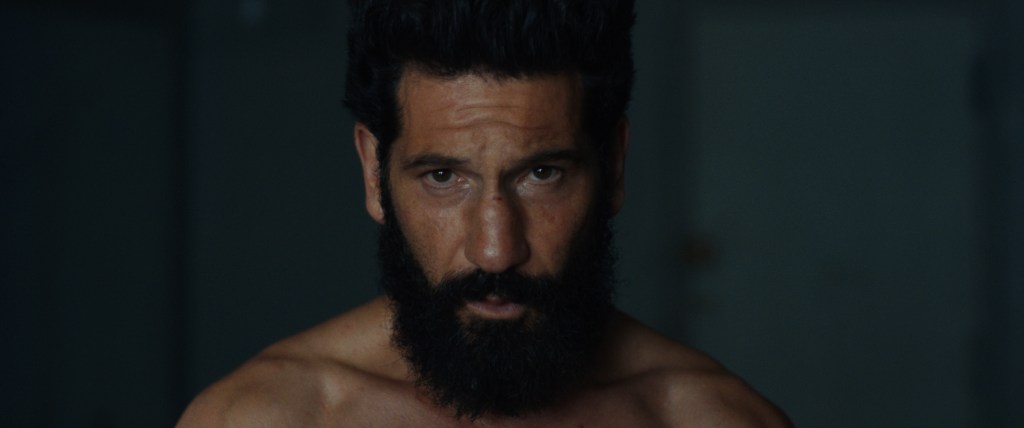
Then the second half flips a switch. Once Frank finds himself hunted by dozens of bad guys, he must re-embrace the Punisher persona, and the special becomes a relentless descent into blood-soaked chaos. Set primarily in real time in an apartment building, it feels like Green’s take on The Raid. The action scenes are raw, aggressive, and often shockingly mean in their violence. Rather than stylized superhero combat, these sequences feel ugly and desperate. Every kill lands with brutal impact. The camerawork becomes more frantic and kinetic, following Frank with almost documentary-like intensity. It feels less like watching a superhero save the day and more like watching a wounded animal bulldoze through anyone standing in his path.
Still, the special is not without flaws. Some dialogue scenes lean too heavily into theatrical monologues that occasionally feel overwritten. One particular character notably avoids the kind of cathartic comeuppance audiences may expect. It feels less like intentional ambiguity and more like the story keeping certain threads open for future MCU appearances. Considering Frank Castle’s confirmed future in this franchise, that decision is understandable even if it slightly weakens the emotional payoff here. It only primarily works because it ties into a choice Frank makes that speaks volumes about his character.
Even so, The Punisher: One Last Kill succeeds because it understands its assignment. It is not trying to reinvent Frank Castle or force him into a more conventional superhero mold. Instead, it functions as a concentrated dose of everything that has made Bernthal’s version of the character resonate for years: grief, rage, violence, guilt, andthe constant illusion that maybe this time he can finally stop fighting.
He never can, of course, but we love to see him try.
SCORE: 7/10
As ComingSoon’s review policy explains, a score of 7 equates to “Good.” A successful piece of entertainment that is worth checking out but may not appeal to everyone.
Disclosure: ComingSoon received a screener for our The Punisher: One Last Kill review.