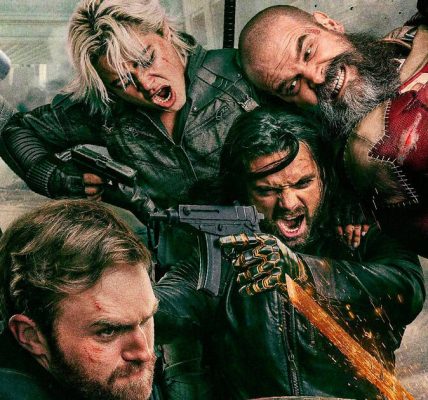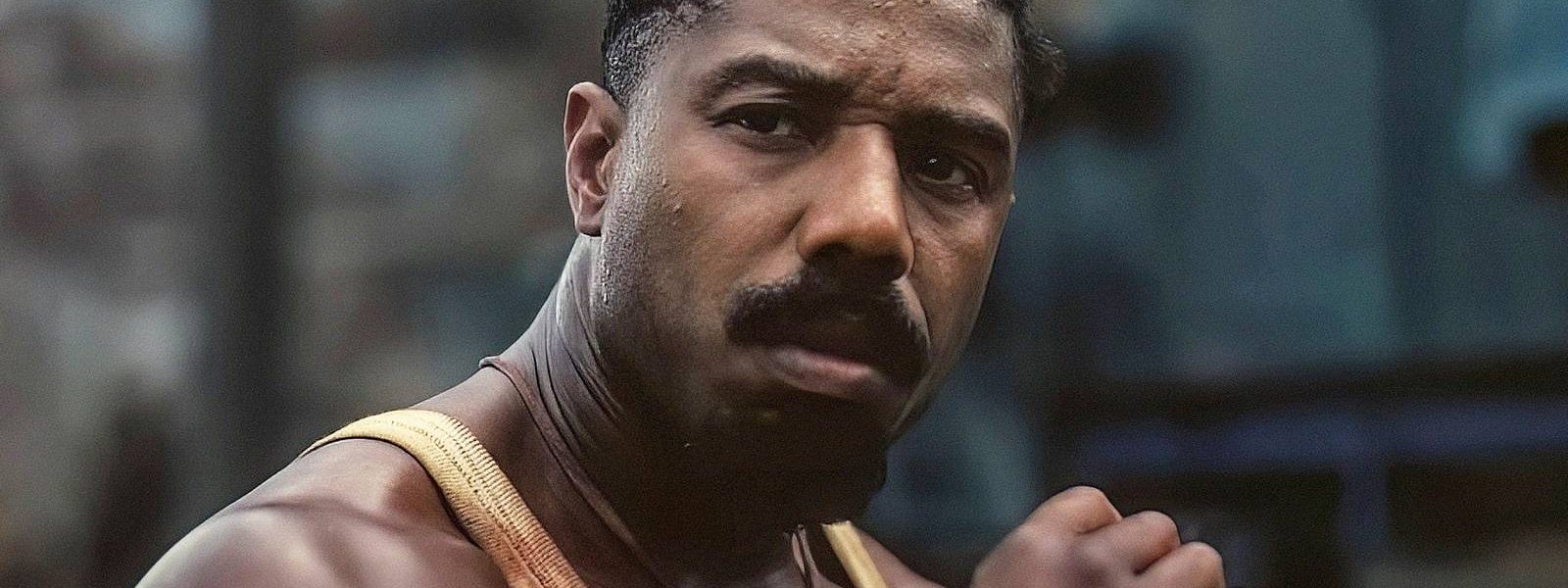
Vampire movies have been a staple of the horror genre since its inception. With an undead force stalking its victims in the dark, this subgenre feels like a blend of zombie films, slashers, and creature features, while being something much more. Sometimes vampires are purely terrifying, other times they evoke sympathy, and often themes of sensuality and romance are intertwined, featuring a once-living person now cursed by an insatiable desire.
Given their presence in film for over a century, narrowing down the absolute best and most significant vampire movies to just four is quite the challenge. This means leaving out classics like The Lost Boys, Bram Stoker’s Dracula, Interview With a Vampire, and all those Christopher Lee Hammer Films. So which four deserve to be on the vampire Mount Rushmore?
‘Nosferatu’ (1922)
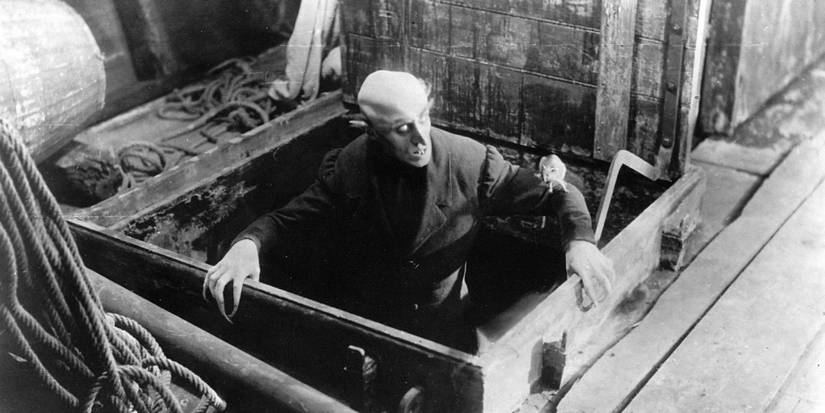
No list of vampire films would be complete without Nosferatu, the first-ever vampire movie. Although it’s an unofficial adaptation of Bram Stoker‘s novel <em>Dracula</em>, director F.W. Murnau is unrestrained. Nosferatu follows familiar beats, with Max Schreck as Count Orlok, a vampire who travels across the ocean to Germany, bringing a plague with him. Once he arrives, he sets his sights on Ellen Hutter (Greta Schröder), the only woman who may be able to stop his reign of terror.
Nosferatu serves as a masterclass in filmmaking and overcoming limitations. Being a silent film from 1922 means it must succeed based on visuals alone. Murnau employs German Expressionism, a storytelling form that layers emotion on screen through lighting and distorted shapes. Nosferatu is filled with dark corners and elongated shadows, exemplified by terrifying shots that show Orlok’s visage lit against a wall or his long hand reaching out in a brilliant moment. Max Schreck embodies the character, so much so that his peculiar performance inspired the biopic Shadow of a Vampire, starring Willem Dafoe. With his long face, pointy ears, and rat-like teeth, Orlok sends chills down your spine even after a century. There have been reboots of Nosferatu, but none have achieved so much with so little.
‘Dracula’ (1931)
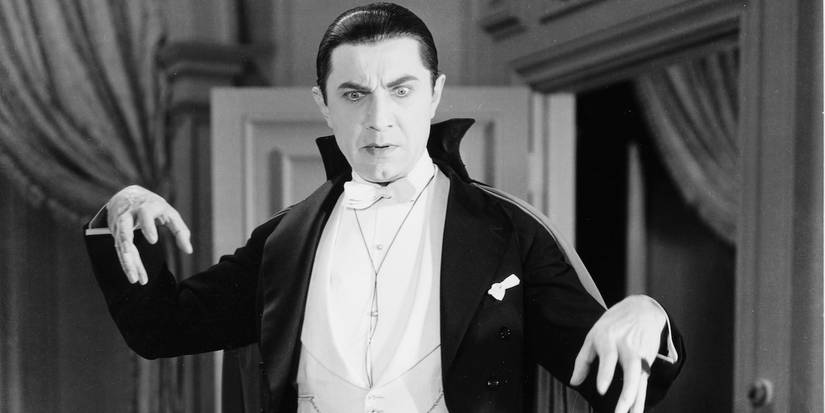
The most iconic vampire movie ever made arrived nine years later with Tod Browning‘s Dracula. The plot closely mirrors what Nosferatu had already established, but adds Van Helsing (Edward Van Sloan) as the renowned vampire hunter and presents a vastly different depiction of the villain. Instead of being monstrous, the titular Dracula, portrayed by Bela Lugosi, is suave and sophisticated, complete with his cape, bow tie, and slicked-back hair. He is depicted as more human than hideous creature. The pop culture representations of Dracula today—from Hammer films to the Count in Sesame Street—originated here. Bela Lugosi IS Dracula, regardless of how many adaptations have followed.
This film notably marks the first version of Dracula to feature sound on-screen, allowing audiences to hear what the Count sounds like with his thick, rolling hypnotic accent. Browning captures the gothic horror aesthetic while continuing to employ a German Expressionism-like filmmaking style that emphasizes shadows and atmosphere. The director takes his time to build dread slowly and uses silence effectively to heighten tension. While some modern audiences may find Dracula dated, it remains the most iconic vampire movie and always will be. It serves as a moving history lesson unfolding right before your eyes.
‘Let the Right One In’ (2008)
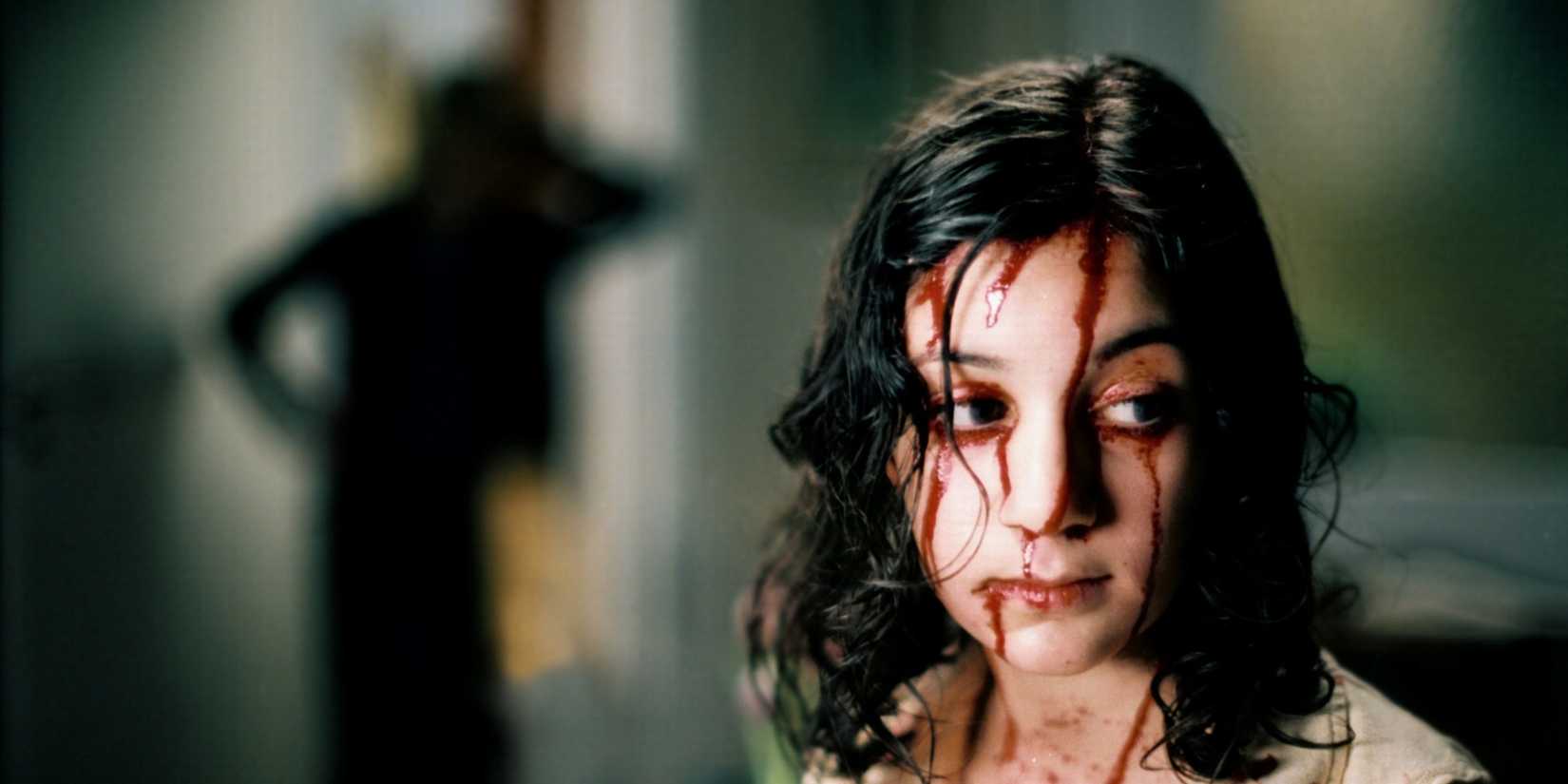
A multitude of vampire movies were released between 1931 and 2008. So why does the Swedish filmLet the Right One In earn its place on Mount Rushmore? Because it takes everything we know about vampires and flips it on its head, defying expectations while taking this well-worn subgenre in an innovative direction. Based on John Ajvide Lindqvist’s novel of the same name, directorTomas Alfredson(Tinker Tailor Soldier Spy) presents this unique coming-of-age story about a bullied boy named Oskar (Kåre Hedebrant) who desperately needs a friend. He finds companionship in an odd girl new to town named Eli (Lina Leandersson). The twist is that Eli is a centuries-old vampire. However, rather than putting Oskar’s life at risk, Let the Right One In tells a sweet story about friendship and what two people will do for one another.
The undead are often relegated to antagonist roles in vampire films.Let the Right One In, however, flips this narrative by making Eli the hero. She is indeed a dangerous bloodthirsty killer but is portrayed as a creature in pain who needs someone even more than Oskar does. Rather than fearing Eli, both Oskar and the audience grow fond of her through one shocking twist after another. Alfredson’s direction is subtle rather than overly stylized—he allows the children to tell their stories while occasionally highlighting contrasts like deep red blood against white snow. It’s a tragic tale but features one of horror history’s most messed-up yet feel-good endings.
‘Sinners’ (2025)
You can find photos and images used in our article from this source.
This content has been used solely for informational purposes with proper attribution to their original source.[nospin]
[INPUT_HTML_END]