Few thrillers capture the same unsettling magic as Alfred Hitchcock’s Psycho, but several movies come remarkably close. More than six decades after its release, Psycho remains one of the most influential horror films ever made. Hitchcock’s masterpiece changed audience expectations by killing off its apparent protagonist early, placing viewers inside the perspective of a disturbed killer, and transforming an ordinary roadside motel into one of cinema’s most terrifying locations.
Psycho‘s themes of voyeurism, fractured identity, psychological obsession, and hidden violence helped shape everything from acclaimed psychological thrillers to the modern slasher movie. Critics and historians regularly identify Psycho as a turning point that shifted horror away from traditional monsters and toward the darkness lurking inside seemingly ordinary people.
Psycho constantly manipulates the audience, encouraging viewers to identify with Marion Crane before abruptly shifting sympathy toward Norman. Hitchcock’s use of voyeurism, mirrors, hidden secrets, and unreliable appearances creates a sense of unease that never completely disappears. Several incredible movies explore similar territory. A few directly influenced Hitchcock, while others were heavily inspired by the film’s legacy. Together, they reveal how far Psycho‘s shadow extends across horror and thriller cinema.
Diabolique (1955)
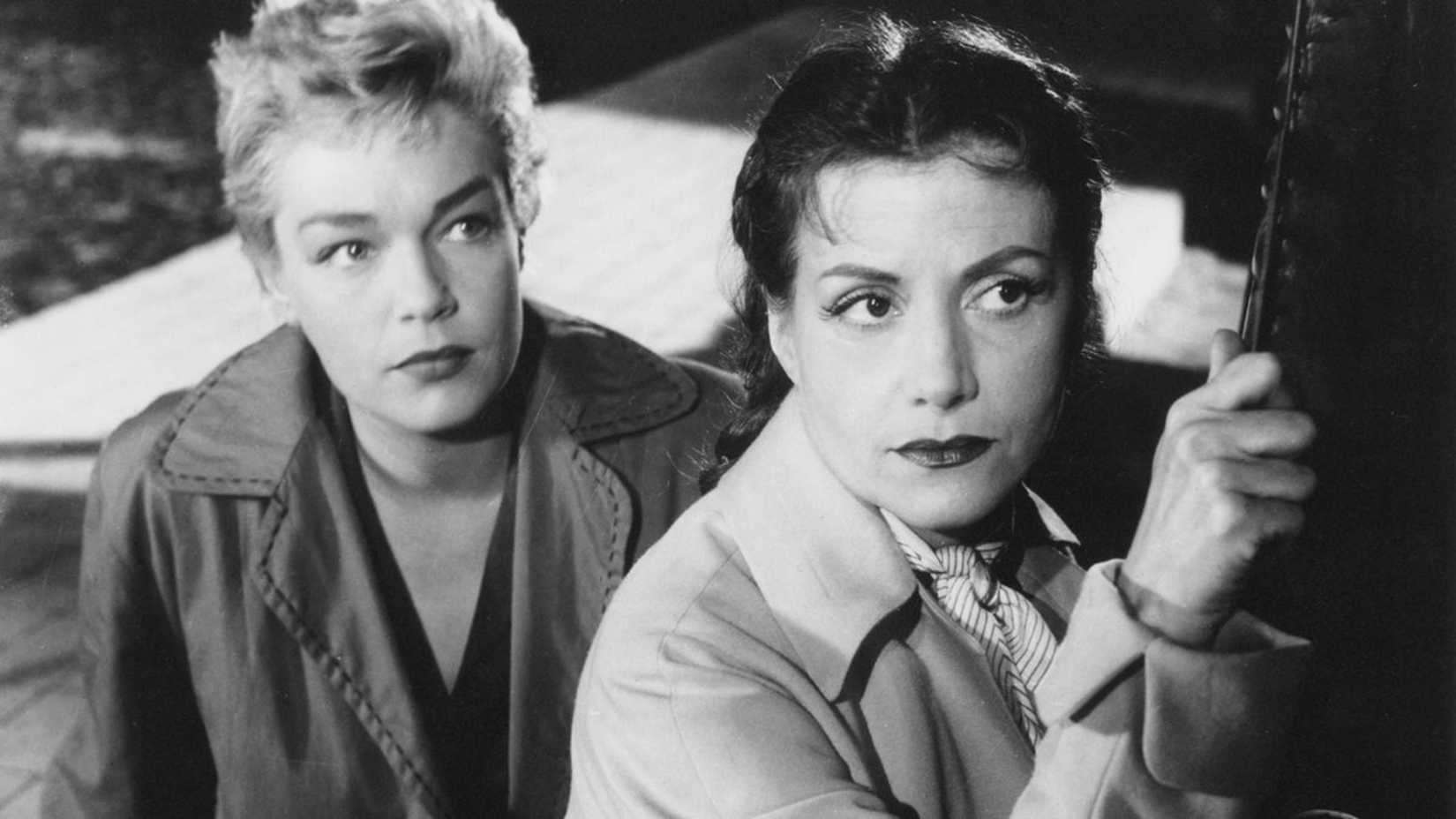
Five years before Psycho shocked audiences, Henri-Georges Clouzot delivered a thriller that Hitchcock himself reportedly admired. Diabolique follows a boarding school headmaster’s wife and mistress as they conspire to murder the abusive man who dominates both of their lives. Their plan appears successful until the body mysteriously disappears.
Both Diabolique and Psycho rely on audience misdirection, carefully constructed mysteries, and shocking revelations that completely reframe earlier events. Like Norman Bates, the central mystery in Diabolique works because viewers become convinced they understand what is happening long before they actually do.
Clouzot also shares Hitchcock’s gift for turning everyday locations into nightmares. The school grounds become increasingly oppressive as suspicion grows, creating the same kind of trapped atmosphere that defines the Bates Motel. Diabolique is one of the most influential psychological thrillers ever made and an essential viewing experience for anyone fascinated by the evolution of cinematic suspense.
Shadow Of A Doubt (1943)
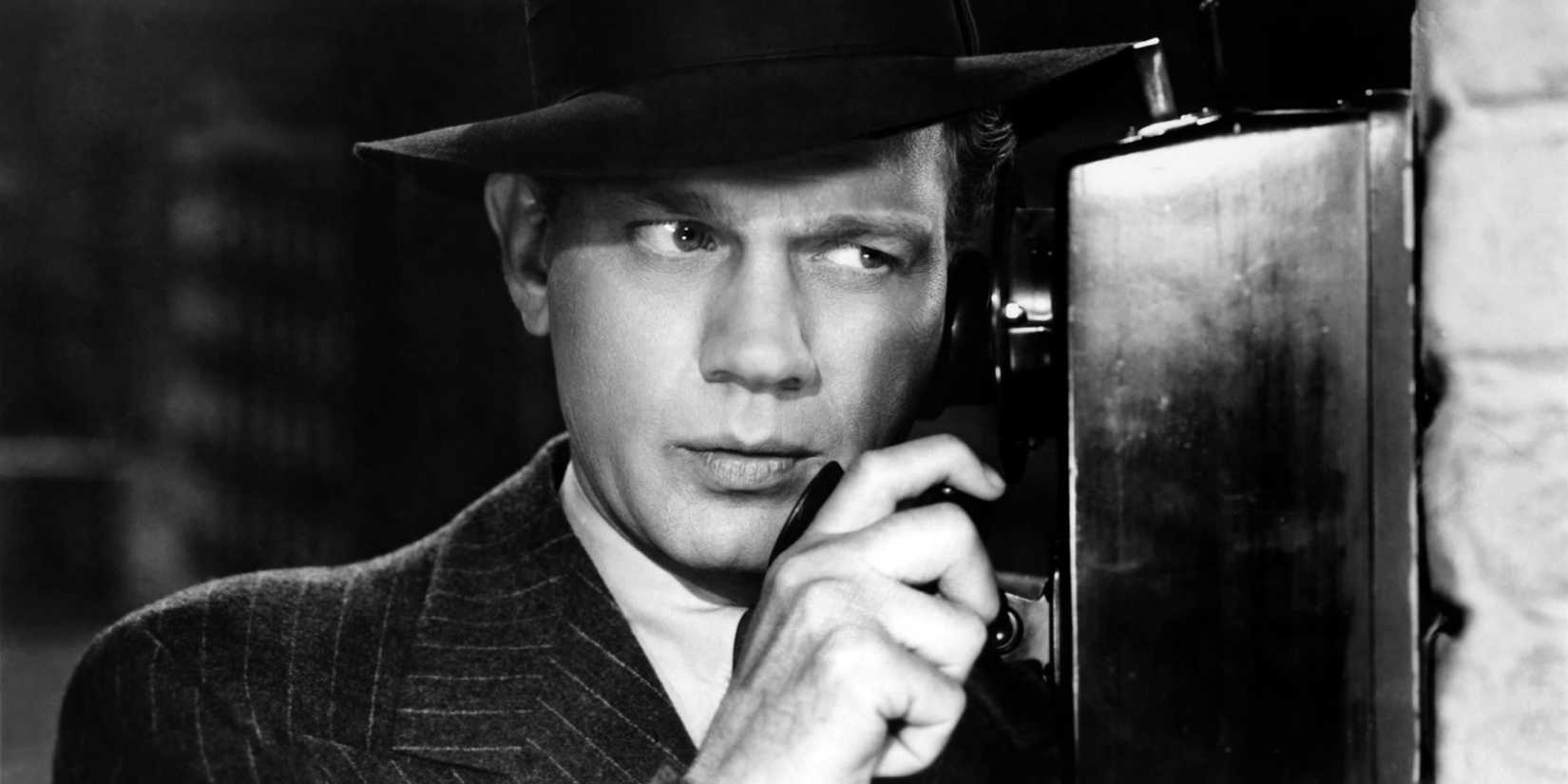
Alfred Hitchcock considered his movie Shadow of a Doubt to be one of his personal favorites, and it’s easy to see why. It feels like a prototype for many of the ideas that would later reach their fullest expression in Psycho. The story depicts young Charlie Newton, who idolizes her charming Uncle Charlie.
When he arrives in her small California hometown, she initially sees him as a glamorous figure who can break the monotony of everyday life. Gradually, however, she begins to suspect that her beloved uncle may actually be a notorious serial killer. Like Norman Bates, Uncle Charlie is terrifying because he appears so normal.
Hitchcock understood that audiences often fear ordinary people more than monsters, and Joseph Cotten’s performance perfectly captures that unsettling contradiction. Shadow of a Doubt also establishes the recurring Hitchcock theme of evil hiding beneath the surface of middle-class America.
Peeping Tom (1960)
Released only months before Psycho, Michael Powell’s Peeping Tom explores many of the same ideas while approaching them from an even more uncomfortable angle. It follows Mark Lewis, a shy cameraman who murders women while filming their final moments, transforming the camera itself into a weapon.
Both Mark and Norman Bates are seemingly harmless men shaped by deeply traumatic childhood experiences. Both films also force audiences into sharing the same disturbing perspective as the killers. Psycho uses Norman’s peephole, while Peeping Tom pushes the concept even further by making the audience’s act of watching part of the horror itself.
Peeping Tom was initially condemned by critics and damaged Powell’s career, but its reputation has grown enormously over time. Today, many historians regard it as one of the defining slasher films of the twentieth century and one of Psycho‘s closest cinematic relatives.
Rear Window (1954)
The rest remains unchanged…