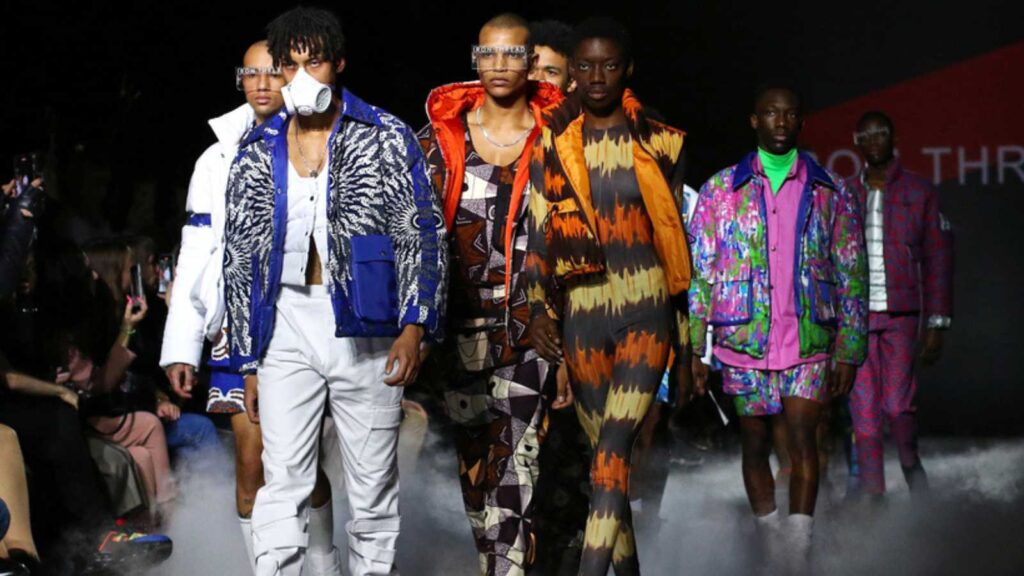
Fashion runways are meticulously engineered marketing spectacles, built by the ultra-wealthy and staged for an audience wealthy enough to buy what walks past them; plus the silhouettes. The clothes are almost beside the point. What a runway show actually sells is proximity, the sense that showing up in the room means you already belong to the tier of society that gets asked.
Haute couture began as clothing built to order for European aristocracy, according to research by Gregory Kiyai from the University of Malaysia, a tradition of exclusivity the modern show format never fully abandoned. A single front-row seat at a major New York show can represent tens of thousands of dollars in sponsorship or advertising spend, while standing-room tickets for the general public, when they exist at all, sell for a fraction of what editors and buyers receive for free.
Class functioned as a filter long before affordability did, and the industry has spent a century dressing that filter up as taste. Look at who fills the front row at a major fashion show: editors, celebrities, luxury buyers, and influencers whose invitations are often part of the marketing strategy.
Few resemble the average American shopper, and that is by design. Runway shows are not meant to reflect how most people dress. They create aspiration for an exclusive audience, then sell a watered-down version of that vision to everyone else in the seasons that follow.
Understand That Beauty Standards Are Ever-Changing
Image Credit: Suzy Hazelwood/Pexels
The hourglass, the boyish flapper, the va-va-voom pin-up and Twiggy’s stick-thin silhouette all took turns as the definitive American look within a single century, proof that beauty standards function less like truth and more like trend cycles.
Christian Dior’s 1947 New Look cinched waists into wasp-like proportions using boning and crinolines, a construction choice that made the era’s ideal body a garment problem before it was ever a personal one.
Understanding beauty as a design decision made by corsetiers, ad executives, and casting directors, rather than a biological fact, is the first act of resistance.
“She’s just built different” started as a joke about genetics, but the real answer has always involved a pattern cutter.
Read Between the Lines of Runway Shows
Image Credit: katatonia82 / Shutterstock
Vogue Business tracked 8,763 looks across New York, London, Milan, and Paris for spring/summer 2025 and found plus-size representation at 0.8%, with straight-size models occupying 94.9 percent of every show. By autumn/winter 2025, plus-size looks had fallen further to 0.3 percent of runway appearances.
The publication described this as a return to extreme thinness accelerated by the Ozempic boom, meaning the industry’s aesthetic gatekeepers are actively narrowing rather than widening the frame. Reading this data is not pessimism; it is intelligence gathering because a standard this openly manufactured is one you can consciously opt out of.
Understand the Confidence Gap
Photo Credit: New Africa/Shutterstock
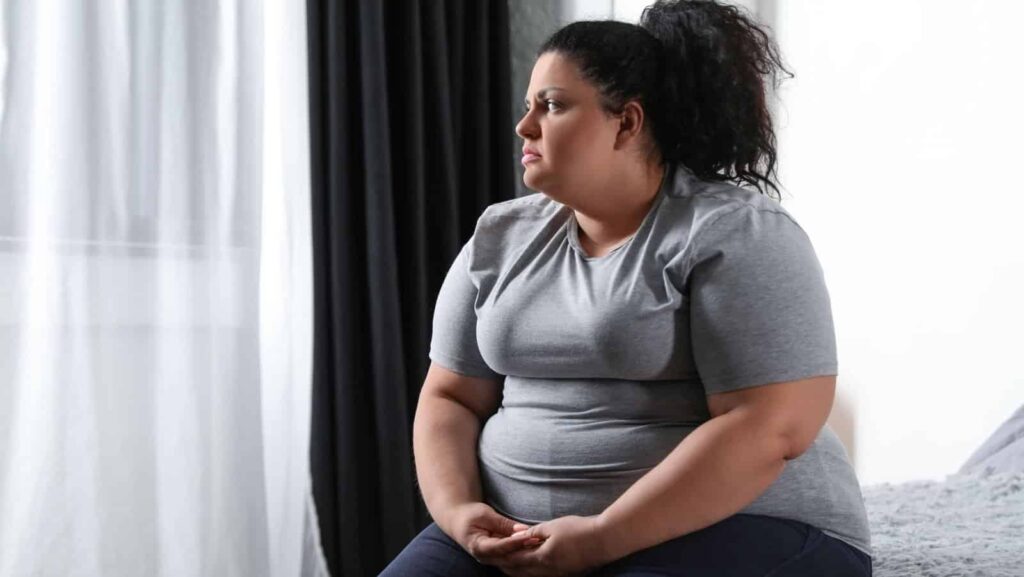
Dove’s 2024 Real State of Beauty Report found that Millennial women report the lowest body confidence of any generation surveyed; with a third saying they would give up a year of their life for what they consider a perfect body.
69% admitted skipping social events entirely over low body confidence; this generation came of age on early internet forums and Y2K thinness while absorbing three separate beauty regimes back to back.
Naming that compounded exposure matters more than blaming any one era for it.
Celebrity stylist Ariel Tunnell told NBC News she has watched designer options for fuller figures thin out over the past year even as demand remains constant; that gap between commercial appetite and design supply is the real story.
When Florence Pugh told The Sunday Times about public criticism regarding her weight loss journey; she highlighted how bodies are treated as debate topics rather than facts of life.
Question the New Thinness Economy
Image Credit: mikeledray / Shutterstock
More than 31 million Americans were taking GLP–1 medications as of November 2025 according to KFF polling; with over 837000 GLP–1 patients seen by member surgeons in 2024 alone.
The pattern has been named Ozempic face, referring to hollowed cheeks and temples that trail behind fast fat loss; what used to require years of restriction can now happen in months.
A standard this expensive to chase was never really about health to begin with.
Follow Market Trends Instead of Runway Trends
Image Credit: Kenishirotie/Shutterstock
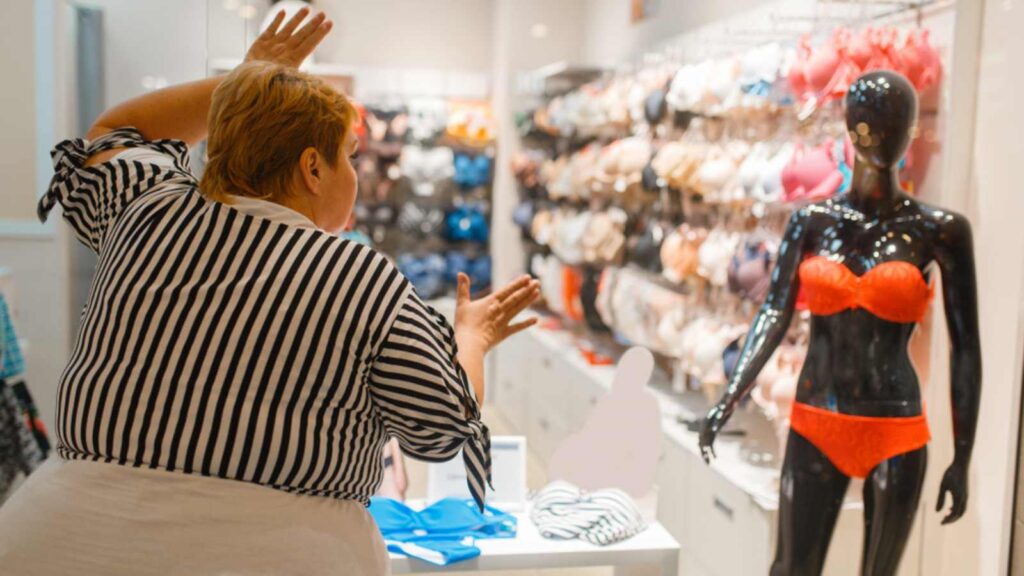
Mys Tyler’s Insights report, drawn from more than 42000 self-reported measurements, found 54.4% of American women wear a size 14 or above, meaning most women are underrepresented on catwalks and in ad campaigns.
Retailers cutting plus assortments choose to alienate customers who actually show up; every dollar spent with brands stocking size 24 is a vote against that decision.
Support Brands That Cater to Real Bodies
Image Credit: Prostock-studio/Shutterstock
Designer Renee Cafaro built her NYFW collection Out of Scale after learning only 24 out of 8703 runway looks would fit an average American woman; her atelier produces couture up to size 5X.
That framing separates genuinely inclusive design from brands extending straight-size patterns and calling it plus; watching which labels solve for real bodies tells you more than any size range printed on websites ever will.
Curate Your Social Media Feed Wisely
Image Credit: mimagephotography/Shutterstock
Dove’s #DetoxYourFeed research found that 1 in every two American teen girls spend more than an hour daily on social media; half say idealized beauty content directly causes their low self-esteem.
Seven in ten girls who unfollowed accounts built around unattainable beauty ideals reported feeling better afterward; algorithms optimize engagement over well-being.
Use Style Over Size for Fashion Choices
Image Credit: New Africa/Shutterstock
Fashion’s oldest trick involves color blocking and vertical seaming rather than weight; these tools have been used since tailoring houses learned how to redirect focus effectively.
Choose Your Mindset Wisely
Image credit : Ranta Images / Shutterstock
Body positivity encourages love for every inch while body neutrality asks you to treat your body as fact rather than verdict; neither camp is wrong but they pull in different directions.
Challenge Pressure to Stay Young
Image credit : PeopleImages / Shutterstock
The anti-aging industry rarely markets itself as anti-woman yet its premise treats visible passage of time as defect requiring correction.
Build Your Own Style Philosophy
Image Credit : Lee Charlie / Shutterstock
Fit failures are usually construction problems rather than body problems
The runway numbers are genuinely skewed so feeling unrepresented is accurate not distorted
Trends move faster than they used to but speed is engineered not organic
Small controllable habits shift how pressure lands
Beauty standards have always been temporary today’s version will expire too
Disclaimer : This list is solely author’s opinion based on research and publicly available information not intended to be professional advice .
Sarah Parker is a research analyst and content contributor with a strong interest in business strategy, organizational behavior, and social development. With a background in sociology and public policy, she focuses on exploring the intersection between research and real-world application. Sarah regularly contributes articles that bridge academic insights and practical relevance, aiming to foster critical thinking and innovation across sectors.