

Netflix has spent years quietly building a collection of some of the most interesting superhero TV shows around. From the dysfunctional family of The Umbrella Academy to the grounded, socially conscious powers of Supacell and the mythological twist of Ragnarok, Netflix has flipped the genre on its head more than once. However, one of its best takes on traditional cape and cowl-flavored action doesn’t just rethink the idea of superpowers, it reframes them through something far more relatable: parenting.
The TV show that reframes superheroics as a parenting nightmare is Raising Dion, a two-season sci-fi that ran from 2019 to 2022. Centered on Nicole Warren (Alisha Wainwright) and her son Dion (Ja’Siah Young), this unique Netflix series explores what happens when a young boy begins developing extraordinary abilities and how his mother has to adapt as a single parent. With a 91% Rotten Tomatoes score, it’s critically acclaimed for balancing heart, tension, and thrills.
Despite that reception, Raising Dion never quite reached the cultural dominance of some of Netflix’s bigger hits in the genre, struggling to cut through the noise of the dozens of cerebral superhero shows crowding the entertainment landscape. However, that’s not a reflection of its quality. Instead, it stands as an underrated gem, one that offers a fresh perspective on superhero stories while still delivering everything fans love about the genre.
Raising Dion Is A Superhero Story With A Unique Perspective
A Superhero Origin Story Told Through The Lens Of Parenthood
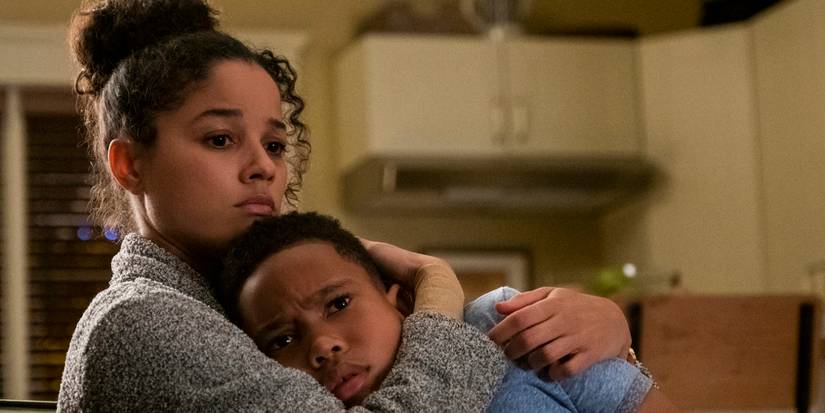
What immediately sets Raising Dion apart from more traditional and classic superhero TV shows is its perspective. While most superhero stories focus on the individual discovering their powers, this Netflix series shifts the emotional core to the parent left trying to understand them. Nicole Warren isn’t just a supporting character in Dion’s journey, she is the story’s anchor, navigating fear, responsibility, and uncertainty as his powers develop.
Dion Warren may have telekinesis and other evolving abilities, but he’s still a child and needs Nicole’s protection more than the world needs him to save it. That creates a dynamic rarely explored in superhero stories. His powers don’t just bring wonder; they introduce danger in everyday situations, forcing Nicole to constantly balance protecting her son with allowing him to grow. It’s a grounded conflict that gives Raising Dion a unique emotional weight.
The absence of a traditional mentor figure early on also reinforces this unique angle. Instead of a seasoned hero guiding Dion, Nicole is learning alongside him. Even when Pat Rollins (played in the Raising Dion cast by Jason Ritter) steps in to help (or at least it seems at first), the show never loses sight of Nicole’s central struggle as the parent of a child with extraordinary abilities. This approach transforms a familiar superhero narrative into something more intimate.
Trope moments like training sequences become moments of parental anxiety. Mistakes carry consequences that feel deeply personal rather than purely plot-driven. It’s not a story about saving the world; it’s about surviving childhood with powers intact. Few superhero shows have fully committed to this kind of perspective. By doing so, Raising Dion creates a story that resonates beyond the genre, making it feel refreshingly different.
Despite Its Premise, Raising Dion Doesn’t Forget That It’s A Superhero Show
A Fresh Take That Still Delivers Classic Superhero Thrills
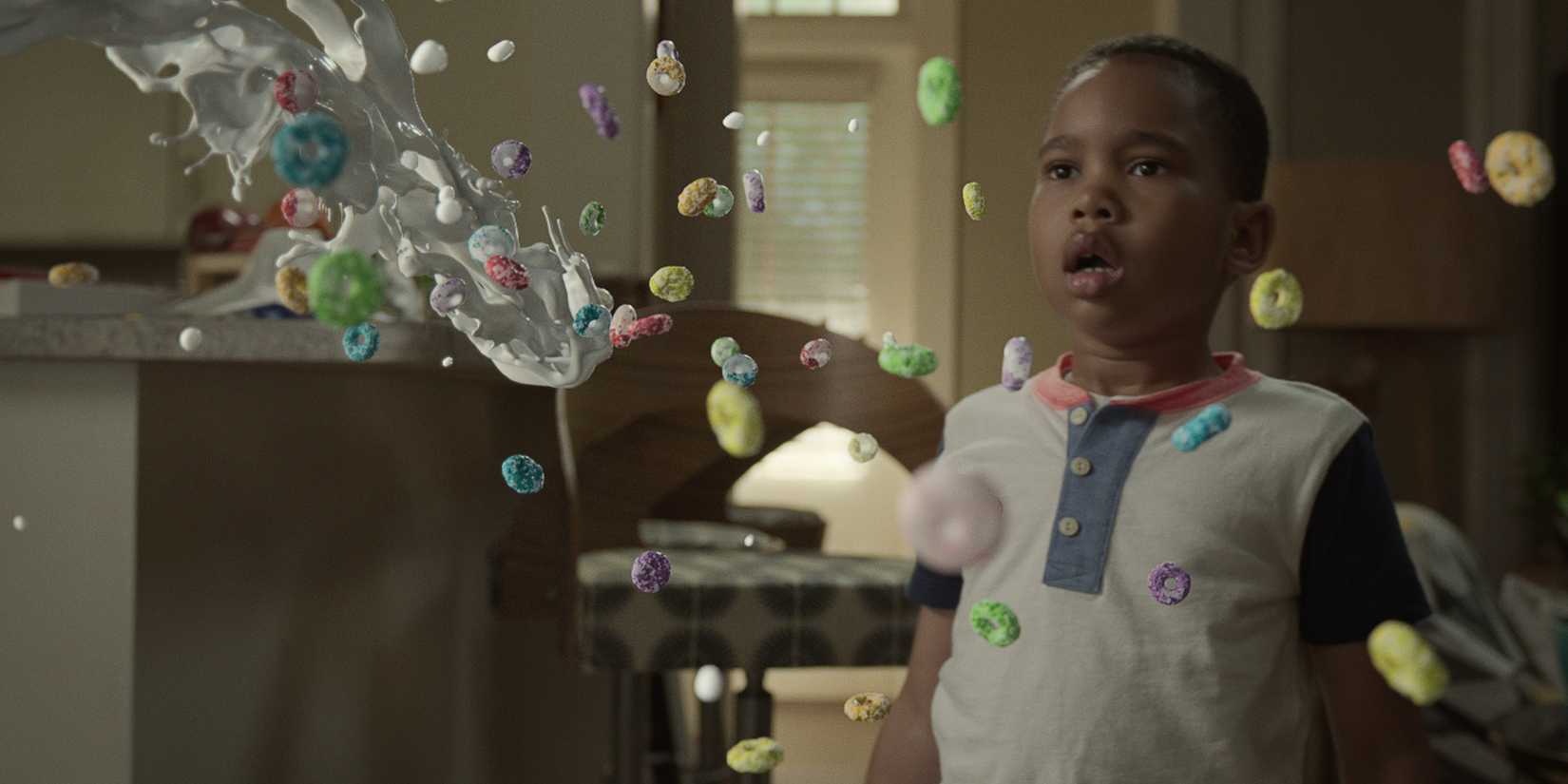
While Raising Dion distinguishes itself through its emotional lens, it never abandons the core elements that define great superhero storytelling. In fact, as the series progresses, particularly in its second season, it leans more confidently into familiar genre territory without losing its identity. Central to this is the emergence of a clear antagonist. Central villain The Crooked Man provides the kind of looming threat that superhero and sci-fi TV shows thrive on.
While season 1 has plenty of narrative nods to the show’s genre roots, season 2 of Raising Dion expands the show’s venturing into more traditional superhero territory further by introducing a mysterious virus that affects powered individuals. This storyline taps into classic comic book territory, reminding viewers that Dion’s abilities exist within a broader, potentially dangerous world.
Importantly, these elements don’t overshadow Raising Dion‘s unique emotional core. Instead, they complement it. Classic superhero story moments like action sequences and power showcases are all still rooted in character development and the show’s unique lens. When Dion faces danger, it matters not just because of the spectacle but because of what’s at stake for him and his mother.
The result is a Netflix show that manages to satisfy both sides of the superhero equation. It offers something new through its perspective while still delivering the thrills, villains, and high-stakes storytelling fans expect. Raising Dion may not follow the traditional blueprint but it understands exactly why that blueprint works and uses it to its advantage.









