

When you think about Britney Spears’ legacy, there are so many songs that could easily come to mind. As the Princess of Pop, many of her cultural offerings helped shape the industry landscape we know today, from 1999’s “…Baby One More Time” to 2001’s “I’m a Slave 4 U.” The longevity of her career, which extends across decades, is a testament to her sonic versatility.
However, there’s one particular song that has stood the test of time as one of her most important cultural contributions, and that is 2004’s “Toxic.” Released as a single for her album In The Zone, the raunchy love song became Spears’ first Grammy-winning song while skyrocketing to number one in multiple countries. It was Spears’ first US top-ten hit since 2000, changing the momentum of her career. Yet, what many don’t know is that the song nearly didn’t come into fruition. Here’s the unspoken history behind “Toxic” and how it was rejected multiple times before becoming one of Spears’ most sustainable hits.
The Surprising Story Behind Britney Spears’ “Toxic” Becoming a Smash Hit
No song sounds like a quintessential Britney Spears song the way that “Toxic” does. It’s sexy, fun, and demands dance out of you. Yet, even so, “Toxic” wasn’t initially written with Spears in mind. In fact, it was passed over by multiple artists before it ever reached her. The sleek, experimental pop song, written and produced by production team Bloodshy & Avant, was offered to a few major pop artists before ever getting to Spears. Those artists included Kylie Minogue and Janet Jackson, who both felt the song didn’t quite fit with the direction their individual sounds were going in. The song’s unusual structure and futuristic production was fun, yet a bit of a risk. It found a unique way of meeting Bollywood-inspired strings with electro-pop, which could have made it a tough sell for mainstream radio.
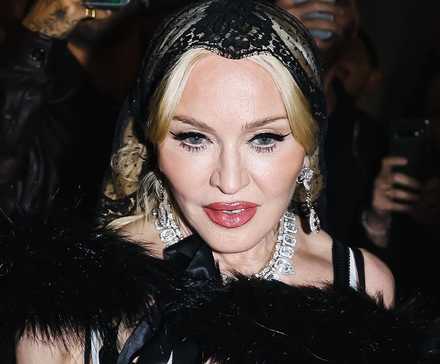
41 Years Ago Today, Madonna Released What Is Arguably Her Greatest Album Ever
The album that shattered expectations and paved the way for a new era.
But it’s what’s unconventional about the song that made it perfectly encapsulate everything that worked in the early 2000s. Funny enough, the song’s signature high-pitched violin line that was once thought to be off-putting ended up becoming one of the most recognizable hooks in pop history. Its techno-pop atmosphere was hypnotic and alluring, telling a story of yearning for something you’re forbidden from consuming. It held promise of being a hit, so long as it found the right performer to bring it to the world.
How “Toxic” Became One of Britney Spears’ Most Iconic Songs
While Spears finished finalizing her 2003 album In The Zone, she knew the project was missing one particular puzzle piece. A song that gave the project a darker edge, as it was already a sensual and emotional odyssey.
When “Toxic” was presented to her, she instantly recognized its potential, reportedly calling it “the most different song” she had pitched to her yet. Far ahead of its time, “Toxic” followed an unconventional structure with no typical verse-chorus repetition and leaned heavily into its avant-garde elements, but that was exactly what felt intuitively right for the singer. She was coming off the heels of her highly publicized breakup with Justin Timberlake and wanted to make a new name for herself. “Toxic” was the song that was going to help her do just that.
Spears released “Toxic” as the second single from her fourth studio album and sat back at the world completely devouring it. It skyrocketed to number one on charts across the entire globe and earned Best Dance Recording during 2004’s Grammy Awards, marking the only Grammy win of Spears’ career to this day. It played a pivotal role in cementing In the Zone as a defining album of early-2000s pop, serving as a blueprint for experimental mainstream pop. It helped the songstress prove she was more than a pop star and could be taken seriously as a boundary-pushing artist. The very song that was turned down by several artists and almost never saw the light of day proved to be a goldmine for Spears.
“Toxic” rewrote the rules and leaned into absurdity, which was most certainly a risk that paid off. Even with a discography as varied as hers, it continues to serve as one of Spears’ signature songs and is widely cited as among the most influential and innovative songs in pop music.