Fashion has become more inclusive over the past decade, but many plus-size women say the everyday shopping and styling experience still comes with a different set of expectations than it does for smaller-bodied consumers.
According to the 2024 State of Size Inclusivity Report by Vogue Business, demand for extended sizing continues to outpace supply, even as the global plus-size apparel market grows. Meanwhile, market research from Allied Market Research projects that the global plus-size clothing market will surpass $696 billion by 2031, fueled by rising consumer demand and increased fashion spending.
Despite that growth, McKinsey & Company has reported that size inclusivity remains one of fashion’s biggest unmet opportunities, with many brands still offering limited selections beyond standard sizes. When consumers repeatedly encounter barriers due to body size, the experience often extends beyond inconvenience to questions of representation and self-expression.
Many plus-size women say the challenge isn’t simply finding clothes. They describe navigating assumptions about what they should wear, what looks “appropriate,” and which trends they are expected to avoid.
Social media has amplified these conversations, allowing women to compare experiences and call attention to inconsistencies that might have gone unnoticed years ago. Here are twelve double standards that plus-size women say they continue to encounter in everyday fashion.
Wearing Crop Tops Is Called “Brave” Instead of Normal
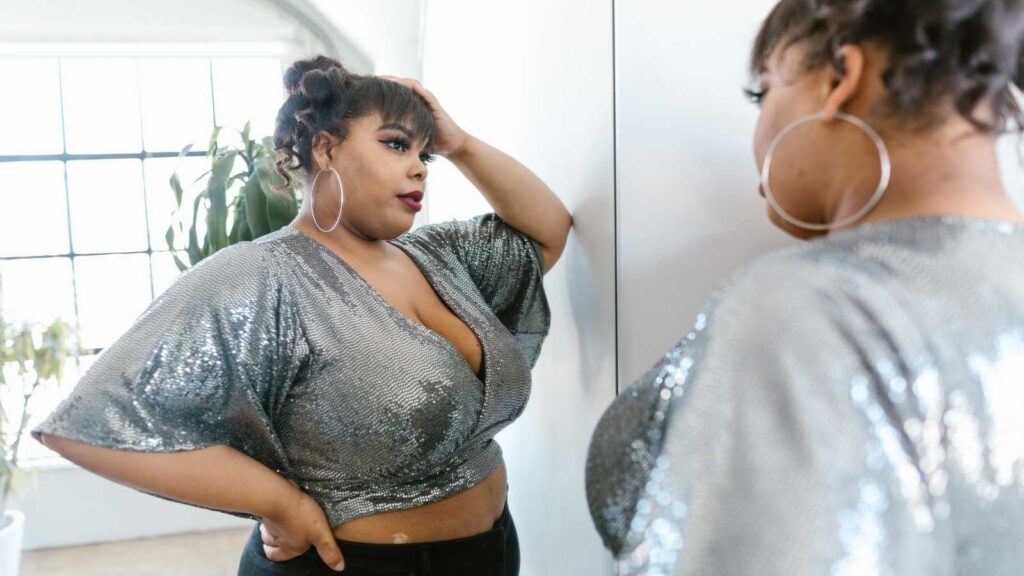
Crop tops have become a wardrobe staple across nearly every age group, yet plus-size women frequently say their choice to wear one attracts comments that thinner women rarely receive. Compliments framed around “confidence” or “bravery” may sound supportive, but many women argue they reinforce the idea that showing a larger body requires extraordinary courage.
Fashion editors increasingly note that crop tops are simply another garment, and their popularity across brands suggests they are no longer reserved for a particular body type. Many plus-size influencers emphasize that clothing should be judged by personal style and comfort rather than body size alone.
Body-Hugging Clothes Are Viewed Differently
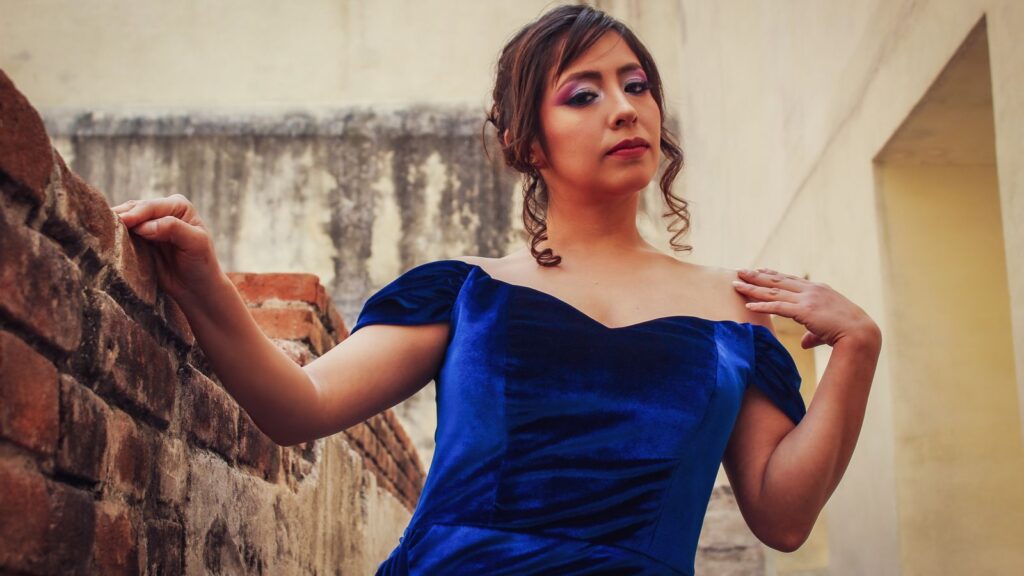
A fitted dress on one person may be described as elegant or fashionable, while the same silhouette on a plus-size woman is sometimes labeled “too tight” or “unflattering.” Stylists point out that properly fitted clothing is generally more polished than oversized garments that overwhelm the body’s proportions.
Fashion experts frequently recommend selecting garments that fit comfortably rather than automatically sizing up to satisfy outdated expectations. Many plus-size consumers say they simply want the freedom to wear tailored clothing without attracting disproportionate criticism.
Oversized Clothing Is Interpreted as “Trying to Hide”
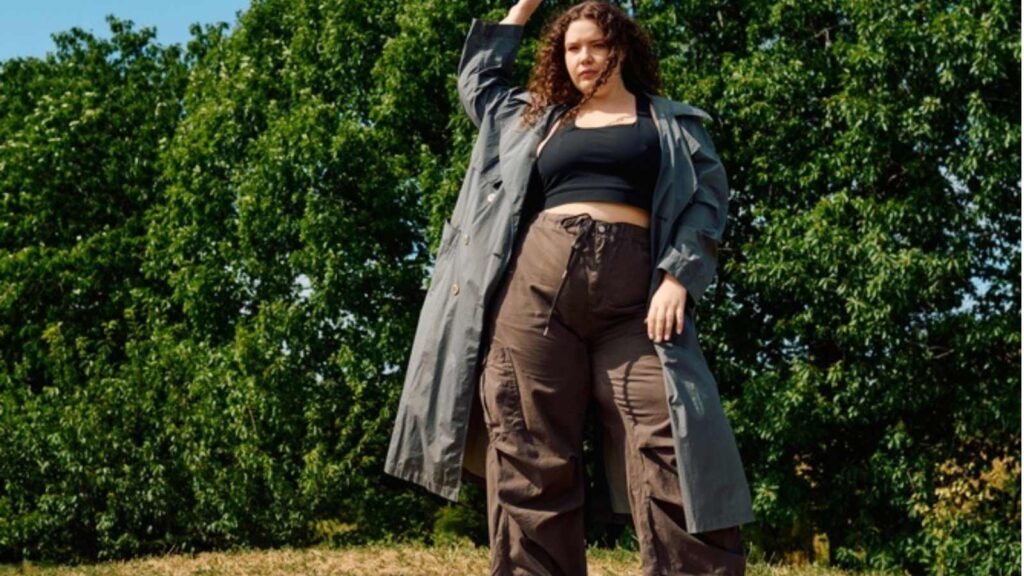
Ironically, plus-size women often describe receiving criticism regardless of which direction they choose. Loose clothing may prompt comments suggesting they are attempting to conceal their bodies, while fitted clothing invites separate criticism for drawing attention to them.
Professional stylists explain that oversized silhouettes have become a mainstream fashion trend embraced by people of all body sizes. Blazers, relaxed trousers, and loose button-down shirts regularly appear on runways because they create modern proportions, not because they hide the wearer.
Bright Colors Are Sometimes Discouraged
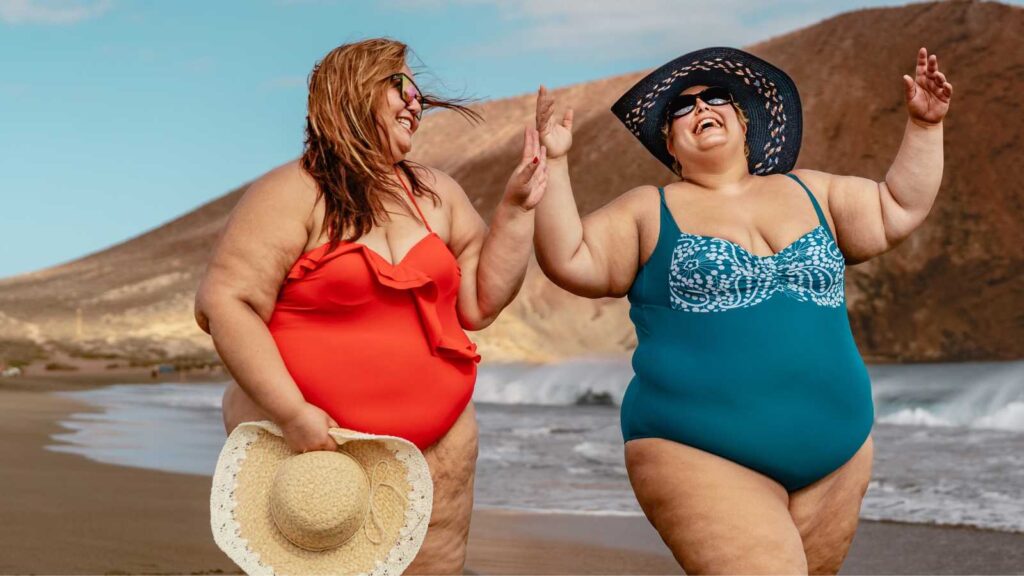
Many plus-size women say they were encouraged for years to stick with black because darker colors were considered “slimming.” Contemporary fashion largely rejects that advice. Designers consistently feature bold shades, saturated monochromes, and vibrant prints across extended-size collections.
Color theory focuses on harmony, contrast, and personal preference rather than body size. Rich cobalt blues, vivid reds, emerald greens, and sunny yellows can create striking outfits regardless of the number printed on a clothing label.
Trendy Pieces Are Considered “Off Limits”
Fashion trends often arrive in extended sizing months after standard-size collections if they arrive at all. Even when trendy garments become available, some plus-size women say they encounter opinions suggesting certain looks are reserved for thinner bodies.
Industry analysts continue to identify delayed size inclusivity as a major retail challenge despite growing consumer demand. Fashion professionals increasingly argue that trends succeed because they inspire creativity; making body size an unnecessary limitation on personal style.
Athletic Wear Faces More Scrutiny