Key Insights
- Attraction vs. Choice: Many plus-size women experience attraction that does not lead to genuine commitment.
- Cultural Bias: Society often marginalizes plus-size bodies, affecting their visibility in dating.
- Fetishization Concerns: Some men may fetishize plus-size women rather than genuinely valuing them as partners.
- Boundary Setting: Plus-size women are increasingly prioritizing their self-worth in dating scenarios.
Sometimes the hardest part of dating as a plus-size woman is not whether anyone finds you attractive, but realizing how often that attraction never turns into being fully chosen. This article started with a Reddit post from a plus-size woman who says she is tired of feeling “used” by men who are openly into her body but refuse to treat her as someone worthy of a real relationship.
She describes men who talk about how much they love “chubby women,” match with her on apps, and keep seeing her, yet shut down any conversation about commitment by insisting it is “just sex” and “nothing serious.” The comments under her post are full of women who have heard the same script in different ways and are exhausted by it.
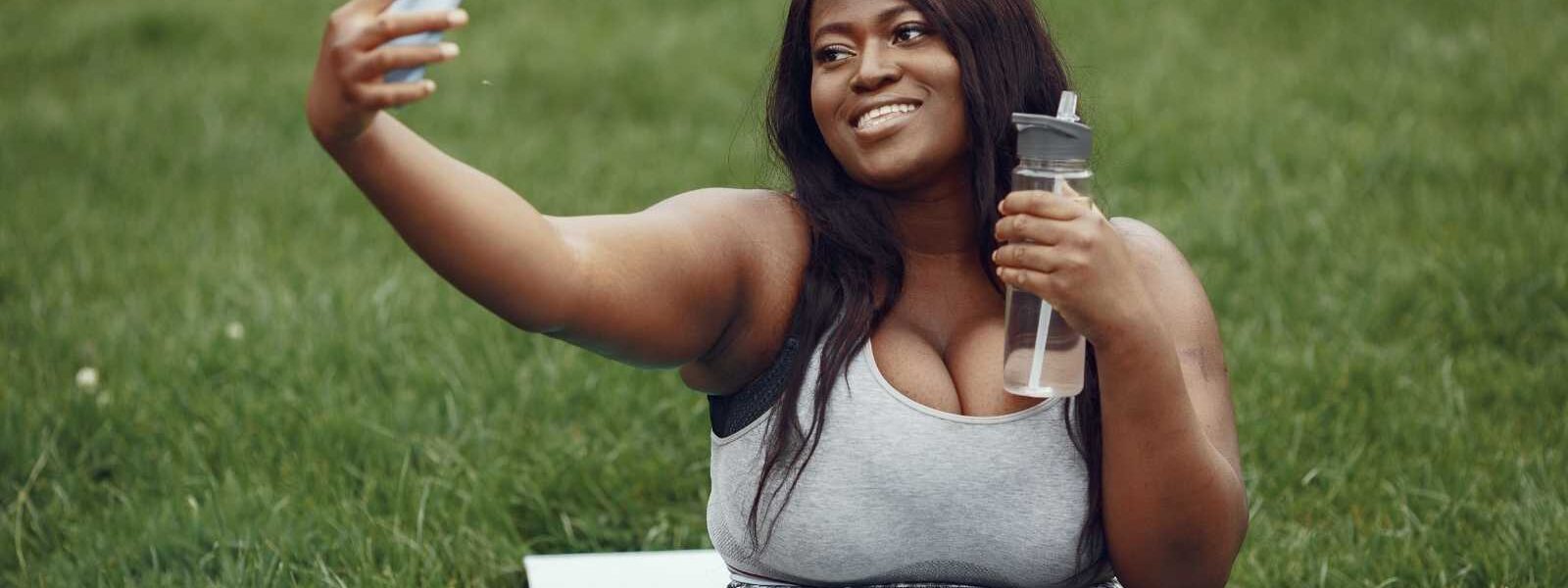
For many plus-size women, this is happening in a culture where their bodies are treated as exceptions even when they are not. Instead of being reflected honestly in media and dating conversations, they are often pushed to the margins, talked about in theory but rarely centered in practice.
Many describe dating lives split between being highly desired in private and quietly excluded in public. That mismatch, between how wanted they feel behind closed doors and how invisible they feel in the open, is the starting point for this article.
When Being “His Type” Still Does Not Mean Being His Choice
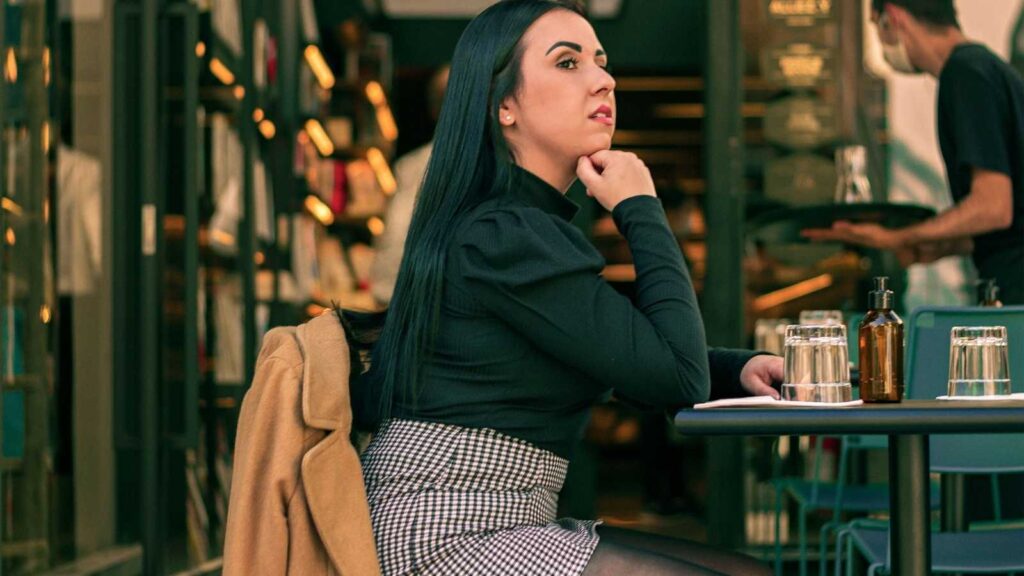
In the original Reddit post, the writer talks about a situationship with a man who openly preferred chubby women but insisted their connection was only casual. He was drawn to her, told her she was his type, and enjoyed her company, yet when she tried to talk about anything serious, he shut it down as “just sex” and kept her at arm’s length.
It is that gap between his desire and his decisions that leaves her questioning her worth, even though she knows intellectually that his issues do not reflect her value. Commenters echoed that confusion, sharing stories of men who seemed thrilled to match with them and compliment their looks, only to dodge labels, avoid introducing them to friends, or disappear once things started to feel real.
This mirrors broader findings about body size and dating bias, where surveys show that a significant share of women in larger bodies report being rejected or overlooked because of their weight, even when there is clear mutual attraction. Being “his type” does not always translate to being his choice, especially when social pressure around thinness and stigma about plus-size partners are still present.
The Line Between Attraction And Fetishization
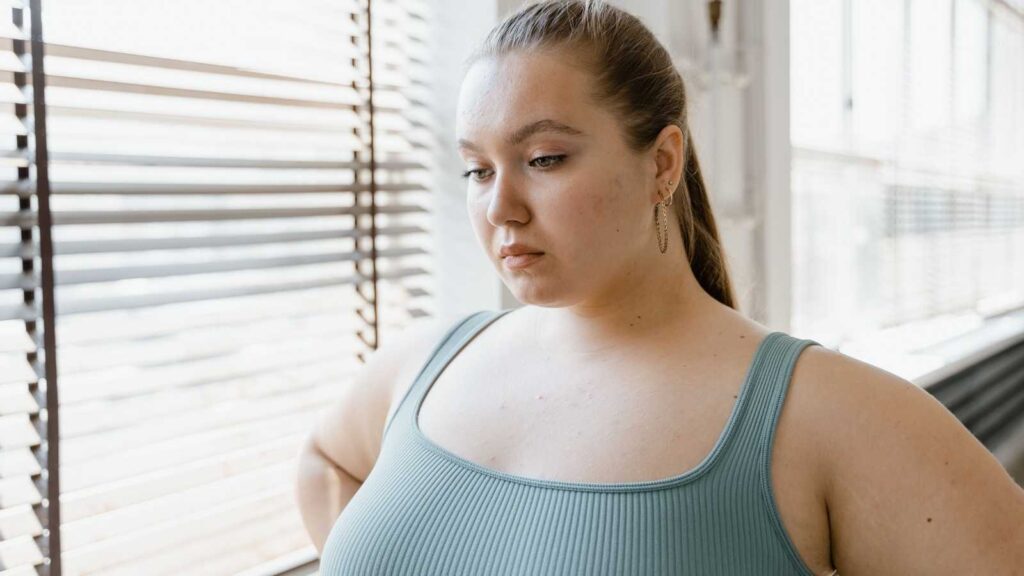
One of the most painful themes in the thread is the sense that some men do not simply find plus-size women attractive; they fetishize them. The original poster mentions men who claim to “adore” plus-size bodies but still behave in ways that make it clear they are not interested in anything serious. That dynamic leaves her feeling like an experience rather than a person, like her body is the point, but her humanity is negotiable.
A recent WooPlus discussion and user survey on the “fat fetish” issue found that roughly two‑thirds of plus‑size women felt the label implied size‑based discrimination, reducing them to their weight instead of recognizing them as whole people.
That finding puts numbers to what many plus‑size women already describe: when attraction is framed in extreme, secretive, or dehumanizing terms, it often crosses the line into fetishization. At that point, the connection becomes less about mutual respect and care and more about someone’s fixation on a body type.
The Fear Of Being Seen Together
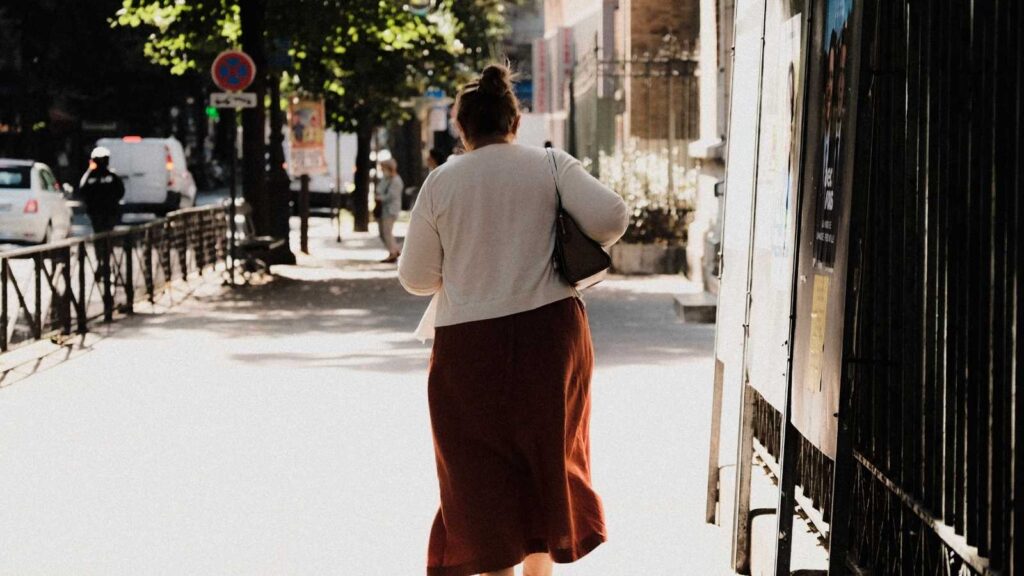
Several commenters talk about a specific, cutting pattern: men who enjoy plus-size women in private but avoid being visibly connected to them in public. Some describe partners who never post photos together, never invite them to group events, and seem nervous about being seen as a couple offline or online.
Others note that even when there is affection and consistency behind closed doors, there is a noticeable reluctance to bridge that into real-life visibility. Social media has only intensified this feeling. Research on dating and relationships in the digital age from Pew shows that 81% of social media users in relationships see posts about other people’s relationships, and many say what partners share online affects how secure they feel.
When plus-size women are kept off feeds or carefully hidden from view, it can feel less like privacy and more like a quiet refusal to be seen together, especially in a culture that constantly broadcasts couplehood as proof of value.
How Plus-Size Women Are Protecting Their Own Worth
Despite the frustration , the thread is not only about hurt . It is also about how plus-size women are starting to draw firmer boundaries . One top commenter encourages the original poster to focus on people whose behavior matches their words and to cut ties quickly with anyone who shows disrespect or makes her feel unsettled . She warns that seeking affection should never feel like begging and that as soon as you find yourself trying to persuade someone of your value , it is time to step back.
Other commenters share that they have chosen to avoid casual situations that leave them feeling like a secret or a “phase.” They talk about saying no to connections where they are not fully acknowledged , even if that means less dating activity in the short term .
That shift reflects a wider trend in online dating : a TransUnion survey found that 70% of online daters are concerned about scams , and more than two-thirds say profile verification makes them more likely to initiate contact .
In other words , many people , women especially , are now changing how they date to prioritize emotional and personal safety over sheer volume of matches . For plus-size women , those boundaries are not about being difficult . They are about refusing to participate in systems that reward others for treating their bodies as disposable .
Getting Older , Clearer , And Less Available For Nonsense

One of the more hopeful threads in the comments comes from women who are a bit older and have already lived through this pattern . A commenter in her mid-twenties notes that while she saw similar behavior from men when she was younger , time and experience made it easier to spot red flags early .
She shares that her first real long-term relationship did not happen until later and that many earlier connections never solidified despite long stretches of “talking.” She also pushes back on the idea that online dating is inherently bad , explaining that she met all of her serious partners online and even found her husband on a dating app .
For her , the key was learning to read people’s intentions quickly and to develop clear boundaries and non-negotiables. Her perspective reflects a broader reality of modern dating . According to Pew Research Center , 54% of women who had used dating apps in the previous year said they felt overwhelmed by the number of messages they received , a reminder that many women become more intentional about who they engage with as they gain experience .
Why This Conversation Matters For American Plus -Size Women
The original Reddit post and its comment section are part of a larger conversation many American plus-size women are having in private and online . It is about being desired in ways that do not translate into respect , commitment , or visibility . It is about noticing how often men’s social fears outweigh their actual attraction . And it is about refusing to let those fears decide whether you are worthy of being chosen fully.
Sizing data from Mys Tyler Insights , U.S. Edition shows that 54 .4% of American women are considered plus-size , wearing a size 14 or above, yet only 0 .8% of looks at New York Fashion Week AW24 were plus-size . That gap in representation is not just a fashion issue . It sets the backdrop for dating , too , reinforcing the idea that smaller bodies are the default “ideal” even though most women do not look like models on the runway.
Against that reality , stories about being wanted but not chosen are not niche complaints . They are evidence of how deeply body-size bias still shapes dating behavior . Naming these patterns out loud is one way plus-size women are pushing back , insisting that desire without respect is not enough and that being chosen openly matters as much as being wanted privately.
Disclaimer: This list is solely the author’s opinion based on research and publicly available information . It is not intended to be professional advice.
Like our content? Be sure to follow us