One post-apocalyptic horror book coming to the small screen is extremely timely, and it will certainly resonate with modern viewers. Many classic books that have never been adapted for the screen are finally getting TV shows and movies. This is particularly true in the sci-fi and post-apocalyptic genres. Surprisingly, many of them feel like they could have been written for today’s world.
Apple TV’s Neuromancer is highly anticipated both because of the story’s legacy and because its commentary on hyperconsumerism and technology remains pertinent. Netflix’s The Future Is Ours, based on Philip K. Dick’s The World Jones Made, will spread important messages about global warming and ecological collapse.
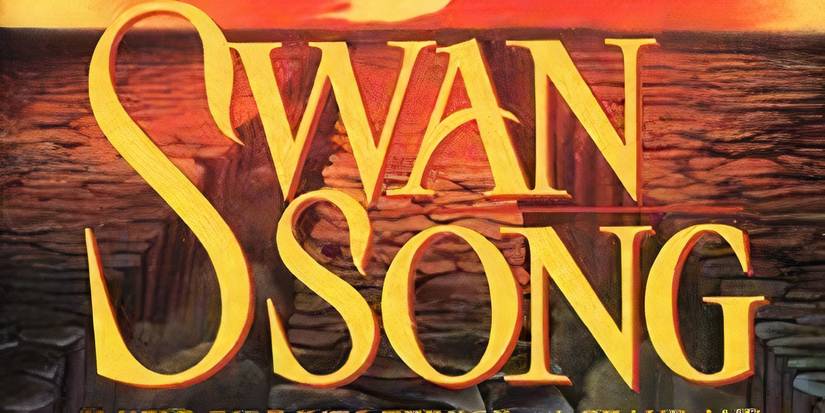
In the post-apocalyptic genre, Swan Song by Robert McCammon is coming to the big screen for the first time in 39 years. When Swan Song was published in 1987, the United States and the USSR were still experiencing the Cold War, which wouldn’t end until 1991.
The fear of nuclear war influenced media, including movies of the decade like The Day After and songs like “99 Luftballoons” by Nena. Nuclear “duck and cover” drills were rolling down nationally, but they were still taught regionally in schools. Unfortunately, Swan Song is more relevant than ever, making the TV adaptation of the story extremely timely.
Swan Song’s Fear Of Nuclear War Is Still Relevant 39 Years After The Book’s Publication
One would have expected a post-apocalyptic book from the Cold War to feel outdated, but the world hasn’t moved nearly as far forward as one would hope. The threat of nuclear war has reared its ugly head multiple times over the past few decades.
Multiple nuclear-possessing countries, including the United States and Russia, refused to sign the UN’s Treaty of the Prohibition of Nuclear Weapons. In 2018, the US withdrew from the deal limiting the Iranian nuclear weapons program. In 2019, the US withdrew from the Intermediate-Range Nuclear Forces Treaty.
Based on a 2025 poll of 1,148 US adults, 57% of Americans believe that a nuclear war will happen within the next decade, and 69% said a nuclear war would make the world a “more dangerous place” (via Politics Today).
This sample size may not seem large compared with the population of the United States, but it is actually larger than the Gallup Poll’s sample size. What’s more, it’s fair to say that global citizens outside of the United States might feel fear about the potential of nuclear war.
Ultimately, Swan Song will have a place in today’s media because the fear of nuclear war is still going on 39 years after the book’s publication. Society took steps forward and then back again.
Swan Song’s TV Show Can’t Change That The US Starts The Nuclear War
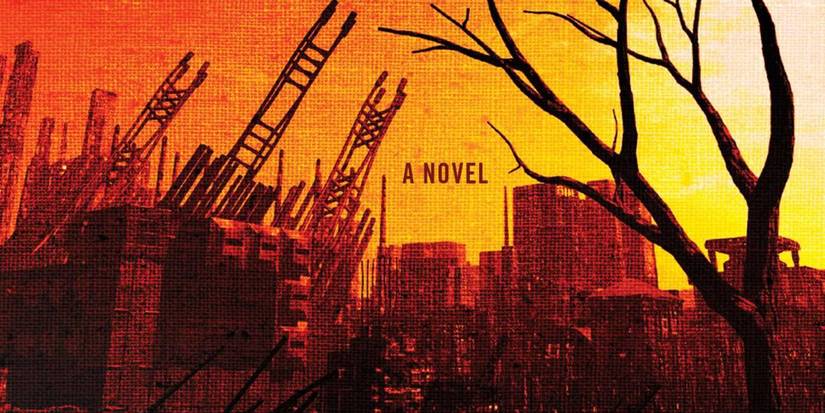
In Swan Song, the tensions between the United States and the Soviets are building in a game of nuclear chicken. However, the US is the first one to strike. Given the current political climate, it might be tempting to pander to nationalist viewers who would take issue with the US being painted in a negative light. It has been happening left and right in Hollywood.
The Savant was delayed against the wishes of Jessica Chastain. Although Apple TV did not provide a specific reason, publications like Variety quickly linked the delay to the assassination of Charlie Kirk and pressure from the Trump Administration. Similarly, Disney, Paramount, Amazon, Warner Bros Discovery, and PBS all rolled back DEI (via The Advocate). What’s more, GLAAD estimates 41% of LGBTQ+ characters from 2025 wouldn’t return in 2026.
Based on these trends and more, there is every reason to believe producers would make the US the victims in the nuclear war instead of the instigators. However, that would be a dire mistake. The change would water down much of Swan Song.
The main characters in the United States live in the nuclear hellscape caused by their own president’s impulsive decision aboard Air Force One. The survivors experience fear and despair as they just try to survive the destruction of society as they know it. This makes it all the more meaningful that Swan represents hope and fights for humanity.