Key Takeaways
- Anti-war cinema explores the futility of conflict through powerful storytelling.
- Films like The Thin Red Line and Platoon highlight the psychological and moral struggles of soldiers.
- Many anti-war films focus on the devastating impact of war on civilians, as seen in Grave of the Fireflies.
- Directors use unique storytelling techniques to convey the horrors and moral complexities of war.
Anti-war cinema is one of the most fascinating subgenres of the medium to examine. Several great directors are of the opinion that true anti-war films are something of an impossibility, as the mere depiction of the brutality of the battlefield conjures a sense of excitement and spectacle that is at odds with commenting on the horrors of war. However, there have still been plenty of pictures that have excelled at illustrating the futility and wastefulness of war.
Ranging from sickening presentations of the grueling nature of combat, the utter inhumanity and evil humanity is capable of, and even to deeply upsetting stories of civilian experiences during times of war, these emotionally shaking masterpieces showcase the power of anti-war cinema. They span across many decades and come from all corners of the world, which is in itself an apt symbol of how the scourge of war is a timeless issue that impacts all of humanity.
10
‘The Thin Red Line’ (1998)
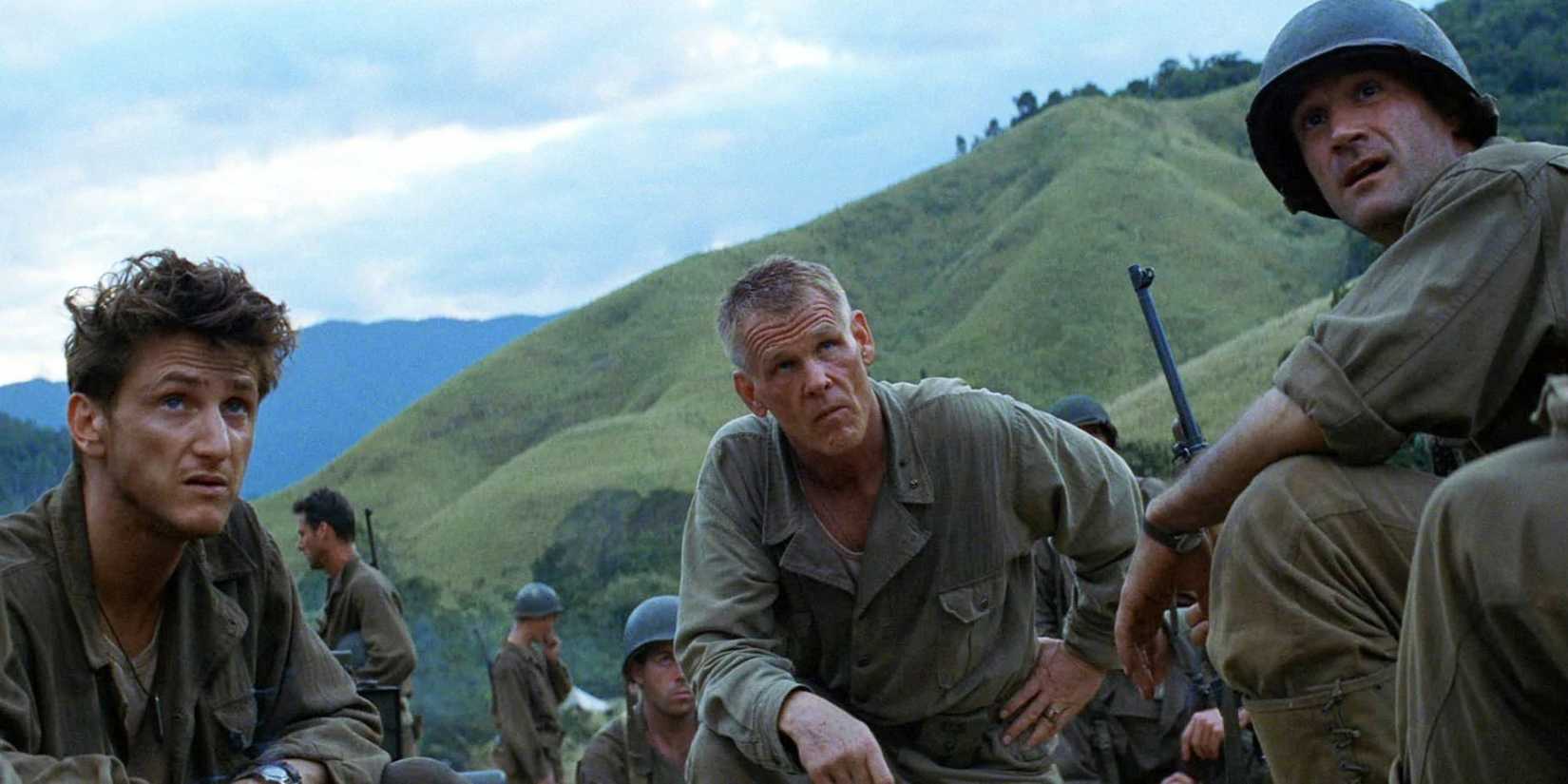
While it was overshadowed by the release of Saving Private Ryan in 1998, The Thin Red Line has come to be viewed by many as the greater anti-war picture over the years. Imbued with the wafting sensitivity and contemplative, psychological might Terrence Malick brings to all his films, it thrives as a richly thought-provoking exploration of the mental and emotional strain of war as well as the physical peril of the battlefield.
By opting to broaden its focus to a litany of characters in one company rather than a single major protagonist, The Thin Red Line emphasizes ideas of shared trauma and the destructive nature of war on the human soul. It is often poetic in its meditations, juxtaposing the chaos of the battlefield with peaceful imagery of natural beauty to inspire consideration of the impact of war and the unnatural decimation it wreaks upon the world. Also featuring extensive voiceovers that posit powerful questions of purpose, existence, and human unity, The Thin Red Line is striking with its boldness, endeavoring to be a philosophical think-piece as much as an epic illustration of war brutality.
9
‘Platoon’ (1986)
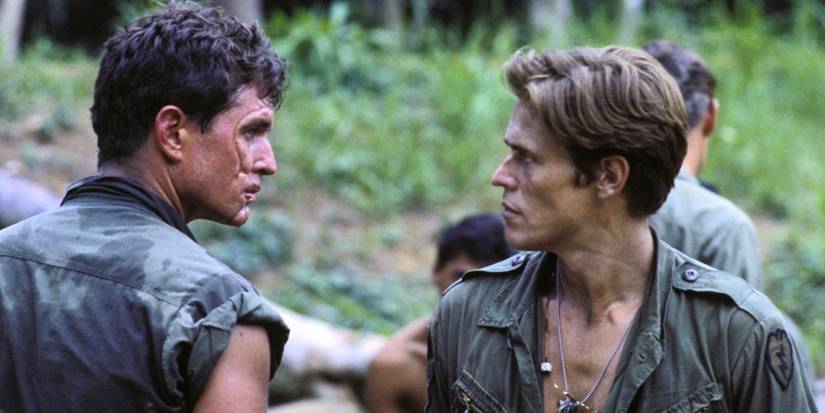
Bereft of glamorization or glory, <em>Platoon</em> is a haunting immersion into the sense of fear, confusion, and sheer survival of infantrymen in the midst of the Vietnam War. It marks the first American film to be directed by an actual veteran of the war, and Oliver Stone’s commanding sense of authenticity shuns the adoring tropes of the genre in favor of raw reality, illuminating the moral cost of war with chaotic sequences of battle, simmering character dynamics of rivalry and spiteful hostility, and even confronting depictions of American soldiers carrying out inhuman acts against innocent civilians.
A strength that Platoon has over many other anti-war films is its introspective honesty. It doesn’t resort to making every character either a tattered victim of war or an evil byproduct of it but instead emphasizes the rigorous moral and psychological journey all soldiers embark on, while fighting as a horror in itself. Stone is remarkably precise in his ability to balance human depravity with glimpses of moral surety, and making that opposition a major source of conflict between allies is a masterstroke that highlights the film’s grueling realism and deprives it of any notion of glorious commemoration.
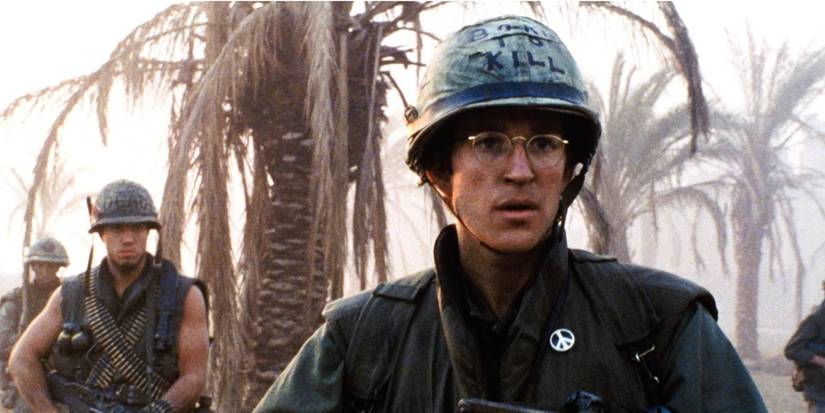
Stanley Kubrick is one of cinema’s great observers, a director whose movies aren’t just technical masterpieces and arresting stories but are often scathing critiques of human nature as well. Full Metal Jacket is a magnificent example. Split into two halves, this Vietnam War film examines the dehumanizing regime of military training and the violent chaos of war, through Pvt. Joker’s (Matthew Modine) confronting journey as an enlisted man.
The combat displayed throughout this movie resists being some sweeping procession on compelling grandiose scale but finds its impact in its gritty intensity that highlights meaningless deaths that make up any war’s casualty figures. Complemented by a stunning final scene, which presents both lingering innocence and callous inhumanity ,Full Metal Jacket is as cold and hostile an anti-war film as has ever been made.
7
‘Apocalypse Now’ (1979)
Francis Ford Coppola’s run in the 1970s is stuff cinematic legend. After making first twoThe Godfather moviesandThe Conversation in early part decade rounded out releaseApocalypse Now1979. Its brilliance resides its unique illustration horrors war with Coppola opting focus psychological torment conflict with sense hallucinatory terror absorbing atmosphere hysterics festering madness realizes scope Vietnam War while making feel hellish otherworldly.
The genius Apocalypse Now how uses absurdity tool explore moral decay combat Features like surfing soldiers during air raid or Playboy bunny show middle jungle aren’t just moments eccentricity they’re piercing observations amorality trying maintain some sense normality midst devastating war. Strong>Marlon Brando’s villainous Colonel Kurtz mesmerizing encapsulation this functioning both maddening end result psychological toll battle air individualism military seeks vilify eradicate.
6
‘Das Boot’ (1981)
Coming from Germany,Das Bootis outstanding example anti-war cinema uses relatable characters unfathomable intensity life submarine convey sheer pointlessness war emotionally flattening excellence Following crew U boat latter stages WWII purposefully bereft any notions patriotism glory Likewise iterodes genre’s penchant moralism stripping it heroes vs evil narrative sometimes flaunts favor gripping story desperate young men want only rid war back home their families.
Bolstered byviscerally claustrophobic viewing experience Wolfgang Petersen conjures confined set design—accurate recreation interiors real U boats—tight cinematography,Das Boot immerses audience frightful confines festering filth submarine Every encounter enemy could mean certain death but so too can every creaking bolt every groan ship makes plummets deep ocean Itone most psychologically strenuous portrayals war ever seen masterpiece relentless tension compounding pressure ends bitter important note suggesting no glory war little honor dying your country.
5
‘Paths Of Glory’ (1957)
Another Stanley Kubrick classic excels bringing amorality inhumanity military light,Paths Of Gloryoffers venomously frustrating exploration bureaucratic process political aspirations armed forces.Set during First World Warunfolds aftermath futile effort French recapture strategic stronghold Germans Three men each companies involved failed assault selected stand trial cowardice leaving Col Dax (Kirk Douglas) represent them court face possibility death sentence.
Every aspect movie designed highlight farce trial hopelessness Dax experiences one idealist striving defy higher-ups army Ita scorching indictment corrupting connection military prestige political status how treacherous marriage power influence reputation corrode personal values lead terrible injustices.
4
‘The Human Condition’ Trilogy (1959–1961)
A true epic international cinema stands one most underrated trilogies ever made well outright best,The Human Conditionis torrid tale wartime morality touches dismantling idealism humanity Acrosstrilogy’s gargantuan nine-and-a-half-hour runtime tracks journey Japanese conscientious objector throughout WWII following initial reluctance fight kindness shows enemy POWs conscription time fighting Pacific experiences Soviet POW camp near end war.
The trilogy’s expansive length enables delving deep wartime psychology positing howqualities individualism compassion systematically broken down bureaucratic cruelty military environments designed turn men machines Complemented awe-inspiring scope showcases full breadth Japan’s involvement war well piercing lead performanceTatsuya NakadaiYoshio Miyajima stunning cinematography,The Human Conditiontransfixing dissection corrupting wrath war cautions against destruction humanity hands political societal systems.
3
‘All Quiet on The Western Front’ (1930)
Despite being almost one hundred years old,All Quiet on The Western Front(1930) presents greatest anti-war picture America has ever produced Based onErich Maria Remarque’s semi-autobiographical novel name it ferocious story while based experiences German soldiers WWI has proven painfully universal bitterly timeless follows group teenagers seduced promise glory heroism enlist fight harsh reality they face when arrive Western Front far from what imagined.
Just tale boyish innocence pulverized brutality trench warfare condemns propaganda used persuade young men fight their countries meaningless wars Stripping away nationalist idealism notions valor adoration depicts war never-ending meat grinder human loss one has cost tens millions people their lives forever scarred those fortunate enough return home addition being one all-time great war films also endures innovative masterpiece cinematic storytelling depiction battle masterful use sound.
2
‘Grave Of The Fireflies’ (1988)
[nospin]Here you can find original article photos used our article also come from this source. We are not their authors they have been used solely for informational purposes proper attribution their original source.[nospin]