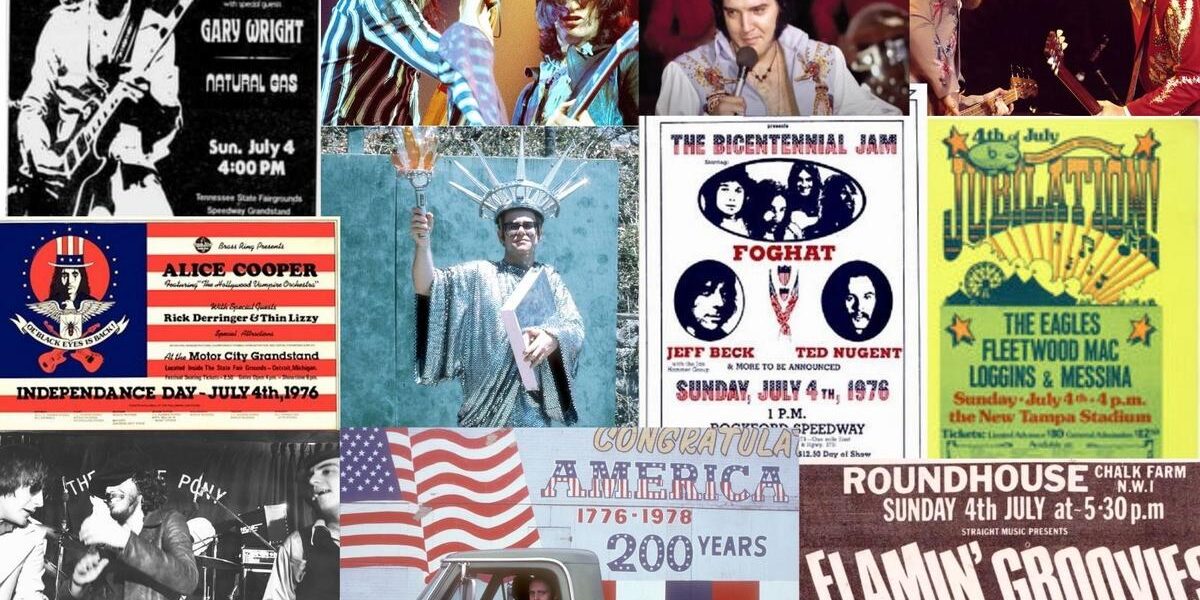
You only turn 200 once. In 1976, the United States geared up for a series of boisterous bicentennial celebrations ranging from parades to fireworks to commemorative exhibitions to, of course, concerts. On July 4, the official anniversary of the adoption of the Declaration of Independence, bands across the country — some not even Americans themselves — hit the stage to salute the milestone.
Elvis Presley
Elvis Presley, the “King of Rock and Roll” himself, performed for a special bicentennial-billed performance in Tulsa, Oklahoma. Roughly a year prior to his final live performance and death in 1977, the singer swung through several of his own hits like “Hound Dog” and “Jailhouse Rock,” as well as a slew of covers such as Ray Charles’ “I’ve Got A Woman,” Gordon Lightfoot’s “Early Morning Rain,” and Olivia Newton-John’s “If You Love Me (Let Me Know).” The performance was recorded and released as a live album.
Elton John
Even the Brits got into the patriotic spirit. Elton John, then on his Louder Than Concorde but Not Quite as Pretty tour, appeared in front of thousands in Foxboro, Mass., donning a bedazzled Lady Liberty outfit. “Elton ripped off his crown, then his robe to reveal his blue t-shirt, red, white and blue satin basketball shorts in American flag motif,” recalled one attendee, “he jumped off the top of the piano and started rockin’ with the band!”
Bruce Springsteen
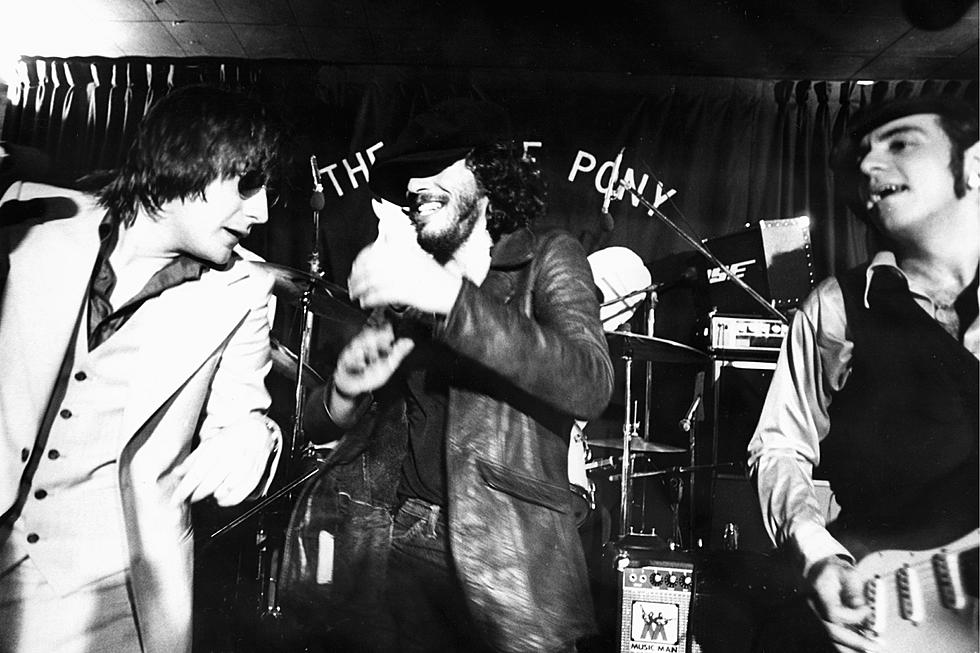
Others kept things a bit more subdued. Bruce Springsteen and his E Street Band played an impromptu club show at the Stone Pony in Asbury Park, New Jersey, the local rock club that had helped launch his career. The setlist included a cover of Stax singer Eddie Floyd’s “Knock on Wood,” which Springsteen launched into alongside fellow New Jerseyan, Southside Johnny.
Eagles, Fleetwood Mac, Loggins & Messina, Dan Fogelberg
Fans across the country were also treated to some one-of-a-kind collaborative concerts. The Eagles, Fleetwood Mac, Loggins & Messina and Dan Fogelberg performed for a crowd of 37,000 in Tampa, Florida. The show was headlined by Eagles, who had released their massively successful Greatest Hits album earlier in the year.

Head East, Rick Derringer, Mahogany Rush, Ted Nugent, Foghat
Further north, fans packed the Rockford Speedway in Loves Park, Illinois for a revved-up show from Head East, Rick Derringer, Mahogany Rush, Ted Nugent and Foghat. “Since we all know this is your birthday today, we’re gonna play your birthday song,” Mahogany Rush’s Canadian frontman Frank Marino told the crowd just before launching into a rock rendition of “The Star Spangled Banner.” Contrary to the poster below, Jeff Beck did not appear at this show but elsewhere instead.

ZZ Top, Lynyrd Skynyrd, Blue Oyster Cult, the Outlaws, Point Blank
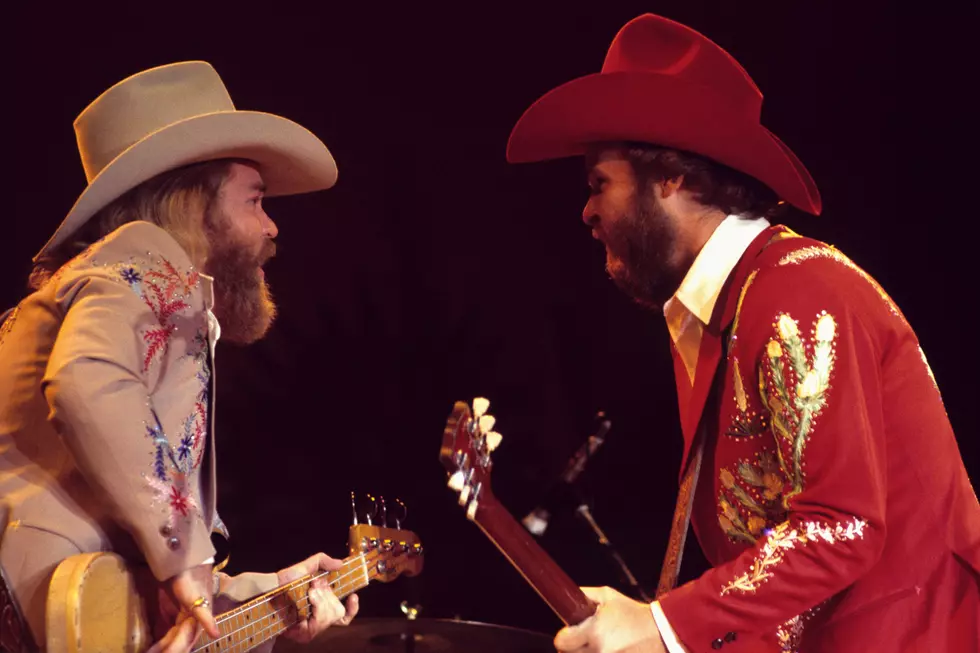
Southern rock was on full display in Memphis, Tennessee as ZZ Top and Lynyrd Skynyrd took the stage (along with Blue Oyster Cult, the Outlaws and Point Blank.) ZZ Top’s portion in particular left a lasting impression on fans — the band, then traveling on their Worldwide Texas tour included actual livestock on stage. “The Worldwide Texas tour was a huge tour; I mean it was elaborate even for the time and it was extremely expensive,” Billy Gibbons remembered. “We weren’t big enough to do that and everybody told us but we did it.”
Peter Frampton, Gary Wright, Natural Gas
Down the road at the Tennessee State Fairgrounds in Nashville, Peter Frampton (who was later motivated by the September 11 attacks to become a U.S. citizen himself), fresh off the monumental success of 1976’s Frampton Comes Alive!, was holding his own Fourth of July bash with supporting acts Gary Wright and Natural Gas.

Aerosmith, Bob Seger and the Silver Bullet Band, Jeff Beck, Black Oak Arkansas
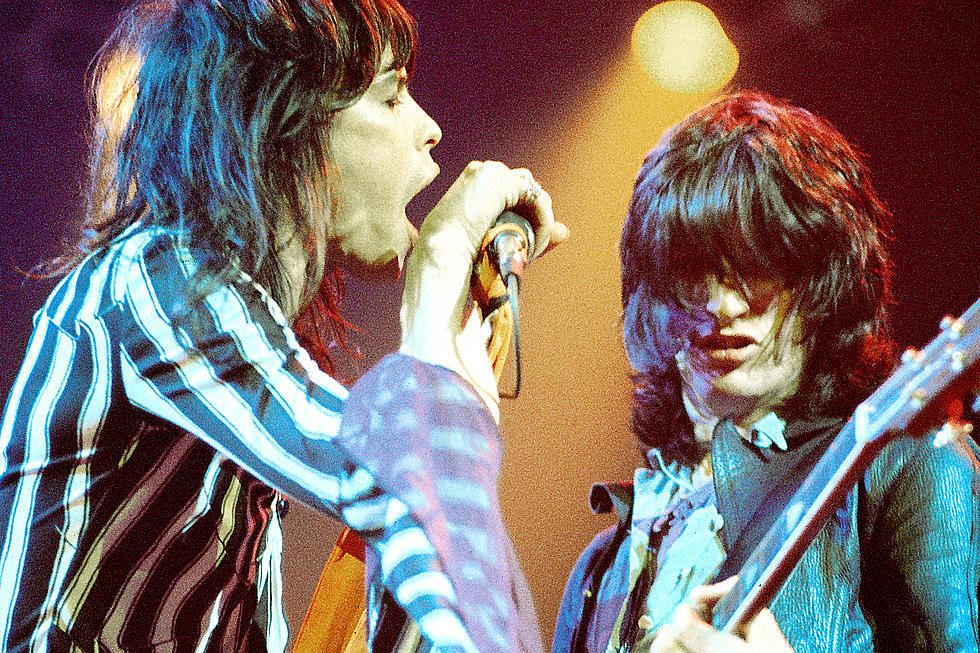
Aerosmith headlined in Winston, North Carolina taking the stage after multiple opening acts including Bob Seger and the Silver Bullet Band, Jeff Beck and Black Oak Arkansas.
Talking Heads
In addition to rock and roll, punk and new wave also continued their steady rise. Talking Heads played a show at New York City’s beloved CBGB. At the time, the band was busy prepping to record their debut studio album,Talking Heads:77.
The Ramones
The Ramones took the party overseas for a supremely successful gig at the Roundhouse in London. (They followed another American act, the Flamin’ Groovies from San Francisco.) The next evening, July 5th ,the band met their British counterparts: The Clash and The Sex Pistols. “They said the U.K. was interested and we’d grown up with all our favorite bands coming from the U.K.,” drummer Tommy Ramone told Uncut, “so we were very excited and we thought it might give us our break.”
Alice Cooper
Of course where there was success there were also accounts of patriotic plans that didn’t go quite as anticipated. Alice Cooper had recently released his second solo album Goes To Hell, but the subsequent tour which was to include a stop at Detroit State Fairgrounds with guests Rick Derringer and Thin Lizzy was cancelled when Cooper fell ill with anemia.

Willie Nelson
Willie Nelson was ready to host his fourth annual Fourth of July Picnic but the three-day event was cut short on July 5 when the PA system shorted out due to rain. More trouble followed: One picnic attendee drowned; four were stabbed; and 140 arrests were made leading to significantly tighter security at the festival in following years.
Steve Miller, J. Geils Band , ELO , Heart and More
Just about two months after the official bicentennial date came the Nelson Ledges Freedom Festival held on Labor Day of 1976 in Ohio. That show featured an eclectic lineup of Steve Miller Band , ELO , J. Geils Band , Heart , and others. Nine dollar tickets rain or shine.

Non-Musical Bicentennial Celebrations
Outside of rock ,the United States Olympics committee made bids for both summer and winter 1976 Olympic Games in acknowledgment of bicentennial though neither came to fruition . Los Angeles lost summer to Montreal Canada while Denver initially won winter bid but financial concerns led Colorado voters to reject funding and games were instead held in Innsbruck Austria . Meanwhile in extraterrestrial news NASA planned for spacecraft Viking 1 to land on Mars on July 4 but rocky landing site pushed expedition back several weeks .
“The American adventure is a continuing process,” President Gerald Ford who would be succeeded by Jimmy Carter a few months later said in speech outside Independence Hall in Philadelphia on July 4 1976 . He had left Washington D.C in good hands : Johnny Cash served as Grand Marshall of official bicentennial parade for crowd of 500000 . “As one milestone is passed another is sighted . As we achieve one goal — a longer lifespan a literate population leadership in world affairs — we raise our sights.”
Top 100 Classic Rock Artists
Click through to find out how they stack up as we count down Top 100 classic rock artists .
Gallery Credit: UCR Staff