
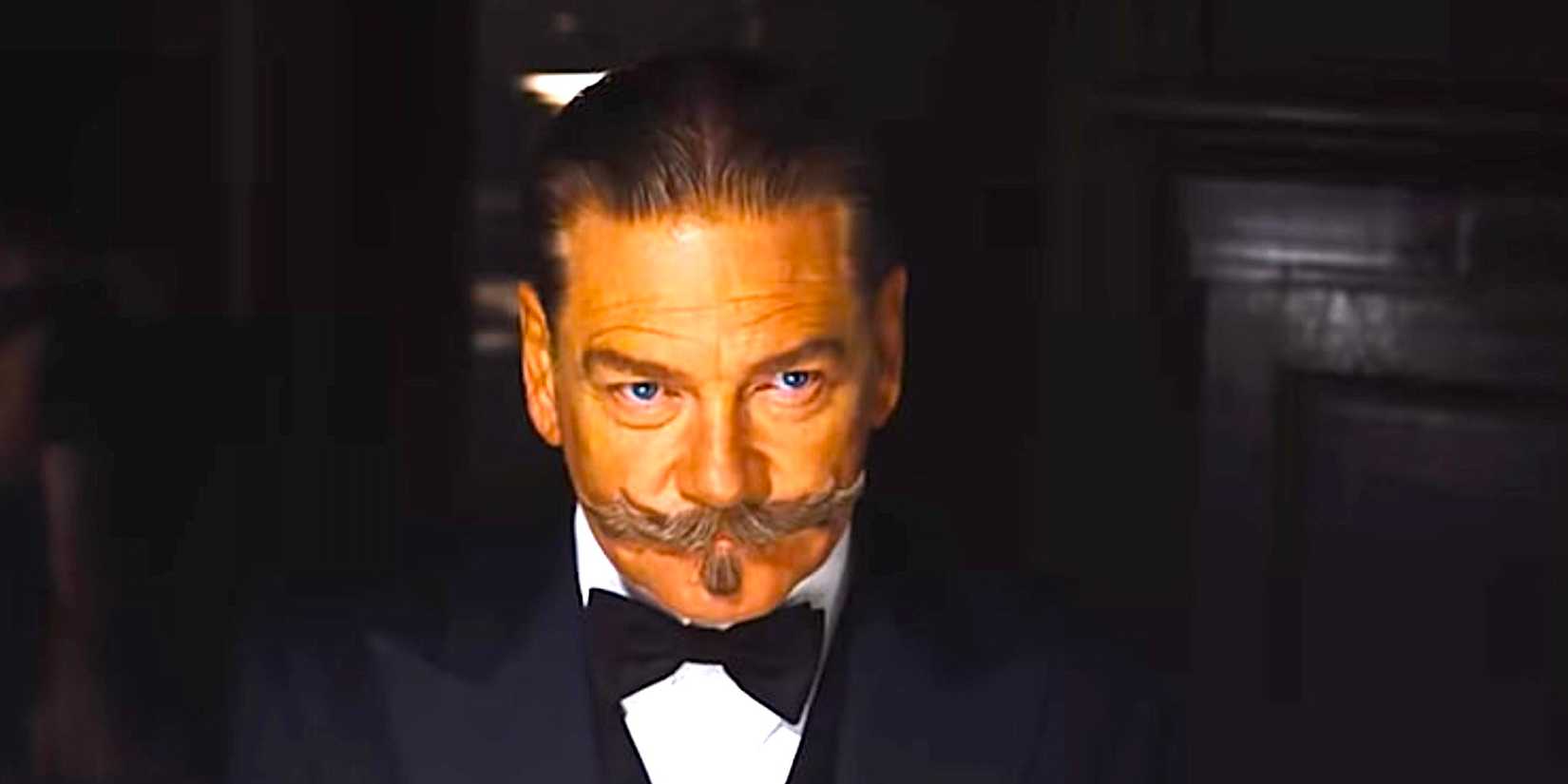
While Kenneth Branagh’s Hercule Poirot movies might be a lot of fun, they never recaptured the darker edge of some Agatha Christie novels as well as one earlier miniseries starring Sam Neill. Most cozy crime movies and shows advertise their creative debt to Agatha Christie, and, indeed, the Poirot novels and Miss Marple books can be a lot of fun. However, it is worth noting that this isn’t the entire story of the author’s oeuvre. A lot of Christie’s writing is surprisingly dark, misanthropic, and brutal, with twists that betray a pretty dim view of human nature.
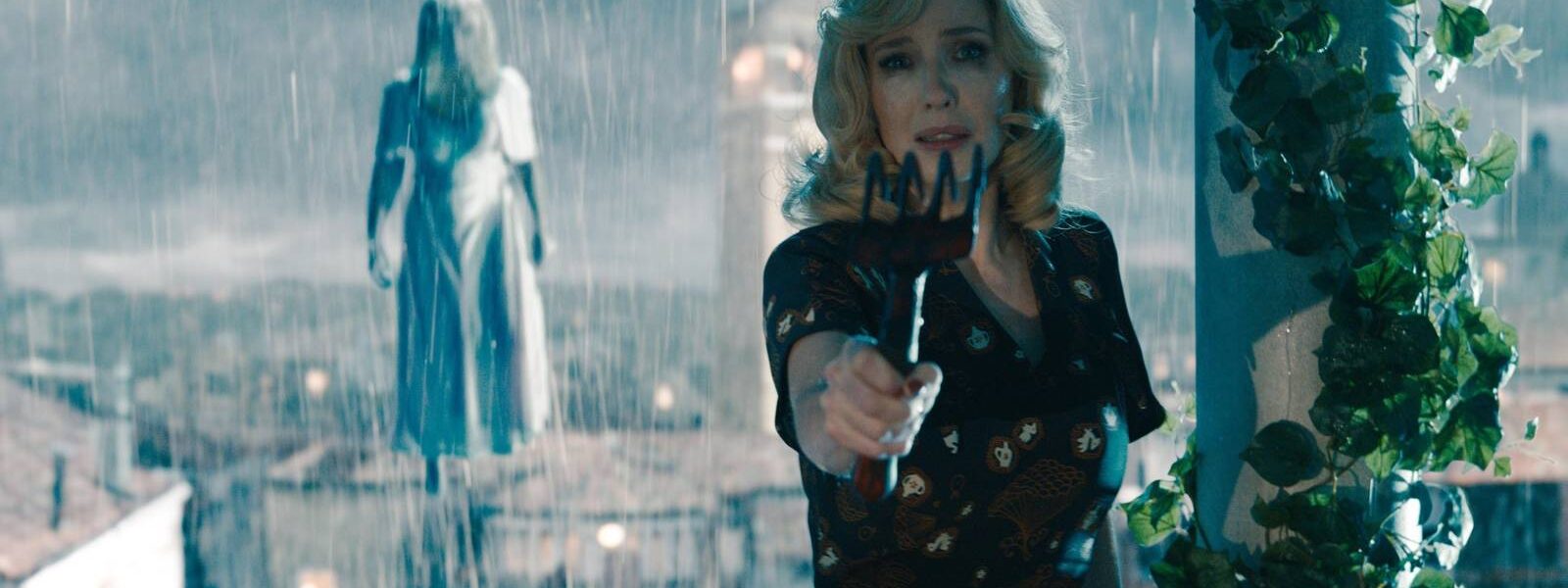
For every book like the charming Tommy and Tuppence mysteries, wherein a well-matched husband and wife solve crimes together, there are novels like the late-period Poirot book Hallowe’en Party. This book’s plot is so downbeat and devoid of likable characters worth rooting for that Kenneth Branagh’s movie adaptation A Haunting in Venice effectively changed everything about the story, borrowing only a handful of minor details after altering the setting, the plot, and the killer reveal.
Similarly, 2015’s BBC miniseries And Then They Were None adapted the 1939 novel of the same name and didn’t skimp on the darkness, finally offering viewers a screen version of the story that shared the source book’s glib nihilism. There were four earlier English-language movies adapting the novel, as well as a Family Guy episode that parodied the novel, but this Sam Neill vehicle was the first to truly embody the surprisingly grim tone of the book.
And Then They Were None Is Darker Than Kenneth Branagh’s Poirot Movies
Set in the fictional English setting of Soldier Island, And Then They Were None opens with eight people who don’t know each other arriving at a remote lavish mansion where their host is nowhere to be found. After a meal served by the mansion’s caretakers, an eerie gramophone recording accuses each of the island’s inhabitants of murder, and a string of killings picks them off one by one as they attempt to unmask their tormentor or devise an escape plan.
If it seems like this rundown is missing something present in most Agatha Christie adaptations, that’s because it is. And Then They Were None remains Christie’s bestselling book ever, but it was also the one that she singled out as the hardest to write since there is no heroic detective character, amateur or professional, to solve the killings. The characters are left to fumble in the dark, resulting in a much higher body count than the usual Christie adaptation.
Even Sam Neill’s And Then They Were None Isn’t The Darkest Agatha Christie Adaptation
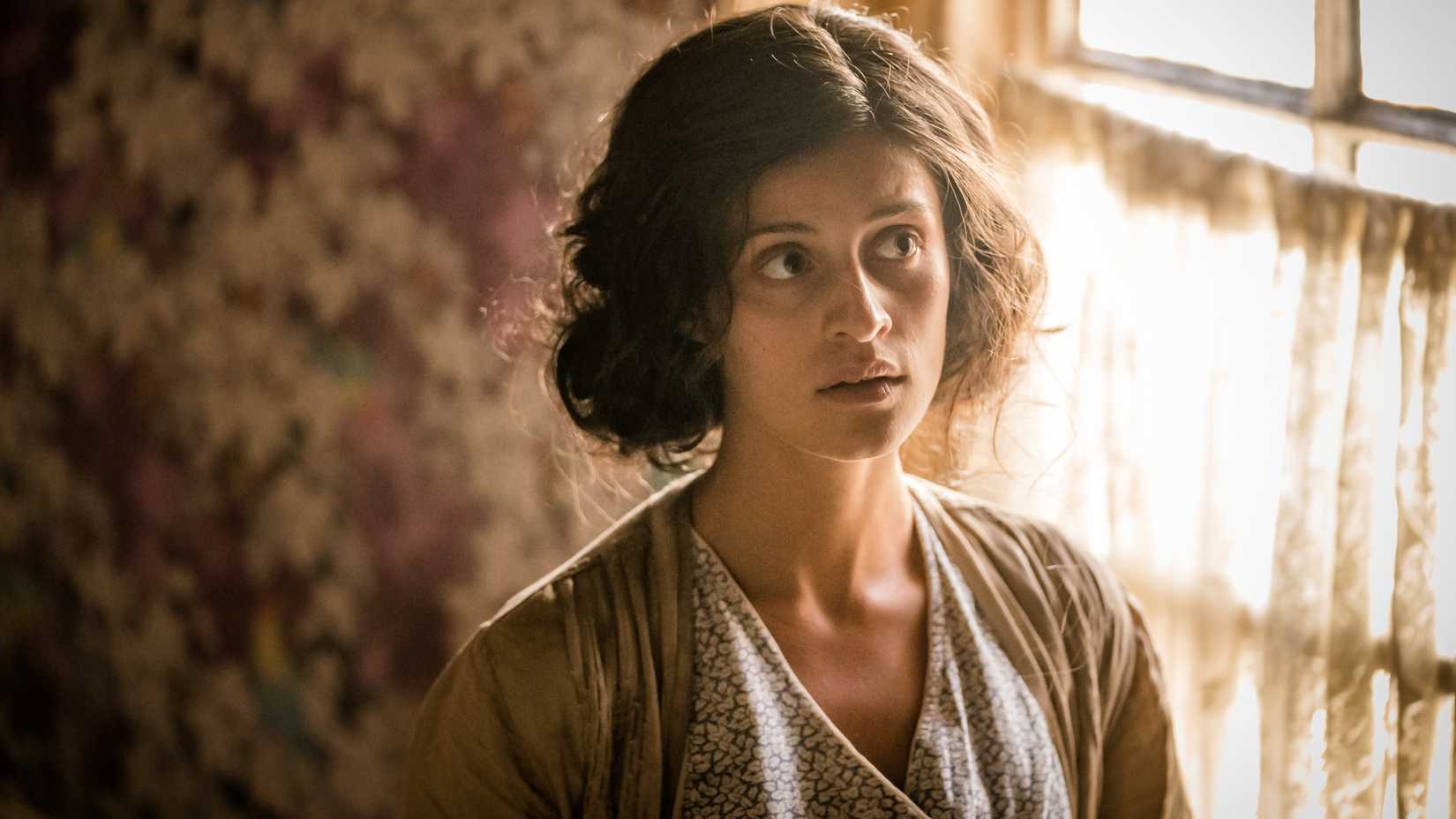
Named as a big influence on classic horror movies like Bay of Blood and 1980’s original Friday the 13th, And Then They Were None is a dark, grim book, and its 2015 adaptation does justice to its uncompromising tone. The show feels more like Mindhunter or a similar psychological thriller than a cozy Sunday afternoon murder mystery, and even a starry cast that includes Sam Neill, Charles Dance, Toby Stephens, Burn Gorman, Douglas Booth, and Sam Neill can’t lift the dour mood that pervades the series. However, that doesn’t mean it is the darkest Christie adaptation to date.
2018’s The ABC Murders, adapted from the 1936 Poirot novel of the same name, is as dark and downbeat as they come. Like And Then They Were None, this BBC production boasts a starry cast including John Malkovich as Poirot and Rupert Grint, and the show also shares its screenwriter, Sarah Phelps, with the 2015 hit. However, the uber-bleak approach to this adaptation wasn’t quite as effective.
Like And Then They Were None, The ABC Murders feels as gritty and dark as the Stephen King psychological thriller Mr. Mercedes, eschewing the playful camp of earlier Christie adaptations. However, Poirot is an inherently light-hearted, silly character, so the show’s tone jars badly with his larger-than-life characterization. Thus, <em>And Then They Were None</em>‘s darker Agatha Christie story is far more effective.