Key Takeaways
- British music resurgence: The past 18 months have seen a significant revival in British and Irish music, marked by new talent and chart success.
- Record revenue: In 2025, U.K. artists generated over £860 million from Spotify, indicating a strong international demand for their music.
- Emerging artists: Artists like Lola Young and Olivia Dean exemplify the successful development of talent through platforms like the BRIT School.
- Streaming economics: Understanding how streaming royalties are distributed is crucial for artists navigating the music industry.
You can’t have failed to notice that these are high times for British and Irish music. After a rocky period marked by industry uncertainty and a relative lull in global breakthroughs, the past 18 months have seen a new wave of talent firmly restore the region’s chart and cultural clout.
The numbers tell part of the story. In December 2025, the BPI reported that the U.K. recorded music sector surged both domestically and internationally last year, powered by breakout stars including Lola Young, whose viral smash “Messy” became the year’s biggest British single. Olivia Dean, meanwhile, cemented her transatlantic rise by becoming a Billboard Hot 100 darling, with top 10 entries for “Man I Need” (No. 2) and “So Easy (To Fall In Love)” (No. 5).
Related

Elsewhere, Mercury Prize nominee CMAT has continued her ascent, while Sienna Spiro, Skye Newman and Scouse rapper EsDeeKid have forged their own unique paths into the mainstream. The momentum has lifted sterling albums from established stars, too: Charli xcx’s Brat and Sam Fender’s People Watching both notched platinum-selling status in the U.K. There is, unmistakably, a renewed sense of possibility in the air.
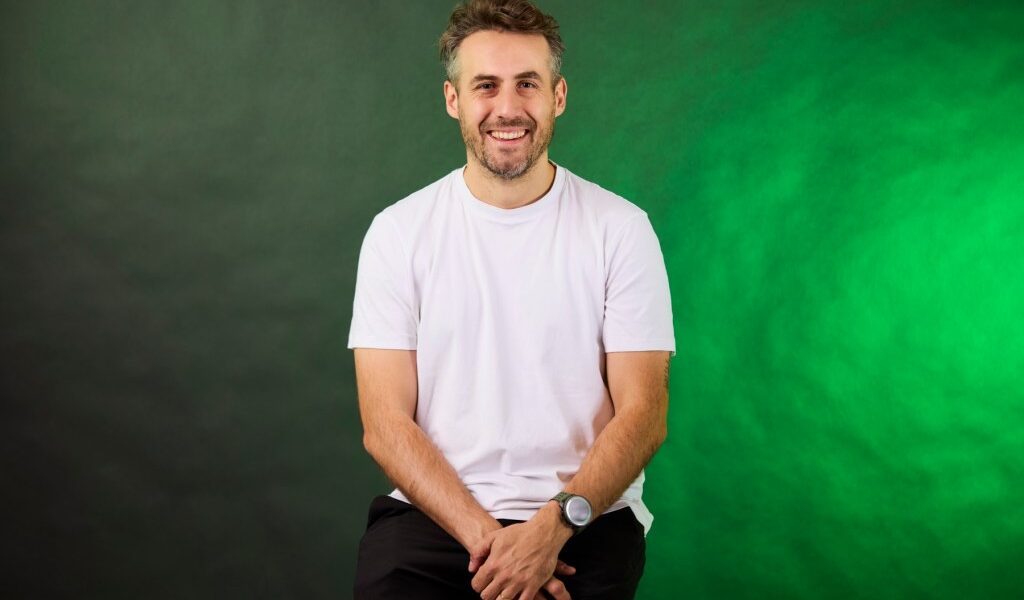
For Andy Sloan-Vincent, who recently stepped into his new role as managing director at Spotify (U.K., Ireland, and Netherlands) after 11 years at the streaming platform, this resurgence has been “the culmination of a long-term strategy from a lot of labels developing artists.” The region, he argues, has always possessed the foundations required to develop world-class artists, pointing to how Young and Dean are success stories of the free-to-attend BRIT School in Croydon, south London.
“The U.K. has always been a hotbed for nurturing talent,” he tells Billboard U.K. over video call. “We have places like the BRIT School that form part of our cultural identity; we have TV moments throughout the year where artists are put at the forefront. We’ve always been a musical nation.”
According to the most recent Loud and Clear report, which shares data behind Spotify’s royalty payments, U.K. artists generated over £860 million ($1.138 billion) in revenue from the streaming platform in 2025, representing a 6% increase year-on-year. In 2026, 75% of all royalties generated by British artists on Spotify came from listeners outside the U.K., with recorded growth in key markets including Germany, Australia, Brazil and Mexico, while the U.S. remains the region’s biggest export partner.
From Sloan-Vincent’s position, those figures represent not just a U.K. music ecosystem that “has reached a level of maturity and confidence,” but Spotify’s role in amplifying that reach. As he looks towards his first year in the new role, the London-based executive — who featured on Billboard‘s 2026 U.K. Power Players list — is focused on how the platform can further support artists at every stage of their careers, pointing to upcoming initiatives such as Reserved, Spotify’s new fan-focused ticketing offering, as evidence of that ambition.
“We want to keep growing and become bigger, but we’re also a mature and profitable business,” Sloan-Vincent explains. “We want to continue building on that success while growing into the next chapter.”
Related

2025 was a breakthrough year for British artists — such as Olivia Dean, Lola Young, and Sam Fender — globally. What have you seen in Spotify’s data that has perhaps helped to explain that resurgence?
The U.K. has always been a strong export business. We’ve always been quite powerful in that regard and a kind of cultural leader. Last year was perhaps the culmination of a long-term strategy from many labels developing artists. The artists you reference have been signed for five to ten-plus years; then we’ve hit this world at Spotify where we’re paying out £860 million [in streaming royalties] in the U.K..
Those two things map neatly together since the industry has now reached a level of maturity and confidence where we’re really breaking artists through again. You can see with the industry itself fishing for British artists from labels all over the world; it’s confidence in British music that’s coming through.
To what extent do you believe this huge new level of success for U.K. artists is being driven by international audiences?
The U.K. has had great export success with Spotify. We have this £860 million figure; however, it is important to note that 75% of those royalties come from outside the U.K., meaning listeners from other markets are significant for us. Previously, we would export primarily to Canada, America, Australia, New Zealand; now we’re seeing our artists gaining traction in places like Mexico and Brazil. While there have always been British acts capable of performing at large venues worldwide, that number is increasing.
I’ve been with Spotify for eleven and half years during which we have launched our Radar, Equal, and Glow programs supporting emerging artists as well as female and LGBTQ+ artists. A big focus for me and for the company has always been taking people from early days through their career arc. Part of it comes from finding artists early on who could be generational acts; let’s build something here.
Last week we shot some live performance footage with Skye Newman at Hackney Church for an exclusive show. Skye is one of our Radar artists in the U.K., which means we’ve committed to developing her talent further. She possesses an incredible voice; when you enter her space everyone wants her to succeed. Our motivation behind supporting such artists is rooted in wanting them to win—that’s our perspective.
How do headlines from this year’s Loud & Clear report compare with global trends?
The U.K. stands out as one of four net exporters; thus it has shown remarkable strength in this area. Globally speaking we’ve seen considerable increases in our payments as well. Europe remains an influential powerhouse regarding revenue generation within the industry. From both U.K. and European perspectives we’re witnessing growth within independent sectors—45% of royalties generated in the U.K. come from independent artists—indicating core trends: independent sector growth alongside overall revenue increases.
What concerns about streaming economics do newer or independent artists express most often? How do you respond?
The primary myth needing dispelling is regarding ‘per stream’ rates—it simply isn’t applicable; most streaming platforms operate similarly by distributing percentages based on flat revenue models while determining artist payments according to their share within total revenues generated overall—fluctuations exist within these earnings structures.
It’s also crucial to clarify that Spotify along with other streaming platforms compensates rights holders rather than directly paying out to individual artists—the rights holders manage distribution further down their chains leading towards artist compensation structures—artists should anticipate seeing distributions listed under their distributors or record labels rather than seeing direct payments labeled ‘Spotify’ on bank statements.
Related

On Substack earlier this year you wrote that “there’s so much to be optimistic about” across UK music industry in 2026.<strong><strong><strong><strong><strong><strong><strong><strong><strong><strong><strong><strong><strong><strong><strong><strong><strong>. Who or what is inspiring you at this moment?...............
It’s really nice to talk about Olivia Deans , Lola Youngs , Sienna Spiros who are blowing up . My remit also takes me to Ireland , where we recently announced statistics around an artist called Femi who has blown up recently . But we’ve also been committed early on to Florence Road , Kingfishr .
The thing I love is that it never ends , there’s always something new to discover . We’re not like fashion department , I think that’s kind of strange statement but we’re focused on building sustainable , lifelong careers where artists can make living . We’re not playing overnight , snap-numbers game . It’s about who’s out there doing work , building fan base , playing shows , being someone who inspires new fans , how we can help them develop . For us as platform , that’s always been focus .
It’s discovery , love comes when people sit listen . I think we’ve made product innovations space help open those doors . We’re consistently trying get fans closer their artist , giving artist control important part .
The live touring market has become increasingly contentious topic throughout year with conversations around pricing access . How do see Reserved improving fan experience?
There’s sense secondary market quite chaotic best , it has been long time . I explicitly remember going shows trying find ticket guy outside Tube station . Technology essentially given guy outside Tube station ability bot buy tickets show then sell them increasingly crazy markup .
I think reason Reserved works reason partners want involved it helps drive artist-fan relationship cuts through some chaos puts tickets right hands . I love it fan perspective too speaking personally about being able get tickets things genuinely want go see .
I think first foremost me responsibility element . As business number one each markets look after think important us remember comes level responsibility music industry wider creative industries countries operating big focus us making sure still helping artist podcasters authors find new audiences huge part what do .