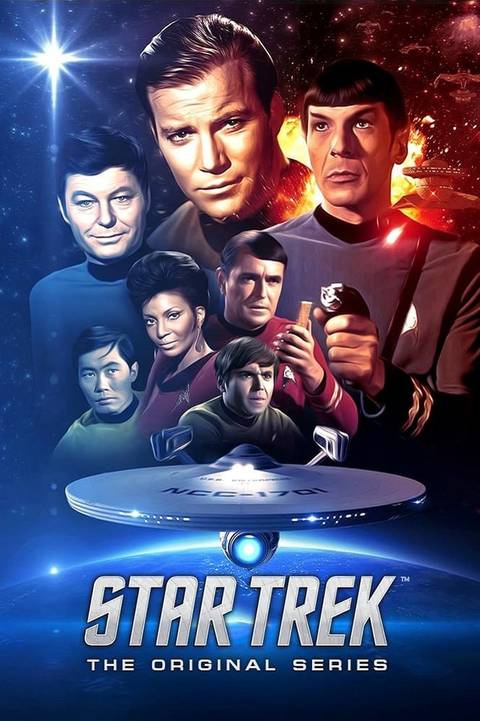
Star Trek: The Original Series season 1 introduced two important retcons that would be defining features of the Star Trek franchise for the next 60 years. Star Trek aired for 3 seasons from 1966 to 1969 on NBC, but those 78 episodes built the foundation for an evergreen franchise that spans a dozen TV series and fourteen feature films.
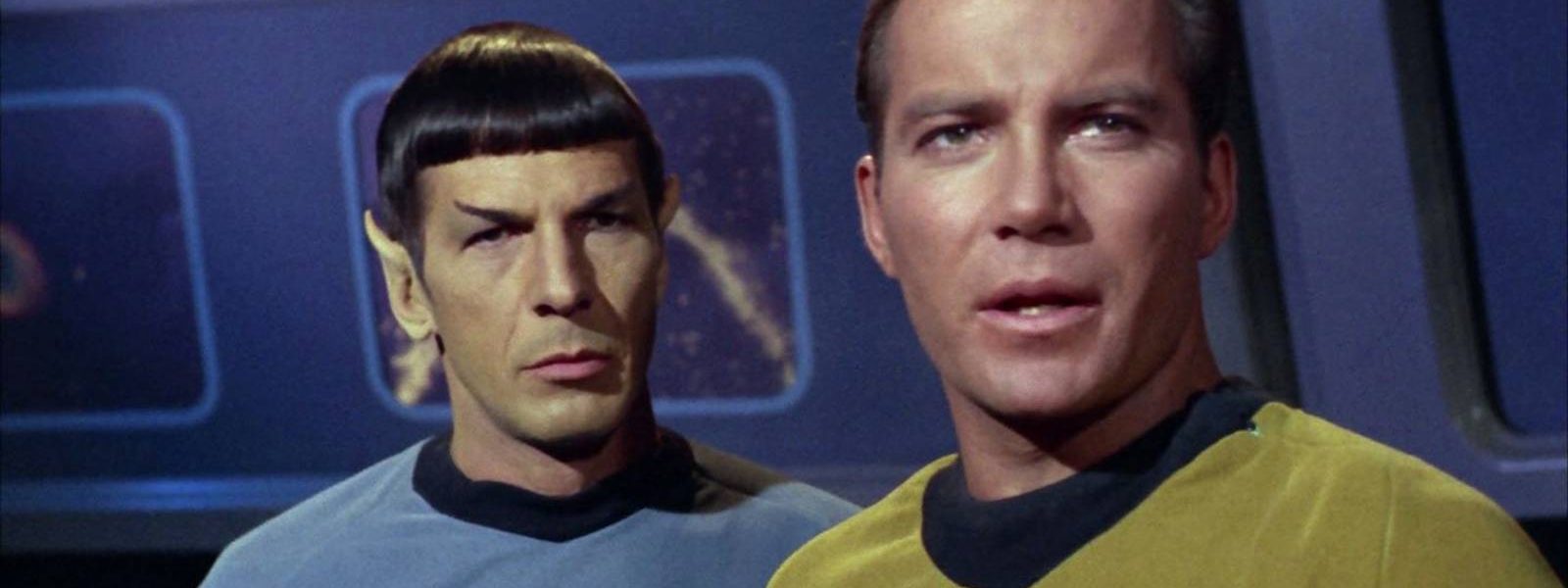
The first season of Star Trek was a work in progress. While the fundamentals of the USS Enterprise led by Captain James T. Kirk (William Shatner) and Mr. Spock (Leonard Nimoy) were set from Star Trek’s premiere, the greater universe was still being determined beyond what was initially established by Star Trek creator Gene Roddenberry.
Today, the tenets of Star Trek include Starfleet as the military and exploratory organization that the USS Enterprise and every other starship belongs to, and the greater body Starfleet serves, the United Federation of Planets. The Federation is the vast interstellar alliance of worlds co-founded by United Earth.
It’s hard to imagine modern Star Trek without Starfleet or the Federation, but neither of those concepts existed until later in Star Trek: The Original Series season 1.
Star Trek’s Most Important Retcons Are Starfleet & The United Federation Of Planets In TOS Season 1
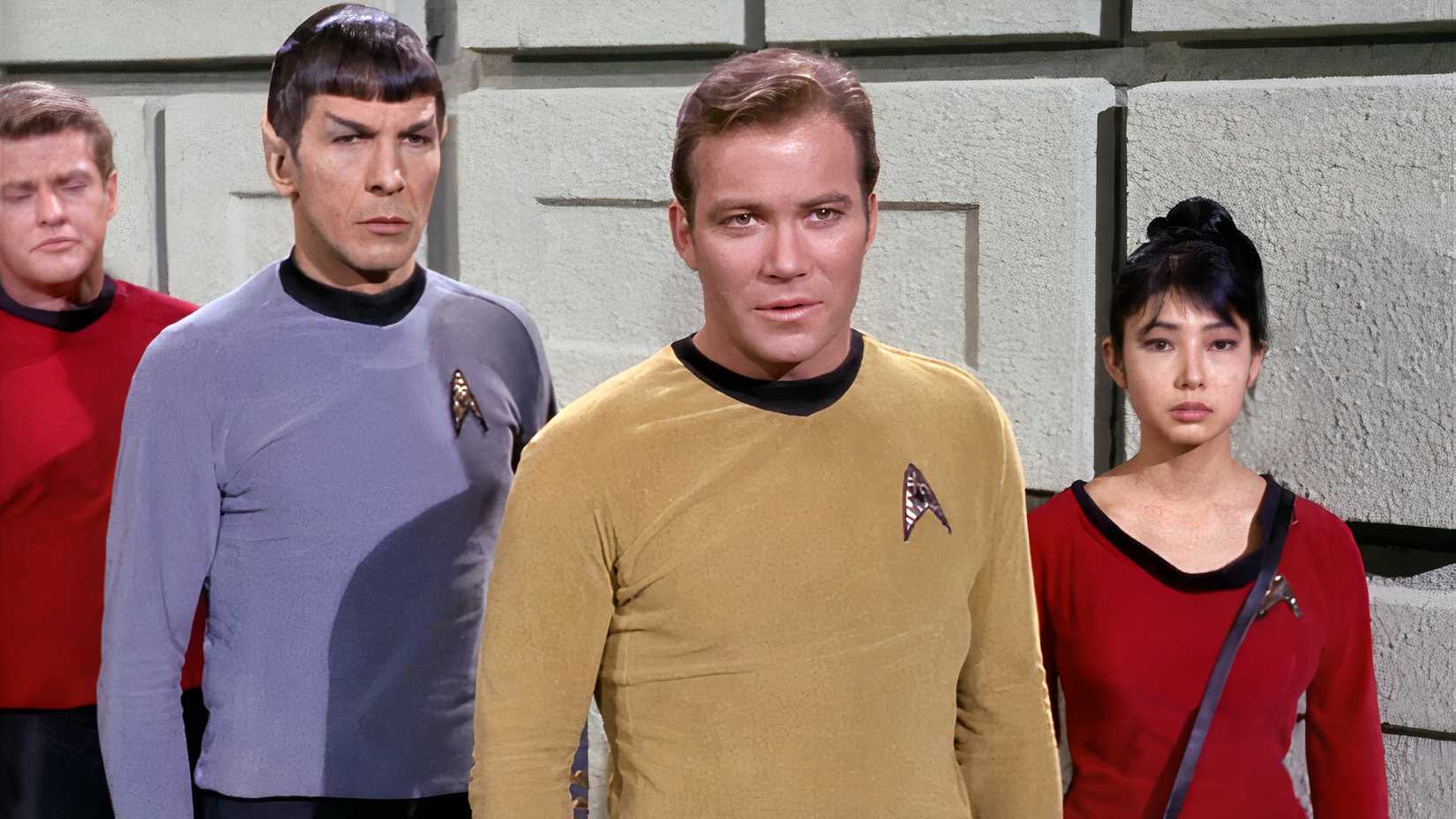
The back half of Star Trek: The Original Series season 1 named Starfleet Command and introduced the United Federation of Planets, which were both retcons that became crucial and fundamental aspects of Star Trek.
Starfleet Command was officially named in Star Trek: The Original Series season 1, episode 20, “Court Martial.” Before this, early Star Trek episodes were inconsistent in what organization the Starship Enterprise represented.
“Space Fleet,” “Space Command,” and the “United Earth Space Probe Agency” were among the names used before Starfleet was established.
Similarly, Star Trek: The Original Series season 1, episode 18, “Arena,” was the first time “the Federation” was mentioned. The full name of the United Federation of Planets was first uttered in Star Trek: The Original Series season 1, episode 23, “A Taste of Armageddon.”
From then on, the governing bodies Captain Kirk and Starship Enterprise represented were settled, and those retcons became canon for the next six decades as Star Trek evolved in movies and more television series.
Star Trek’s Unsung Hero Was Gene L. Coon
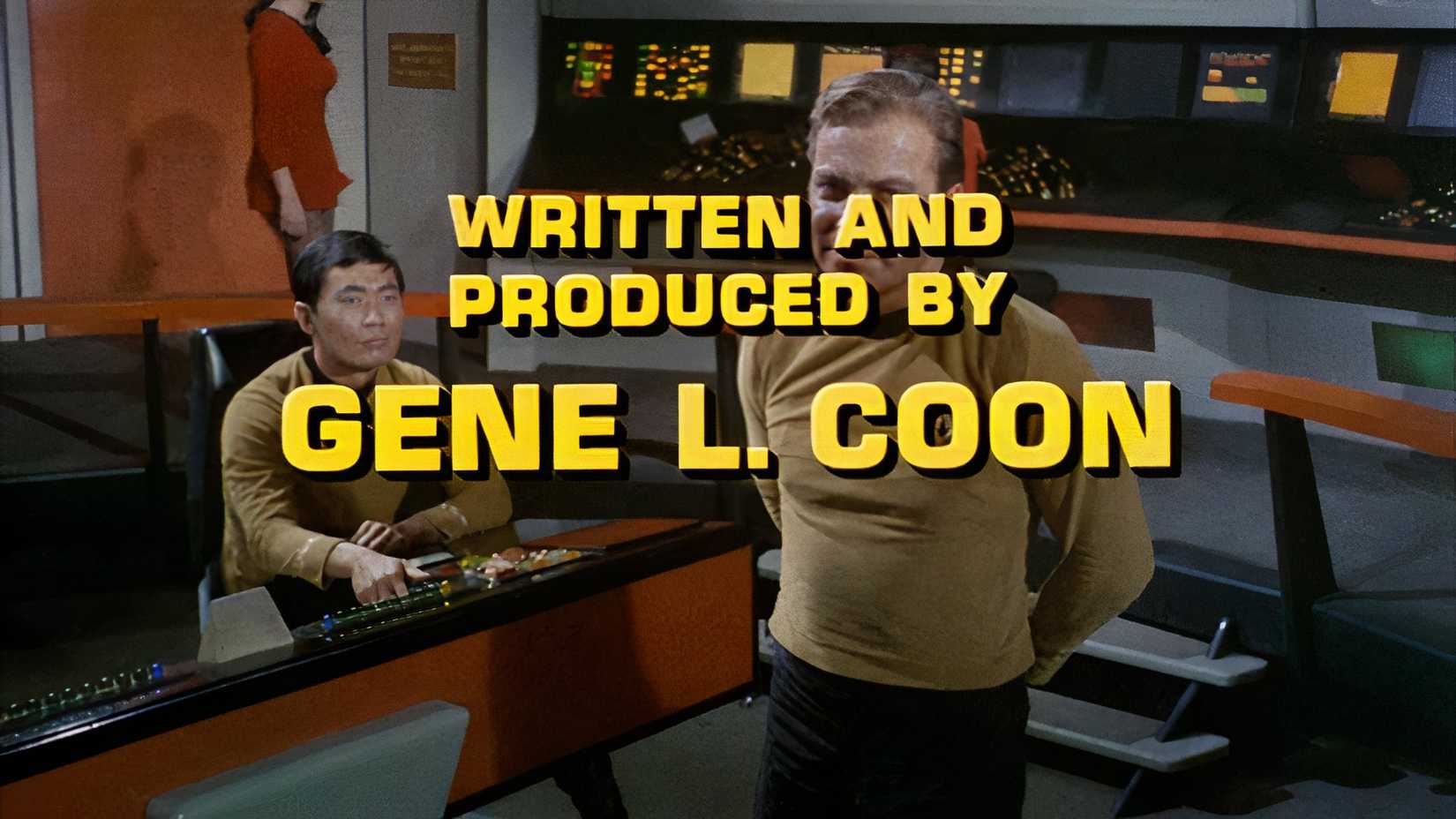
Starfleet Command and the United Federation of Planets came to be thanks to writer and producer Gene L. Coon, one of the greatest and relatively unsung heroes of Star Trek. Hired to help oversee day-to-day production by Star Trek creator Gene Roddenberry, Coon contributed many of the lasting concepts that came to define Star Trek.
In his book, Star Trek Memories, William Shatner attributed the creation of Starfleet, the Federation, the Klingons, Khan Noonien Singh (Ricardo Montalban), and the Prime Directive to Gene L. Coon. Star Trek‘s “other father named Gene” also wrote a dozen of the most famed classic Star Trek episodes and another four under the pseudonym Lee Cronin.
Watching the first half of <em>Star Trek: The Original Series </em>season 1 is fascinating as the show gradually figures itself out, and sometimes contradicts itself. Once the retcons of Starfleet and the Federation were defined, Star Trek was on solid footing to become the beloved, eternal franchise that has lasted 60 years and counting.