Microtrends move fast enough to flatten a decade of personal style into a two-week aesthetic with a TikTok name attached.
A 2024 survey by EduBirdie revealed that 47% of Gen Z consumers feel pressured to buy clothes just to fit in, chasing a look that expires before the credit card statement does. This social pressure drives frequent fashion purchases, which contribute to broader financial and mental strain for young buyers.
These are twelve designs that were never trying to be liked by everyone at once, only remembered by anyone who saw them.
Museum Costume Archives
Image Credit: Debby Wong / Shutterstock.
The Metropolitan Museum’s Costume Institute holds more than 33,000 garments, and its Irene Lewisohn Costume Reference Library opens sketches, sample books, and photographs to qualified researchers by appointment, not just curators.
Designers use it the way architects use blueprints, tracing how a 1918 Worth gown actually sat on a body before reinterpreting the shape. When the museum staged China: Through the Looking Glass, chinoiserie motifs surged on runways within a season, proof that archival access moves faster into stores than most people assume.
A woman building a wardrobe can borrow the same habit on a smaller scale: visiting an online costume collection and studying construction rather than just color.
Flea Markets and Vintage Fairs
Image Credit: Eric Isselee / Shutterstock
University of Illinois at Chicago researchers Brenda Parker and Rachel Weber studied secondhand retail’s survival against e-commerce and found shoppers stay loyal to physical hunting because, in Parker’s words, getting something on eBay does not carry the same mystery as a find in an obscure shop. That unpredictability is the point.
Fashion research on pre-loved luxury backs this up: shoppers driven by fashionability, not just price, make up the majority of the secondhand market. A flea market forces a woman to react to what exists rather than search for what she already pictured, which tends to produce a more idiosyncratic closet than any saved board.
Costume Designers
Image Credit: katatonia82 / Shutterstock
Two-time Oscar winner Ruth E. Carter has said clothing tells an audience who someone is before they speak a single line, and her work on Do the Right Thing helped push hip-hop silhouettes into mainstream fashion through vivid, protest-coded color.
Colleen Atwood, who has costumed more than eighty films, insists a costume only works once a performer feels it belongs to them rather than sitting on top of them. That distinction, clothing as identity rather than decoration, is exactly what separates dressing for a body from dressing at one.
Watching how a costume designer builds a silhouette, scene by scene, teaches proportion in a way that static inspiration images cannot.
Street Style Archives
Image Credit : photo-lime / Shutterstock .
Bill Cunningham photographed ordinary New Yorkers for the New York Times for nearly forty years , and cultural critic Judith Thurman later called him fashion’s own Herodotus , its first real historian of the street rather than the runway .
Cunningham tracked how looks actually got worn , gingham shirts , fanny packs , the slow death of formality , long before those shifts registered anywhere official . His archive , later collected in book form , shows fashion moving from the body outward instead of from the runway down .
Scrolling a modern street-style account is a direct descendant of that habit , but the original archive still shows the raw , undressed version of a trend before it gets smoothed by an algorithm .
Color Forecasting Rooms
Image Credit : Prostock-studio/Shutterstock
WGSN , founded in 1998 and now considered the industry’s dominant forecasting agency , builds its palettes from runway data , cultural research , and a proprietary model its team credits with roughly94 percent accuracy up to a year ahead.
Alongside sister brand Coloro , WGSN named Transformative Teal its color of the year , a hue the agency links to environmental recovery and cultural rebalancing . Pantone , the original color forecaster founded by Lawrence Herbert in the1960s , still anchors the same industry through its matching system.
Following a forecasting agency’s public reports , several of which publish free seasonal summaries , gives a shopper a preview of what will feel fresh months before it hits the racks.
Independent Style Newsletters
Image Credit : Rawpixel.com/Shutterstock
Substack and similar platforms have given individual fashion writers the kind of editorial authority once reserved for magazine mastheads , minus the ad-driven feed logic that pushes Pinterest toward whatever performs best that week.
A newsletter written by one stylist or historian tends to argue for a point of view rather than optimize for engagement , which means it can recommend an unfashionable silhouette simply because it works . That editorial stubbornness is closer to how a personal stylist actually thinks.
Subscribing to two or three writers whose taste consistently surprises you does more for a wardrobe than an endless scroll ever will , because disagreement with your own instincts is exactly what teaches range.
Architecture
Image Credit : Tinxi / Shutterstock
Dutch designer Iris van Herpen has spent her career translating buildings into garments , beginning with a2011 collaboration with Benthem Crouwel Architects that produceda3D printed skeleton dress.
She has described her fascination with the hard logic of buildings , their skeletons and load-bearing precision as the counterweight to the organic fluid shapes she also pulls from anatomy and nature.
People have called her work cathedral-like , built from the same fusion of engineering and art that defined Gothic construction.
A woman does not need couture ambitions to borrow this lens . Noticing how abuilding’s columns or arches repeat can reshape how she reads pleating tailoring or draping on her own frame.
Resale Apps
Image Credit : Iryna Imago/Shutterstock
ThredUp’s2019 Resale Report compiled with GlobalData found that U.S.secondhand apparel market is growing nearly four times faster than conventional retail clothing and is on trackto hit $78.8 billion by2030.
Roughly46%of shoppers now discover resale pieces through social feedsand creators rather than adedicated appand CEO James Reinhart described theshift saying resale is taking direct market share not just growing alongside new retail.
Gen Zand Millennials are expected to drive more than70%of that growth through2030.Scrolling resale listingsby decade or designer functions like aliving archive one that updates in real timeand lets awoman try an era before committingto it.
Artisan Ateliers
Image Credit : Vaillery/Shutterstock
Designer Carolina Kleinman built her namesake label around partnerships with Latin American artisan collectives crediting these relationships with preserving ancestral techniques while translating them into modern pieces each garment ships with atag naming the artisanand hours invested.That levelof transparency is spreading.
Handloom weaving ikatand block printing are increasingly framed byindustry as premium rather than niche valued precisely because they resist industrial replication.Following an atelier’s process from raw threadto finished hem teaches adifferent vocabulary than astyled photo does weight drapeand actual time embeddedin agarment all details aflat image tends to flatten out.
Museum Art Wings
Image Credit : Nowaczyk/Shutterstock
Yves Saint Laurent read abook on Piet Mondrianin1965and within months translated painter’s blocks of color into six now legendary cocktail dresses seaming wool jersey so preciselythat geometry stayed aligned across body’s curves.
Saint Laurent later called Mondrian’s purity addingthat no painter had gone further with it. Originals now sitin Rijksmuseum V&Aand Met proofthat asingle gallery visit changed fashion’s relationshipto fine art permanently.
Other designers among them André Courrègesand later Christian Louboutinwith ashoe design followed thesame visual logic decades apart.Saint Laurent’s dresses remain clearest exampleof apainting surviving translation intocloth without losingits structure.
Landscapes and Travel
Image Credit : Sven Hansche/Shutterstock
Fashion has borrowed from geographyfor as long asit has existed indigo from West African dye pits Aegean bluesfrom Mediterranean coastlines muted weather softened neutrals that define Scandinavian design.
These palettes were not chosenfor amood board.They were shapedby climate available dyeand centuriesof local material limits whichis why they tendto hold upbetterthan atrend cycle.
Awoman whopays attentionto actual colorof place she visits specific rustof desert gray greenof coastline or flat goldof wheat fieldat dusk walks awaywith apalette rooted insomething realrather than filteredthrough someone else’s curationand preset filters.
Subculture Uniforms
Image Credit : VisualMediaHub/Shutterstock
Vivienne Westwood and Malcolm McLarenbuilt punk’s visual language outof their London shopin1970s turning safety pins tartanand deliberately tornfabric into auniformof refusalratherthan decoration.
Grunge did something similar two decadeslater taking flanneland thrift store layering outof Pacific Northwestbasements onto runwaysalmost unchanged.Both movements prove thatmost durable styleideas rarely startas styleideas.
They startas community solving apractical or political problemwith whatever fabricison hand.Tracing acurrent trendbacktoscene thatactually inventedit usually reveals asharper morespecific versionofthe lookthan thesanitized version circulatingnow.
Sarah Parker is a research analyst and content contributor with a strong interest in business strategy, organizational behavior, and social development. With a background in sociology and public policy, she focuses on exploring the intersection between research and real-world application. Sarah regularly contributes articles that bridge academic insights and practical relevance, aiming to foster critical thinking and innovation across sectors.


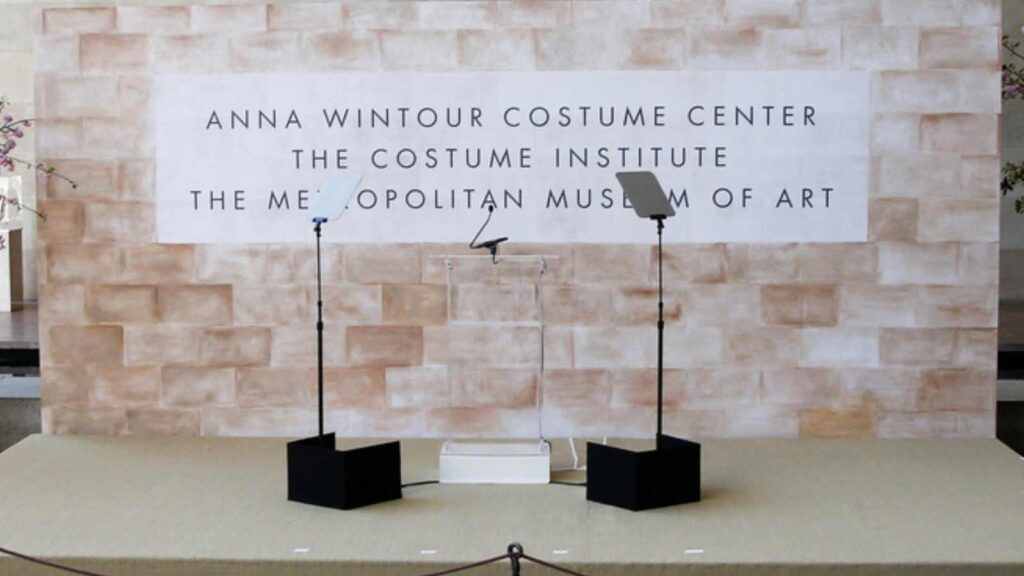
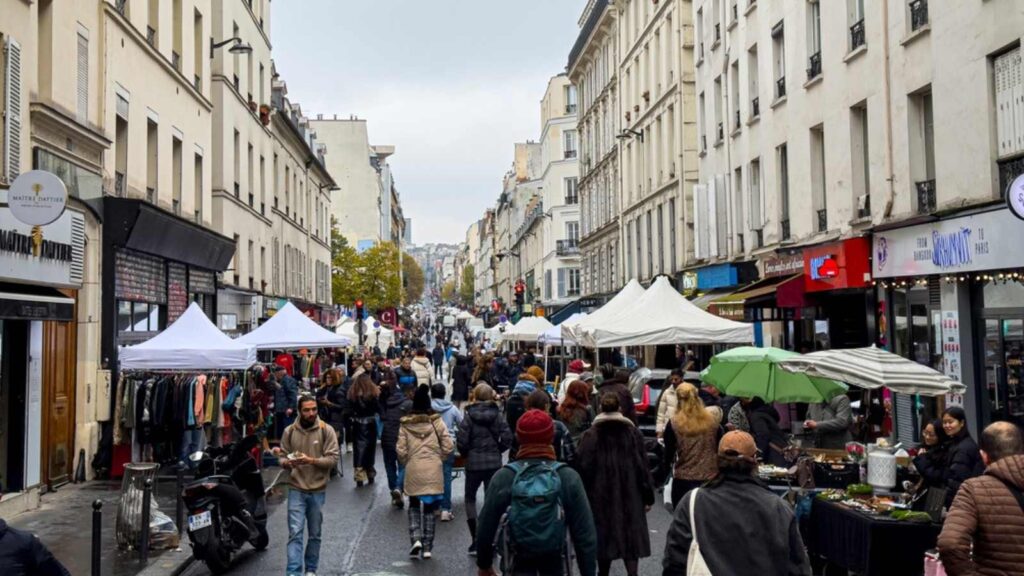
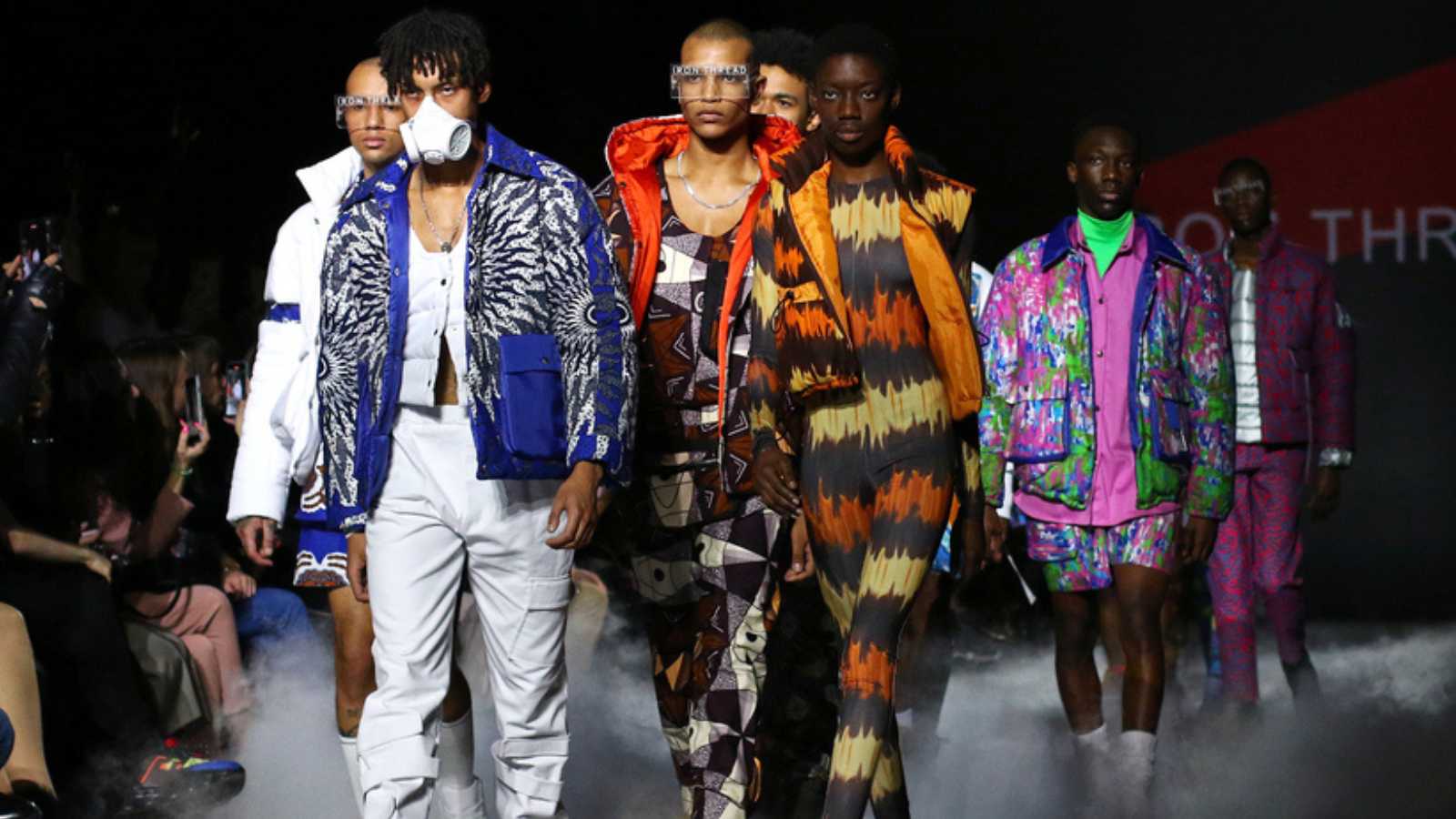


 Image Credit : Iryna Imago/Shutterstock
  Image Credit : Nowaczyk/Shutterstock
 Image Credit : Sven Hansche/Shutterstock








