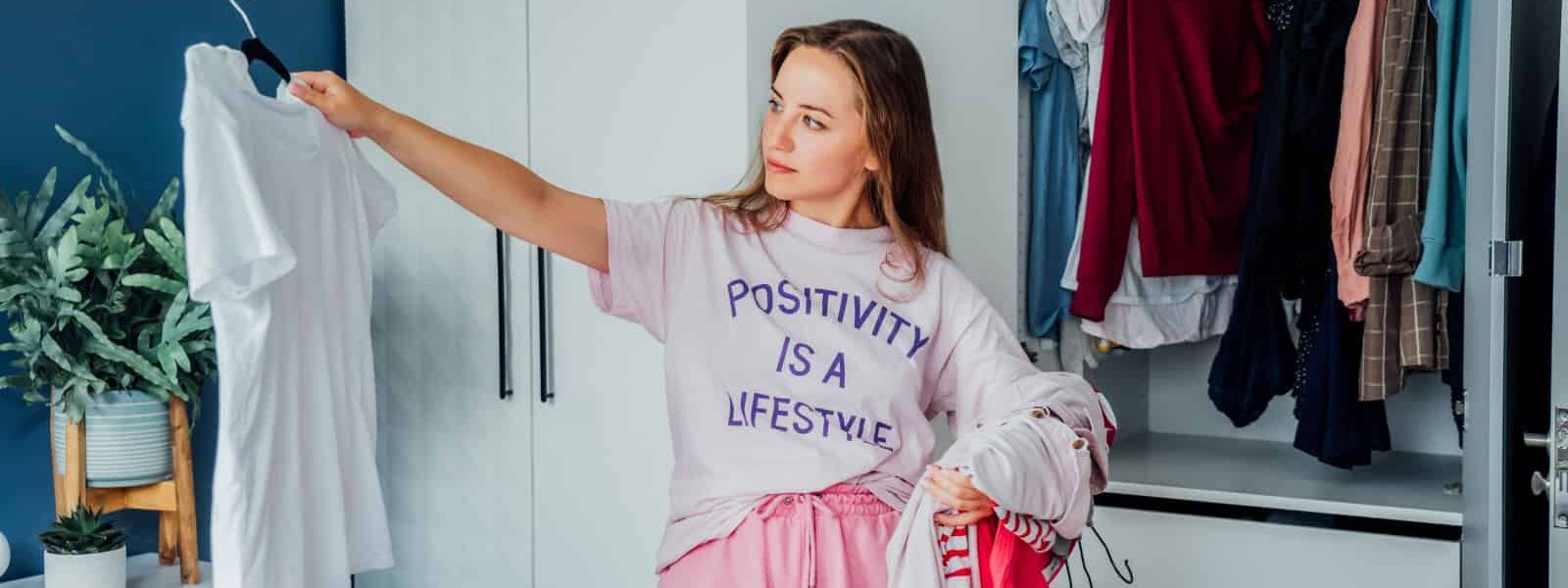
A capsule wardrobe offers a practical solution by focusing on a carefully selected collection of pieces that coordinate effortlessly. Instead of constantly buying more clothing to solve the “nothing to wear” problem, shoppers can build a more intentional wardrobe where each piece works with multiple others.
The result is less decision fatigue, more outfit options, and greater value from every purchase. That approach is especially relevant as Americans continue to spend significantly on clothing while showing growing interest in more intentional shopping.
The U.S. Bureau of Labor Statistics reports that households spent an average of $655 on women’s apparel and 6 on men’s apparel in 2023. At the same time, secondhand shopping and wardrobe-conscious buying continue to gain momentum as consumers increasingly prioritize versatility, longevity, and value over excessive purchasing.
For summer, when comfort and versatility matter most, a well-planned capsule wardrobe can make a smaller closet feel surprisingly expansive.
How Can You Build Your Wardrobe Around a Simple Color Palette?

Choosing a consistent color palette creates the strongest foundation for a successful summer capsule wardrobe. Neutral shades such as white, navy, beige, black, olive, and soft gray pair naturally with one another, allowing nearly every top to coordinate with every bottom.
A few accent colors can add personality without making the wardrobe difficult to mix and match. This strategy reduces the number of garments needed because each new purchase can be used in multiple outfits rather than serving a single purpose.
A white linen shirt, beige shorts, navy trousers, and a striped knit instantly create several polished combinations without requiring additional shopping. Limiting the palette also makes packing for vacations far easier because fewer pieces produce more complete outfits.
Simplicity becomes an advantage instead of a limitation, allowing style to feel intentional while reducing unnecessary spending.
Why Choose Breathable Natural Fabrics?

Fabric selection matters just as much as garment selection during summer. Cotton, linen, and lightweight blends can promote greater airflow than many heavier, tightly woven materials, helping clothing feel more comfortable during hot weather.
The choice matters at an industry level too: Textile Exchange reports that global fiber production reached 124 million tonnes in 2023, with polyester accounting for 57% of total fiber production. That makes paying attention to fabric content especially important when building a wardrobe designed for warm-weather comfort and repeat wear.
Comfortable clothing naturally gets worn more often, making breathable fabrics an excellent investment in both style and practicality. Linen shirts soften beautifully with repeated washing, cotton T-shirts layer easily beneath lightweight jackets, and breathable dresses remain comfortable during long days outdoors.
How to Prioritize Pieces That Create Multiple Outfits?

Every new addition to a capsule wardrobe should multiply outfit possibilities rather than compete with existing clothing. Before buying a garment, evaluate how many outfits it can realistically create using pieces already in your closet.
A versatile white button-down may pair with shorts, skirts, jeans, linen trousers, and lightweight dresses worn open as a layering piece. A patterned top that matches only one pair of pants offers far less long-term value despite looking exciting on the hanger.
This approach shifts shopping decisions away from impulse purchases and toward practical versatility. Over time, the wardrobe becomes increasingly efficient because each new item strengthens dozens of outfit combinations instead of adding visual clutter.
Why Add One Lightweight Layer for Changing Temperatures?