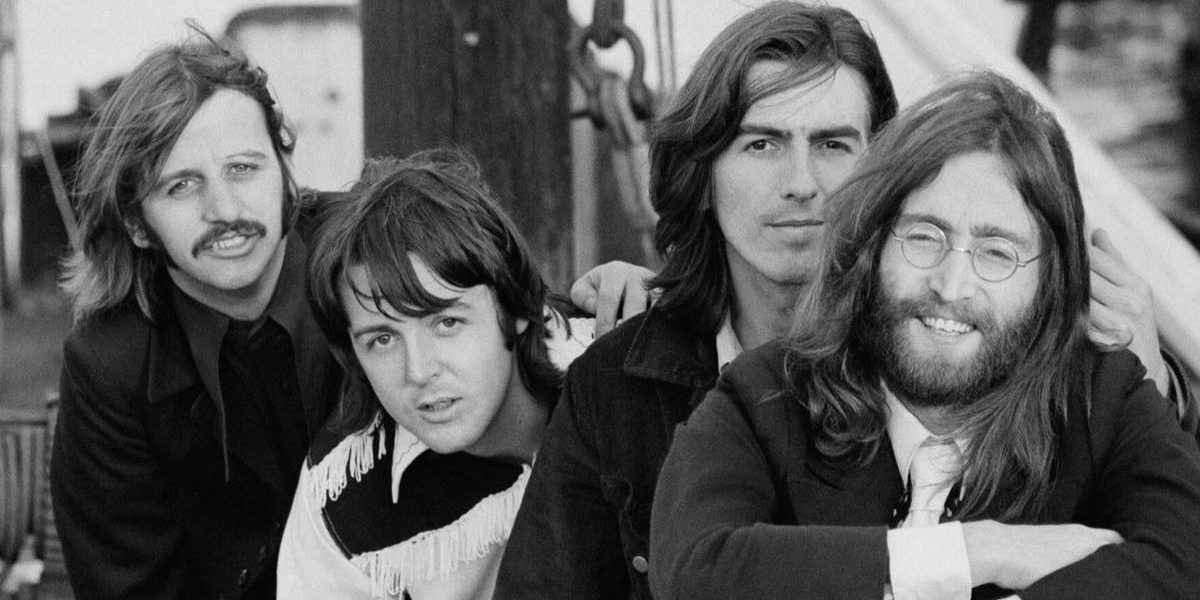
Even to this day, the question of who broke up The Beatles is still a debate. Everyone has their own opinions about what happened and who was to blame for the biggest band in the world breaking up. For years, Yoko Ono took the heat, with people hating on her for allegedly taking John Lennon away from the band. Others turned against Paul McCartney, as he was the one who formally announced the split, released an album that outright competed with the last Beatles release, and, to top it all off, ended up suing his former bandmates.
But what a lot of people don’t know is that there was one man behind the business problems that ultimately led to the Fab Four turning on each other. He was the reason McCartney sued his bandmates and influenced Lennon’s anger during his fight with his former songwriting partner. Meet Allen Klein.
The Person Who Actually Broke Up The Beatles Wasn’t Yoko Ono
In 1969, it was the beginning of the end of The Beatles. The Fab Four were finishing their last two albums, Let It Be and Abbey Road, and John Lennon was approached by businessman Allen Klein. In Peter Jackson‘s 2021 documentary, The Beatles: Get Back, which followed the recording of the Let It Be album in January 1969, Lennon is seen talking about how he and Yoko Ono would be meeting with him and hearing his offer. It wasn’t long until things went south.
Classic Rock Personality Quiz Who’s Your Perfect Classic Rock Band? A Personality Quiz · 10 Questions Five legendary bands. One perfect match. Answer 10 questions about your personality, attitude, and taste to find out which classic rock icon you truly belong with. Are you raw power, rolling swagger, operatic drama, thunderous riffs, or timeless melody?
AC/DC
Rolling Stones
Metallica
Queen
The Beatles
01
How do you walk into a room? Choose the answer that feels most like you.
Sarah Parker is a research analyst and content contributor with a strong interest in business strategy, organizational behavior, and social development. With a background in sociology and public policy, she focuses on exploring the intersection between research and real-world application. Sarah regularly contributes articles that bridge academic insights and practical relevance, aiming to foster critical thinking and innovation across sectors.