Standout Dragon Books to Explore
- Dragon variety spans wise magical beings, dangerous hoarders and creatures shaped by science fiction.
- Character perspective sets Dragon Champion apart by following a dragon from birth and through life in the wild.
- Dragon riders take center stage in Dragonflight and His Majesty’s Dragon, where dragons bond with humans and serve distinct roles.
- Classic dragons such as Smaug and the dragon in Beowulf connect greed, danger and the limits of human power.

Dragon fantasy books portray dragons in many ways, from fearsome forces of destruction to intelligent beings associated with wisdom and grace. This list presents ten notable books to help readers compare how dragon characters shape fantasy stories, mythology and speculative worlds.
These dragon books stand out for their depictions of dragons and the roles those creatures play in the narrative. Since fictional dragons number in the tens of thousands, this selection is a snapshot rather than a complete ranking of every memorable dragon story.
10
‘The NeverEnding Story’ (1979)
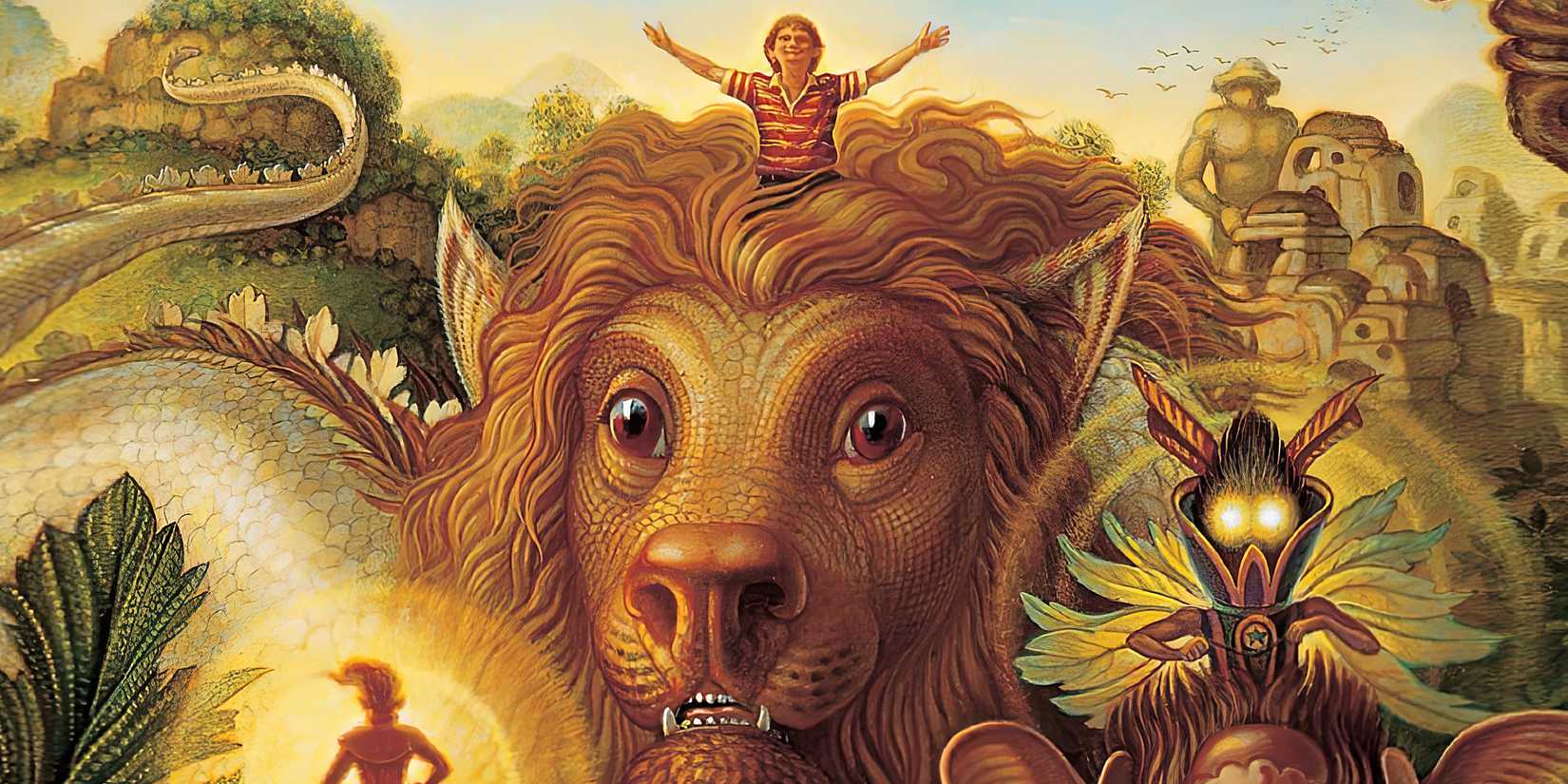
Image via Dutton Books for Young Readers
Michael Ende’s The NeverEnding Story is widely known through its 1982 film adaptation, often regarded as one of the darkest fantasy films made for families. The film covers only the first half of the book; the second half was adapted in 1990 as The NeverEnding Story 2. Dragons have relatively small but important roles in the book, where they carry thematic meaning.
Falcor the Luck Dragon is the clearest example: a wingless flying creature with pinkish skin and a lion-like head. Falcor represents wisdom and optimism, urging the heroes to persevere. In contrast, Bastian impulsively wishes the dragon Smerg into existence, creating a grotesque hybrid that illustrates the destructive consequences of reckless power.
9
‘The Chronicles of Narnia: The Voyage of the Dawn Treader’ (1952)
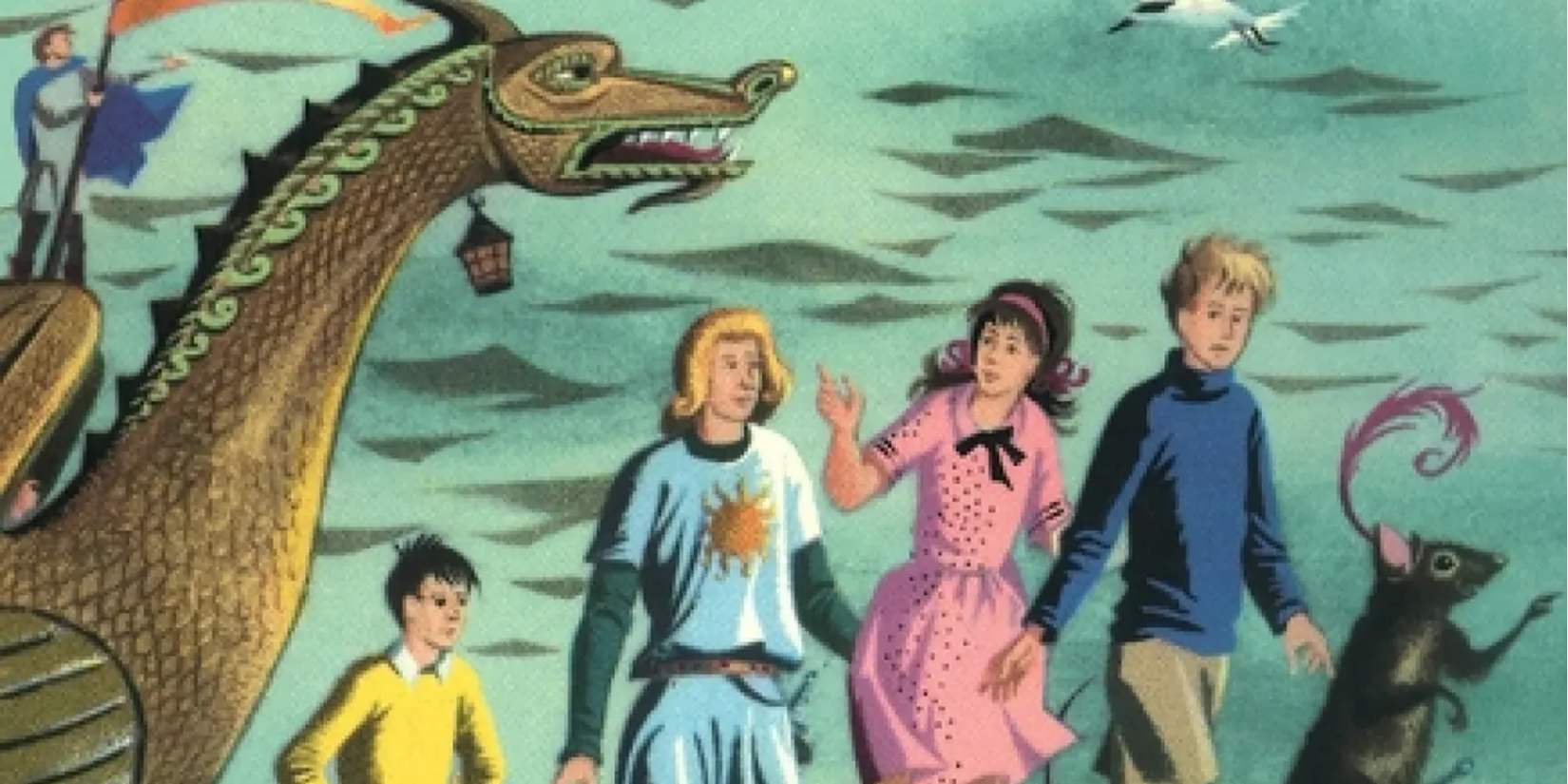 Image via HarperCollins
C. S. Lewis’s The Chronicles of Narnia is a popular entry point to fantasy. In the third book, The Voyage of the Dawn Treader, the characters search for seven missing lords, the end of the world and Aslan’s country. On an island, Eustace Scrubb finds an old dragon dying beside its hoard and transforms into a dragon after sleeping among the treasure.
Eustace’s transformation explores greed and selfish desire, showing how they can make a person monstrous. The episode also recalls Fafnir from Norse mythology, who became a dragon after killing his father and stealing his treasure. Eustace later uses his dragon abilities to help the crew, and Aslan tears away his dragon skin as a symbol of divine redemption.
8
‘The World of Ice and Fire’ (2014)
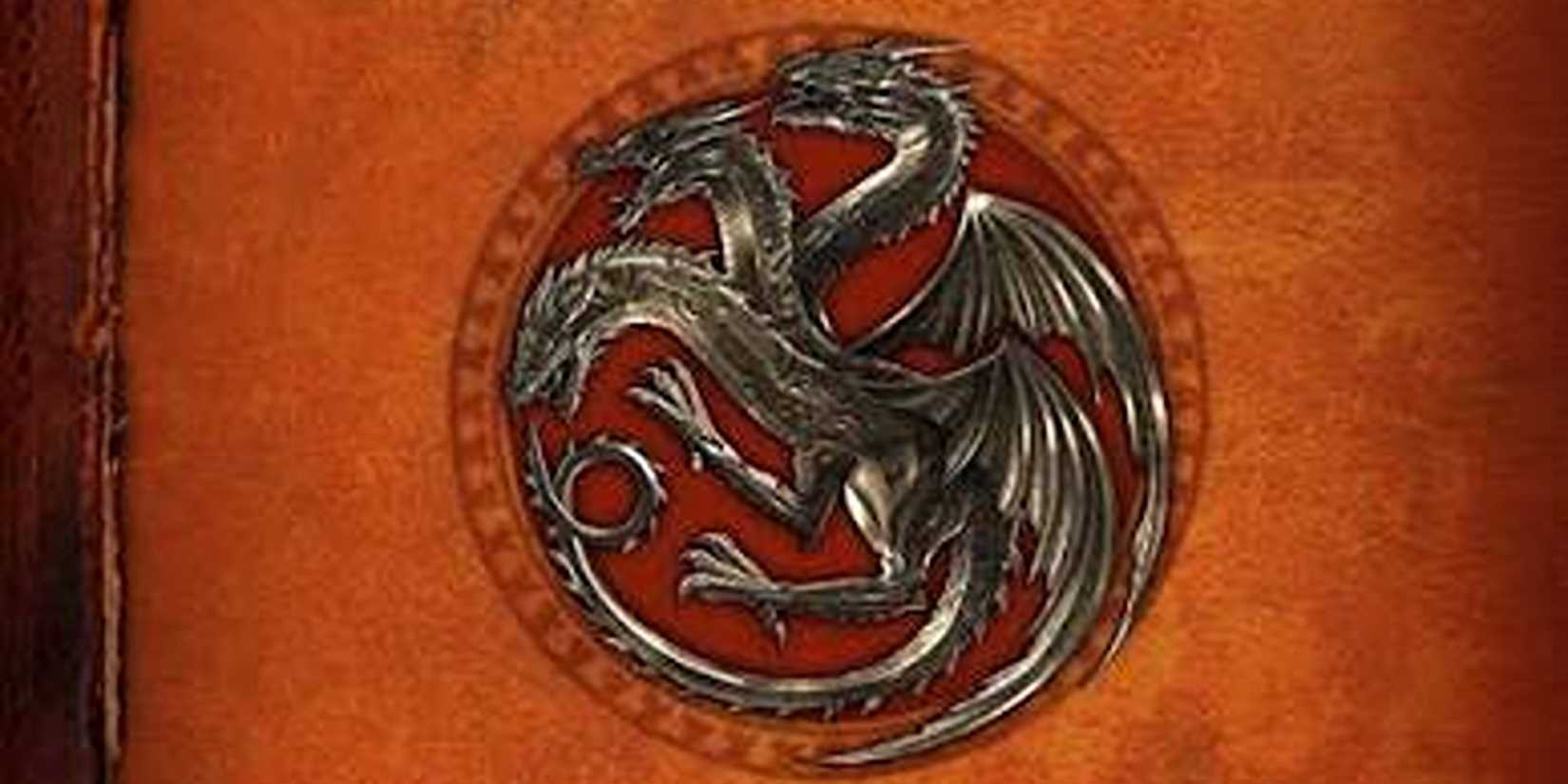 Image via Bantam
George R. R. Martin’s A Song of Ice and Fire has influenced modern fantasy, while its television adaptation, Game of Thrones, brought political intrigue and restrained magic to a wide audience. Martin’s companion volume The World of Ice and Fire expands the history of Westeros, Essos and other continents beyond the main series.
The book offers a broader account of the dragons associated with House Targaryen, whose dragons are nearly extinct in the main series. Its illustrations depict the dragons, and its history describes the Valyrian Empire, whose forces included thousands of dragons during wars of conquest. The volume also provides further lore about Martin’s secondary world.
7
‘Dragon Champion’ (2005)
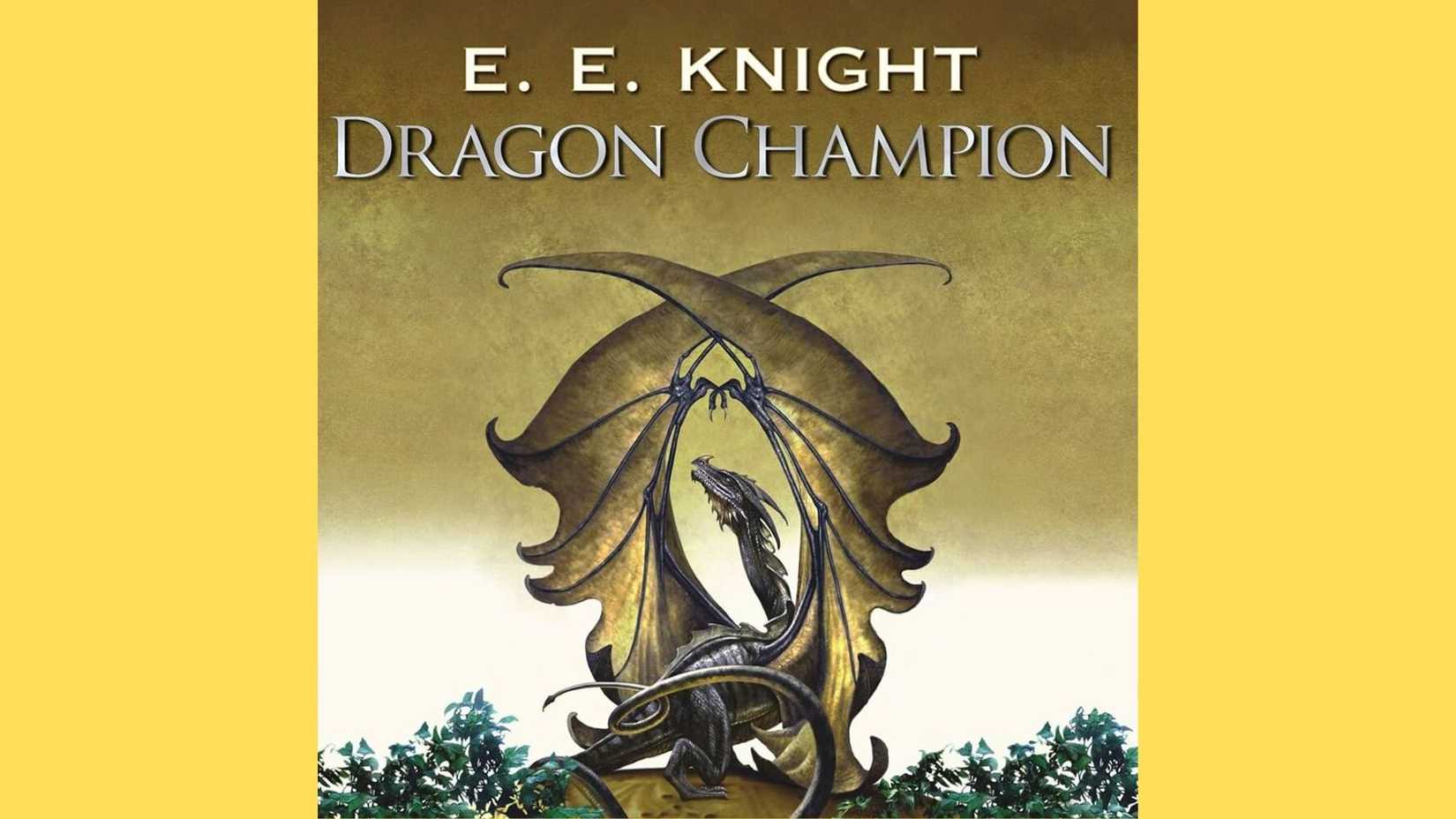 Image via Rock Books
Many fantasy stories feature dragons, but few tell the story from a dragon’s point of view. E. E. Knight’s Age of Fire series follows three dragon siblings from birth as they encounter humans, dwarves, elves and others. The first book, Dragon Champion, follows the eldest sibling, AuRon, a rare scaleless dragon who does not need to eat metal to keep his scales strong.
Knight develops the dragons’ biology, including a flammable fatty liquid used for fire breath and wings that grow only when a dragon reaches maturity. The story also shows how differently AuRon experiences time: people he meets can age considerably between chapters while he feels that only a week has passed. Later books turn toward geopolitics, but Dragon Champion focuses on a dragon’s life in the wild.
6
‘His Majesty’s Dragon’ (2006)
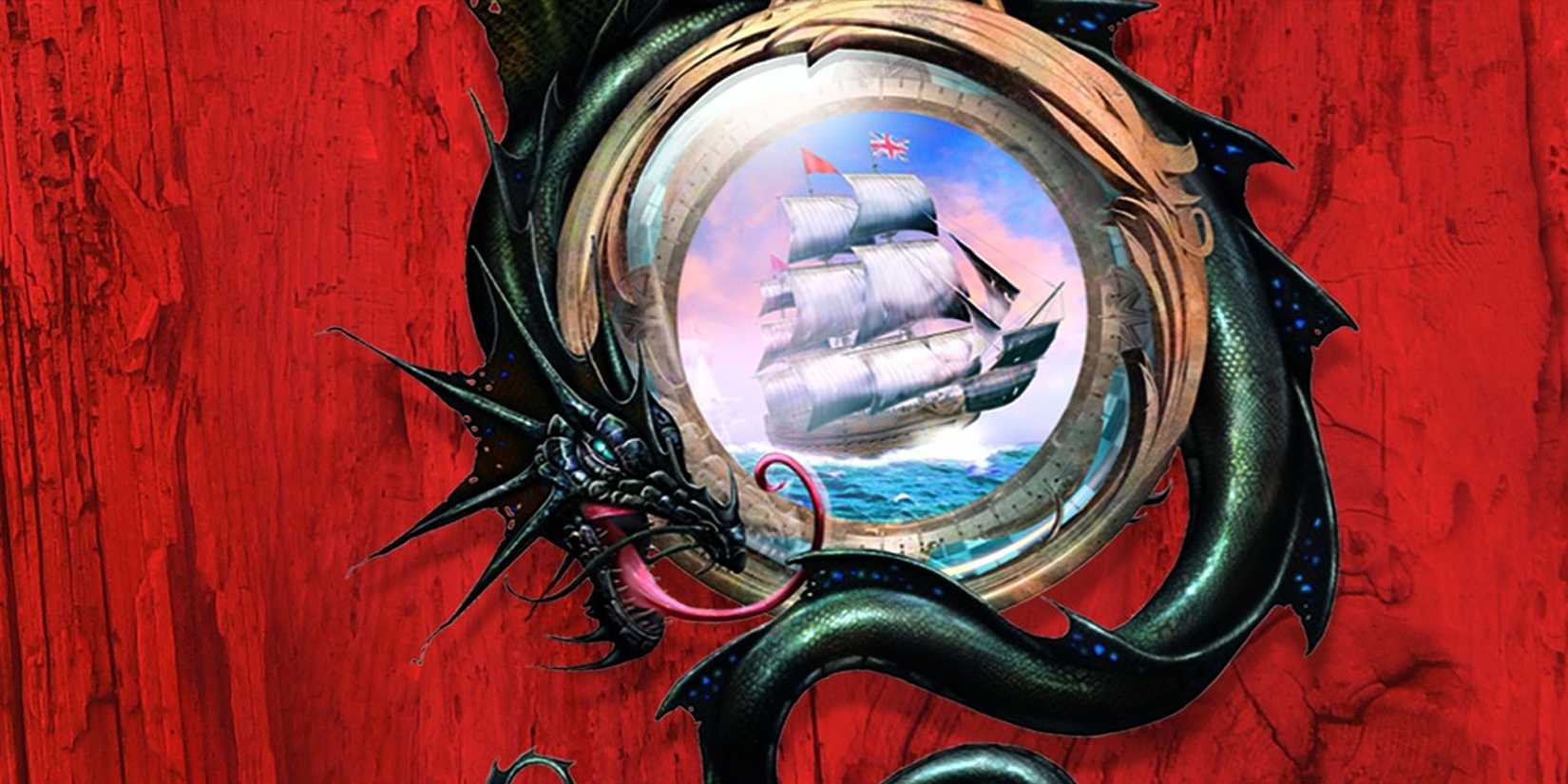
Image via Del Rey/Voyager
Naomi Novik’s His Majesty’s Dragon asks what the Napoleonic Wars might have been like if dragons existed. The book is the first in the Temeraire series and combines speculative history with dragon-centered fantasy.
Novik uses dragons as aerial counterparts to warships. Dragons bond with a human upon hatching and, after training and growth, carry entire squadrons of soldiers into combat. They remain sentient creatures, and different breeds vary in size and abilities.
5
‘Dragonology: The Complete Book of Dragons’ (2003)
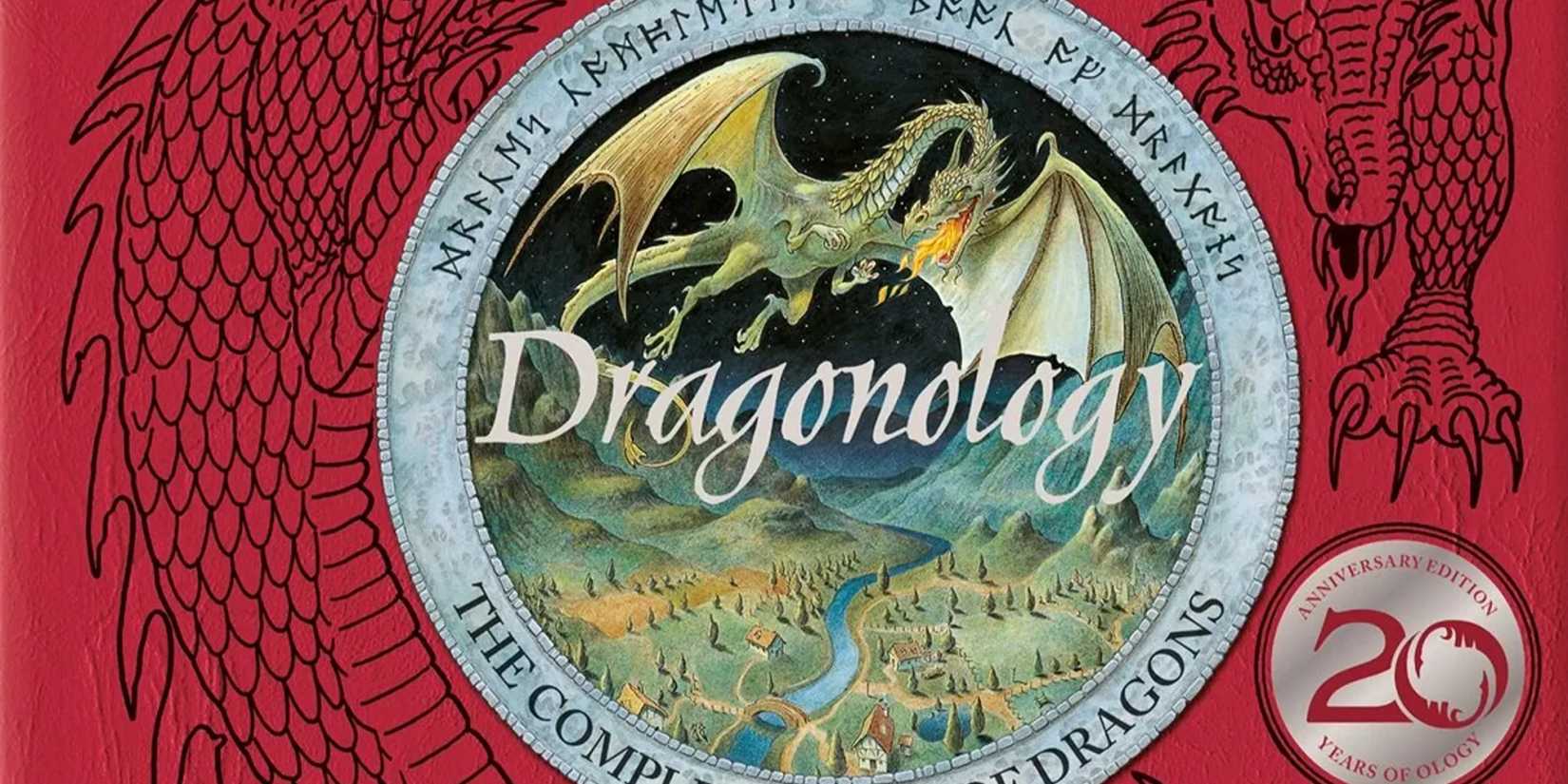 Image via Candlewick Press
Dugald Steer’s Dragonology: The Complete Book of Dragons explores the imagined biology of dragons and their relationships with humans. Written as though authored by Dr. Ernest Drake, the book considers how dragon species might be connected and what their biology could involve.
Interactive details include small letters to open alongside the main text and “samples” of dragon scales and dust. Dr. Drake assigns Latin names to the species, giving the book the appearance of a scientific journal. Illustrations and constructed field-guide details also make it relevant to readers interested in dragons or fantasy world-building.
4
‘Dragonflight’ (1968)
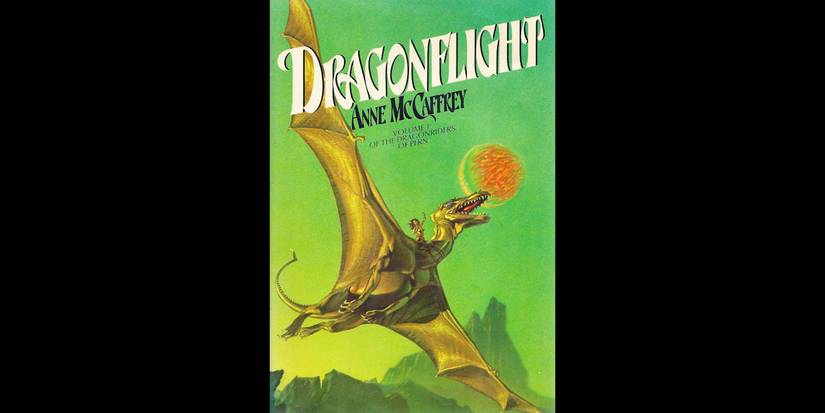 Image via Del Rey
Anne McCaffrey’s Dragonflight, the first book in the Dragonriders of Pern series, helped bring the idea of dragon riders into popular culture. Its premise pairs humans with dragons, a concept later familiar to audiences through works such as the How to Train Your Dragon films.
Set in the far future, the story depicts Pern’s dragons as telepathic beings that imprint on riders at birth. They are not magical creatures: they were developed through selective breeding and can travel through a hyperspace-like realm called “going between.” Chewing special stones lets the dragons breathe fire, which Pern’s people use against the voracious organisms known as Thread.
3
‘A Wizard of Earthsea’ (1968)
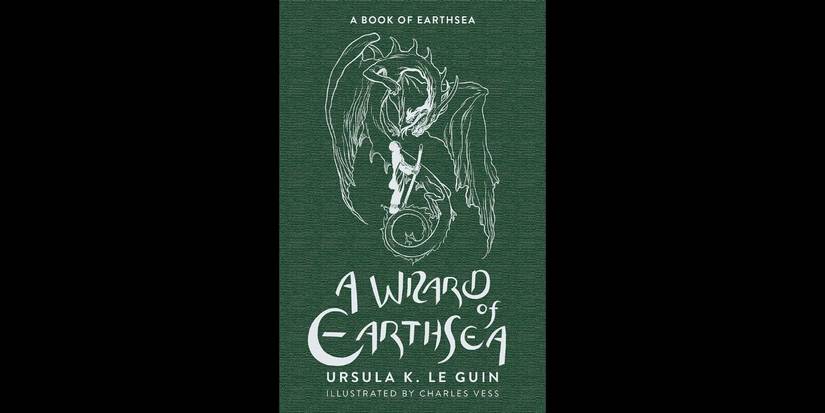 Image via Gollancz
Ursula K. Le Guin’s Earthsea books take place in an archipelago where magic is common and knowing a thing’s true name gives power over it. The first novel, A Wizard of Earthsea, follows the young wizard Ged as he learns magic and encounters dragons.
Earthsea’s dragons vary in size and power, and the most powerful are ancient beings closely connected to magic. Many are wise, but they look down on humans and may kill rather than speak with them. A person can earn a dragon’s respect, especially by learning its true name.
2
‘The Hobbit’ (1937)
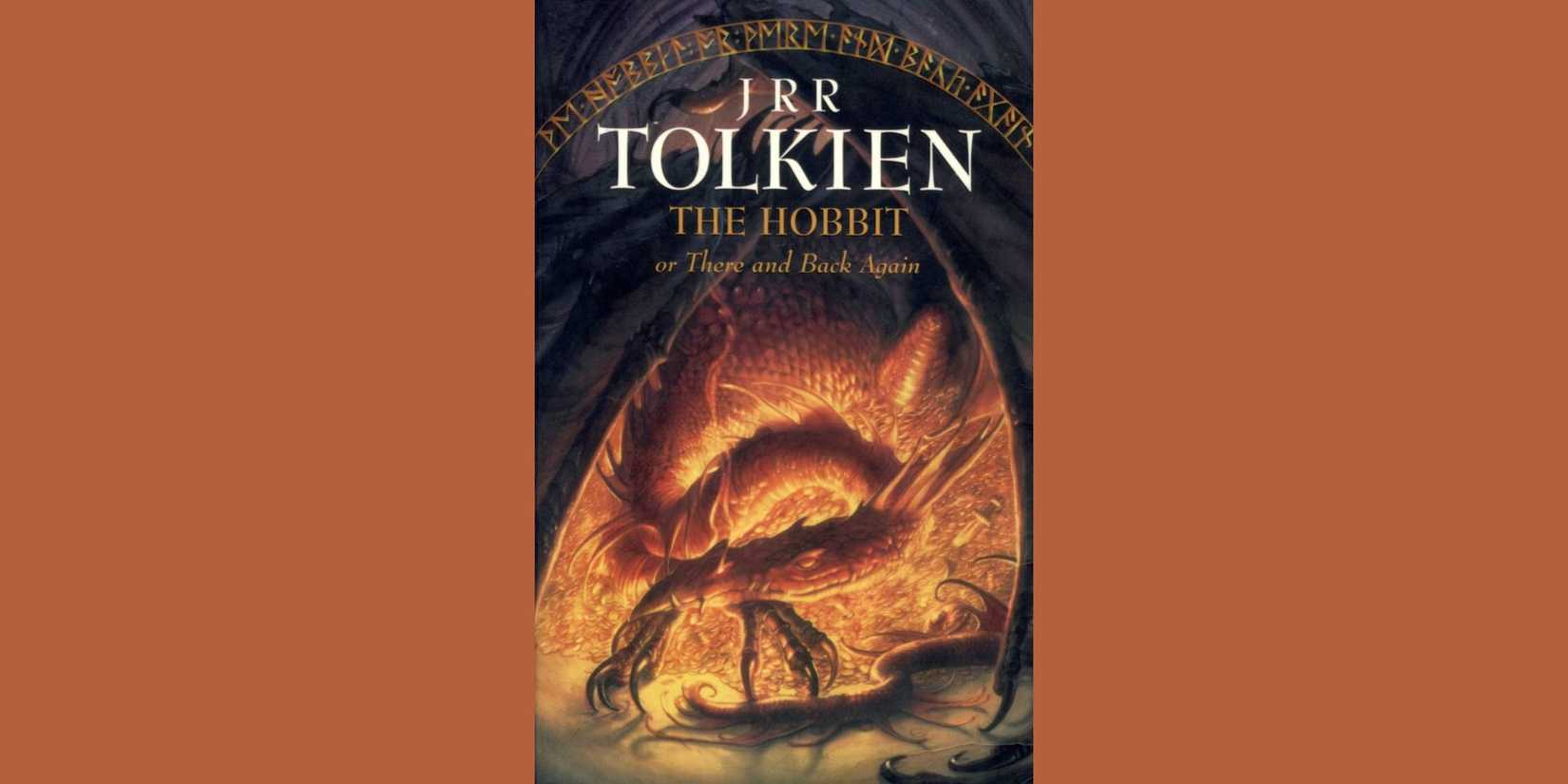
Image via George Allen & Unwin
J. R. R. Tolkien’s The Hobbit began with a sentence the author wrote on a blank sheet while grading papers: “In a hole in the ground, there lived a hobbit.” The novel became a celebrated fantasy book and led to The Lord of the Rings.
The quest centers on reclaiming treasure stolen by Smaug, a dragon rooted in Germanic mythology. Smaug appears in only two chapters near the end, yet Tolkien makes him memorable by giving him speech and intelligence. He represents avarice and greed and uses eloquent words and pointed questions to manipulate those he encounters.
1
‘Beowulf’ (c. 700-100 AD)
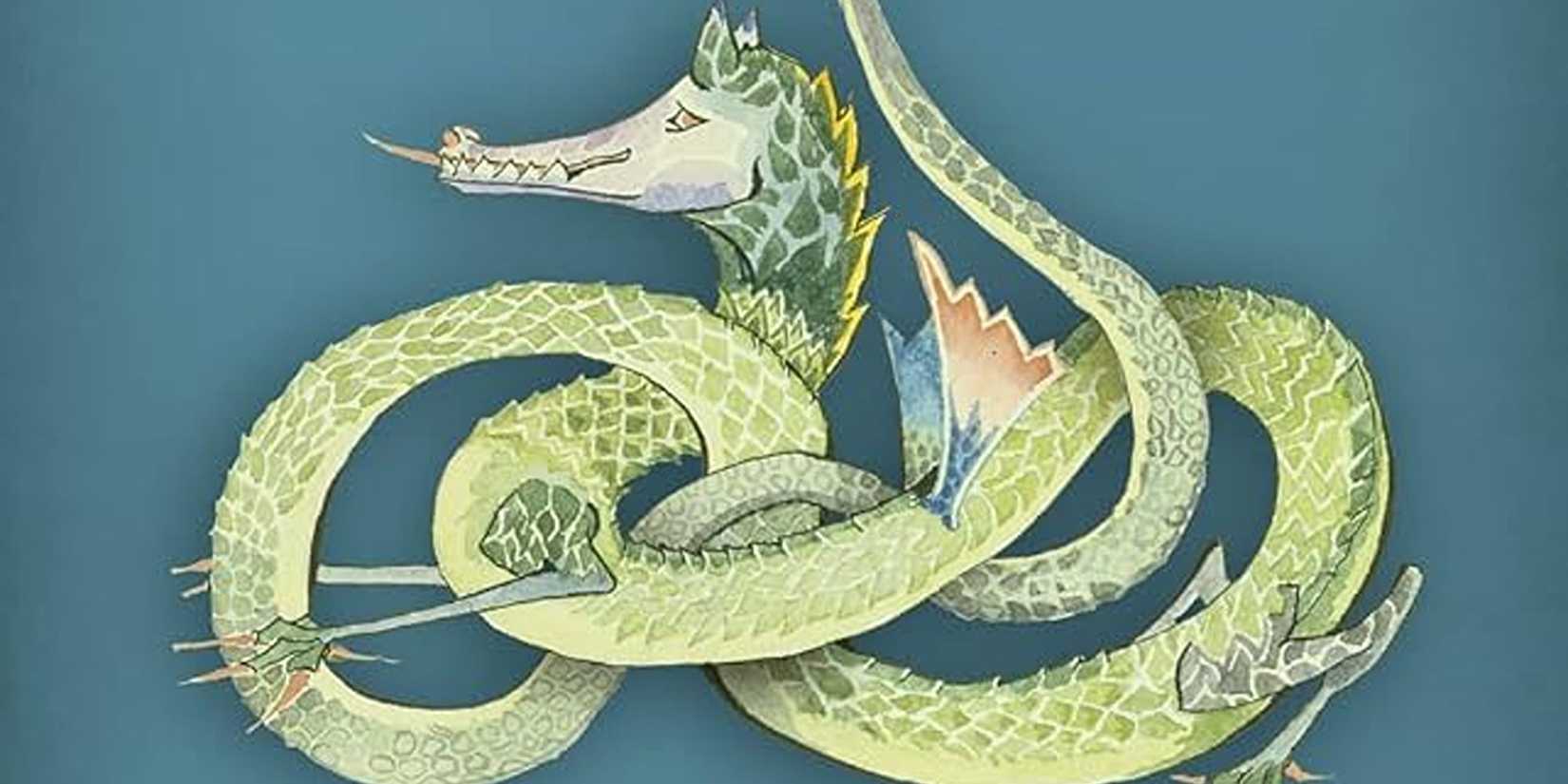 Image via HarperCollins
Beowulf, the oldest surviving epic poem in English, has inspired fantasy writers including Tolkien, who wrote an essay on its importance. Tolkien emphasized the poem’s monsters as representations of human fears and struggles. The idea is embodied by Beowulf’s third and final opponent: a dragon that wakes in fury when someone steals from its hoard.
The dragon can represent the inevitability of decline and the limits of human power. Beowulf kills the creature but dies in the process, suggesting that some forces cannot be conquered without cost. The dragon’s underground lair and ancient treasure also evoke the passage of time and the eventual fall of empires.

Questions About Dragon Books
Which dragon book features Smaug? Smaug appears in J. R. R. Tolkien’s The Hobbit, where he guards stolen treasure and uses conversation to manipulate others.
Which fantasy book is told from a dragon’s perspective? E. E. Knight’s Dragon Champion follows AuRon, a young dragon, and focuses on his life in the wild.
Which books feature dragon riders? Anne McCaffrey’s Dragonflight and Naomi Novik’s His Majesty’s Dragon both depict dragons bonded with human riders.
What does the dragon symbolize in Beowulf? The dragon can represent the limits of human power, the passage of time and the decline of empires.