
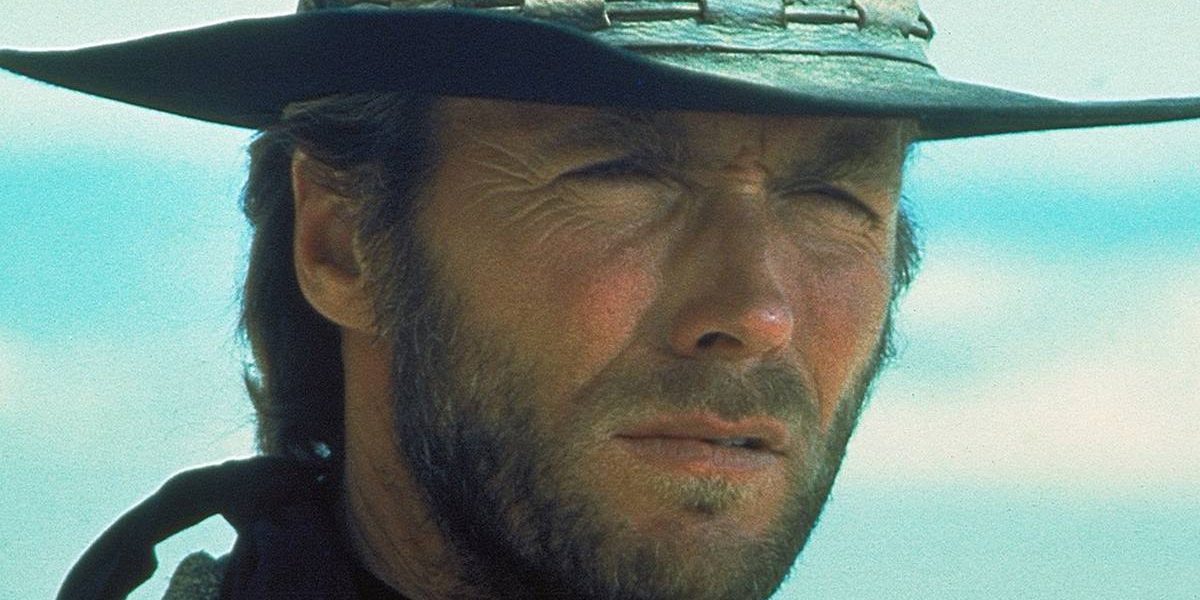
Clint Eastwood is one of the most influential actors, filmmakers, and artists in cinematic history, and has successfully endeared himself as an icon for multiple generations. While seeing accomplished actors become directors is by no means uncommon, Eastwood’s transition is completely incomparable. After becoming one of the biggest stars in the world in the 1960s, Eastwood decided to step behind the camera and became an even more accomplished filmmaker, winning two Best Director trophies at the Academy Awards for Million Dollar Baby and Unforgiven. While it was not his breakout film, nor his directorial debut, the 1973 Western High Plains Drifter was the film that changed everything for Eastwood.
Clint Eastwood Made His Directorial Debut With ‘Play Misty For Me’
While he had dabbled in low-budget monster movies during the early stages of his career in the 1950s, Eastwood would have to wait until he stepped outside of the American film industry to get his breakthrough role as an actor. After being cast as the enigmatic “The Man With No Name” in Sergio Leone’s 1964 Western A Fistful of Dollars, Eastwood’s popularity allowed him to star in the sequels For a Few Dollars More and <em>The Good, The Bad, and The Ugly</em>. The success of Eastwood’s international projects gave him more clout when he returned to make American studio films. It was a somewhat ironic fate for an actor who had initially been fired by Universal Studios for not being a typical “movie star.”
Unfortunately, the Western films in the United States had not yet adopted the same stylistic qualities that had hallmarked the “Spaghetti Westerns” that Eastwood had built his reputation on. Compared to the energetic, subversive approach to action and suspense that Leone had epitomized in “The Man With No Name” trilogy, the American Westerns Eastwood starred in felt antiquated and generic in comparison. Both 1968’s Hang ‘Em High and 1972’s Joe Kidd, while being entirely watchable, reflected a more traditional style of Westerns reminiscent of the Golden Age of Hollywood. They simply did not take advantage of the unique talents that Eastwood had as a star.
However, Eastwood was able to experiment working behind the camera with his 1971 directorial debut Play Misty For Me. Essentially a slasher film that drew significant influence from the works of the great Alfred Hitchcock, Play Misty For Me starred Eastwood as the charismatic radio DJ Dave Garver, who is stalked by his obsessive fan Evelyn Draper (Jessica Walter). Appearing in a psychological thriller with overt sexual undertones was certainly a change of pace for Eastwood, as it wasn’t a genre that he was that familiar with. Nonetheless, Play Misty For Me indicated that Eastwood could direct a film with energy and vision, showing he had a strong grasp on the genre. It also indicated that he was talented at directing himself, as his performance in Play Misty For Me was far stronger than his work in Hang ‘Em High or Joe Kidd. The success of Play Misty For Me inspired Eastwood to return to the Western genre for a film that he would both direct and star in.
Clint Eastwood’s ‘High Plains Drifter’ Changed the Western Genre
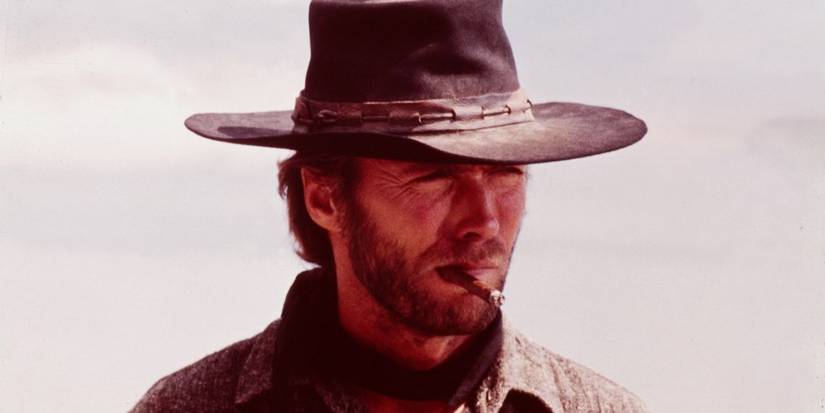
Set in the isolated town of Lago during the height of the Wild West period, High Plains Drifter was a unique Western that reflected the international influence of Leone’s films. High Plains Drifter lacked the stylized approach to action that had made A Fistful of Dollars so notable, as it opted for overt graphic violence and narrative momentum. However, the meandering pace and focus on building suspense was clearly lifted from the work that Leone had done in the iconic final shootout of The Good, The Bad, and The Ugly. While this type of filmmaking style was common internationally, Eastwood perfectly synthesized it with the American approach to High Plains Drifter.
While he drew inspiration from his past collaborators, Eastwood developed a style of revisionist Westerns with High Plains Drifter. Compared to the “Golden Age of Hollywood” Westerns that tended to feature easily identifiable heroes and villains, High Plains Drifter had much more ethically ambiguous themes. Eastwood’s character, a mysterious gunslinger known only as “The Stranger,” is presented as a violent thug who is forced to help defend an innocent town from the impending attack of a gang of thugs. While he is forced into a position where he must act heroically, “The Stranger” is not motivated by any obligation to the law. The final action sequence is among the most gruesome that Eastwood has ever directed — it serves as a reminder that “The Stranger” is a character to be feared, regardless of where the characters’ loyalties lie.
‘High Plains Drifter’ Pays Homage to Leone, but Stands on Its Own
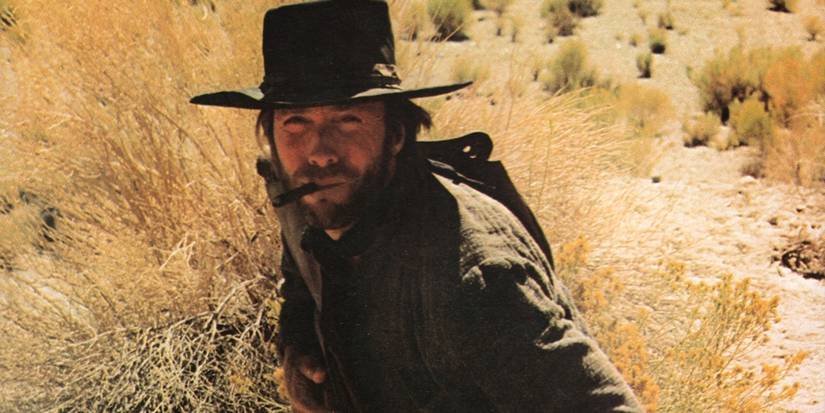
Leone’s influence on Eastwood is written all over High Plains Drifter, from the grizzly, mysterious protagonist with no name to the moral ambiguity inherent in the Spaghetti Western tradition. But while Eastwood’s Spaghetti Western roots certainly shaped elements of his second directorial feature, High Plains Drifter has its own distinct supernatural flair that turns what could be a straightforward revisionist Western into an unexpected ghost story. So while Eastwood could easily have fallen into the trap of crafting a Leone knockoff, another story about a mysterious “Stranger” with questionable loyalties, High Plains Drifter showed Eastwood’s potential to stand on his own as a director.
The film’s grim dismantling of the Western tradition complements the eerie mysticism that is necessary for what is essentially a spiritual ghost story. Eastwood’s directing is much more baroque here than what we typically see in his later films, with High Plains Drifter opting for a much bolder approach than the reserved minimalism of something like Eastwood’s The Bridges of Madison County. With a shadowy, almost gothic-like style paired with the bleakness of a revisionist Western, Eastwood showed with High Plains Drifter that while he certainly had creative influences, he also had his own vision and wasn’t afraid to reinvent himself.
Clint Eastwood’s Later Classics Were Inspired by ‘High Plains Drifter’
By playing such an unusual protagonist, Eastwood proved that he gave his best performances in films that he directed. “The Stranger” was evidently a character modeled after his inherent strengths as an actor, as he only briefly talks and does not engage in social niceties with the people under his protection. While even the films in Eastwood’s Dirty Harryfranchise called for him to occasionally give comedic one-liners, High Plains Drifter refused to let Eastwood conform to the more standard qualities of a hero. It was a bold acting choice that Eastwood may not have been able to make had he not directed High Plains Drifter himself.
Earning praise for its novel reinvention of the genre, High Plains Drifter kicked off a new era of Eastwood’s career whether he directed many Westerns. Films like Pale Rider and The Outlaw Josey Wales drew similar grim approaches to genre conventions allowing Eastwood to play other violent anti-heroes. Eastwood’s 1992 masterpiece Unforgiven would be seen as self-reflective commentary on revisionist genre he helped create featuring an older gunslinger having to return to lifestyle he abandoned. The success ofUnforgivenwouldn’t have been possible ifHigh Plains Drifterhadn’t laid groundwork.
Which Oscar Best Picture Is Your Perfect Movie?
Parasite · Everything Everywhere · Oppenheimer · Birdman · No Country
Five Oscar Best Picture winners. Five completely different visions of what cinema can be — and what it can do to you. One of them is film made for way your mind works. Ten questions will figure out which one.
Parasite
Everything Everywhere
Oppenheimer
Birdman
No Country for Old Men
01
What kind of film experience do you actually want?
The best movies don’t just entertain — they leave something behind.
Eastwood Continues To Be an Innovator
This iconic movie star deserves recognition as one greatest directors all time should conversation legends like .
One underrated aspect skill set great job directing himself while uncommon actors become filmmakers few balance well directors like Robert Redford Jon Favreau don’t always appear films make some filmmakers Kevin Costner Mel Gibson called bland performances directing themselves quite easy actor give starring role shows remarkable degree self-awareness casting himself example playing dark character means traditional hero quintessential changing expectations western could during period Americans began reckon fact wild west represented fairly ugly moment national history able show toxic character forced find redemption.
What particularly admirable has continued relevant later years making interesting projects speak modern themes Between ripped headlines true stories Mule American Sniper Changeling The 15:17 Paris Richard Jewell shown keen interest exploring nature real heroes despite industry dominated comic book franchises multiverses Although barely received sort theatrical release latest presumably final film legal drama Juror #2 might best thing made since winning second Best Director Oscar Million Dollar Baby confronting ethical gray area judiciary system intertwining compelling mystery storyline confront viewers serious debate bound spark discourse many years come.

[nospin]Here you can find original article photos images used our article also come from this source We are not their authors have been used solely informational purposes proper attribution their original source.[nospin]







