

When Netflix announced in August that The Waterfront would not return for a second season, it caught many by surprise. The Kevin Williamson (Scream)–created drama spent five weeks in Netflix’s global Top 10 and hit No. 1 for three of them, peaking at over 11 million views in its first full week. For a show cancelled after just one season, those numbers were unusually strong.
Williamson, who informed the cast and crew directly, admitted he was disappointed but grateful. “It was one of the best experiences of my life,” he wrote in an Instagram Story post after news broke. But viewers who invested in the Buckley family’s messy, crime-laced saga were left wondering why Netflix pulled the plug.
Higher Ratings Than Renewed Shows
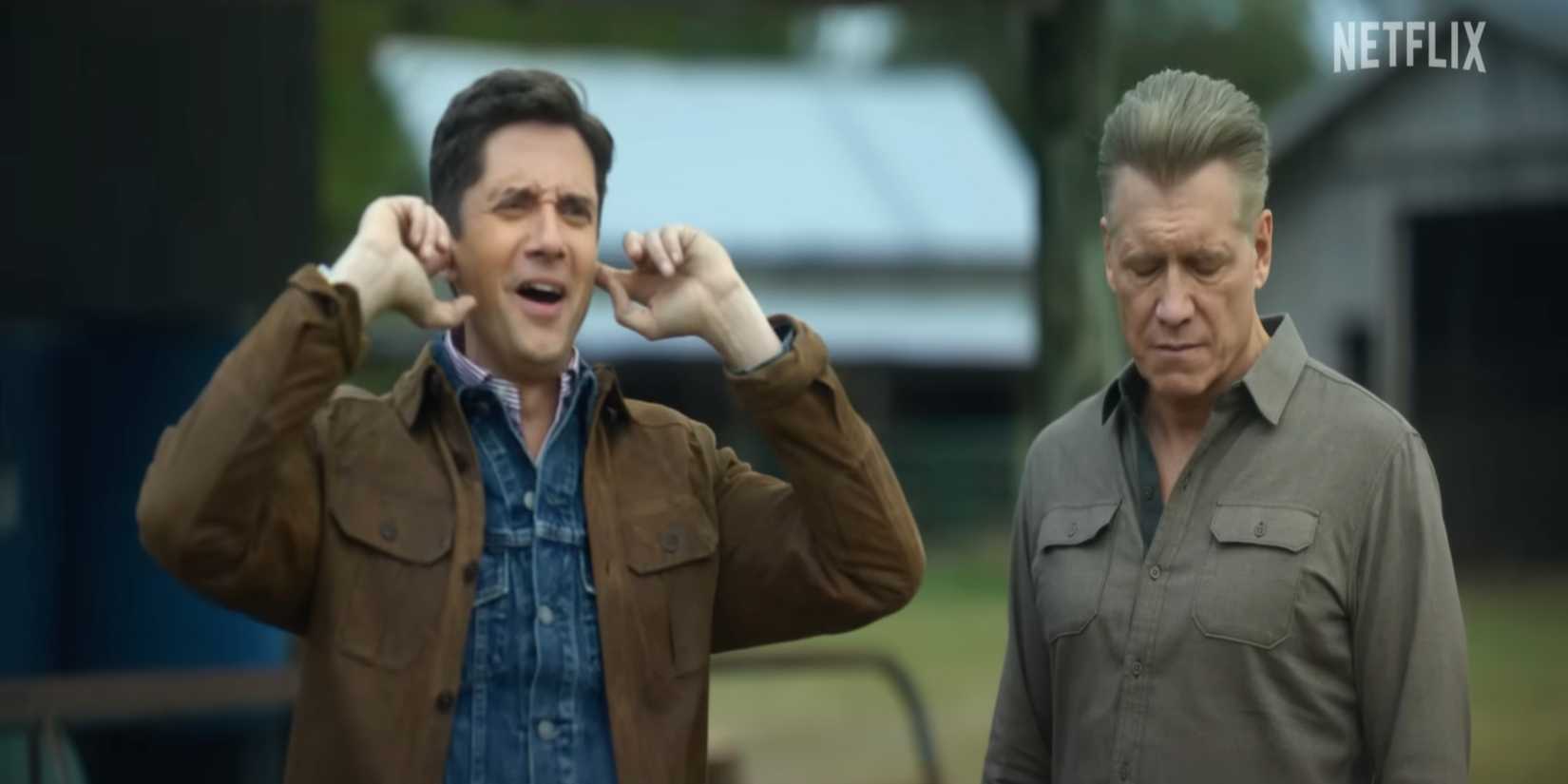
The decision looks even stranger when placed side by side with Netflix’s recent renewals. Fellow 2025 freshman dramas <em>Ransom Canyon</em> and Forever both secured second seasons despite performing below The Waterfront. Ransom Canyon peaked at 9.4 million views, while Forever topped out at 6.7 million — well below the Buckleys’ 11.6 million.
Even more puzzling, The Waterfront also outperformed other shows Netflix cancelled this year. Pulse and The Residence each made it four weeks in the Top 10 with peaks under 9 million views. By comparison, The Waterfront was stronger across the board.
So what went wrong? According to Deadline’s reporting, Netflix wasn’t satisfied with the “completion rate” — a behind-the-scenes metric measuring how many viewers actually finish all the episodes. The streamer rarely makes these numbers public, but sources said the completion rate wasn’t high enough to justify the budget.
Budget may have been another strike. With a cast that included Holt McCallany (Mindhunter), Maria Bello (ER), Melissa Benoist (Supergirl), and Topher Grace (That ’70s Show), the show wasn’t cheap. Netflix may have decided that, despite its visibility, the cost-to-performance balance didn’t line up compared to in-house productions like Ransom Canyon.
A Story Cut Short Too Soon
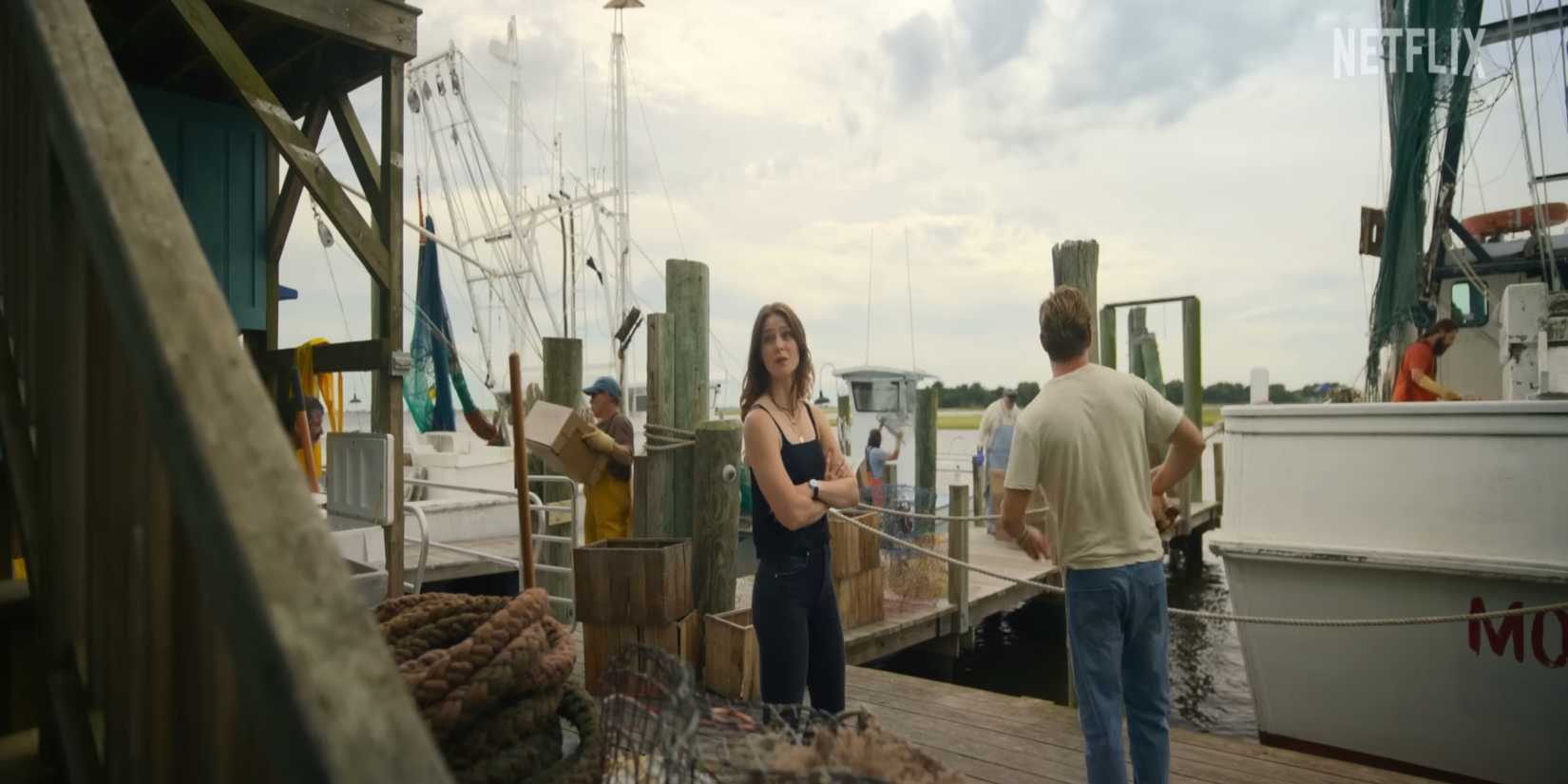
The cancellation stings all the more because Season 1 ended with a dramatic cliffhanger. The finale saw the Buckleys locked in a violent showdown with smuggler Grady (Grace) that nearly cost them their lives. Bree Buckley (Benoist) was left injured but alive, hinting at a darker second season that would explore the family’s next battle.
Williamson had plans for at least three seasons. He told reporters that Netflix’s “magic number” is three, and he pitched accordingly, with storylines mapped out well beyond the season 1 finale. That vision will never make it to the screen.
For fans, the math doesn’t add up. A show that held the top global slot for multiple weeks and beat out several renewals was still axed, with the opaque “completion rate” cited as a deciding factor. It’s another reminder that Netflix’s cancellation process isn’t just about raw popularity, but that it’s also about economics, algorithms, and long-term strategy.
The streamer has renewed nearly 20 scripted shows in 2025, including Dept. Q, Untamed, and The Vince Staples Show. But The Waterfront’s fate highlights the precariousness of investing in new Netflix dramas: Even substantial numbers aren’t a guarantee.
The Waterfront seemed poised to become Netflix’s next buzzy family-crime saga. Instead, it joins a growing list of popular one-season shows abruptly cut short. Viewers may never know the whole story behind the decision, but it signifies a frustrating trend that success on Netflix doesn’t always mean survival.