Let’s ask a question that matters to the future of plus size fashion: Are we supporting the plus size brands already making clothes for us?

Every few months, news seems to arrive of another plus size clothing store closing, another brand dropping its extended sizes or another designer deciding the plus size market is not worth investing in.
The response from the plus size community is understandably disappointment, frustration and sometimes anger.
Why can’t we have nice things? Why does the fashion industry continue to overlook us? Why can’t we have the same choices as straight-size women?
Those are legitimate questions, and I have asked them too.
But there is another question worth asking:
Are we supporting the plus size businesses that are already here?
Despite store closures and real shortcomings across the fashion industry, many brands are still making clothes for plus size women.
Some are established companies; others are independent designers working from small studios and manufacturing spaces. They make everything from affordable everyday clothing to collections with luxury fabrics, distinctive silhouettes and designer-level styling for a customer the industry has overlooked for decades.
These businesses exist.
And I don’t think enough of us are choosing to shop with them.
What choices does plus size fashion offer today?
The plus size fashion market still has gaps, but it has also made progress.
More variety is still needed.
Better fabrics matter too.
We also need more thoughtful sizing, better construction and more distinctive designs that recognize plus size women do not all want to dress alike.
At the same time, it is worth recognizing how much has changed.


There was a time when plus size shopping meant choosing from a few department-store racks or specialty shops carrying much the same clothes in different colors.
Today, independent designers make everything from eveningwear and contemporary sportswear to leather jackets, tailored suits, swimwear and resort clothing.
Brands serve women who want minimalist wardrobes, vintage-inspired styles, conservative clothing or dramatic looks with a runway sensibility.
Not every brand carries every size, and not every collection suits every customer; substantial gaps remain in the market.
But imperfect choices are not the same as having no choices.
Understandable frustration about what is missing can sometimes distract us from the options that are available.
How can customers help small fashion businesses survive?
I know firsthand, as the founder of Santé Grace, that creating a clothing line is expensive.
Developing a plus size clothing line can be especially costly.
The work includes developing and grading patterns, sourcing fabric, making and fitting samples, paying manufacturers, photographing collections, maintaining a website, advertising, shipping orders and managing inventory.
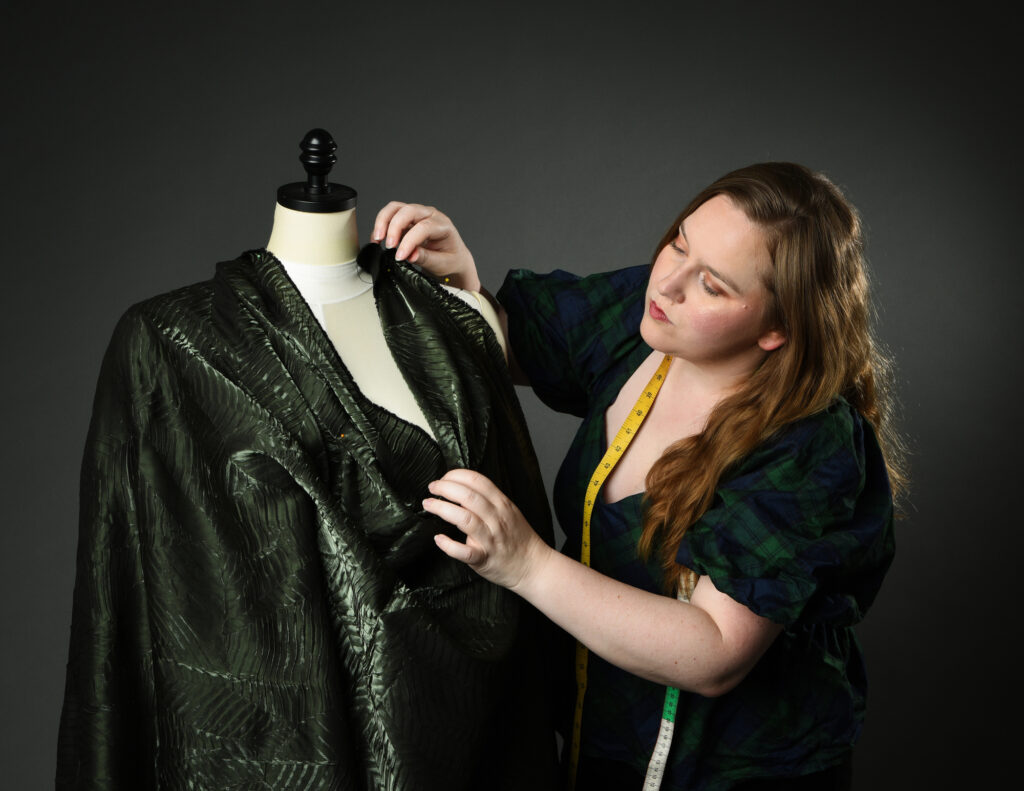
Unlike a large corporation, a small independent designer often cannot absorb costly mistakes with millions of dollars in reserve.
When a product does not sell, the business feels the impact.
When a new size is introduced and only a few customers buy it, the investment is still felt.
When a garment earns compliments online but few actual orders, the business feels that gap too.
I often see people celebrate the announcement of a new plus size brand with genuine enthusiasm.
The comments are encouraging.
Finally! Someone making clothes for us!
We need more designers like this!
I love everything!
But enthusiasm does not pay the manufacturer.
Likes do not pay the patternmaker.
Compliments alone do not keep a business running.
Support has to translate into sales for a business to continue.
That does not mean buying what you do not need or spending money you do not have. It means considering the brands investing in you when you are ready to shop.
How should you give a brand useful feedback?
A useful step is to tell a brand what works for you and what does not.
Imagine finding a new plus size designer whose aesthetic, fabrics and collection appeal to you.
But the sleeves are too short.
Or the dresses are not long enough.
Or the size range ends one size below yours.
Or you would prefer more trousers and fewer dresses.
What can you do?
Too often, shoppers simply move on.
Some instead turn to social media to list everything they dislike about the brand.
There is another option.
Contact the owner.
Send an email or a thoughtful comment. Ask whether the brand might extend its size range, explain what you value about the collection and describe what would make it work better for you.
Independent designers may be receptive to constructive customer feedback.
Many designers started businesses because they were dissatisfied with the clothes available to them, so they understand that frustration.
When you contact a small business, you may reach the person making the decisions directly, rather than having your feedback passed through a large company’s research department.
That does not mean every suggestion can be acted on immediately.
Adding a size can require new pattern development, additional fittings, new inventory and a substantial financial commitment; it is not always a matter of simply enlarging an existing pattern.
Changes to fabric or manufacturing methods can also affect the price.
Constructive feedback gives a business useful customer information.
When many customers ask for a particular style, length, fabric or size, that feedback can help inform a future collection.
That is more useful than silently walking away.
Does every plus size brand need to serve every shopper?
No. It is unrealistic to expect every plus size brand to meet the needs of every plus size woman.
We do not expect that from straight-size fashion.
Shoppers do not expect Saint Laurent to offer the same merchandise, prices or design approach as Old Navy.
Different fashion brands serve different customers.
The plus size market benefits from that same diversity.
Some shoppers want inexpensive basics; others are willing to invest in well-constructed clothes they expect to wear for years.
Some prefer bright colors and dramatic prints, while others choose black, white, camel and tailored separates.
Some want trend-led clothing; others prefer styles that are not driven by trends.
Each of these customers deserves options.
Each business also deserves the chance to find its audience.
A brand is not necessarily failing the community because its aesthetic, price point or fit does not suit you.
You may simply not be that brand’s customer.
And that is all right.
Why do independent plus size clothes sometimes cost more?
Price is one of fashion’s most difficult conversations.
We ask for better fabrics, ethical manufacturing, thoughtful design, good fit and durable clothing.
Those are worthwhile expectations.
But producing them costs money.
A small designer making 50 garments cannot manufacture at the same cost as a multinational company producing 50,000.
That does not mean every expensive garment is worth its price, and customers should still expect quality.
It does mean that shoppers should understand the economics behind the products they ask for.
Small production runs, better materials, skilled workers and extended sizing all have financial consequences for independent designers.
When a business cannot sell enough merchandise to cover its costs, it may eventually disappear.
Then shoppers may again ask why beautiful clothes are not available in their sizes.
How can shoppers support plus size fashion without buying constantly?
The plus size community has spent decades calling for visibility, representation and better fashion.
Those demands have contributed to changes in the industry.
Consumer influence includes encouraging brands to enter the market and helping good businesses stay in it.
You do not need to buy something every week to support a business.
You can recommend a designer to a friend, share a brand whose work you genuinely admire, write a thoughtful review or introduce someone to a boutique they have not discovered.
When you have a clothing budget, consider where you want your money to go.
Do you want more independent designers making plus size collections?
Do you want more companies to invest in sizes 3X, 4X and 5X?
Do you want better fabrics, more sophisticated designs and greater variety?
Then help show that a sustainable market exists for those products through purchasing decisions as well as comments and conversations.
Businesses do not survive on what customers say they want.
Businesses survive on what customers buy.
How can customers hold brands accountable constructively?
Supporting a brand does not mean lowering your standards.
Quite the opposite.
Plus size women should expect thoughtful design, accurate sizing, good customer service and clothes worth their money.
There is also room for more conversation and less condemnation.
If a designer makes a mistake, give them an opportunity to address it.
If you like a brand but want it to offer something different, tell the business.
Recognize a company’s effort to serve the community while continuing to hold it accountable.
If a small business makes something you love, tell someone about it.
A new designer cannot be expected to launch with perfect sizing, unlimited inventory, every style and prices that work for everyone.
Businesses grow, collections evolve and designers learn.
But businesses need customers to remain open long enough to make those changes.
How can customers shape the future of plus size fashion?
I started Santé Grace because I wanted clothes that reflected my taste, my lifestyle and the woman I had become.
I did not want to compromise on style because of my size.
I know I am not alone in that experience.
Designers around the world have started businesses for similar reasons. They have invested their savings, time, creativity and often their professional lives in making clothes for women who deserve better choices.
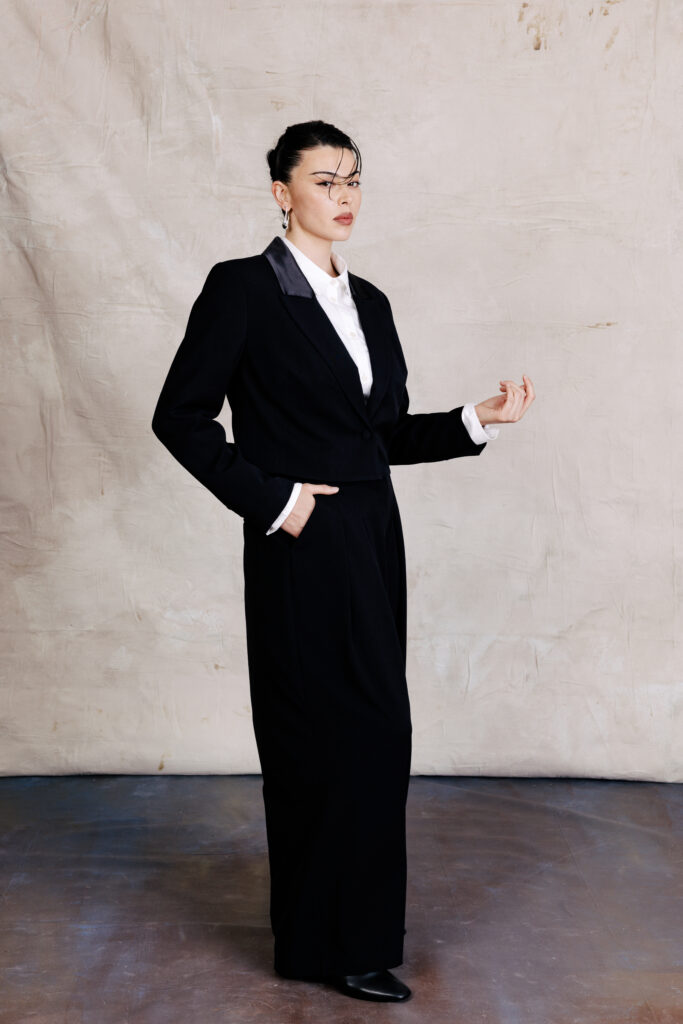
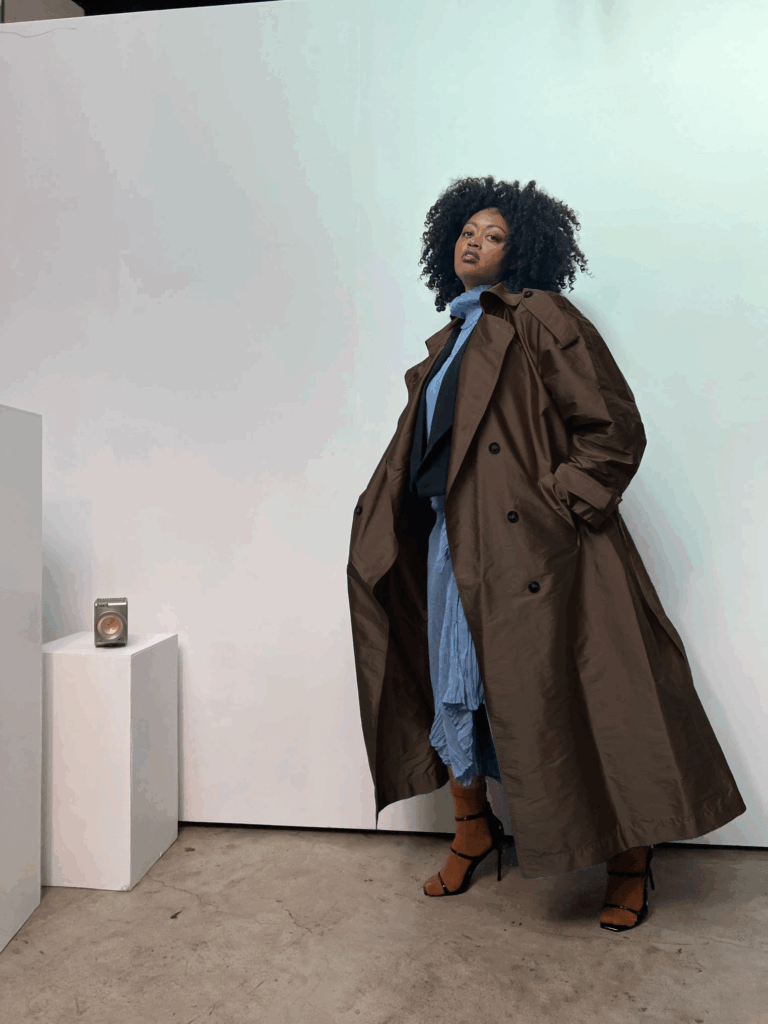
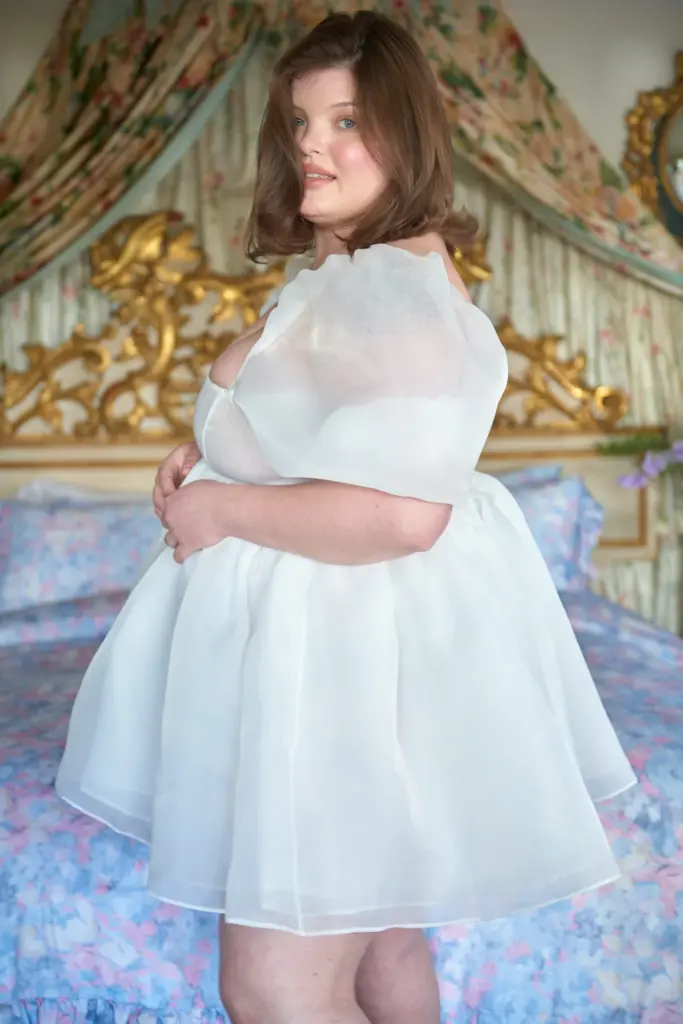
Some of these businesses will succeed, and some will not.
That is the reality of business.
Talented designers may disappear if interested customers never discover them, communicate with them or give their work a chance.
Here is my request.
Next time you are looking for something to wear, take time to explore the plus size businesses that already exist.
Find designers whose work speaks to you.
Ask questions, share feedback and tell designers what you would like to see next.
When you find something you love and can afford, consider buying it.
Keep asking more of the fashion industry, and support the people already working to offer more.
A future with beautiful, varied plus size fashion also depends on building a market that can sustain it.
That starts with us.
Tracy Christian is the founder and designer of Santé Grace, a Los Angeles-based fashion label creating sophisticated clothing and accessories for women in sizes 1X-5X.
MORE TCF GAMES