
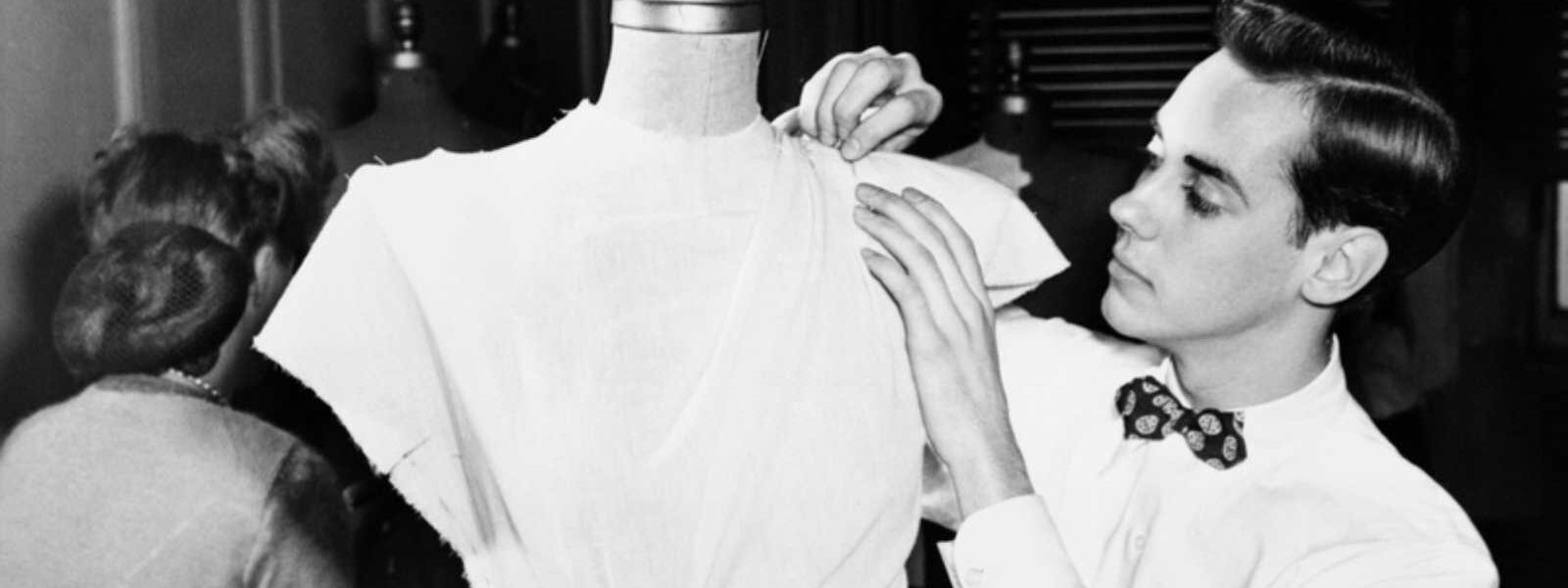
At a time when GLP-1 medications have normalized rapid physiological transformation, the fashion industry finds itself at a precarious intersection of biology and commerce, research by Katie Baker Jones from West Virginia University highlights.
For years, the industry’s failure to achieve genuine, consistent size inclusivity forced a narrow definition of the ideal silhouette, inadvertently fueling the demand for medicalized weight management as a gateway to better fit and social belonging.
By tethering style to a shrinking standard, fashion has not merely reflected body diversity; it has actively incentivized the pursuit of a smaller, more uniform aesthetic to solve the frustration of being excluded from the rack.
The history of the clothing label is thus not a chronicle of human anatomy, but a ledger of industrial convenience, marketing strategy, and the persistent, quiet cost of trying to force diverse shapes into a factory-made mold that was never designed to accommodate them.
How Did the Civil War Change Sizing?
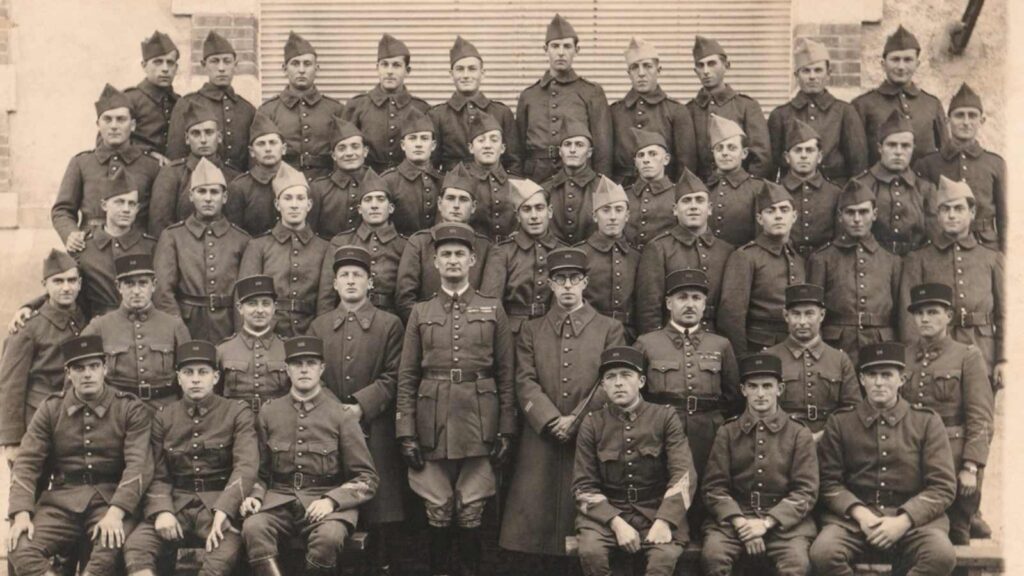
The American ready-to-wear industry traces its lineage to the battlefield rather than the atelier. During the Civil War, the U.S. government required massive quantities of uniforms for conscripted soldiers, necessitating a shift from bespoke tailoring to standardized mass production.
Tailors utilized anthropometric data gathered from soldiers to categorize bodies into manageable, generic size blocks. This transition proved so efficient that by the late 1860s, factories that previously produced military attire pivoted to men’s suits.
This nascent infrastructure eventually set the stage for the industrialization of women’s garments, though the female form remained notoriously resistant to such rigid, linear categorization, unlike the more predictable male physique.
What Was The First Size Study?
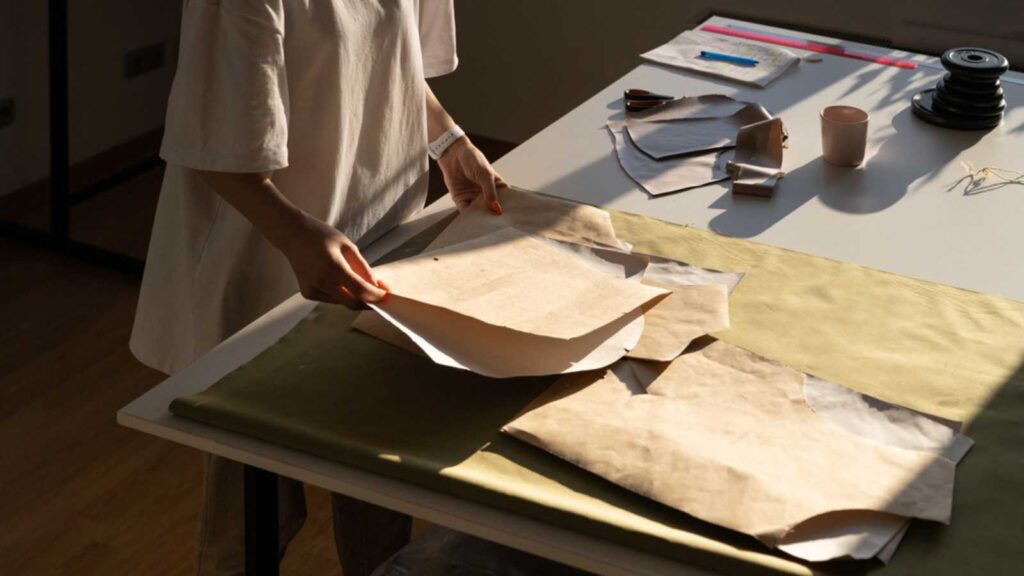
In 1941, statisticians Ruth O’Brien and William Shelton spearheaded an ambitious study funded by the Works Progress Administration to solve the pervasive issue of inconsistent garment fit. Their team meticulously measured nearly 15,000 women across the United States, collecting 59 distinct data points, including abdominal extension and bust-to-bust distance.
This landmark research revealed the profound complexity of female body diversity, effectively debunking the notion that a single measurement could predict a silhouette. While the study proposed a sophisticated three-part sizing system based on height and girth, the industry found the resulting complexity commercially impractical, leading to the eventual shelving of their precise recommendations.
What Is The Hourglass Standard?
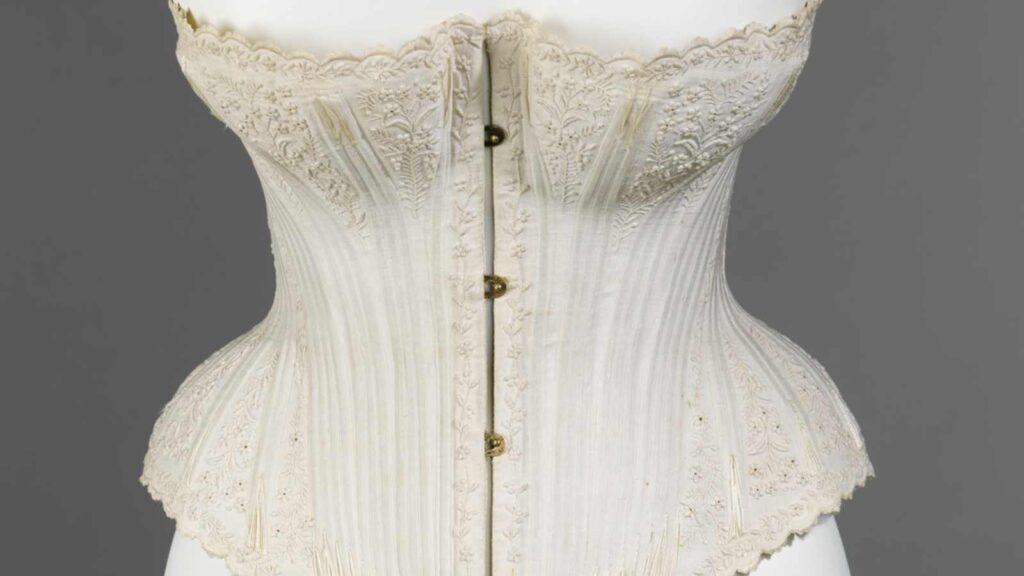
By 1958, the National Bureau of Standards attempted to codify sizing through CS215–58, a system predicated on the hourglass figure.
This standard relied heavily on bust measurements to determine sizing, an approach that historically struggled to account for the actual variation in hip-to-waist ratios among the American population.
Despite the government-backed effort to impose uniformity, the reality was stark; research showed that only 8% of women truly conformed to the standardized hourglass silhouette.
Because the standard was strictly voluntary, manufacturers continued to prioritize their own internal brand metrics, causing the bureau’s guidelines to languish and eventually be withdrawn in 1983.
How Did Catalogs Drive Standardization?

The expansion of mail-order powerhouses like Montgomery Ward and Sears turned fit inconsistency into a high-stakes financial problem.
Returns due to poor sizing led to massive losses for these retailers since rural consumers lacked access to local tailors for adjustments. Because high return rates directly increased merchandise operational costs , retailers pushed for standardized sizing to improve consumer confidence.
This economic pressure explains why early American sizing history is so deeply intertwined with logistical needs of department stores seeking to streamline a sprawling consumer base transitioning away from home-sewn garments.
Why Does Vanity Sizing Exist?
 Image Credit: Towfiqu ahamed barbhuiya/Shutterstock
Vanity sizing emerged not as a manufacturing error but as a deliberate marketing strategy rooted in compensatory self-enhancement theory. By shifting dimensions of size 12 garments to align with measurements previously associated with size 8 , brands actively manipulate consumer perception to foster positive self-image.
Shoppers are significantly more likely to purchase garments when labels reflect smaller sizes since numeric values serve as psychological anchors . This practice has become so pervasive that a study identified a 1937 size 14 dress as equivalent to modern size 0 , illustrating how labels have been decoupled from physical reality to serve emotional utility.
Why Do Clothes Still Misfit?
Image Credit: BearFotos/Shutterstock
Grading , an industrial process of scaling garment samples to create full ranges of sizes , often assumes linear expansion that rarely reflects human physiology . When brands scale patterns , designers apply fixed mathematical increments to bust , waist , and hips.
However , body proportions do not shift at identical rates ; shoulders often widen more slowly than bust or hip , and height does not correlate with girth in predictable fashion . This structural misalignment means that even if garments are perfectly designed for fit models in middle size ranges , they may lose intended silhouettes or functional integrity when scaled across extremes of size spectrum.
What Are Voluntary Size Standards?
Image Credit: Anna Tarazevich/Pexels
Since 1990s , ASTM International has attempted to provide frameworks for body measurements through standards like D5585–95 focusing on misses figure type.
Unlike government mandates , these standards remain entirely voluntary leaving brands navigate their own sizing landscapes based on target demographics and specific market positioning.
Because there is no legal requirement adhere these benchmarks , industry functions fragmented marketplace where size 10 in one boutique may be equivalent size 16 mass-market retailer reflecting prioritization brand identity over universal standard metrics.
How Did Mass Production Change Fashion?
Image Credit: Vladimir Tretyakov/Shutterstock
In 19th century before dominance ready-to-wear clothing primarily handcrafted deeply expensive garment value tied labor required custom fit.
As industrialization took hold focus shifted individual proportions throughput speed transition slop-shops sold coarse generic outer garments near wharves department-store fashion necessitated simplifying shapes minimize production time.
This history reminds us current sizing frustrations inherent byproduct system designed favor manufacturing efficiency over nuanced varied reality human form.
How Did Wardrobes Evolve?
Image Credit: mosman.photo/Shutterstock
Before rise fast fashion average American woman owned fraction clothing found contemporary closet largely because garments durable high-quality expensive replace.
These garments often tailored home-sewn specific proportions modern expectation off-the-rack availability represents radical departure historical consumption patterns.
What Is The Cost Of Alterations?
<imgloading ="lazy " decoding ="async " width ="1024 " height ="576 " src ="https ://thecurvyfashionista .com / wp content uploads uploads uploads uploads uploads uploads uploads uploads uploads uploads uploads uploads uploads uploads uploads uploads uploads uploads uploads uploads uploads uploads uploadsuploadsuploadsuploadsuploadsuploadsuploadsuploadsuploadsuploadsuploadsuploadsuploadsuploadsuploadsuploadsuploadsuploadsuploadsuploadsuploadsuploadsuploadsuploadsuploadsuploadsuploadsuploadsuploadsuploadsuploadsuploadsuploadsuploadsuploadsuploadsuploadsuploadsuploadsuploadsuploadsuploadsuploadsuploadsuploadsuploadsuploadsuploadsuploadsuploadsuuploaduploaduploaduploaduploaduploaduploaduploaduploaduploaduploaduploaduploaduploaduploaduploaduploaduploaduploaduploaduploaduploaduploaduploaduploaduploaduploadloadloadloadloadloadloadloadloadloadloadloadloadloadloadloadloadloadloadloadloadloadloadloadloadloadloadloadloadloadloadloadloadloadloadloadsloadsloadsloadsloadsloadsloadsloadsloadsloadsloadsloadsloadsloadsloadsloadsloadsloadsloadsloadsloadsloadsloadsloadsloadsloadsloadsloadsloadsloadsloadsloadsloadsloadsloads loads loads loads loads loads loads loads loads loads loads loads loads loads loads loads loads loads loads loads loads loads loads loads loads load load load load load load load load load load load load load load load load load load load load load load load load load load load load load load load load load load load load load load upload upload upload upload upload upload upload upload upload upload upload upload upload upload upload upload upload upload upload upload upload upload upload upload upload upload upload upload upload upload upload upload upload upload upload uplaod uplaod uplaod uplaod uplaod uplaod uplaod uplaod uplaod uplaod uplaod uplaod uplaod uplaod uplaod uplaod uplaod uplaod uplaod uplaod uplaod uplaod uplaod uplaod uplaod uplaod uplaod uplaod uplaod uplaoduploaudupaupdaupdaupdaupdaupdaupdaupdaupdaupdaupdaupdaupdaupdaupdaupdaupdaupdaupdaupdaupdaupdaupdaupdaudupdaudupdaudupdaudupdaudupdaudupdaudupdaudupdaudupdaudupdaudupdaudupdaudupdaudupdaudupdaudupdaudupdaudupdaudupdaudupdaudupdaudupdaudupdaudupdaudpaupaupaupaupaupaupaupaupaupaupaupaupaupaupaupaupaupaupaupaupaupaupaupaupaupaupaupaupaupaupaupaupaupaupaua