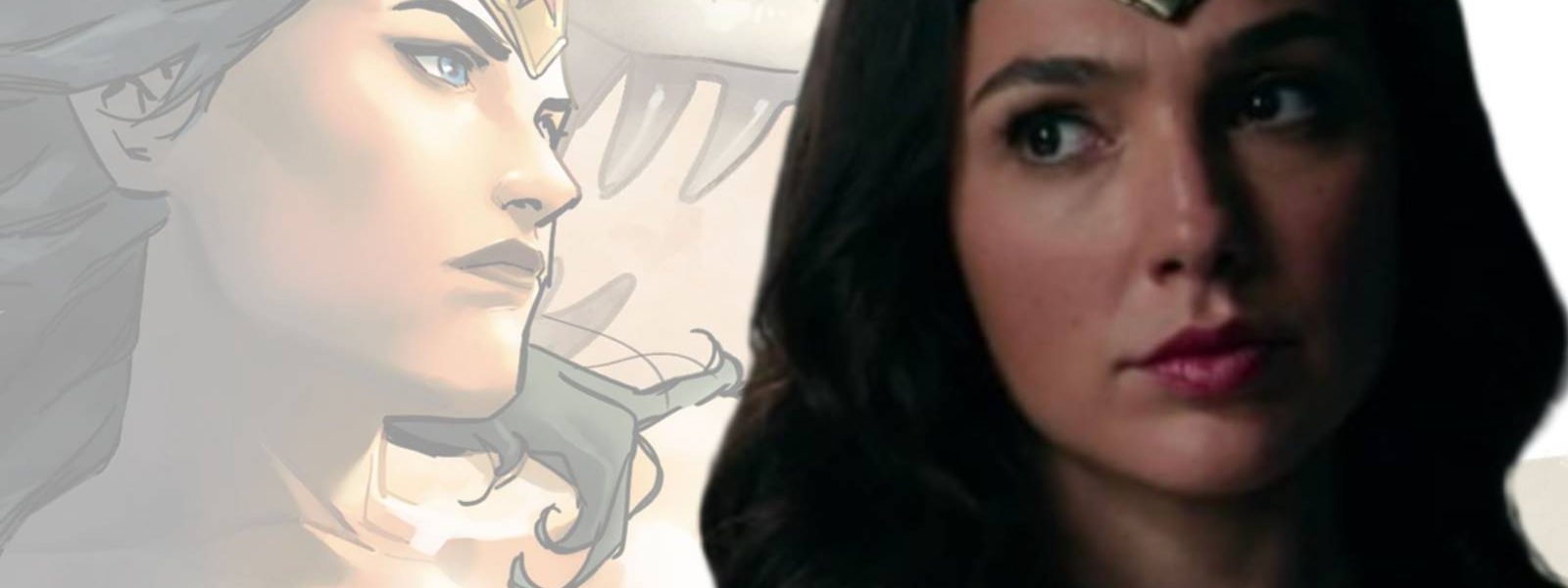
Batman/Wonder Woman: Truth, by writer Jeph Loeb and artist Jim Cheung, presents a straightforward narrative that excels in the internal reflections of Wonder Woman and Batman, complemented by Cheung’s stunning artwork. While revisiting the era of DC’s Batman: Hush is enjoyable, Batman/Wonder Woman: Truth starkly illustrates how certain comic book writing conventions, particularly regarding the portrayal of women, are better left in the past.
The comics industry has evolved significantly, with modern stories treating characters with greater respect and challenging outdated norms and blatant misogyny. For instance, Kelly Thompson and Hayden Sherman’s ongoing Absolute Wonder Woman series beautifully reinvents Princess Diana, embracing her character with the depth and complexity she deserves. Unfortunately, Batman/Wonder Woman: Truth does a disservice to Wonder Woman, Catwoman, and Harley Quinn, highlighting how far they have progressed as characters.
Batman/Wonder Woman: Truth Is Weirdly Sexist
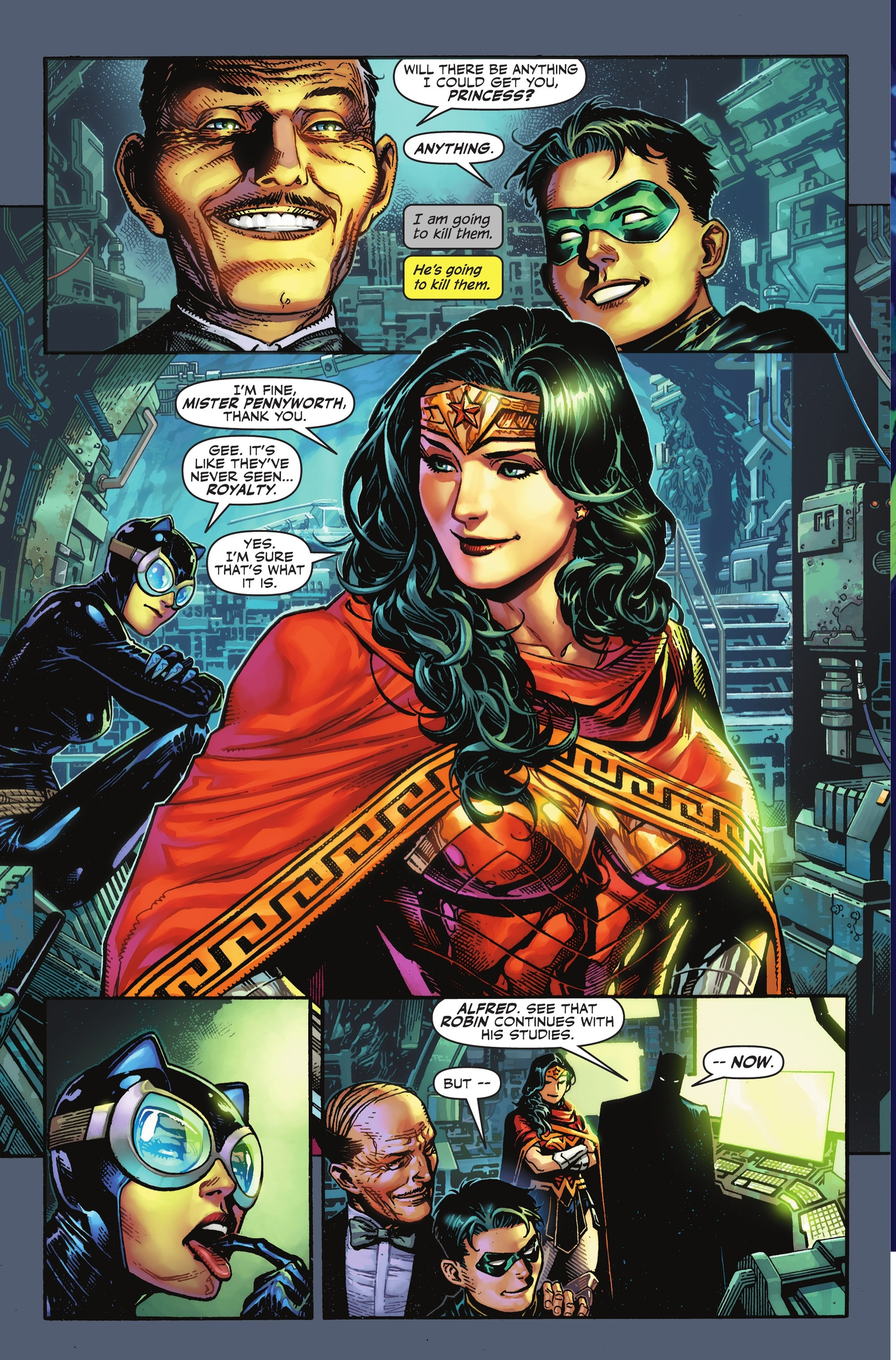
Catwoman’s portrayal in Batman/Wonder Woman: Truth is disappointing, reduced to being a scorned ex-girlfriend. It is explicitly stated that Catwoman’s spiteful “tone” toward Batman stems from their breakup, which she confesses while using Wonder Woman’s Lasso of Truth.
The most glaring moment of sexism occurs when Wonder Woman, Batman, and Catwoman visit the Batcave to trace the lasso’s energy signature. Here, both Alfred Pennyworth and Robin gawk at Wonder Woman, who realizes their admiration is not due to her being “royalty.”
This awkwardness forces Batman to dismiss them like children with crushes during recess, further exacerbated by Alfred and Robin’s creepy stares as they leave. The subsequent dialogue between Wonder Woman and Catwoman is equally out of touch:
“What is it with men and their toys?”
“I know, right?”
“Do not think for a second I meant this as any sort of female bonding.”
“Mrrow.”
This dialogue reduces characters to outdated gender stereotypes. Including such a sequence is bewildering since the elementary plot of Batman/Wonder Woman: Truth would remain unaffected if this filler trip to the Batcave were omitted entirely.
Joker And Harley Quinn Have Come A Long Way
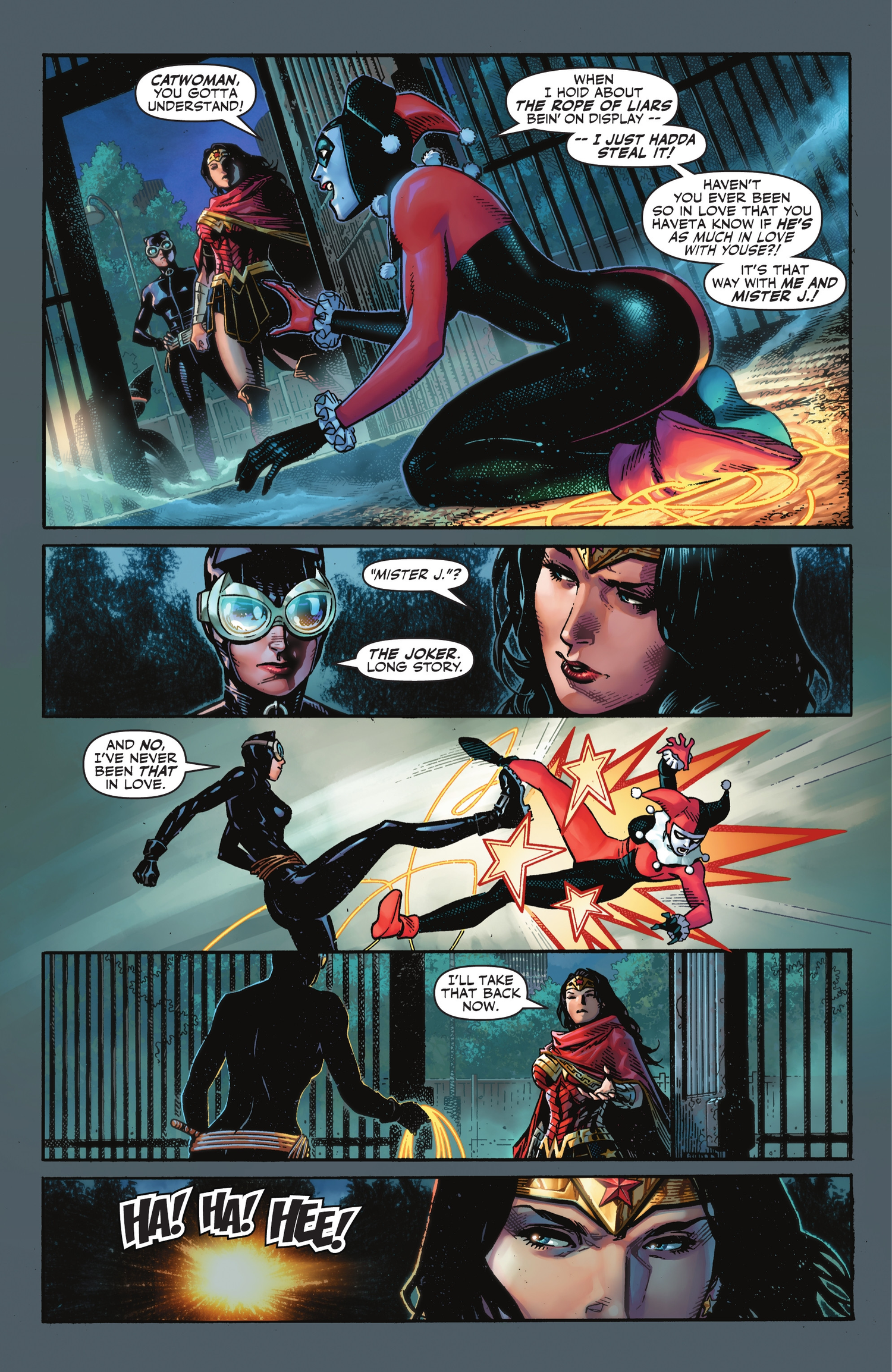
The depiction of Joker and Harley Quinn’s relationship in Batman/Wonder Woman: Truth, set shortly after the events of Batman: Hush, may be alarming given Harley’s significant development in recent years. This version of Harley, dressed in her classic red-and-black harlequin costume, is tragically manipulated by Joker and remains devoted to him despite his cruelty—her defining trait since her debut in Batman: The Animated Series.
Todays’ Joker and Harley are vastly different from their past selves. Joker has undergone emotional regulation through Dr. Annika Zeller’s Crown of Storms and has become sane, while Harley has evolved into an anti-heroine (though she ironically lacks a clear identity now). Their toxic relationship has been severed.
This portrayal may be jarring after more than two decades of character development but accurately reflects their past relationship dynamics. However, we do not see Joker and Harley interact in Batman/Wonder Woman: Truth; instead, Wonder Woman and Catwoman’s portrayals seem unnecessarily degrading within this short narrative.
Wonder Woman Deserves Better In Her Own Comic
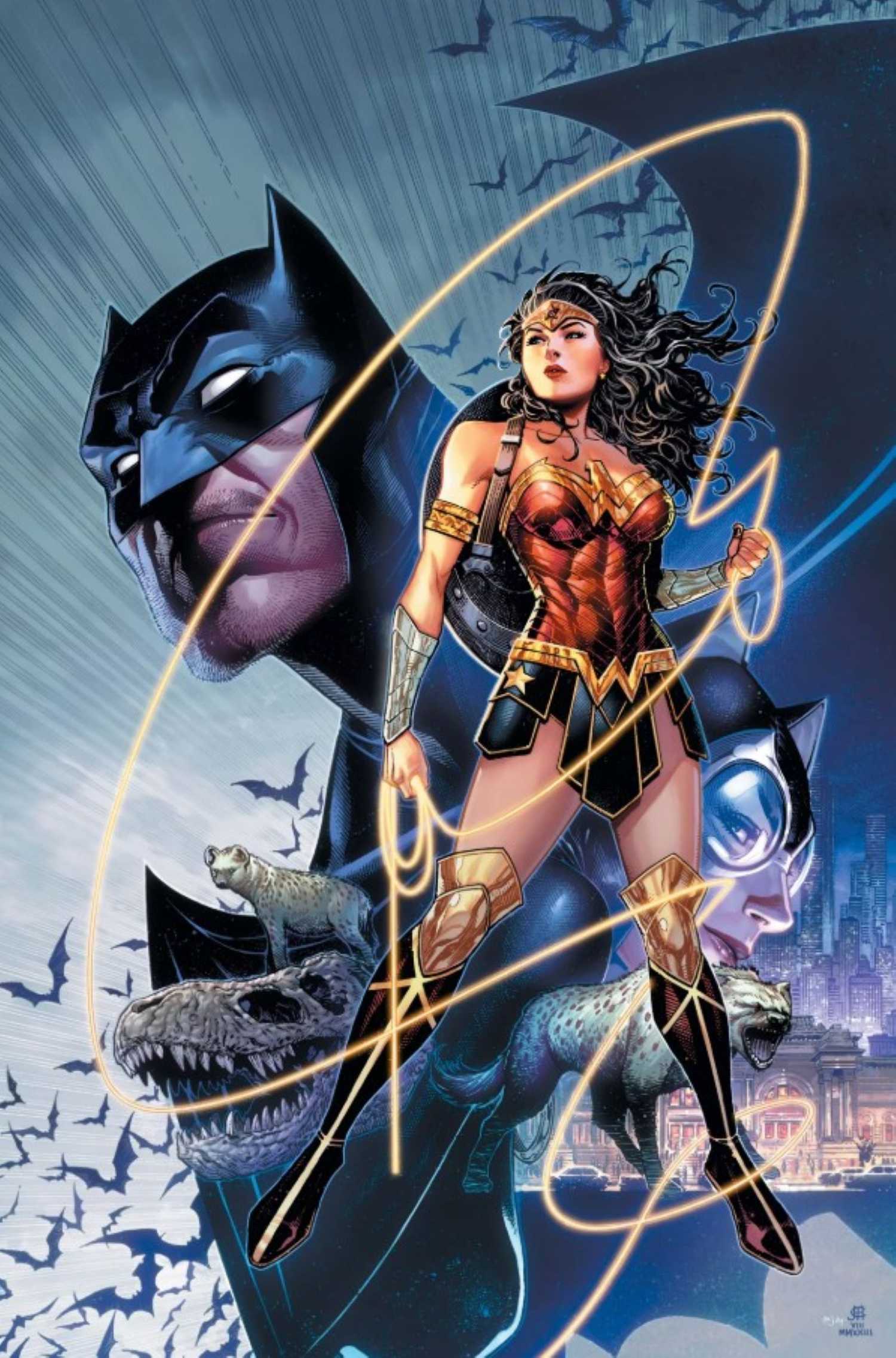
Batman/Wonder Woman: Truth, while a crossover featuring both titular characters, primarily focuses on Batman’s narrative (including his rogues’ gallery and supporting cast), leaving Wonder Woman as a secondary character serving Batman’s arc. Essentially, Princess Diana of Themyscira appears for a charity event themed around her character while guiding an emotionally guarded Batman through his romantic struggles.
This story also introduces a troubling aspect regarding Wonder Woman and the Amazons, suggesting she earned her role as Themyscira’s representative through violent means against her sisters in a gladiatorial contest.
The comic allows Bruce Wayne to flirt with Diana at the exhibition—a behavior fitting for his billionaire persona—yet Alfred and Robin’s ogling is unjustifiable. Furthermore, Catwoman and Batman’s relationship issues lack sufficient development and are no more engaging than Harley and Joker’s poorly conceived plans to steal Wonder Woman’s lasso.
This suggests that the lasso may hold more narrative significance than Wonder Woman herself unless considering her role as Batman’s emotional support who ultimately reassures him he is deserving of love. These moments are poignant at both the beginning and end of the comic but are overshadowed by the portrayal of Wonder Woman, which is filtered through a male perspective without giving her a more substantial role in Batman/Wonder Woman: Truth.
Batman/Wonder Woman: Truth #1 is available now.
Wonder Woman is the superhero identity of Diana, Princess of the Amazons. Created on the island of Themyscira, Wonder Woman is a super-powered demi-goddess with extreme physical strength who utilizes magical gifts (like her famous Lasso of Truth) to defeat her foes. As mighty as her fellow heroes Superman and the Justice League, Wonder Woman is unmatched in her compassion and virtue.