Although Twin Peaks was an incredibly ambitious series, another small-town murder mystery that owed a creative debt to the show managed to make it seem small in comparison. If you can’t go better, you can always go bigger. This maxim has been part of TV production for as long as the medium has been around, with networks and, more recently, streaming services vying for eyeballs by trying to create the most impressive, immersive fictional world regardless of how much this complicates its internal storytelling.
From Netflix’s The Witcher and Castlevania franchises to HBO’s Game of Thrones and its upcoming Harry Potter reboot, fantasy shows are particularly infamous for featuring endless ambitious worldbuilding that can sometimes slow the actual storytelling of a series down to a crawl. However, some mystery shows are just as ambitious when it comes to their worldbuilding. Mystery box shows like Lost, The Leftovers, and Netflix’s massive mystery franchise Stranger Things all told stories on a huge scale with vast scope.
Before any of these hits, creators David Lynch and Mark Frost’s Twin Peaks revolutionized TV storytelling with its ambitious plot. The show started out like an ordinary small-town soap opera, but the introduction of Kyle MacLachlan’s Agent Dale Cooper introduced elements of the classic detective procedural format. Soon, Twin Peaks was adding in bits of fantasy, psychological horror, offbeat character comedy, and even some surreal sci-fi to the mix. It was an ambitious mélange, but one that the later series Riverdale thoroughly outdid, for better or worse.
Riverdale Season 1 Was An Extended Twin Peaks Homage
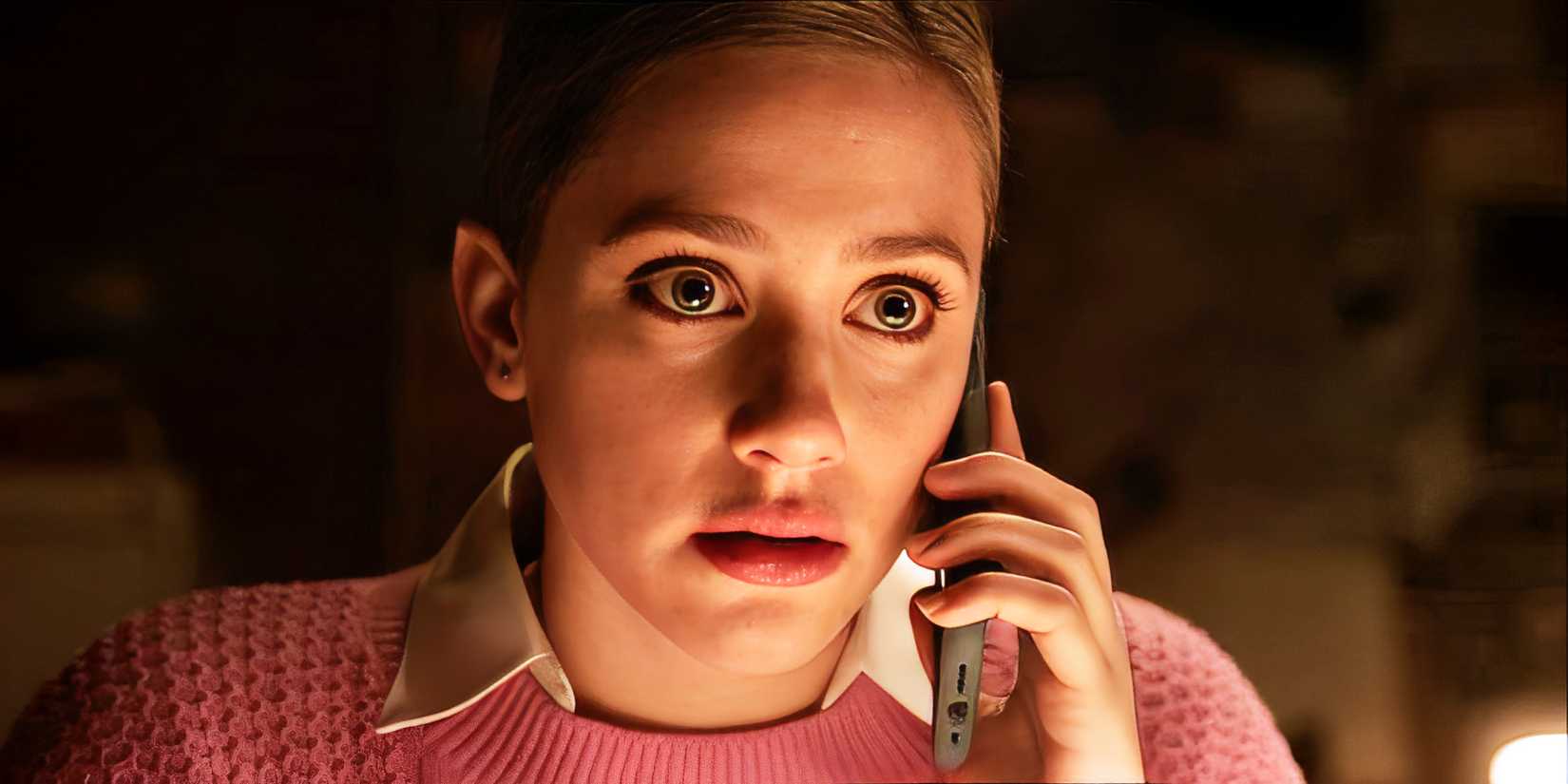
Riverdale season 1 was awash with nods to Twin Peaks throughout the show’s character names, its titular small-town setting, and its central storyline. Like Twin Peaks, Riverdale is named after the seemingly normal suburban town where the show takes place. Like Twin Peaks, the series opens with the discovery of a prominent local teenager’s dead body, an event that precedes an avalanche of revelations about the townspeople and their dark secrets. Like Twin Peaks, Riverdale splits its screen time between a group of teen protagonists and the next generation of the town’s inhabitants.
With loads of specific references, Riverdale never hid its creative debt to Lynch and Frost’s ABC masterpiece. However, this was hardly unique to the Archie Comics reimagining. From Hulu’s Stephen King show Castle Rock to Desperate Housewives and Pretty Little Liars, a ton of other TV shows also reveled in their playful references to Twin Peaks. More broadly, by blending soapy teen drama and a main murder mystery plot, Riverdale also borrowed the show’s general structure of Twin Peaks. Sadly, it also repeated the earlier hit’s biggest mistake.
Riverdale Became Far More Surreal and Ambitious With Each Season
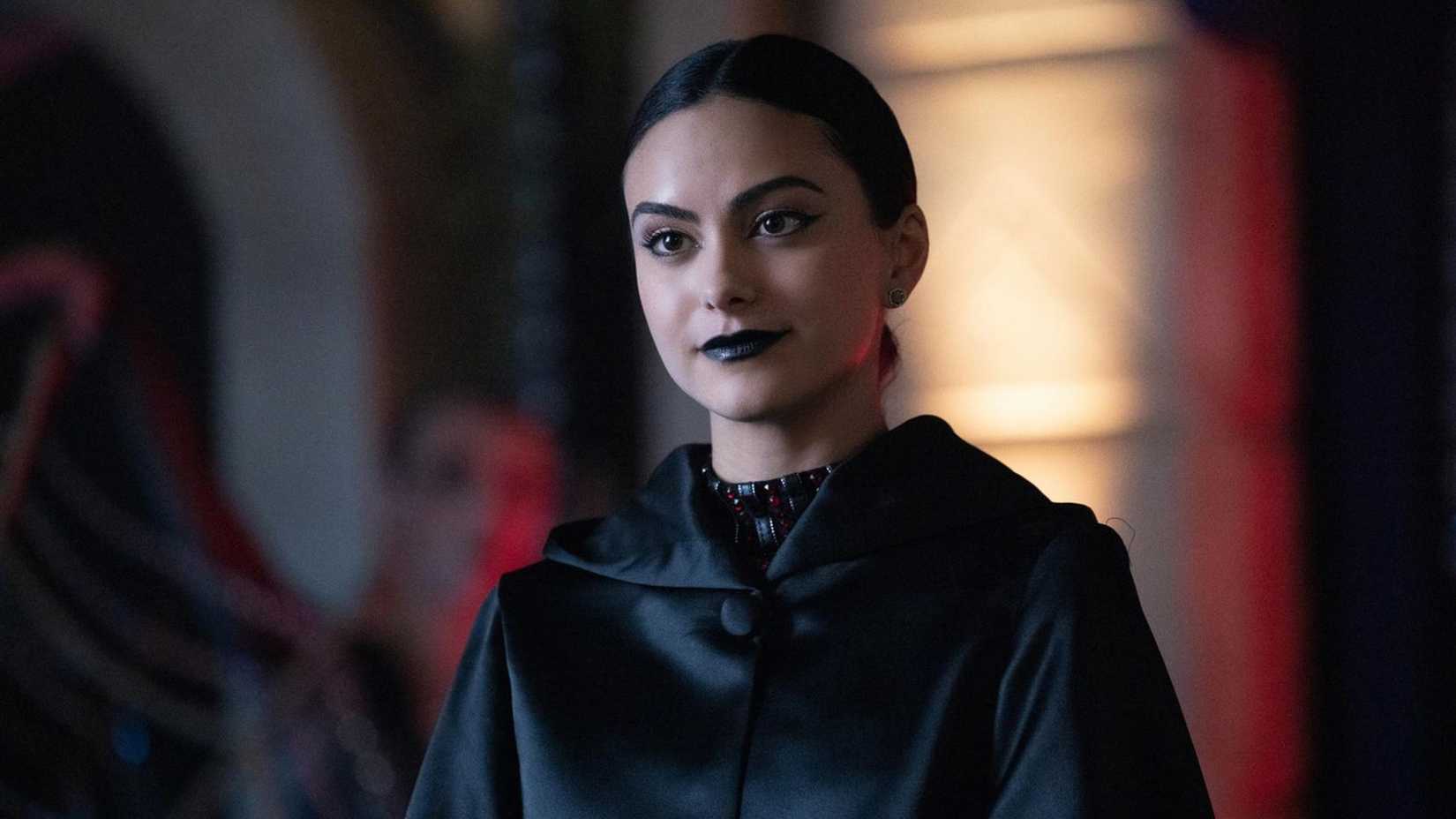
While the belated revival Twin Peaks: The Return was a 17-hour tour de force that redeemed the show’s sophomore outing, Twin Peaks season 2 infamously fell apart after the revelation of Laura Palmer’s killer. The show peaked with this devastating twist, but the episodes that followed were lacking in direction and purpose until the finale’s shocking final moments. The later seasons of Riverdale repeated this mistake, but on a far, far bigger canvas.
One of the most intriguing things about Twin Peaks was the show’s consistent refusal to explain itself and its subsequent ability to sidestep genre classification. Twin Peaks had some truly horrifying moments, but without any direct references to demons, ghosts, or paranormal entities, it was tough to call the show a straightforward horror cop show in the vein of Supernatural, The X-Files, or Buffy the Vampire Slayer.
The storylines shared by Audrey, Bobby, and James were as compelling a bit of teen drama as Dawson’s Creek orDegrassiever provided, but the show spent too long with Coop and the rest of the cops to ever feel like a genuine teen series. Riverdaletook the same approach, but its bizarre blend of genres was far goofier and more chaotic. Season 2 introduced a masked serial killer, while season 3 brought in supernatural storylines involving a cursed roleplaying game and a shady cult.
Just when viewers were starting to get their heads around the idea thatRiverdale was now a blend ofHannibal andTrue Detective the show veered off in another direction entirely. Season 3 introduced a second, separate cult that was stealing organs, an underground order of homophobic nuns (who literally lived in subterannean tunnels), and a fight between Archie and a bear, as well as an illegal bare knuckle boxing ring run out of a local prison. Seasons 4–6 introduced superpowers, parallel universes, and time travel along with possession storylines and eventually a backwards time jump to the 50s.
Why Riverdale Changed So Much Later On
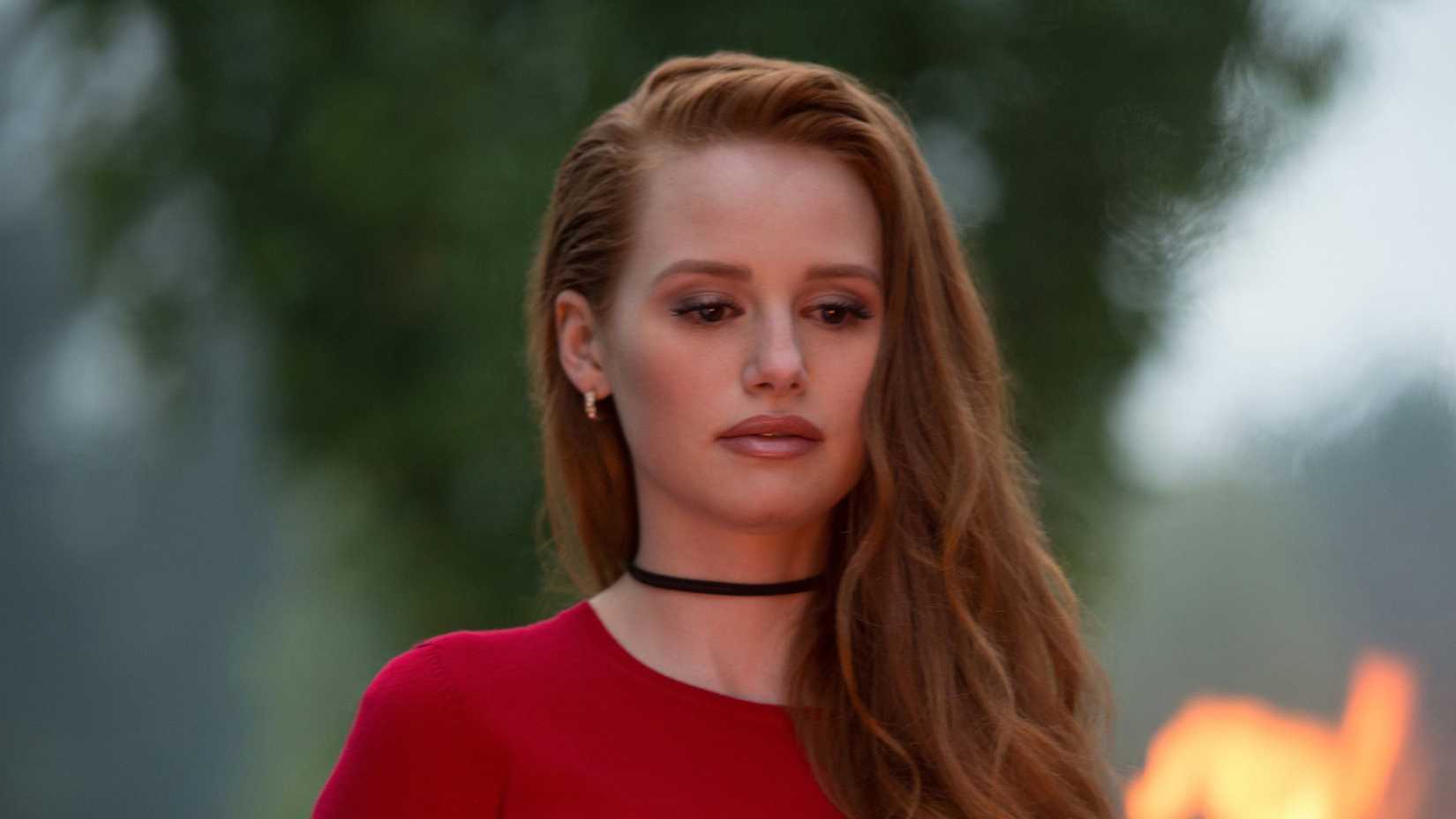
Image courtesy of Everett Collection
All of this could have been a lot of campy fun and at times the sheer audacity ofRiverdale was enough to see the series through. However there is a reason that even one of the show’s stars admitted its later seasons were easily skipped. Unlike the ‘90s teen TV classicBuffy the Vampire Slayer Riverdale didn’t start life as a genre TV series. It was a grounded teen drama that although sillier than13 Reasons Why still took place in something resembling recognizable reality.
However the show’s ratings took a jump around the start of season 2 when the introduction of masked murderer The Black Hood significantly upped the stakes of the series. From thereon out,Riverdale became hooked on providing viewers with bigger wilder zanier twists in each new season and even each new episode resulting in series abandoning anything resembling reality. Sadly the show’s trajectory proved that bigger isn’t always better.Riverdale peaked around season 2 when it got about as wild asTwin Peaks but soon fell apart into pure silliness with no stakes.

10 Riverdale Moments That Prove It Was The Most Unhinged TV Show Of All Time
The teen drama Riverdale progressively got more and more outlandish and these 10 moments prove it’s the most unhinged TV show of all time.
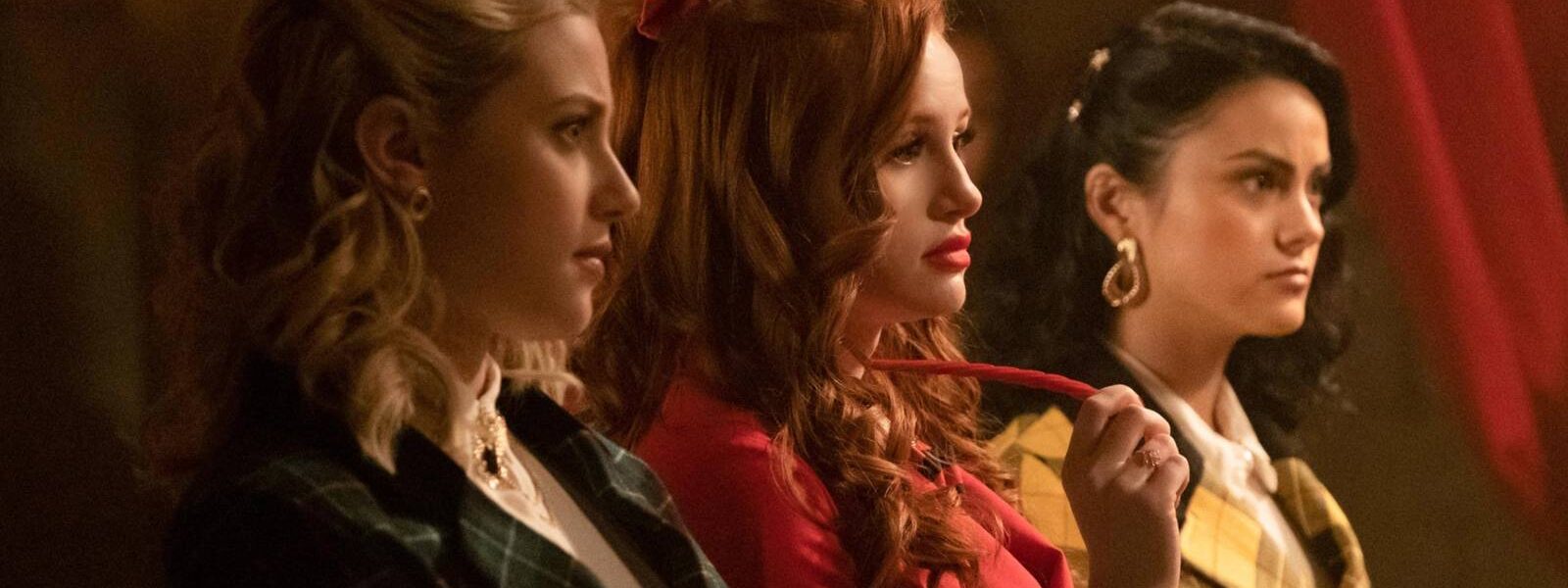
The performances particularly from breakout star Madelaine Petsch remained strong but the goofiness made it increasingly tough to care about the show’s heroes. While Netflix’s upcoming live-action teen TV reboot ofScooby-Doo proves thatRiverdale formula still remains as profitable as ever the show that could have been a teenTwin Peaks was ultimately doomed by its addiction to outdoing its own biggest surprises with every new episode.