


Key Takeaways:
- Decade Overview: The 1980s solidified the modern sitcom with character-driven narratives.
- Popular Formats: Ensemble casts like Cheers and The Golden Girls gained popularity over single-star shows.
- Optimistic Tone: Sitcoms of the ’80s often concluded on a reassuring note, even when addressing serious topics.
- Cultural Impact: Shows like The Cosby Show and The Young Ones influenced future television with their groundbreaking themes.
The 1980s were arguably the decade that solidified the modern sitcom. While the ’70s pushed boundaries with socially conscious comedies, sitcoms in the '80s refined the format into something warmer, more character-driven, and more commercially successful.
Sitcom ensemble casts, like Cheers and The Golden Girls, became more popular than singular star-driven vehicles. Found families, like Designing Women, became just as important as biological ones.
Meanwhile, character-driven warmth overtook topical satire as the dominant sitcom style. Perhaps the defining feeling of television in the 1980s was optimism. Even when they addressed difficult topics, most ended on a reassuring note. These changes set the stage for the sitcom boom of the ’90s.
Despite its enormous creative influence and groundbreaking representation of a successful Black family on network television, The Cosby Show’s legacy is inextricably tied to Bill Cosby himself, making it one of television’s clearest examples of a classic that has aged like milk. However, no list of ’80s sitcoms would be complete without acknowledging its significance.
Four decades later, the best sitcoms of the ’80s remain remarkably easy to revisit because they prioritized memorable characters over fleeting trends. These are the 10 sitcoms that not only defined the decade but continue to feel just as funny, comforting, or influential today.
10
The Young Ones
1982-1984
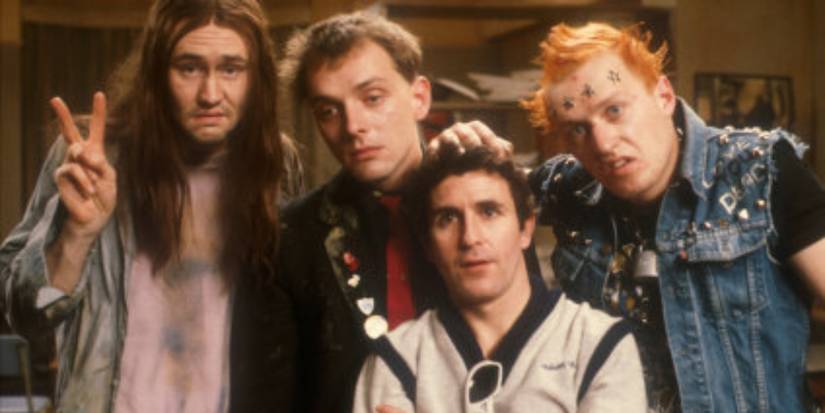
The Young Ones was a lightning bolt for British television, helping usher alternative comedy into the mainstream at a time when more traditional sitcoms dominated. Created by Rik Mayall, Ben Elton, and Lise Mayer, it followed four wildly mismatched students through chaotic, often plotless episodes packed with surreal gags, political satire, and slapstick destruction.
It was huge for the ’80s, especially among younger audiences, and launched its cast into comedy stardom. The Young Ones influenced later great British sitcoms like Spaced and Green Wing. While some references are dated, its anarchic energy and anti-establishment humor still feel fresh.
9
Alf
1986-1990
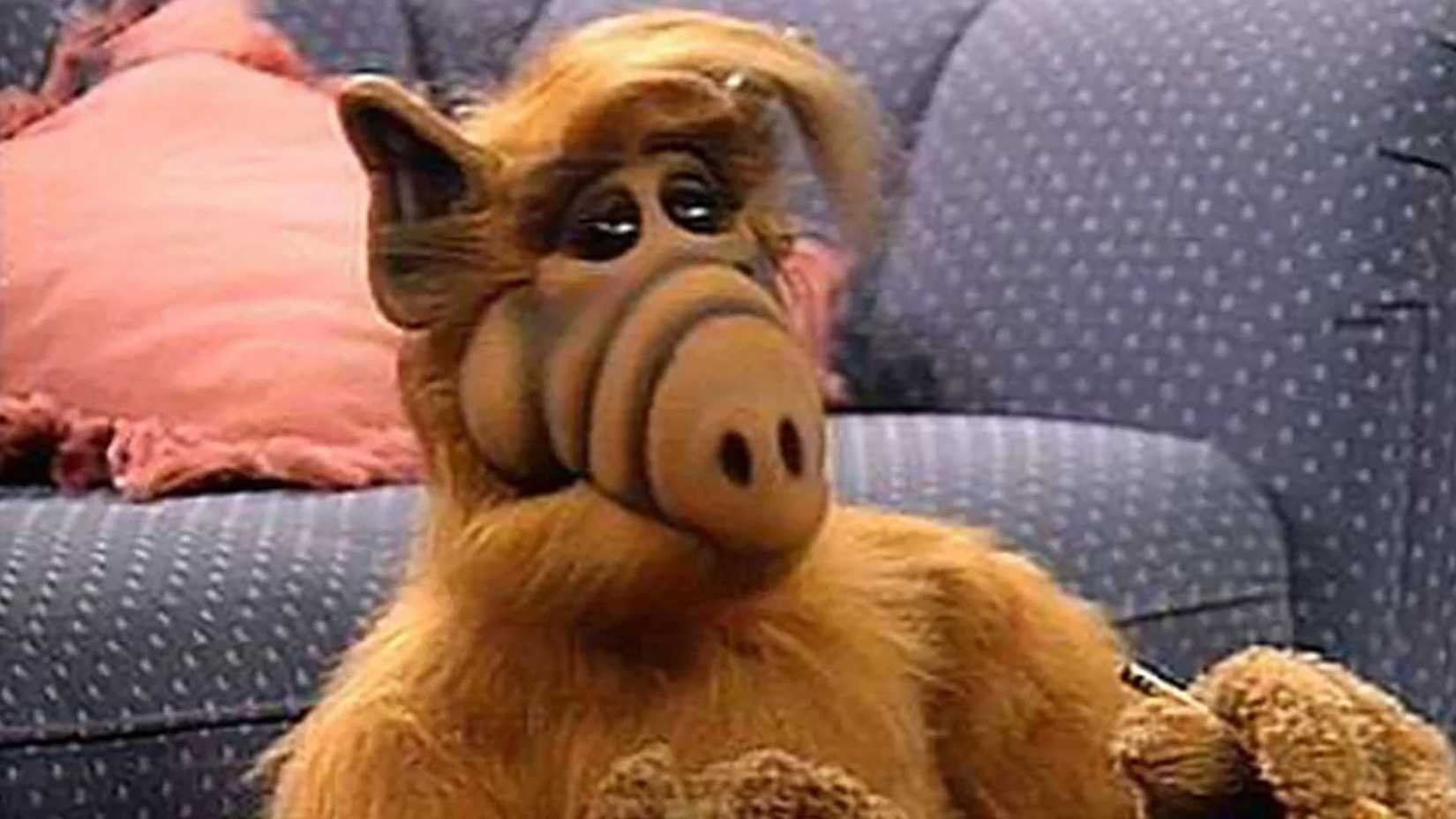
ALF was the best sci-fi sitcom of the ’80s, turning the wisecracking alien from Melmac into an unlikely pop culture icon. The series was a major ratings success, with audiences embracing its mix of family comedy and science fiction.
Its finale, with ALF’s capture by the U.S. government, became one of the most infamous TV cliffhanger endings, leaving viewers frustrated for years. However, it did little to diminish the show’s legacy.
Its success influenced later genre-bending comedies like 3rd Rock from the Sun or Resident Alien, proving that science fiction could thrive in a traditional sitcom format. Its practical effects, timeless wisecracks, and grounded chemistry between the cast of ALF helped the show age far better than most high-concept sitcoms of the ‘80s.
8
Taxi
1978-1983
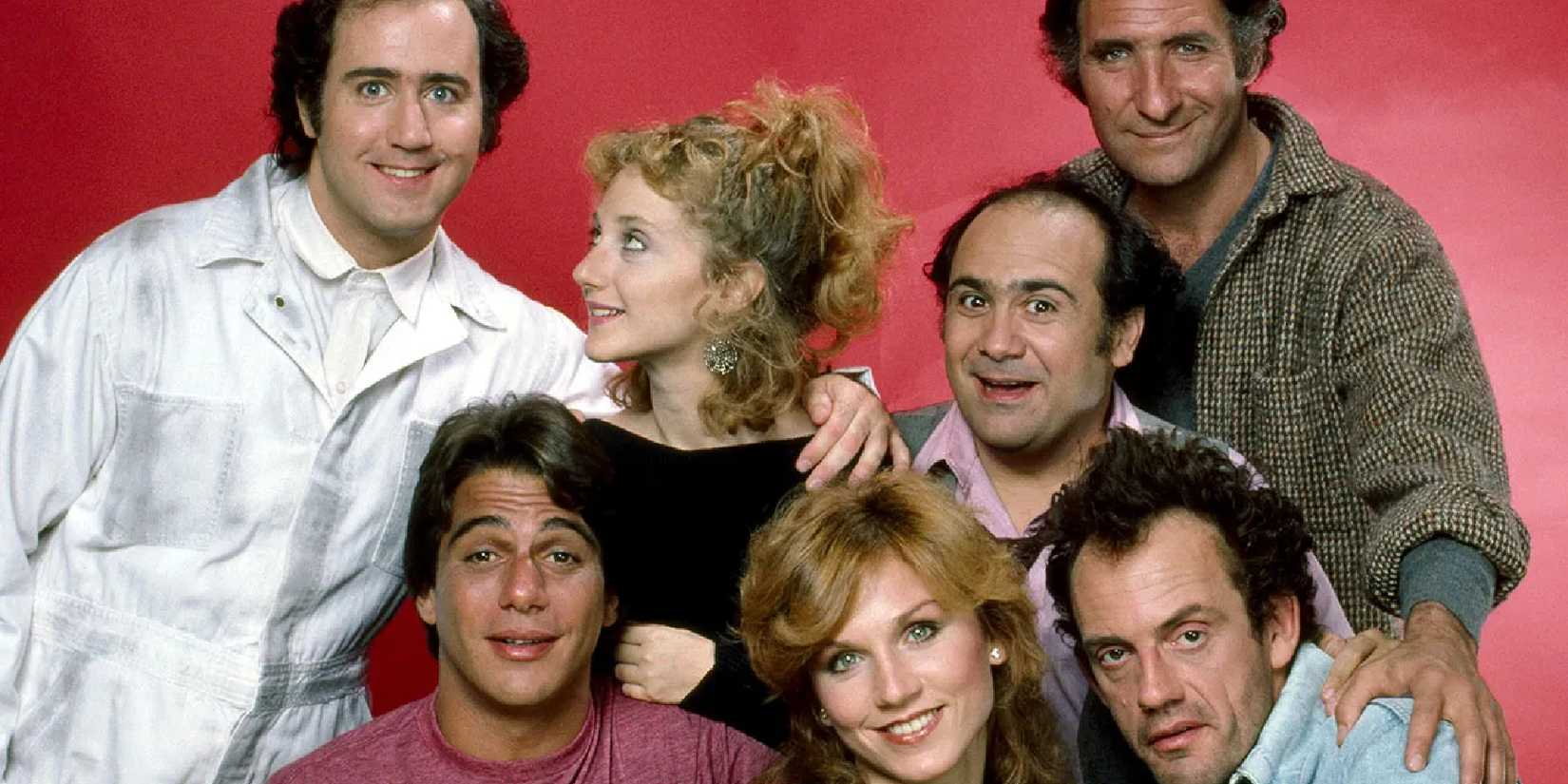
Taxi was one of the most acclaimed sitcoms of its era, winning multiple Emmys and changing what a workplace comedy could be. Rather than focusing on competent professionals, it centered on a group of struggling New York cab drivers chasing bigger dreams, giving the series an uncommon blend of humor, melancholy, and heart.
Taxi’s ensemble cast has only become more impressive with time, featuring future stars like Danny DeVito, Tony Danza, Christopher Lloyd, and Judd Hirsch. The show’s character-first approach inspired future workplace comedies like Cheers and NewsRadio.
Its quality remains undeniable today. However, because it debuted in 1978 and much of its creative identity belongs to the late 1970s, it falls slightly lower on this ranking than sitcoms that more fully defined the 1980s.