What makes a film production so difficult?
This guide explores nine films with famously difficult productions, from script rewrites and studio conflicts to reshoots and budget overruns. Read the stories to compare how production problems shaped each film and, in some cases, its finished version.
- Production delays: Jaws was scheduled to shoot for 55 days but took 159 days to complete.
- Creative disputes: Alien 3 faced ongoing disagreements between director David Fincher and studio executives.
- Major revisions: World War Z replaced its action-heavy ending with a quieter, horror-driven conclusion.
- Cost overruns: Titanic took 160 days to film and cost $200 million.
Making a movie takes more than the finished 90–120 minutes on screen. A production moves from script development through filming and post-production, with creative and financial decisions at every stage. When several producers, studios, and filmmakers have a say, their competing requests can make an already complex process harder.
Some films face especially difficult paths to completion. These nine troubled movie productions encountered obstacles including director changes, reshoots, budget problems and, in one case, PCP being added to soup. Each film ultimately reached audiences, though the production challenges affected the final result in different ways.
‘Alien 3’ (1992)
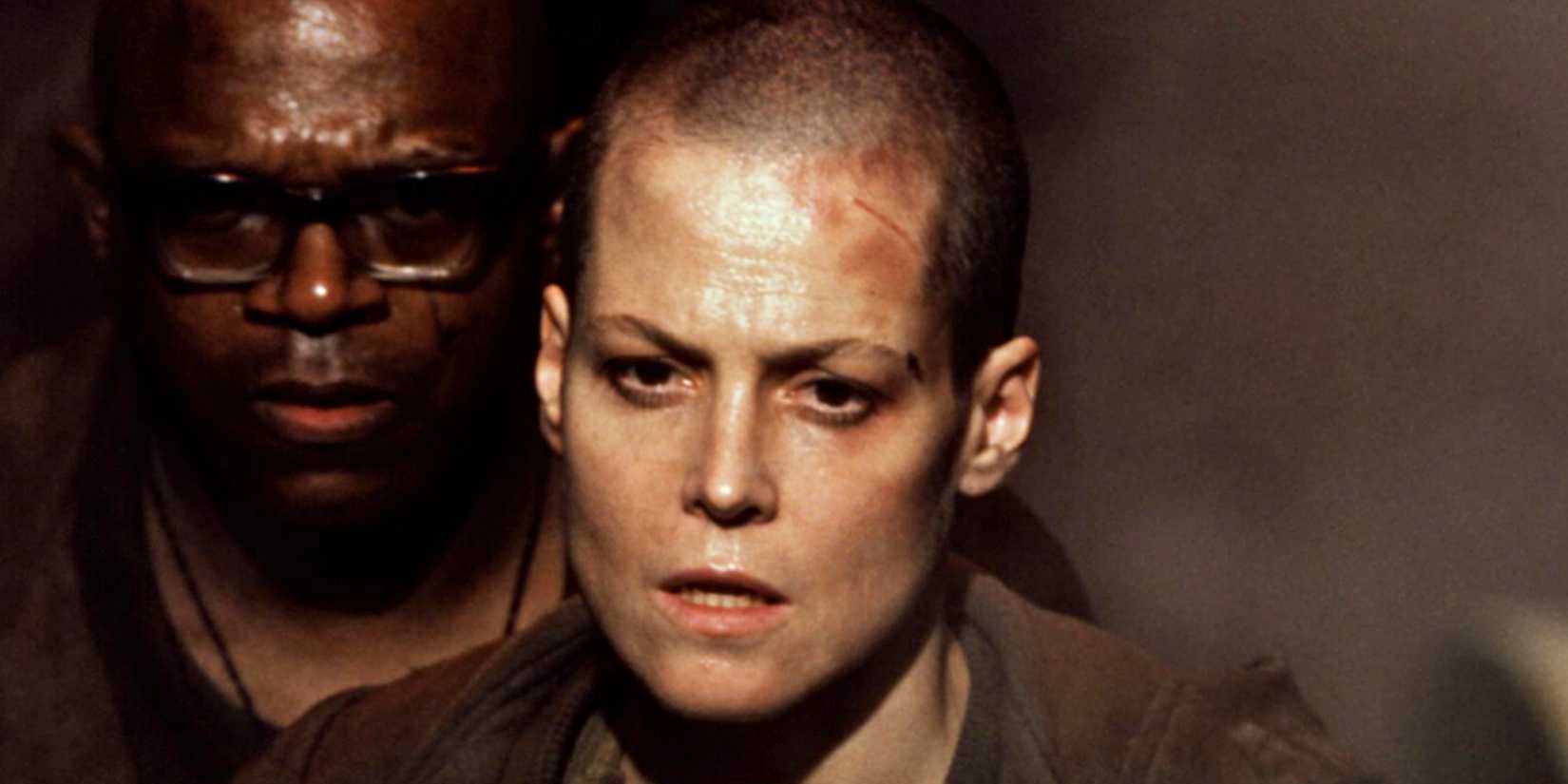 Image via 20th Century Fox
Alien 3 was David Fincher’s first feature film, and its difficult production shaped his approach to working within the studio system. The director’s experience included an unfinished script, repeated changes and conflict over creative control.
Vincent Ward, director of The Navigator: A Medieval Odyssey, was initially attached to the film. His concept followed Ripley after her escape pod crashed on a wood-covered planet populated by monks. Development and set construction had begun when Ward left after disagreeing with studio executives over significant requested changes.
Walter Hill and David Giler were brought in to refine the script, while Fincher replaced Ward as director. The story retained its basic outline, but the planet became an ore refinery and the monks became prisoners. Two weeks into filming, cinematographer Jordan Cronenweth left because of Parkinson’s disease and Alex Thomson took over.
As production continued, Fincher clashed with producers and studio executives. The script was still being written and rewritten while filming was underway, and the studio wanted the movie to resemble the earlier Alien films. Fincher was trying to shape a film that had already gone through substantial development without him.
Disagreements continued into post-production, including over the ending and reshoots. Fincher supervised editing, but producers or studio executives sometimes changed the editor’s work after Fincher left. He eventually had little control over the finished film and publicly disavowed it. Alien 3 received negative reviews, and Fincher later said, “No one hated it more than me; to this day, no one hates it more than me.”
‘The Bourne Identity’ (2002)
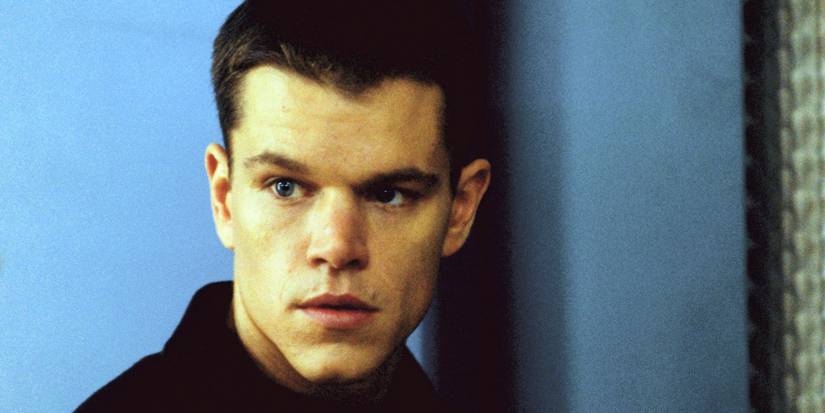 Image via Universal Studios
The Bourne Identity shows that a troubled production does not necessarily produce a troubled film. Director Doug Liman and star Matt Damon pushed for an approach that differed from a conventional action movie, giving the 2002 spy thriller a more immediate, documentary-like feel.
Liman and Universal Pictures disagreed over the film’s pacing and relatively small-scale action. Liman and screenwriter Tony Gilroy kept rewriting the script, pushing the release from September 2001 to June 2002. Producer Frank Marshall even directed some scenes, according to Damon, as the production pressed ahead.
The third act, particularly the farmhouse sequence, became a major point of contention. Universal wanted to remove it, while Liman and Damon argued it helped explain Bourne’s character. The sequence went through multiple rewrites and revisions before the studio and filmmakers settled on a version.
The people involved expected the film to fail, but The Bourne Identity became a hit and launched an action franchise. Liman did not return to direct the sequel, but his process of developing the film during production continued to feature in his work, including Edge of Tomorrow.
‘Jaws’ (1975)
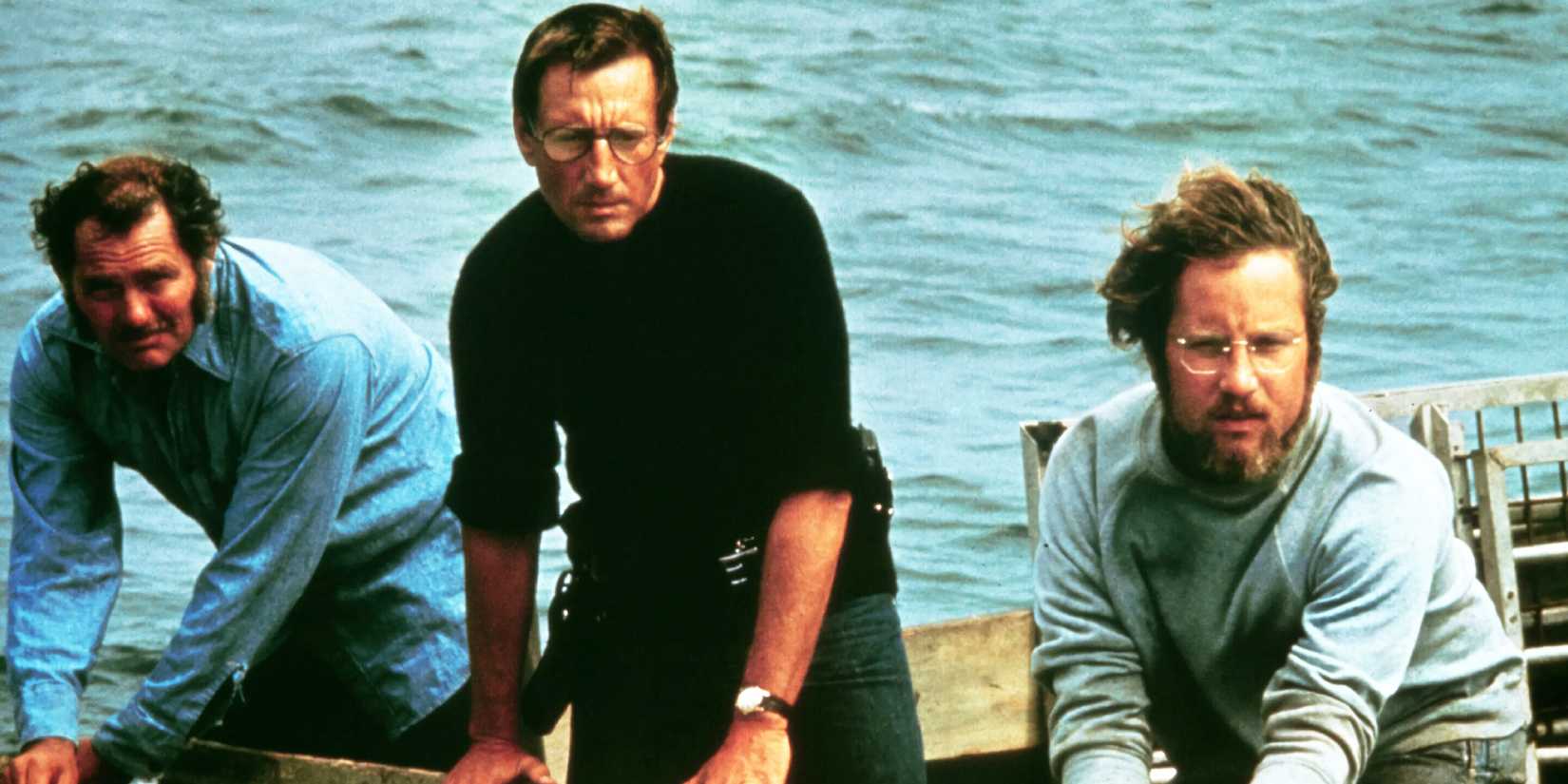 Image via Universal Pictures
Steven Spielberg was 26 when he pursued the directing job for Jaws, an adaptation of Peter Benchley’s novel. Producers Richard D. Zanuck and David Brown, who had worked with Spielberg on The Sugarland Express, hired the young filmmaker for a production that became one of Hollywood’s best-known difficult shoots.
Spielberg considered leaving Jaws after signing his contract because he feared being typecast following Duel. Universal blocked his planned move to 20th Century Fox’s Lucky Lady. Unhappy with Benchley’s adaptation, Spielberg brought in several writers to revise the script, and Carl Gottlieb, initially hired for punch-ups, became the primary screenwriter.
The budget grew from $4 million to $9 million, in part because Spielberg chose to film on open water rather than in a tank. The mechanical shark, nicknamed Bruce, often failed to work and could not appear as early in the film as planned. Spielberg built suspense through other devices, including the yellow barrels that became a memorable part of the movie.
Filming at sea caused illness, equipment failures and long waits to reset shots. Spielberg estimated that an average 12-hour workday included only four hours of actual filming. Principal photography, originally scheduled for 55 days, lasted 159 days, leaving the film significantly over budget and behind schedule.
Spielberg thought the production had damaged his career, but Jaws became a major success and helped establish the summer blockbuster. The production’s delays also illustrate how a practical problem, such as a malfunctioning prop, can force filmmakers to find a different storytelling approach.
‘World War Z’ (2013)
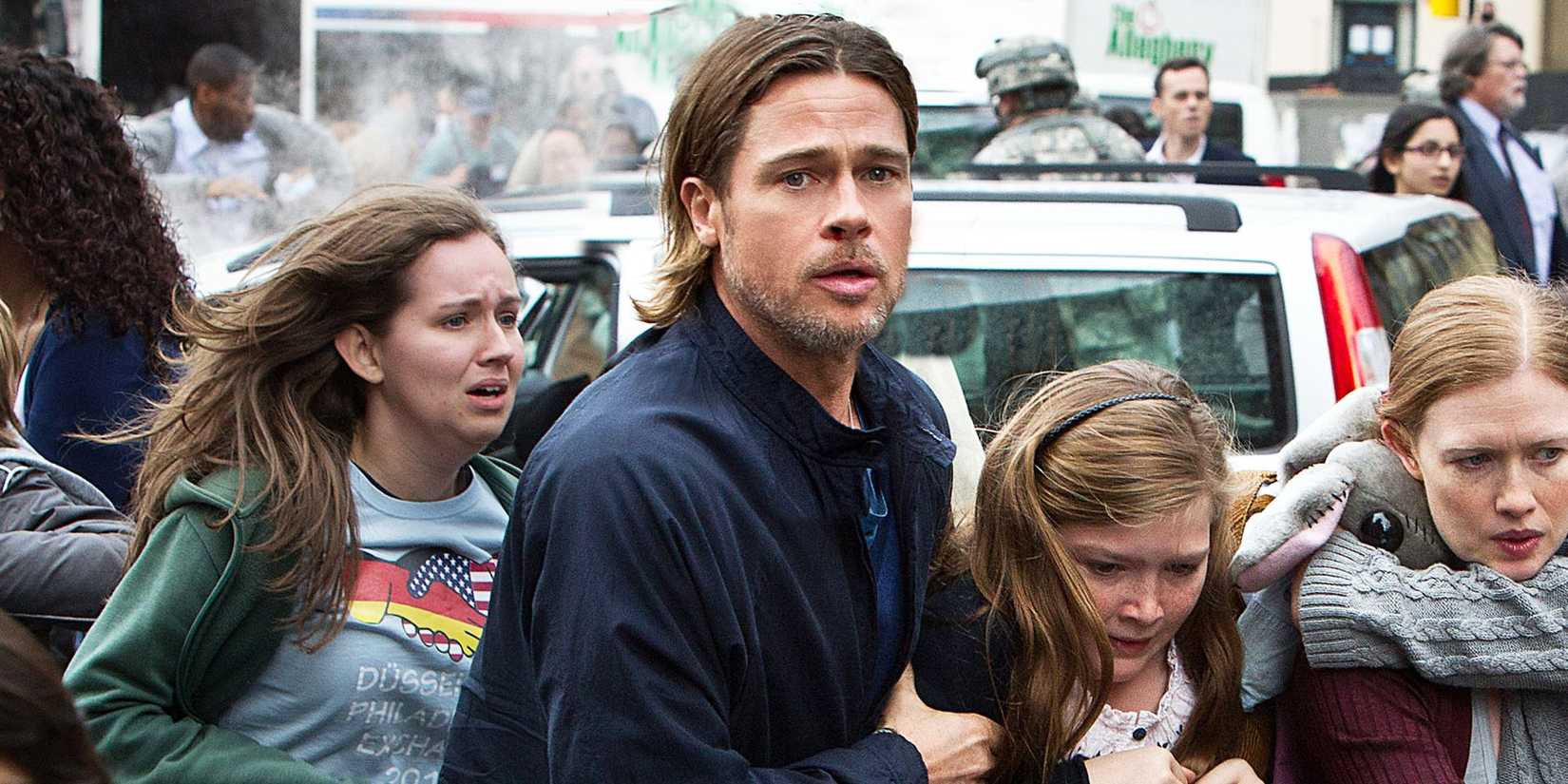 Image via Jaap Buitendijk / ©Paramount Pictures / Courtesy Everett Collection
World War Z underwent reshoots that made its third act smaller and more focused on suspense. Directed by Marc Forster and developed as a potential franchise for star and producer Brad Pitt, the film faced a script that was not settled and moved away from the geopolitical story that had attracted Pitt.
The film originally ended with a large action sequence in Russia, where Pitt’s character led an army against a zombie invasion in Red Square. During post-production, Pitt asked Damon Lindelof to review a 72-minute edit. Lindelof proposed an ending centered more closely on character and tension, dropping the action scenes already filmed.
Pitt, Paramount and Forster accepted the new direction. Lindelof worked with Drew Goddard, and the pair delivered around 60 pages of material for the replacement ending in about 10 days. Christopher McQuarrie then revised the script on set as the new scenes were filmed.
The finished film replaced its planned action-heavy climax with a quieter, horror-driven conclusion. World War Z demonstrates how reshoots can change a film’s scale and emphasis rather than simply add more spectacle.
‘Titanic’ (1997)
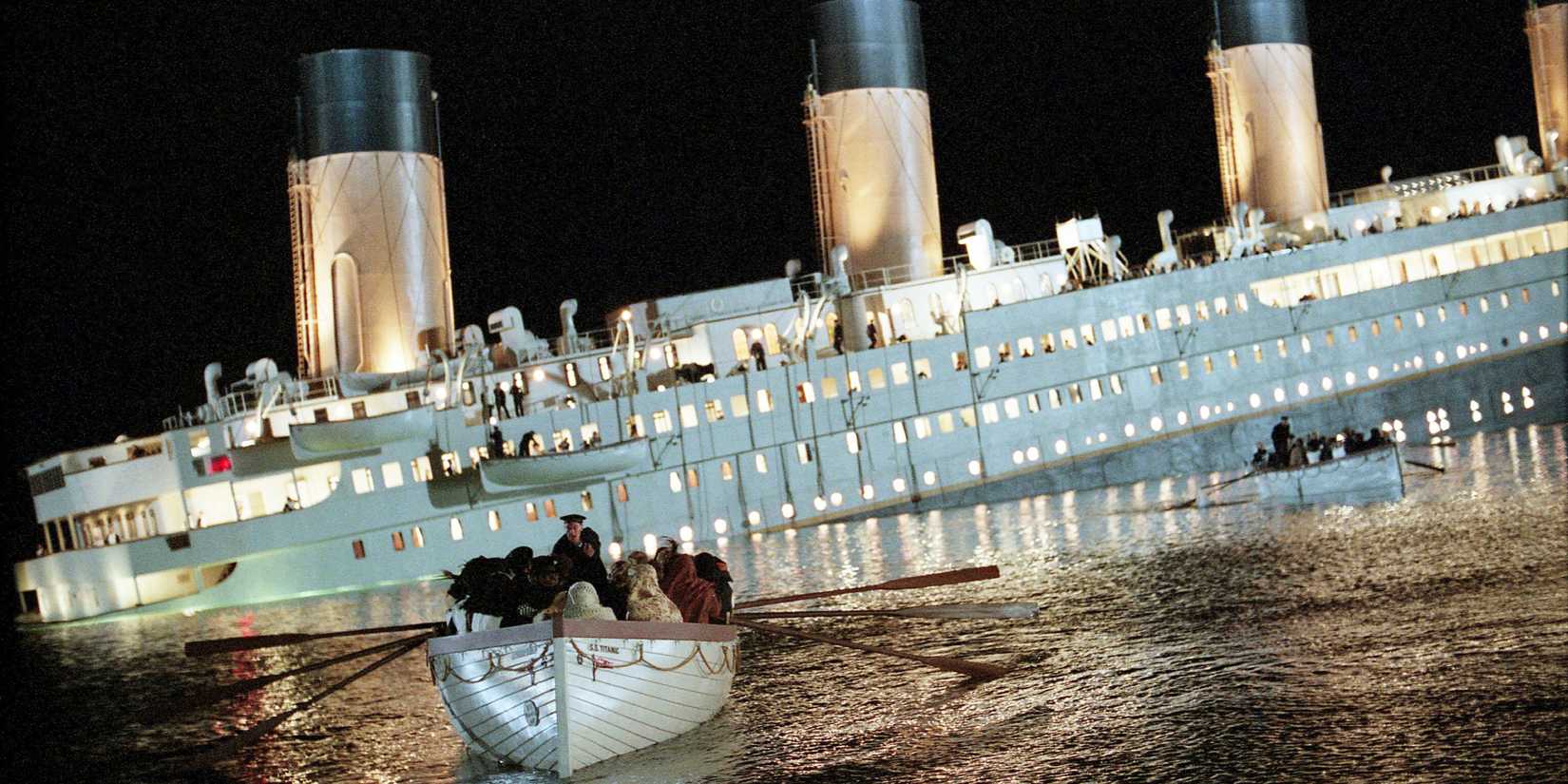 Image via Paramount Pictures
Titanic became one of the highest-grossing films ever despite production delays, rising costs and reports of conflict involving director James Cameron. The film’s eventual success contrasted sharply with fears that it would become an expensive failure.
The film was shot in a giant water tank in Nova Scotia, where working in the water left cast and crew members ill. Kate Winslet chipped her elbow and feared drowning, while other people developed kidney infections and colds.
In a notorious incident, an unknown crew member put PCP in soup intended for Cameron and others. Fifty people were sent to hospital, including Bill Paxton. Cameron was also nicknamed “Mij,” a reversal of “Jim,” because some people saw contrasting sides to his personality.
The shoot was scheduled for 138 days but lasted 160, and costs reached $200 million. When Cameron delivered a three-hour cut, Fox worried that the runtime would reduce the number of screenings. Cameron refused to shorten the film and offered to give up his share of the profits to address the studio’s concerns.
Titanic became a major success, winning 11 Oscars, including Best Picture and Best Director. Winslet later worked with Cameron again on The Avatar Sequels.
‘The Lone Ranger’ (2013)
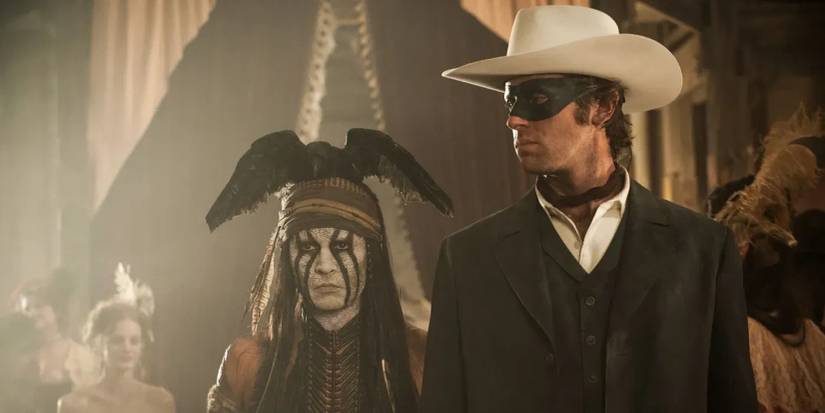 Image via Disney
The Lone Ranger nearly stopped before filming began, as its escalating budget put the project at risk. Director Gore Verbinski had previously faced a demanding schedule on the back-to-back Pirates of the Caribbean sequels, but this Disney production brought its own financial and scheduling challenges.
After directing the animated film Rango, Verbinski returned to live-action blockbusters with a distinctive take on The Lone Ranger. The planned franchise starred Johnny Depp as Tonto and Armie Hammer as the Lone Ranger, with Jack White providing the original score.
The budget rose above $250 million, and Disney shut down the project in August 2011. Verbinski and the team reduced the budget to $215 million by cutting action sequences and taking lower upfront fees in exchange for backend compensation.
After filming began, the reported budget rose again to $250 million, and weather delays put the production behind schedule. Disney studio chairman Alan Horn also requested the removal of a scene involving William Fichtner’s character and James Badge Dale’s character. Rumors also circulated that werewolves had appeared in an early script before being removed over budget concerns.
The Lone Ranger reached theaters, but its reported $260 million box office did not match what Disney had spent on the film. Reviews were largely negative, though some viewers later came to appreciate Verbinski’s unusual approach. The film remains an example of how budget reductions, delays and creative choices can accumulate during a troubled production.
‘Apocalypse Now’ (1979)
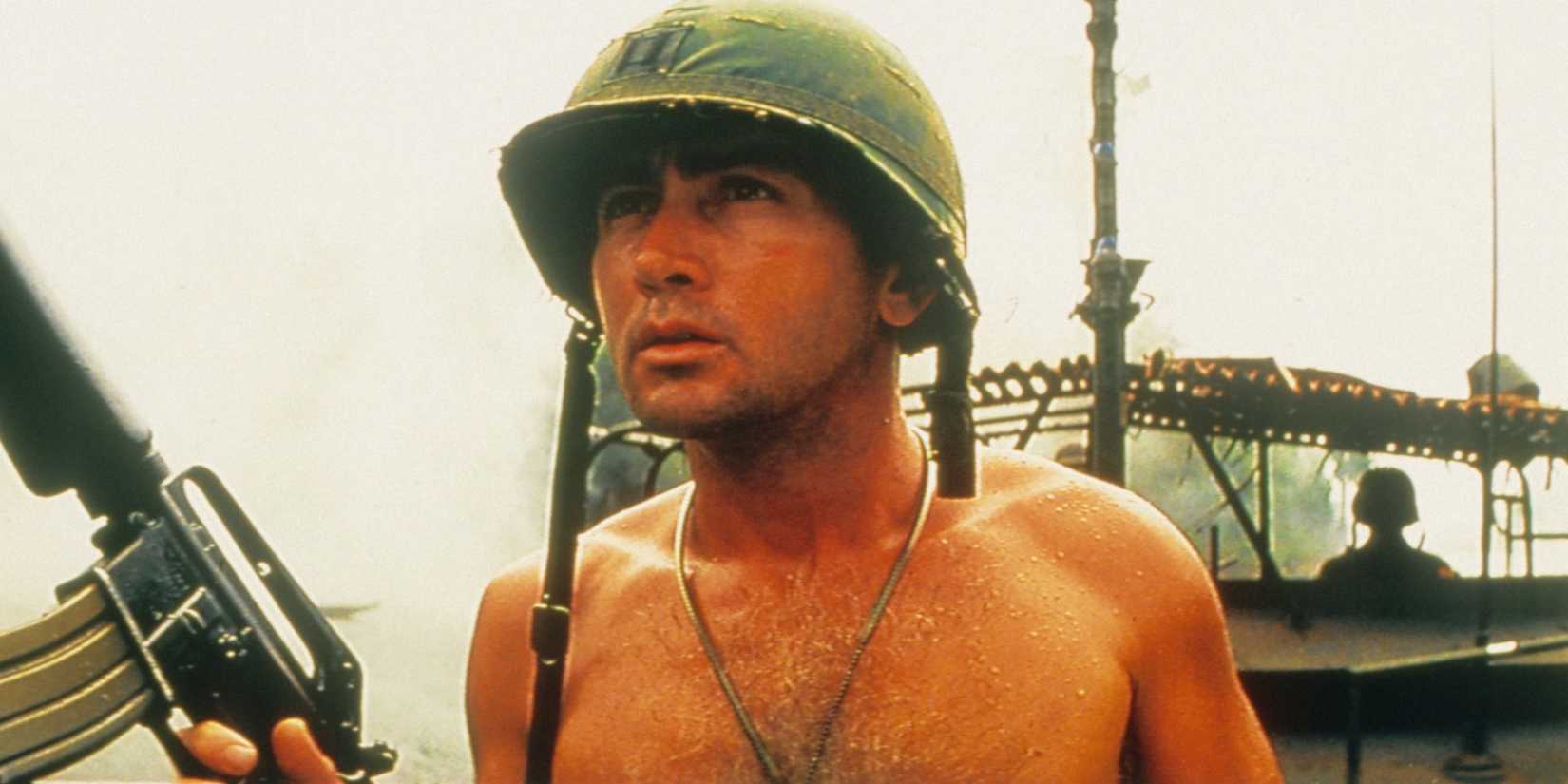 Image via United Artists
Apocalypse Now endured a year of principal photography, a typhoon that destroyed sets and a lead actor’s heart attack. Filming began in May 1976 and ended in May 1977, while director Francis Ford Coppola faced rising costs and helped finance the production with personal assets, including profits from The Godfather.
Coppola worked to persuade Marlon Brando to play Colonel Kurtz, but Brando arrived overweight, had not read Heart of Darkness and had not learned his lines. Coppola filmed him in shadow and darkness. Martin Sheen suffered a heart attack during filming, took a month off and then returned to work.
Sheen was also struggling with alcoholism. In an early scene in which Willard is alone and drunk in his room, Sheen was actually drunk and cut his hand during the take. Post-production brought further problems, including difficulties with the film’s audio.
Apocalypse Now received mixed reviews but won the Palme d’Or at the Cannes Film Festival and earned eight Oscar nominations, winning two for Best Cinematography and Best Sound. The production’s story is also documented in Hearts of Darkness.
‘Fantastic Four’ (2015)
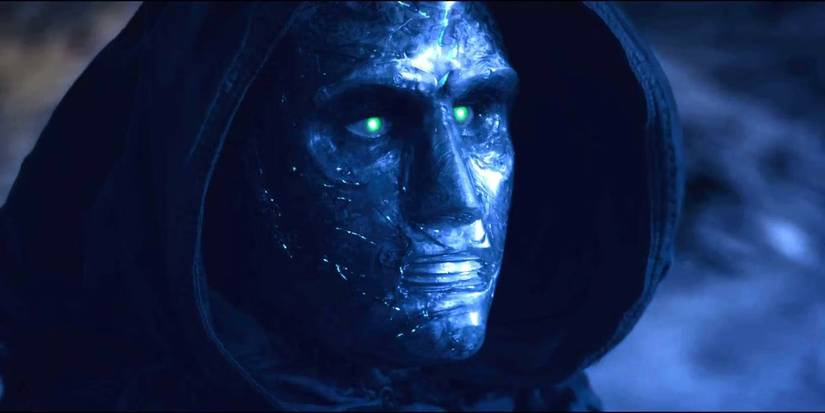 Image via 20th Century Studios
Fantastic Four (2015) faced reported disputes over its ending, reshoots and disagreements around director Josh Trank’s version. 20th Century Fox moved ahead with the reboot after the earlier films, partly because the studio needed to keep making films to retain the rights.
Fox hired Chronicle director Trank to create a darker take on the comic-book characters. Casting drew backlash over Michael B. Jordan playing Johnny Storm, but reports of production problems focused on behind-the-scenes disagreements. Producers Simon Kinberg and Hutch Parker reportedly reworked the ending.
Reshoots began in January 2015, five months after principal photography ended. Reports said Fox was unhappy with Trank’s original cut, while other accounts described his behavior on set as erratic. Trank was removed from an unspecified Star Wars anthology film after the reports circulated.
Before the film’s release, Trank wrote in a since-deleted social media post that he had made a “fantastic version” the year before that audiences would probably never see. Toby Kebbell, who played Doctor Doom, later called Trank’s version great and darker than the theatrical film.
The released film’s reshot scenes were noticeable to some viewers because of shifts in tone and Kate Mara’s wig. Some scenes shown in trailers and other footage did not make the final cut, including a subplot involving the Fantasticar. The film received negative reviews, and the rebooted franchise did not continue before the characters later moved to the MCU.
‘Back to the Future’ (1985)
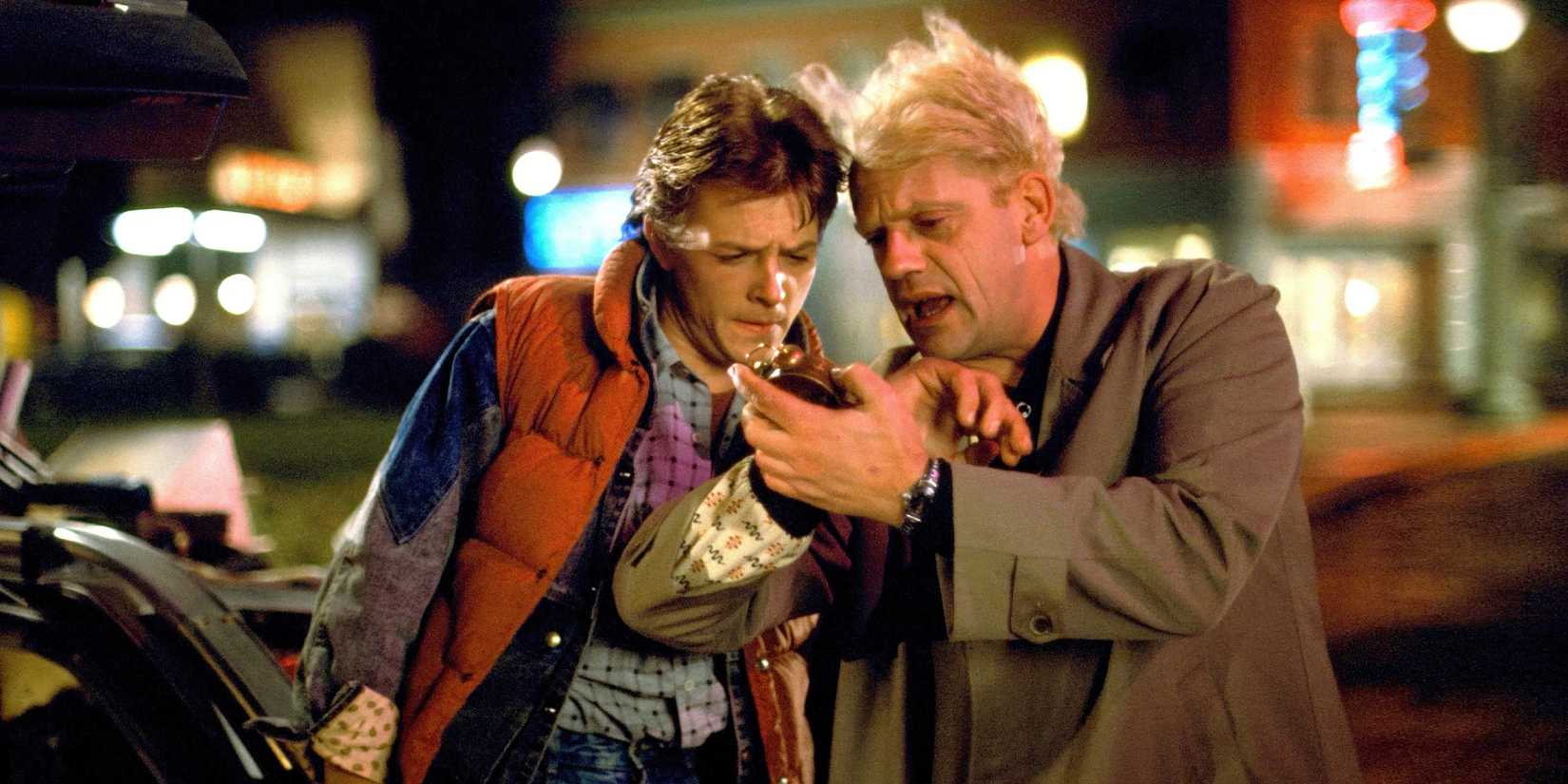
Image via Universal Pictures
Back to the Future is one of Hollywood’s best-known recasting stories: Michael J. Fox replaced Eric Stoltz after a month of filming. Before production, writers Robert Zemeckis and Bob Gale spent years revising a script that studios repeatedly rejected.
Studios turned the science-fiction script down for four years, calling it too tame, while Disney considered it insufficiently family-friendly because a mother falls in love with her son. Steven Spielberg eventually set the project up through Amblin Entertainment, and Universal Pictures became its home.
Fox was the original choice to play Marty McFly, but his commitment to the television series Family Ties initially made the film impossible. The producers cast Stoltz based on his performance in Mask. After a month of filming, Zemeckis concluded that the performance was not working, and the filmmakers decided to replace Stoltz and reshoot much of the movie.
By then, Fox’s schedule had opened enough to allow him to work on both productions. His arrangement prioritized Family Ties if conflicts arose. He filmed the television series during weekdays, worked on Back to the Future from 6:30 p.m. to 2:30 a.m. and filmed exterior scenes on weekends.
The demanding schedule led to a successful film: Back to the Future spent 11 weeks at the top of the box office and received an Oscar nomination for Best Original Screenplay. It also launched a franchise, with Zemeckis directing the two sequels back-to-back with Fox already established as Marty McFly.