The What Happened to This Horror Movie episode on Sinister 2 was written by Jaime Vasquez:
Sinister 2 faced high expectations. Following a film recognized as one of the scariest ever, especially after eliminating its leading character, it was released in the summer of 2015. The sequel aimed to expand the mythology of Bughuul while presenting its narrative from a new angle. However, critics and audiences were largely disappointed, labeling it as yet another unnecessary horror sequel. Was there a more compelling film hidden within the final cut?
Co-writer C. Robert Cargill noted that budget limitations, production delays, and studio-enforced alterations hindered his original vision. What happened to the unsettling murder scenes that were never included? What essential elements of Bughuul’s lore were left out? And why was the film’s conclusion completely revised after unsatisfactory test screenings?
This exploration will also reveal how production inadvertently began to mirror another Stephen King horror classic, how a dangerous spider almost cost the director his leg, and the strange crossover that could have merged two contemporary horror franchises.
Let’s dust off the projector and tune in as we discover what transpired with Sinister 2.
Scott Derrickson and C. Robert Cargill Return for a Sequel
After the success of Sinister, producer Jason Blum reached out to original writer C. Robert Cargill and director Scott Derrickson about returning for a sequel. Blum had previously employed a similar strategy with Insidious: Chapter 2 and The Purge: Anarchy, bringing back members of original creative teams to maintain continuity. With a sequel likely regardless of their involvement, Cargill and Derrickson agreed to return, aiming to preserve the haunting atmosphere that made the 2012 film impactful.
Derrickson would not direct Sinister 2, but he would assist in selecting his successor. His criteria included experience working with children, the ability to shoot quickly on a relatively low budget, and a knack for creating tension while eliciting natural performances from actors. Much of the original film’s horror relied on character reactions, making those performances crucial.
Ciarán Foy was chosen as director, known for his Irish psychological horror film Citadel, released in 2012. Derrickson took notice of this film and praised it on Twitter. After connecting with Foy and discussing filmmaking, Derrickson mentioned his search for a director for Sinister 2. Initially hesitant, Foy was reassured upon learning that the story would be told from a completely different perspective.
While crafting the screenplay, Cargill and Derrickson aimed to pave the way for a full-fledged franchise without sacrificing what made Sinister unique. Derrickson insisted on reintroducing Bughuul as the main antagonist and retaining the brutal family murder films.
Cargill had originally compiled a list of 24 gruesome family deaths for the first movie, from which Derrickson selected six. For the sequel, they reversed roles; Derrickson devised the deaths while Cargill chose which ones to include. Derrickson later described discarding numerous script pages during development—a first for him—as he sought to prevent drifting into generic sequel territory.
A significant addition was the church setting, inspired by a childhood memory that haunted Derrickson for years. Growing up in Westminster, Colorado, he attended school overlooking a red church rumored to be haunted. He recalled feeling an eerie presence emanating from within and even having nightmares about it.
Cargill also infused personal elements into the story; his wife is a twin, prompting him to explore similarities and contrasts between twins—especially through an ending where one twin chooses good while the other chooses evil.
The Ghost Children, Deputy So & So, and the Cast
Cargill wrote several scenes detailing how Bughuul’s ghost children were coerced into murdering their families. Following the shocking revelation in the original film that these children were killers, he believed that the sequel needed to clarify how they were manipulated. Another major consideration was the fate of Deputy So & So from the first film. With Ellison dead, Cargill and Derrickson felt this character had unresolved issues and compelling reasons to investigate how to stop evil.
Derrickson contacted James Ransone early in development to inform him that So & So would transition from a supporting role to a lead character. Audiences had responded positively to this character, and being one of few survivors certainly helped. Ransone was memorable in Sinister, proving capable of leading the sequel as well. So & So is sharp-witted, humorous, and genuinely sympathetic with unexpected moments of toughness that make him endearing. Ransone truly made this character his own.
Shannyn Sossamon had appeared in several horror films before Sinister 2. Finding those experiences emotionally taxing, she had previously stated she never wanted to act in another horror film. Ultimately, she accepted the role of Courtney Collins—a single mother striving to protect her children from an abusive husband—because this story resembled more of a family drama. Foy appreciated Sossamon’s approach; instead of amplifying stereotypical horror-movie mother traits, she portrayed Courtney straightforwardly.
To cast Dylan and Zach, Foy instructed casting director Terri Taylor to seek children in unconventional places like martial arts schools and football teams. He had discovered young actors for Citadel similarly and aimed to avoid overly technical or theatrical performances. Taylor found the Sloan brothers—two of three fraternal triplets—Robert Daniel Sloan plays Dylan, who is haunted by memories of his abusive father and troubled by ghostly children visiting him at night; Dartanian Sloan plays Zach, Dylan’s colder twin brother who shows hostility towards both Dylan and their mother. Their real-life sibling chemistry shines through despite their inexperience.
Lea Coco portrays Clint, Courtney’s abusive husband; Cole Hauser was initially set to play this role but withdrew last minute, allowing Coco to step in. Cargill felt Coco did well but believed Hauser might have offered a more nuanced performance. Clint ultimately comes across as somewhat one-dimensional: we see who Courtney fears but little evidence of who she once loved. Cargill suggested that last-minute casting changes may have affected chemistry among cast members.
Tate Ellington plays Dr. Stromberg who assists Deputy So & So in investigating Bughuul—essentially taking over Dr. Jonas’s role from the original film. Character actor John Beasley plays Father Rodriguez; Cargill originally envisioned Danny Trejo for this role but Trejo was unavailable—something Cargill believes worked out well since Trejo’s familiar screen persona might have leaned towards campiness. Beasley balances comedy with drama nicely; his brief scene with Deputy So & So stands out as one of the film’s strongest moments.
Lucas Jade Zumann plays Milo—the leader among Bughuul’s ghost children—who is determined to persuade Dylan and Zach into watching disturbing 16mm films. While not intended as a direct remake of Children of the Corn, Milo loosely draws inspiration from Isaac—the nine-year-old cult leader depicted in that Stephen King adaptation.
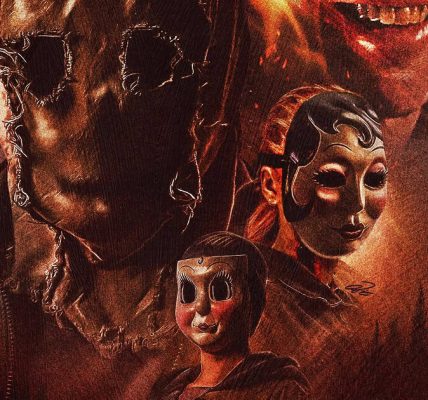
Nicholas King reprises his role as Bughuul; one critique directed at Sinister 2 is that its villain appears too frequently and is used excessively for jump scares. However, King maintains an unsettling presence throughout—his mere presence evokes fear.
Sossamon admitted her fearfulness yet found her experience on set different since King couldn’t see through his makeup requiring guidance around set which made him less intimidating in person.
How Sinister 2 Was Filmed
The production filmed over just 30 days in Illinois—primarily outside Chicago—with rural areas utilized for cornfield scenes; additional filming occurred later in Los Angeles.
Despite commitments to Marvel’s Doctor Strange, Derrickson remained present during initial filming week and returned for reshoots occasionally guiding Foy towards capturing original Sinister‘s style while encouraging him to make this sequel uniquely his own.
The home movie sequences underwent technical changes too—the original utilized Super 8 footage while this sequel switched over to using a 16mm Bolex camera which although older was cheaper and more accessible.
An exception arose with “Christmas Morning,” originally intended for first Sinister. It starts innocently enough with family celebrating Christmas before revealing victims tied up with Christmas lights left outside in snow—a dark twist indeed! Originally cut due to runtime constraints filmmakers found an opportunity for it within this sequel instead of letting footage collect dust.
The Rat Torture Scene Was Almost Even Worse
The National Humane Society praised this film’s handling of animals; trainers ensured safety during early scene where Deputy So & So encounters bowl dragging across floor revealing rat underneath—a classic horror movie fake-out! To keep animal safe trainers checked area beforehand using peanut butter encouraging rat’s cooperation—it wasn’t actually trapped beneath bowl but filmed only after bowl tossed aside.
The other rat sequence proved far more gruesome—in “Sunday Service,” Milo drugs family tying them down inside church forming pentagram shape placing upside-down metal bowls over stomachs trapping live rats underneath then setting hot coals atop forcing animals into desperate escape attempts while victims are shown being attacked! Not exactly Disney material!
Again trainers lured animals using food while actors lay down allowing live rats crawl over them—moments depicting animals chewing through victims’ abdomens were added digitally! As horrific as this sequence appears conceptually draws upon historical accounts relating methods associated with medieval punishment—a version even appears within 2 Fast 2 Furious. However filmmakers took it further here than intended originally!
Cargill had envisioned including rat king—a rare phenomenon where multiple rats become entangled by tails—disappointed when sequence wasn’t filmed believing it could’ve been one biggest scares! Reportedly cost $113k creating such effect unfortunately production faced unexpected issues!
Budget Problems, a Venomous Spider, and a Lost Kill Scene
Due Chicago hosting numerous film productions much local crew already booked forcing production hire less-experienced personnel struggling meet demands during shoot! Further filming within Illinois canceled shifting remainder work Los Angeles consuming budget potentially funding rat king sequence instead!
The filmmakers faced another small creature issue too—for scene where wolf spider crawls onto porch near Dylan trainers placed spider container allowing natural exit before camera capture! Foy joked about diva-like behavior taking time leaving container extending workday! Later director experienced serious spider-related incident!
Biting leg by brown recluse spider temporarily caused loss feeling affected limb! Set medic examined bite determining urgent hospital treatment necessary fortunately received timely medical attention avoiding serious consequences including possibility losing leg!
Sossamon later recalled Foy being hands-on highly mobile director spending little time seated eerily enough bitten when he finally settled into chair!
This incident also made recurring animal imagery throughout film seem particularly fitting! Bughuul’s manifestations associate spiders rats two creatures prominently featured within sequel’s nightmares!
An additional major scare never made it into finished product involved climactic cornfield sequence! Originally Courtney Dylan Clint tied posts while Zach threatened them using wheat thresher! Budget constraints forced filmmakers abandon sequence replaced triple crucifixion setting Clint ablaze! Unfortunately victims’ heads covered sacks viewers never saw Clint’s face during death—a missed opportunity if you ask me!
This change also created unintended connection with Children of The Corn. Production initially planned shoot Colorado wheat field opting instead cheaper Illinois cornfield! Foy then proposed crucifying family scarecrow posts strengthening resemblance Stephen King adaptation!
Cargill praised Foy’s execution although wasn’t present filming thus never had chance object changes made!
Why The Original Ending Of Sinister 2 Was Changed
The cornfield sequence wasn’t only part undergoing major revision within Sinister 2. Original third act disappointed test audiences prompting studio rethink ending!
The finale reshot adding supernatural elements increasing scare factor! Cargill wasn’t fully convinced by changes feeling new direction resembled ending from Insidious: Chapter 2, relying familiar demonic tropes rather than allowing mythology surrounding Sinister carry story forward! Revised ending may have heightened climax conventionally frightening yet sacrificed individuality filmmakers hoped preserve!
What Was Cut From Sinister 2?
The changes extended beyond ending itself! Cargill later acknowledged some moments he deemed crucial left cutting room floor! Chief among them confessional scene intended serve roadmap film! Father Rodriguez would’ve assisted Deputy So & So figuring out how stop Bughuul! Original scene reportedly ran ten minutes reduced roughly two minutes finished product!
An additional missing piece involved Dr.Stromberg supposed shed light Bughuul’s motivations according Cargill’s intended mythology entity feeds sins children sustaining existence! That doesn’t imply Bughuul powerless without them—even alone dangerous capable causing harm real world!
I’m not typically fan horror films spelling mythology exposition but believe Sinister 2 could’ve benefited these explanations! Original movie established terrifying premise sequel opportunity deepen it instead some useful information trimmed away while more conventional supernatural scares added!
How Much Money Did Sinister 2 Make?
Sinister 2 premiered theaters August 2015 grossing over $25 million internationally nearly $28 million United States Canada yielding worldwide total exceeding $53 million! Film’s budget initially estimated around $10 million although Cargill later corrected figure stating closer $5 million!
Sinister 2 faced harsh criticism despite commercial performance currently holding 14% rating Rotten Tomatoes audience score higher still underwhelming at 31%! Critics generally viewed unnecessary offering little new franchise many audience members shared sentiment although some preferred over original!
Cargill mentioned avoiding reading reviews due negative opinion himself rooted partly material removed changes made during production!
Sinister 2 wasn’t without defenders performances home movie sequences potential Bughuul’s mythology provided elements worth revisiting!
Could Sinister 3 Ever Happen?
No confirmed plans third installment yet Derrickson Cargill expressed interest returning Sinister universe! Cargill stated willing move forward only if both agree concept they like!
Pursued direction explored abandoned crossover between Sinister Insidious according Cargill producer Blumhouse pitched mash-up working title Insinister relationship two franchises dates back before first Sinister reached theaters project originally called Found Footage title changed Sinister following success one-word title Insidious
The films contain brief nods each other too box Sinister 2 spotted Insidious: Chapter 3 drawing red-faced demon Insidious appears behind Deputy So & So Dr.Stromberg’s office!
Despite connections crossover never occurred! Cargill creator Leigh Whannell reportedly felt combining franchises risked producing something too campy occurred other horror crossovers!
Bughul’s future remains uncertain however sequel left door open further stories provided filmmakers find idea excites them!
There’s nothing unforgivably wrong with Sinister 3 ultimately played things too safe be memorable if filmmakers swung fences failed least tried something ambitious!
The often feels like separate movies conventional supernatural horror story domestic drama abused mother trying protect children drama far interesting because doesn’t always fuse naturally horror two halves feel disconnected!
One scene demonstrates effectively could worked together when Clint returns Dylan hides under bed terrified what going happen Courtney assures him everything will fine audience understands she talking about father while Dylan may thinking about Bughuul dramatic irony connects family real-world trauma supernatural threat if film found moments emotional drama might made horror effective!
Sossamon Ransone deliver strong performances giving beating heart amid all darkness franchise use outdated technology remains effective weapons turning grainy home movies ham radios nightmares difficult shake Bughuul still enough tricks sleeve make skin crawl!
Some horror sequels age better others perhaps Sinister 3 due reevaluation production problems cut material reworked ending help explain why never quite lived predecessor same time finished contains worthwhile ideas make wonder might happened filmmakers given freedom pursue them!
Could see Sinister 3 someday wouldn’t rule out despite flaws sequel leaves plenty room story continue door Bughuul world remains wide open whether ever step through another question entirely remain optimistic!
And that my friends what happened Sinister 3
A couple previous episodes show seen below more check out-and don’t forget subscribe!
[nospin]Here you can find the original article; the photos and images used in our article also come from this source. We are not their authors; they have been used solely for informational purposes with proper attribution to their original source.[/nospin]
[INPUT_HTML_END]
Sarah Parker is a research analyst and content contributor with a strong interest in business strategy, organizational behavior, and social development. With a background in sociology and public policy, she focuses on exploring the intersection between research and real-world application. Sarah regularly contributes articles that bridge academic insights and practical relevance, aiming to foster critical thinking and innovation across sectors.