


What makes Constantine worth revisiting?
- Visual style: Francis Lawrence’s 2005 Constantine combines gothic comic-book imagery with supernatural film noir.
- Keanu Reeves: Reeves gives John Constantine a hard-edged presence that anchors the film’s demons, angels, and action.
- Hell’s imagery: The film’s vision of Los Angeles frozen after an atomic blast is one of its most distinctive settings.
- Film details: Constantine was released on February 18, 2005, runs 121 minutes, and was directed by Francis Lawrence.
The 2005 Constantine adaptation of DC Comics’ supernatural antihero has gained a lasting following for its gothic visual style, Keanu Reeves’ performance, and striking depictions of demons, angels, and Hell. This article looks at why the film remains a distinctive superhero movie and what viewers can expect from its mix of supernatural horror and film noir.
Constantine received a 46% Rotten Tomatoes rating, while Letterboxd viewers responded more favorably: 40% rated the film four stars or higher. Reeves and director Francis Lawrence have discussed sequel ideas over the years, including the possibility of an R rating. Viewers interested in DC Comics, supernatural noir, or gothic superhero films can use this overview to decide whether to watch the film; the source identifies HBO Max as a place to stream it.
Why does Constantine stand out for its demons, angels, and vision of Hell?
Constantine moves from an adventure-film opening into demonic film noir and then into a highly stylized superhero story. Its visual identity comes from Francis Lawrence’s gothic comic-book aesthetic, supernatural creatures, and an unusually bleak depiction of Hell.
Constantine uses gothic imagery and supernatural settings to distinguish its comic-book world.
The film’s visual style draws on the atmosphere of The Exorcist and Se7en, with green, yellow, and brown tones across interiors and exteriors. Lawrence frequently uses tilted and overhead camera angles, while the angels and demons take markedly different forms: demons appear as winged creatures that turn to embers in holy light, and Tilda Swinton plays the otherworldly angel Gabriel.
Constantine fills its supernatural world with unsettling set pieces, including a priest overwhelmed by demonic forces and a demonic nightclub where patrons attack victims and wine becomes blood. The film’s Hell is a version of Los Angeles frozen in the instant of an atomic blast, with sinners and demons moving beneath the shattered surface.
Constantine portrays Hell as a ruined, frozen version of Los Angeles.
These settings connect the film’s supernatural horror to its urban film noir atmosphere. When Constantine descends into Hell, the familiar city becomes a vast landscape of destruction, extending the film’s visual contrast between ordinary surroundings and demonic danger.
Peter Stormare makes a brief but memorable appearance as Satan. Barefoot and dressed in a white suit, Stormare plays the character with tar-streaked skin, inhuman gulps, licking gestures, and twitching movements as Satan attempts to claim Constantine’s soul.
Peter Stormare’s Satan scene gives the film one of its most distinctive character performances.
How does Keanu Reeves shape Constantine?
Keanu Reeves gives John Constantine a forceful presence that complements the film’s visual spectacle. Already known for The Matrix trilogy when the film arrived in 2005, Reeves brings a terse, confrontational quality to the occult investigator.
Keanu Reeves’ performance grounds Constantine’s supernatural story in a sharply defined central character.
Reeves plays Constantine as an angry, smoking figure who faces demons and angels with blunt defiance. The character’s physical confidence also invites comparison with Reeves’ later role as John Wick, though Constantine belongs to a different supernatural and comic-book world.
Reeves also brings emotional weight to scenes in which Constantine has black tumors removed from his chest and cuts his wrists in an attempt to save a woman’s life. The film’s focus on his choices and vulnerability balances its stylized action and supernatural imagery.
Constantine remains notable for combining a distinctive visual design with Reeves’ central performance.
The 2005 film is a 121-minute adaptation directed by Francis Lawrence, with Frank A. Cappello credited as its writer in the film information card below. The original article names HBO Max as a streaming option, while also describing a sequel as forthcoming.
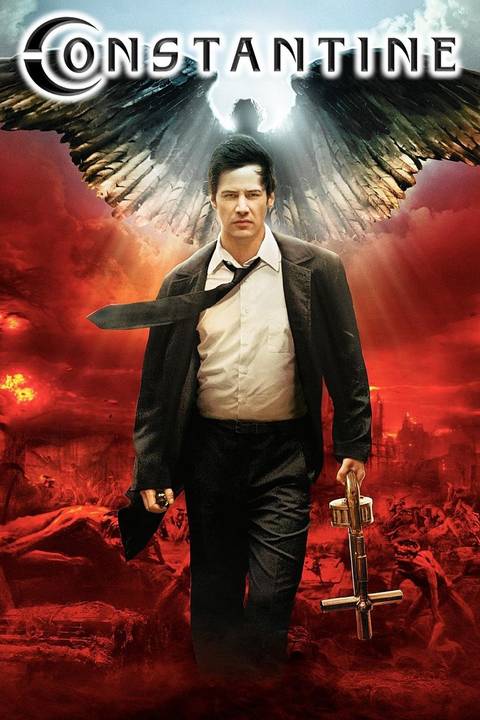
Constantine
- Release Date
-
February 18, 2005
- Runtime
-
121 minutes
- Director
-
Francis Lawrence
- Writers
-
Frank A. Cappello
What should viewers know before watching Constantine?
Constantine is a supernatural superhero film built around John Constantine’s encounters with demons, angels, and Hell. Its blend of gothic visuals, occult action, and noir atmosphere makes it especially relevant to viewers interested in supernatural comic-book stories.
Constantine combines a DC Comics character with supernatural horror and film noir elements.
- Release date: February 18, 2005.
- Runtime: 121 minutes.
- Director: Francis Lawrence.
- Writer credit: Frank A. Cappello.
The film’s gothic imagery and supernatural setting are its defining features, while Reeves’ portrayal supplies its central character focus. The source identifies HBO Max as a viewing option.
Is Constantine based on DC Comics?
Yes. Constantine is a 2005 adaptation featuring John Constantine, a character from DC Comics.
Who directed the 2005 Constantine movie?
Francis Lawrence directed the 2005 film Constantine.
How long is Constantine?
Constantine has a runtime of 121 minutes.
What makes Constantine’s version of Hell distinctive?
The film depicts Hell as Los Angeles frozen in the moment of an atomic blast, with demons and sinners beneath the ruined surface.