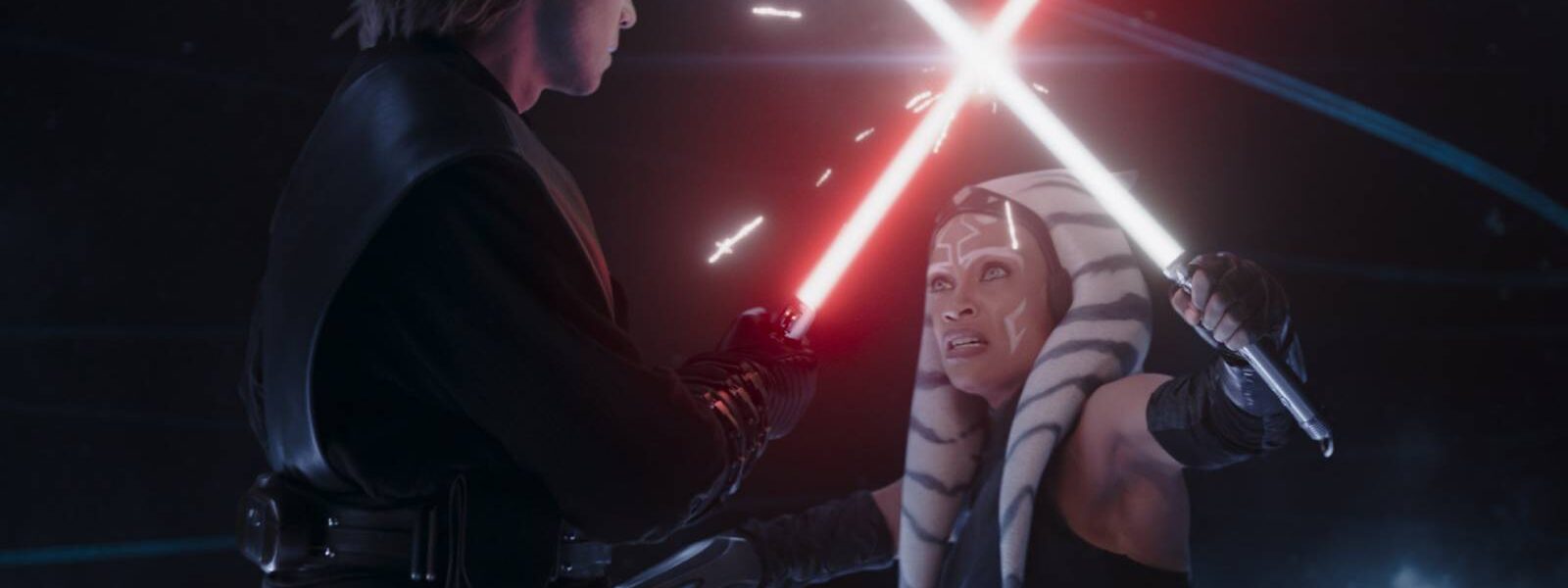
Recent news about Star Wars‘ upcoming Disney+ slate proves that the franchise is failing one of its greatest characters. With The Mandalorian and Grogu flying into theaters on May 22, the pressure is on Star Wars to bring the magic of the galaxy back to the big screen. Since the divisive release of 2019’s Star Wars: The Rise of Skywalker, Star Wars has operated more as a streaming franchise than anything else, using the freedom of the Disney+ platform to expand the brand’s narrative scope.
Largely, the franchise’s live-action Disney+ content has opened up a whole new era of the Star Wars timeline, with The Mandalorian, The Book of Boba Fett, Ahsoka, and Star Wars: Skeleton Crew introducing viewers to that crucial period of time between Return of the Jedi and Star Wars: The Force Awakens. However, now that Din Djarin and Grogu are heading to cinemas, the last New Republic-era Star Wars show currently left standing is Ahsoka.
The first series premiered in August 2023, finally giving one of Star Wars‘ most popular animated characters the time in the spotlight she so deserved. Though Ahsoka essentially functions as a live-action sequel to Star Wars Rebels, the show forever altered the characters’ and the audience’s understanding of the Star Wars universe. Unfortunately, recent confirmation that Ahsoka season 2’s release has been pushed back to “early 2027” feels incredibly unfair for one of Star Wars’ most pivotal characters. That’s at least a three-and-a-half-year hiatus, if not more, between seasons — extreme, even for streaming. Ahsoka Tano deserves more.
Ahsoka Tano Is One Of Star Wars’ Most Important Characters
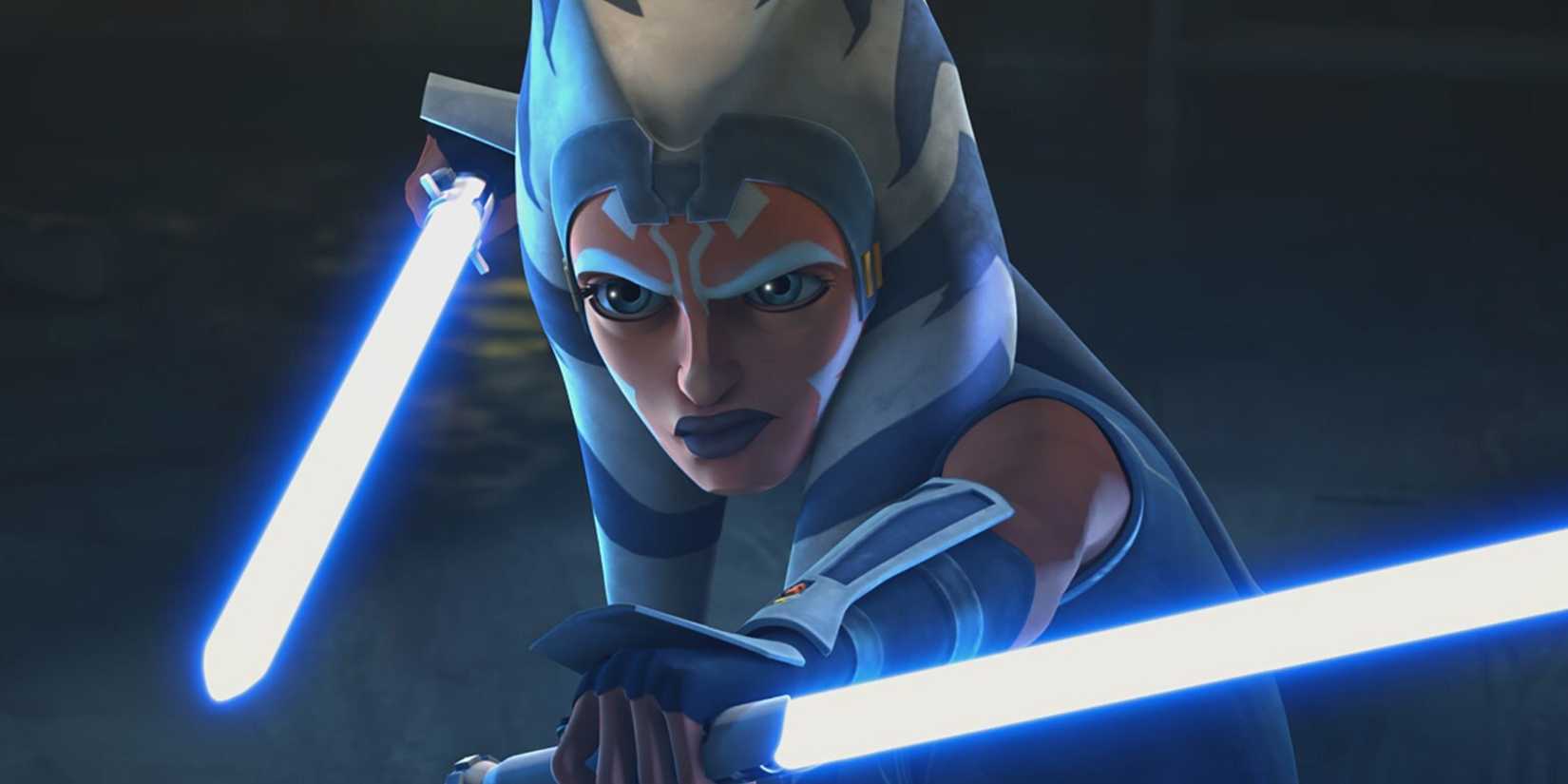
There’s no denying that Ahsoka Tano has become one of Star Wars’ most important characters. Despite her origin as an animated retcon, Ahsoka’s role in Anakin Skywalker’s life, her relationship with Padmé Amidala, her history with Mandalore, her status as an Order 66 survivor, and her involvement in the Rebellion’s earliest efforts have made her integral to the overarching Skywalker saga. She’s even met and advised the one and only Luke Skywalker and is currently training a new Mandalorian Jedi.
—
01—The original Star Wars film — later retitled Episode IV: A New Hope — opened in just 32 American theatres and proceeded to become the highest-grossing film of its era, redefining what summer blockbusters could be. In which year did it premiere?—
—
✓ Correct! 1977 — specifically May 25. 20th Century Fox had so little faith in the project they only opened it in 32 theatres at first; queues quickly stretched around the block, and the film expanded to over 1,000 screens within months. It earned $307 million in its initial domestic run, won six Academy Awards (with another four nominations) and inverted Hollywood’s economics for the next 50 years.—
✗ Wrong. The answer is 1977. 1975 is when the script was being shopped around. 1979 is when Star Trek: The Motion Picture released as a Star Wars-shaped countermove. 1980 is The Empire Strikes Back. The original Star Wars is May 25, 1977.—