Key Takeaways:
- Definition of Drama: Drama is a crucial element of cinema that emphasizes emotional storytelling and character complexity.
- Impactful Films: The list showcases ten films that have significantly defined cinematic drama over the years.
- Variety in Themes: The selected films explore various themes, from family struggles to ambition and corruption.
- Enduring Legacy: These dramas are celebrated for their bold narratives, direction, and performances that resonate with audiences.
Drama is the lifeblood of cinema, the essence of realism and gravitas in the medium as it seeks to emphasize emotional storytelling, character complexity, and interpersonal and internal conflicts through an air of seriousness and depth. Its endeavor to depict the full scope of the human condition with raw earnestness has seen many of the genre’s most esteemed films immediately enshrine themselves as quintessential classics defined by their bold writing decisions, astute direction, and their gripping performances.
Cinema has seen no shortage of great dramas over the past 75 years, and for every masterpiece that has made the cut for this list, there are dozens of equally adored and decorated pictures that could easily be included in their place. However, it is impossible to deny that these 10 pictures have defined both the resonance and variety of cinematic drama, with everything from international explorations of family hardship to iconic Hollywood classics of corruption and ambition featuring.
10
‘One Flew Over the Cuckoo’s Nest’ (1975)
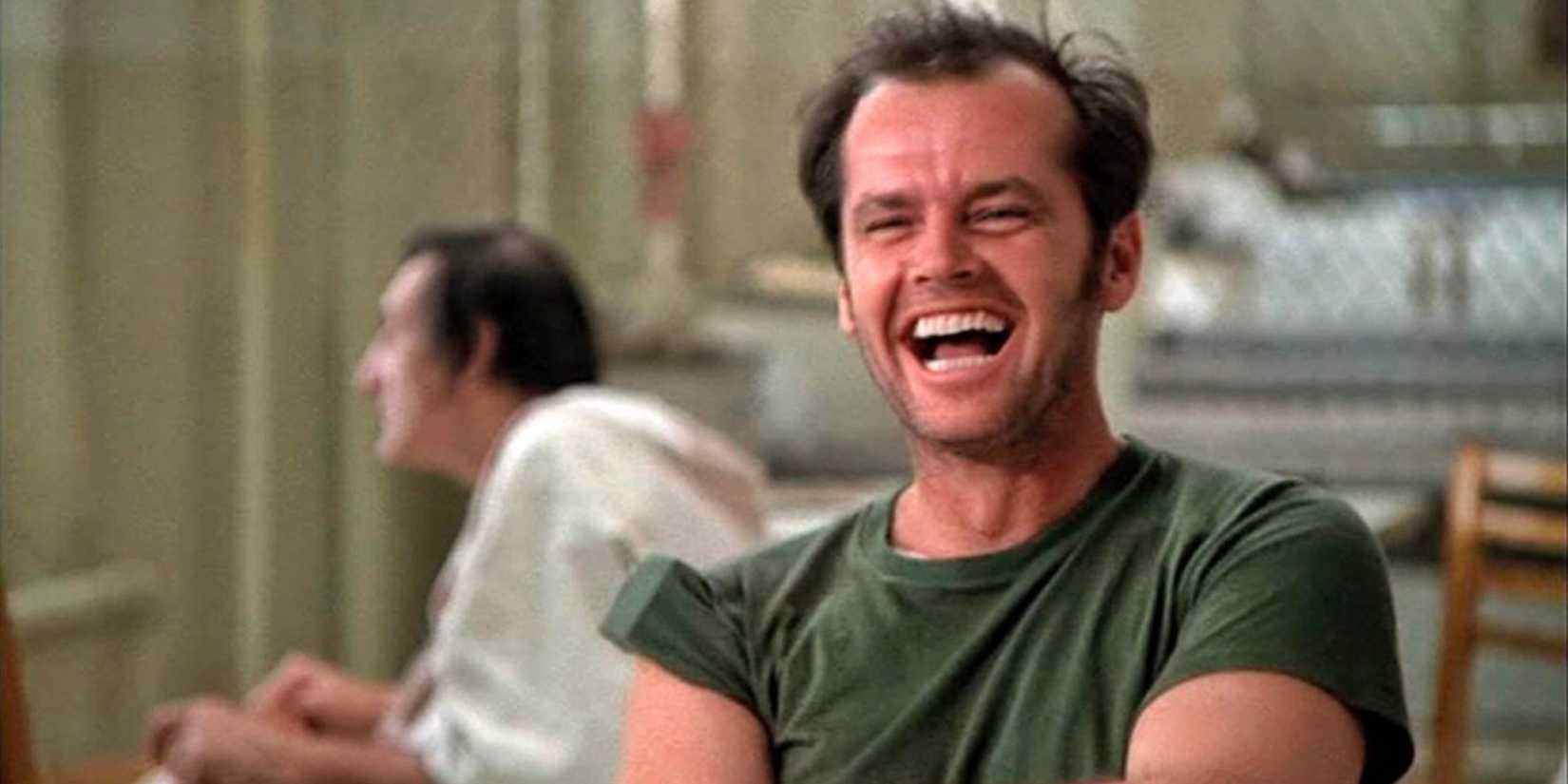 Image via United Artists
Through the latter part of the ‘60s and into the 1970s, there emerged a subgenre of drama that aspired to challenge social conventions and conformity through the lens of those being held in institutions. Cool Hand Luke and The Stepford Wives are both examples of this, but the very best film in this ilk is undeniably Miloš Foreman’s One Flew Over the Cuckoo’s Nest. Based on Ken Kesey’s novel, it unfolds in a mental institution where Randle McMurphy (Jack Nicholson) clashes with the domineering Nurse Ratched (Louise Fletcher) while trying to inspire revolt and joy among his fellow patients.
Shot on location and incorporating real psychiatric patients and staff as extras, the five-time Oscar-winning film holds a sense of realism that is only bolstered by the awe-inspiring performances of its two leads. It is the finest exploration of individualism vs. institutional control cinema has ever seen, a cutting display of hopes for freedom clashing violently against the insistence of order. The end result is a masterpiece of narrative tension and dramatic wrath that compliments its sense of adventure with one of the most flattening and jolting climaxes of all time.
9
‘Raging Bull’ (1980)
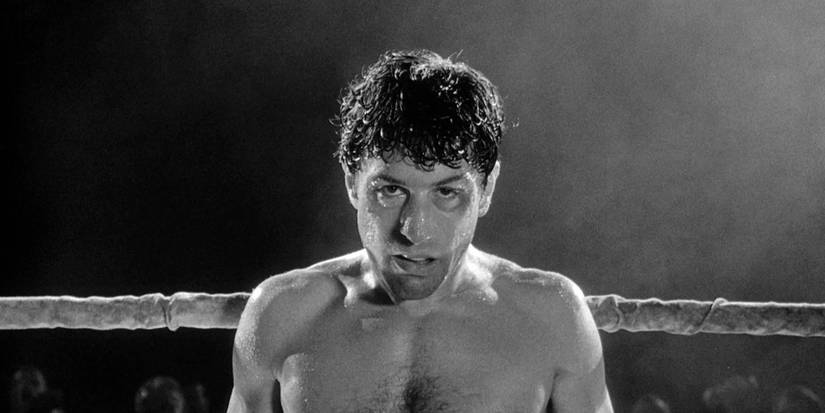 Image via United Artists
While it is adorned like a traditional sports movie, Raging Bull subverts genre conventions to supplant the heroic underdog tale with relentless character study drama as it follows the life of Jake LaMotta (Robert De Niro), a boxer whose personal issues of jealousy, paranoia, and rage constantly thwart his career. Brutally raw and terrifyingly unflinching, Martin Scorsese presents Raging Bull as a violent descent into the siege mentality of toxic masculinity and self-destruction, with De Niro’s Oscar-winning performance imbuing every scene with power and volatility.
Even the boxing sequences are deprived of Hollywood heroism, with the ring depicted not as a pillar of glory, but as a platform for punishment and penance where LaMotta externalizes his feelings of self-hatred and the loss of control. Complimented by Michael Chapman’s gorgeous black-and-white cinematography and Thelma Schoonmaker’s sharp, rhythmic editing, Raging Bull is an enduring feat of stylized, impressionable filmmaking within drama cinema that uses its eccentricities and unique qualities to present one of the more confronting pictures to have become a mainstream cultural sensation.
8
‘Amadeus’ (1984)

Image via Orion Pictures
Amadeus may flaunt a sense of epic grandeur and excess across its 160-minute runtime, but beneath its eccentricities it soars as a profound drama exploring obsession, envy, and adoration through the lens of F. Murray Abraham’s astonishing performance as Antonio Salieri. With his own dreams of universal acclaim shattered by the emergence of Wolfgang Amadeus Mozart (Tom Hulce), the scorned court composer sets his mind on using his influence to ruin his adversary and insult God in the process, but his appreciation of the delicacy of Mozart’s music never wavers.
Amadeus is a stunning examination of the angst and torment of mediocrity, an immersion in the tragedy of dutiful hard work being upstaged by raw, unteachable talent. That it is framed as an elderly Salieri’s confession to his crimes only makes this complex tone all the more poignant, especially as Abraham’s performance reckons with every ounce of spite, resignation, jealousy, and reluctant admiration the character feels. It also marks another great directorial turn from Miloš Foreman, who conjures a hypnotic atmosphere of period allure through stunning production design, deft editing, and an incredible ability to weave Mozart’s music into the narrative fabric of the film with emotional gravitas and storytelling impact.