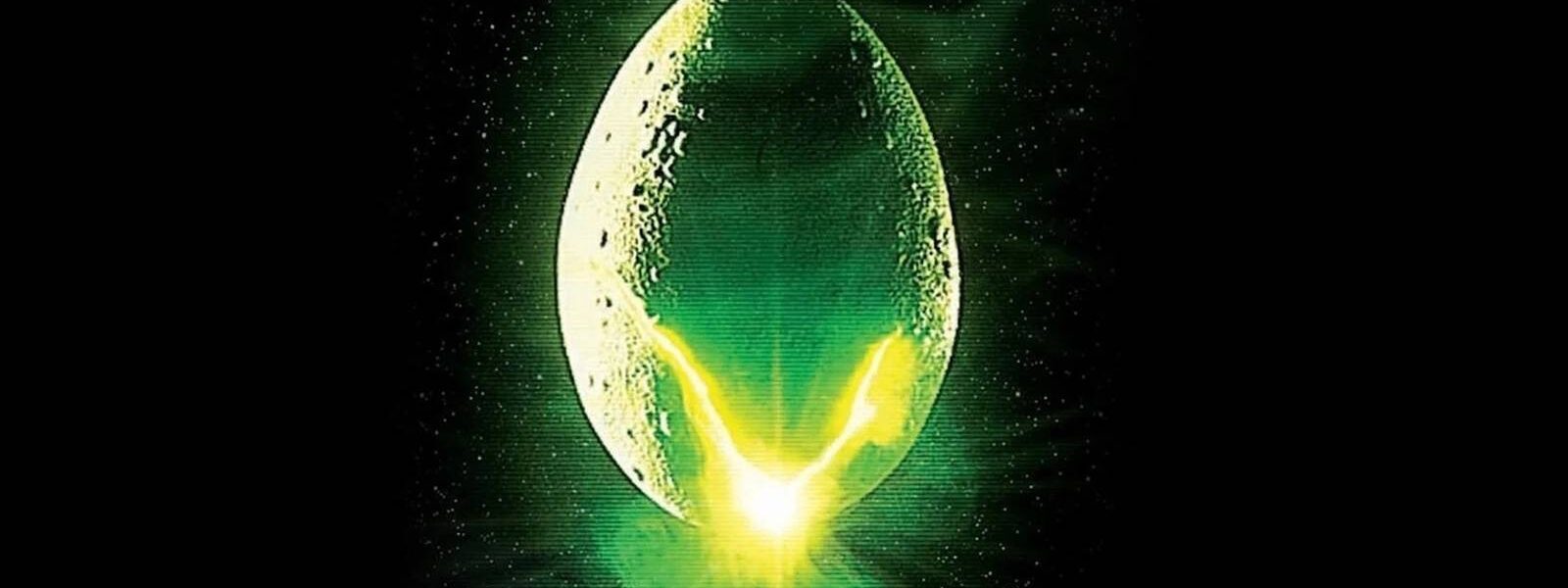
As a genre, science fiction can be boundlessly creative, whether it comes from low budget ingenuity or big budget ambition. Look at any one of the best sci-fi movies ever made and what you’ll notice immediately is how different they are from each other. They’re all singular movies that collectively represent how expansive the genre they share truly is. From time travel comedies to dystopian dramas to interstellar horror, these movies are the best representation of what sci-fi cinema has to offer.
What makes a sci-fi movie one of the best doesn’t necessarily have anything to do with how extravagant its visual effects are or how deeply it explores scientific concepts. Many of the best simply use the genre as a means to an end to tell a more emotional story, whether that involves a latchkey child becoming best friends with an alien or a teenager trying like hell not to sleep with his own mother. Sci-fi movies can be fun, weird, or thought-provoking, and that’s on full display in the best ten of all time.
‘Metropolis’ (1927)
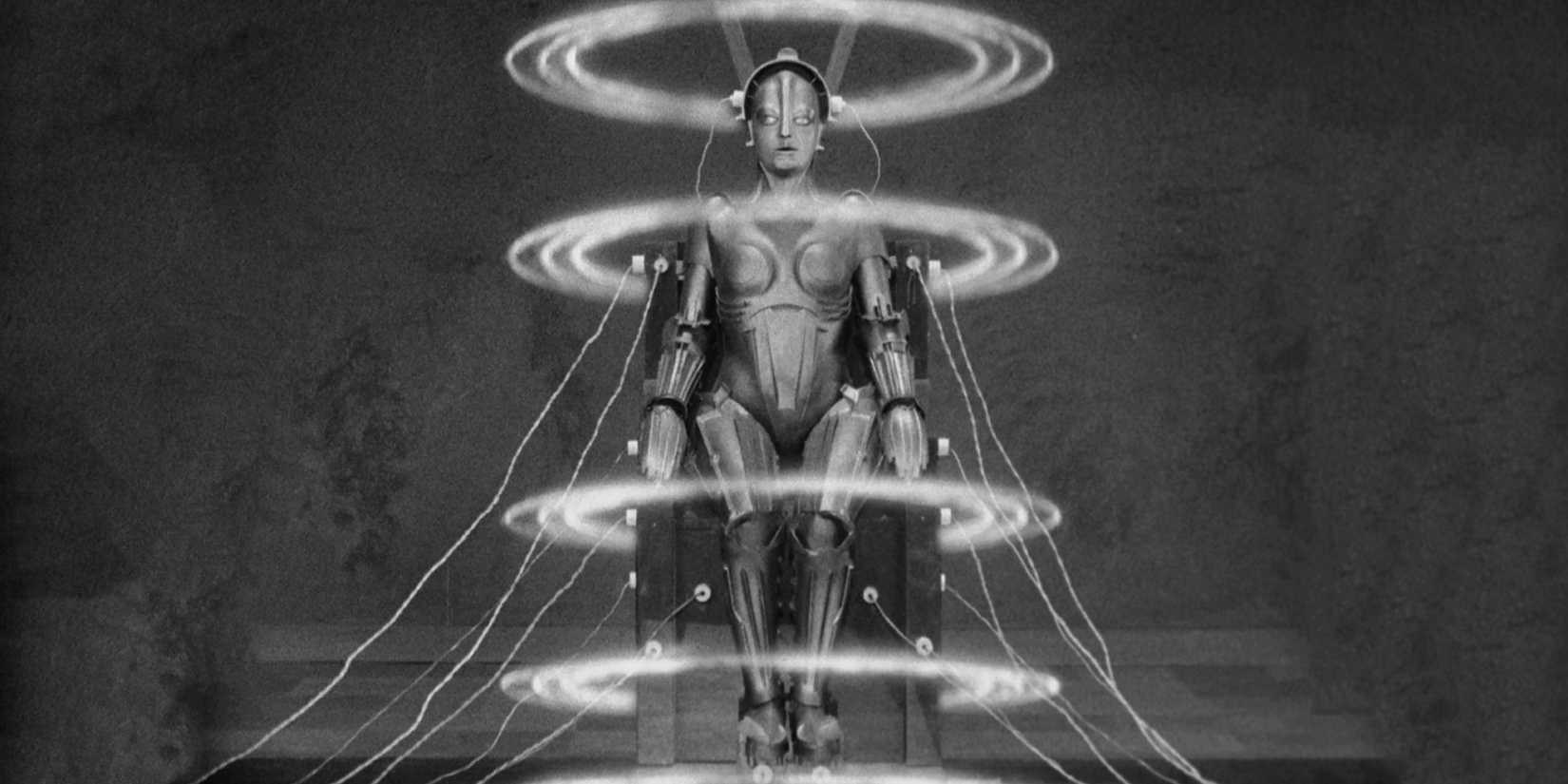
Image via Parufamet
One of the earliest and most influential sci-fi films of all time, Fritz Lang’s Metropolis is still astounding for how impressive its effects are. The film was the first to depict a sci-fi city of the future and one of the earliest to feature an android. Both its sprawling cityscape and its robotic designs have both become enduring icons of the genre, and their influence is visible in dozens of sci-fi films that would follow. Similarly, the themes of class warfare and wealth disparity have also proven to be enduring. While that’s more of a sad statement on modern society, it gives Metropolis a power that’s universal.
The titular city is the setting for the film’s central conflict between the wealthy elite who live at the literally highest levels of society and the working class who keep their city running by operating the machinery in its deepest pits. Into this conflict comes the son of the city’s master, who seeks to become the mediator between both sides. It’s a simplistic depiction of class conflict with a naive resolution, but the broader elements of the plot are still affecting. That, along with its visionary production and character designs, is what has affixed Metropolis as one of the best sci-fi films of all time.
‘Forbidden Planet’ (1956)
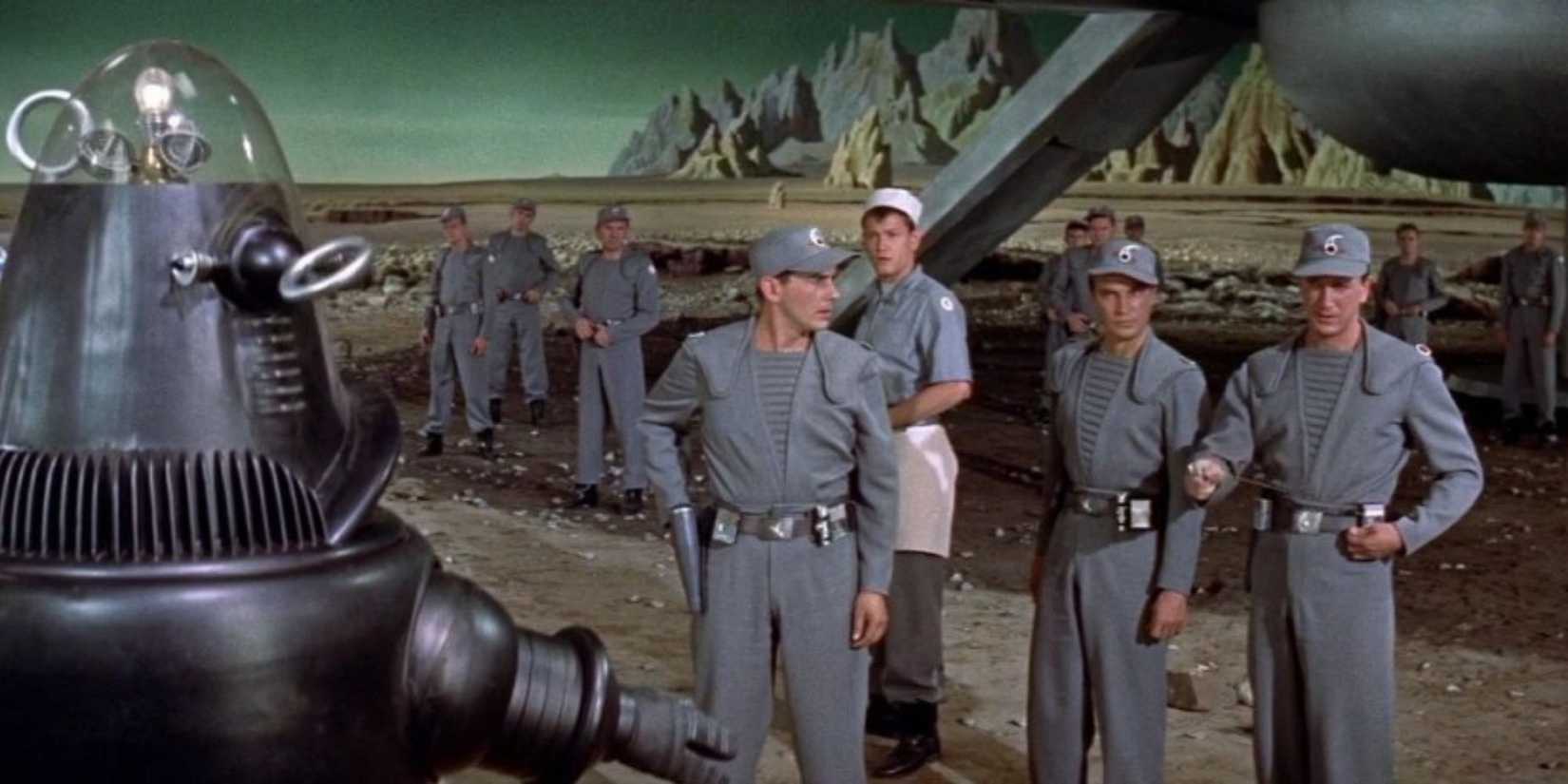 Image via Metro-Goldwyn-Mayer
Just as influential and impactful on the sci-fi genre as Metropolis, the sci-fi film <em>Forbidden Planet </em>established the foundation on which all future interstellar adventures would be built upon. The two greatest lines of influence that can be drawn from the film lead directly into Star Wars and Star Trek, and from there branch into hundreds of beloved sci-fi films, television series and beyond. That foundation was, of course, based on the blueprints set by many previous sci-fi authors and filmmakers, as well as some flourishes from William Shakespeare’s The Tempest, but it established the new standard.
The elevation of B-movie elements with an A-level budget and ambition is a descriptor that’s been applied to many classic sci-fi movies, and Forbidden Planet may be the truest first example of that. With a budget of nearly $2 million, the film was able to bring the interstellar journey of its spacefaring crew to the remote planet of Altair IV to life with a fidelity that just wasn’t present in its many B-movie contemporaries. Even if the effects may look quaint through a modern lens, the designs are still iconic and one of the purest filmic influences on retrofuturism. From Robby the Robot to the costume design to the electronic score, every element of Forbidden Planet represents the ideal form of sci-fi escapism.
‘2001: A Space Odyssey’ (1968)
If films like Metropolis and Forbidden Planet represent the bedrock of the sci-fi genre, Stanley Kubrick's <em>2001: A Space Odyssey</em> was a tectonic shift. A truly audacious cinematic experience that sought to bring a new level of realism to the genre through unparalleled levels of research and visual effects technology. More than just aging gracefully, the film has only become more impressive with time, through its near-seamless visual effects, and reverberating themes. 2001 elevated the entire genre of science fiction, set the standard for hard sci-fi and continues to inspire filmmakers and enrapture audiences.
Kubrick’s notoriously meticulous level of control has never been more apparent than in 2001, where almost every shot represents some kind of groundbreaking technical achievement. From the iconic opening of the sun rising set to “Also Sprach Zarathustra”, the film announces itself as something entirely new and different for science fiction. While its plot of a group of astronauts investigating the re-emergence of an alien monolith is relatively straightforward, it’s grappling with much larger ideas regarding humanity’s place in the universe and our relationship with technology. 2001: A Space Odyssey is science fiction filmmaking at its highest level.
‘Stalker’ (1979)
Image via Mosfilm
The titular character serves as a guide through supernatural areas known as Zones for those seeking to reach Rooms that can make their innermost desires real. It’s an allegorical film examined through every lens imaginable—its opaque nature making it all more malleable for interpretation. Stalker is a slow journey through human nature that’s one rewarding sci-fi experience.
‘Alien’ (1979)
Image via 20th Century Studios
The production design deftly combines industrial sci-fi with gothic horror—biomechanical creature design by H.R. Giger has no equal—and performances are perfectly grounded.
Image via Universal Pictures’
The story focuses on childhood friendship—exemplifying emotional aspects that continue influencing family-oriented genre fare.
‘Arrival’
- ‘Release Date’
- ‘November 11,’2016’
[nospin]Here you can find original article photos used in our article also come from this source. We are not their authors they have been used solely for informational purposes with proper attribution to their original source.[nospin]
[INPUT_HTML_END]