

A quick guide to what to watch before Blade Runner 2099
- Franchise starting point: Watch Ridley Scott’s Blade Runner to understand the replicants and the story’s questions about humanity.
- Direct sequel: Blade Runner 2049 continues the franchise with Ryan Gosling as K and Harrison Ford in a supporting role.
- Related science fiction: Star Wars, Dune: Part Two, Ex Machina, Minority Report and Mickey 17 offer different takes on futuristic worlds and technology.
- Watch order: Start with the original Blade Runner, then watch Blade Runner 2049 before exploring the other films.
Blade Runner 2099 is the reason to revisit the Blade Runner films and choose other science fiction movies for a pre-watch list. This guide compares the original Blade Runner, its sequel and five related films, so viewers can choose what to watch ahead of the next series.
Ridley Scott released Blade Runner in 1982. Starring Harrison Ford, Rutger Hauer, Sean Young and Edward James Olmos, the science fiction film divided critics and audiences on its initial release and failed to make a profit during its original theatrical run.
The film’s reputation grew over time, and the franchise expanded with Denis Villeneuve’s Blade Runner 2049. The series Blade Runner 2099 is described here as moving the story forward by fifty years from the last live-action entry.
Blade Runner also influenced later science fiction. George Lucas’ Star Wars: Episode II – Attack of the Clones offers a notable visual comparison: Coruscant’s futuristic cityscapes recall the imagined Earth of Blade Runner.
For a viewing list ahead of Blade Runner 2099, the most direct choices are the original film and Blade Runner 2049. Other films on this list broaden the experience with related ideas, including artificial intelligence, dystopian societies and humanity’s relationship with technology.
Why watch Blade Runner before Blade Runner 2099?
Ridley Scott’s Blade Runner introduces the franchise’s dystopian Los Angeles, blade runner Rick Deckard and the replicants central to its story. Watching the 1982 film first provides the context for the themes continued in Blade Runner 2049 and Blade Runner 2099.
Blade Runner connects replicant identity with questions about what it means to be human.
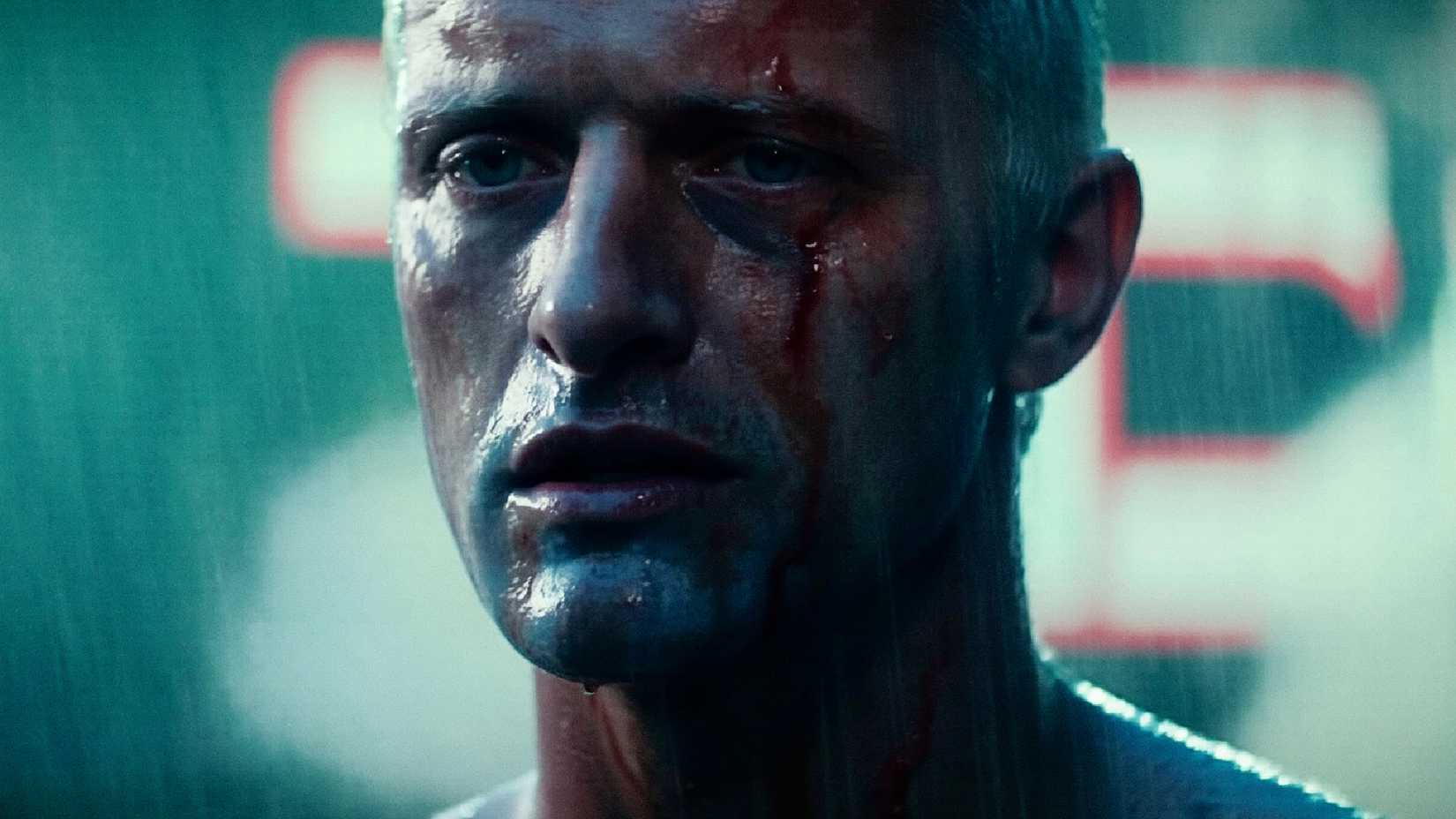
In Blade Runner, former police officer Rick Deckard is pulled back into the underworld and tasked with hunting escaped replicants. The story takes place in a dystopian Los Angeles in 2019, where authorities believe the fugitives have come to Earth from a nearby colony.
Rick Deckard’s hunt places the replicants at the center of the film’s conflict.
The replicants are human-made beings originally created to serve as workers and explorers on other planets. They look and sound like people, yet are stronger and more intelligent than their creators, making them both a perceived threat and a source of difficult questions about technological progress and human identity.
Replicants are portrayed as fugitives, but the film also presents them as tragic individuals shaped by persecution. These ideas provide a thematic foundation for both Blade Runner 2049 and Blade Runner 2099.
Is Star Wars (1977) worth watching before Blade Runner 2099?
Yes. The first Star Wars film, later retitled Star Wars: Episode IV – A New Hope, is a science fiction classic that also connects to the making of Blade Runner through Harrison Ford’s career.
Star Wars connects to Blade Runner through Ford’s starring roles in both films.
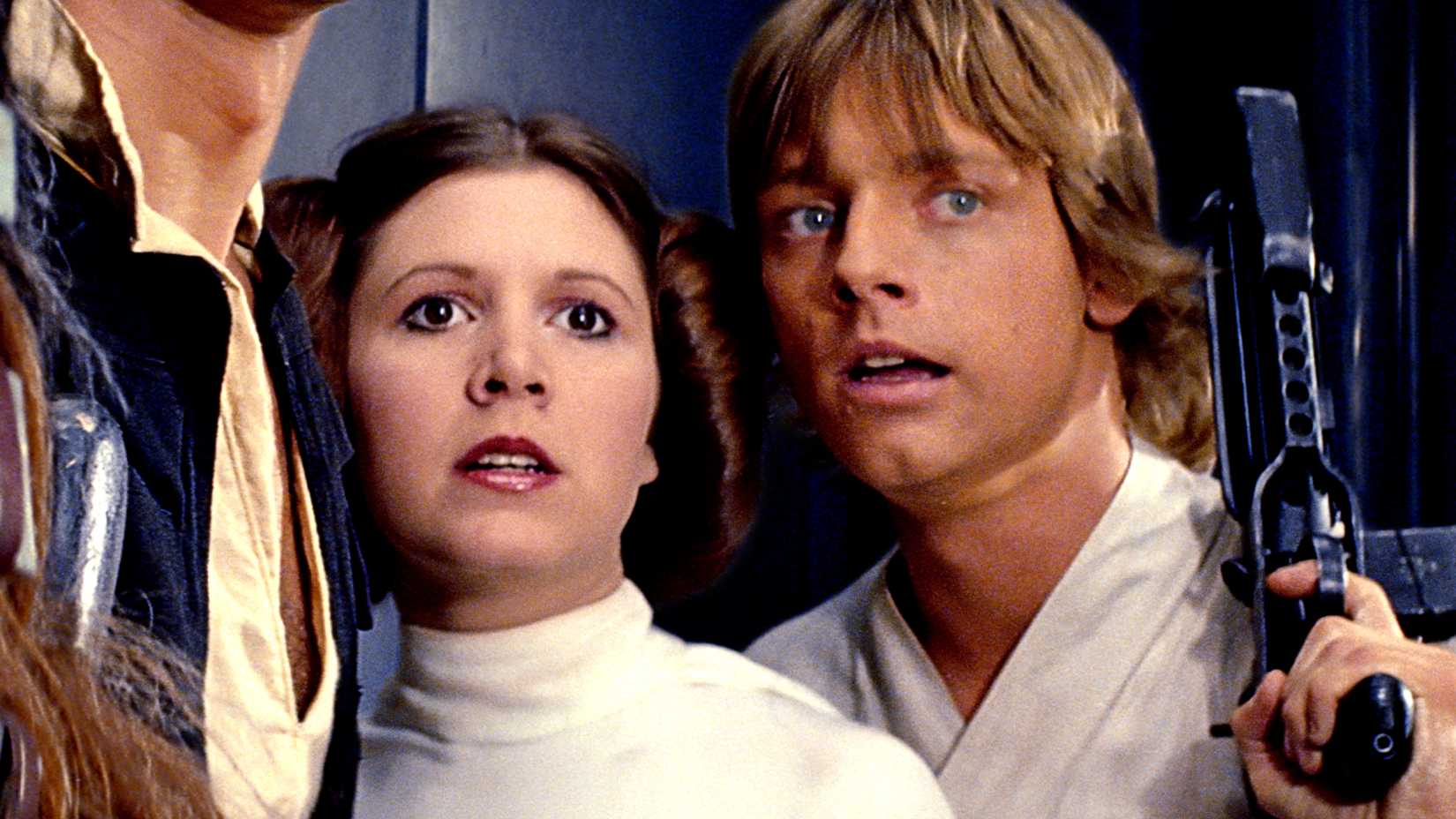
Released a few years before the first Blade Runner, the original Star Wars follows Luke Skywalker as he joins the fight against the Empire. The film also helped make Harrison Ford a star, alongside his work in Lucasfilm’s Raiders of the Lost Ark, bringing him to Ridley Scott’s attention for Blade Runner.
A New Hope follows Luke Skywalker as Jedi Ben, also known as Obi-Wan, Kenobi trains him. With Han Solo and Chewbacca, Luke must rescue Princess Leia from an Imperial prison and destroy the Death Star.
Why is Blade Runner 2049 essential viewing?
Blade Runner 2049 is the direct follow-up to Ridley Scott’s film and continues the franchise’s story and ideas. Denis Villeneuve’s sequel stars Ryan Gosling as K and brings Harrison Ford back in a supporting role.
Blade Runner 2049 extends the original franchise through K’s investigation and its continuing questions about identity.
 Image via MovieStillsDB
Made more than thirty years after its predecessor, Blade Runner 2049 did not meet the studio’s box-office expectations. The sequel brings back the original’s measured lead character and expands the world around him.
K, played by Ryan Gosling, is a blade runner who uncovers a conspiracy that threatens to destabilize the world. The investigation gives the sequel a new central story while retaining the franchise’s interest in replicants and human identity.
Blade Runner 2049 was directed by Denis Villeneuve, who later expressed regret about making the film. The sequel is a direct continuation of the franchise, making it the most relevant companion to the original before Blade Runner 2099.
What does Dune: Part Two add to a Blade Runner 2099 watch list?
Denis Villeneuve’s Dune: Part Two is a separate science fiction story, but it offers another example of the director’s work in expansive futuristic worlds. The film follows Paul Atreides as he moves closer to his destiny and takes on the responsibility of defending his people.
Dune: Part Two follows Paul Atreides as he faces his destiny and the defense of his people.

In Dune: Part Two, Paul’s father is gone, and Paul must step forward to protect his people. A new group of followers joins him as he continues the journey begun in Dune.
Dune: Part Two adapts Frank Herbert’s source material and stars Timothée Chalamet, Zendaya, Austin Butler and Florence Pugh. It is a standalone addition to this watch list rather than a chapter in the Blade Runner story.
Why pair Ex Machina with Blade Runner?
Alex Garland’s Ex Machina is a smaller-scale science fiction film about artificial intelligence and the tension between human beings and a created intelligence. Its contained setting offers a contrast to the wider worlds of Dune: Part Two and Star Wars.
Ex Machina explores artificial intelligence through a tense, largely contained story.
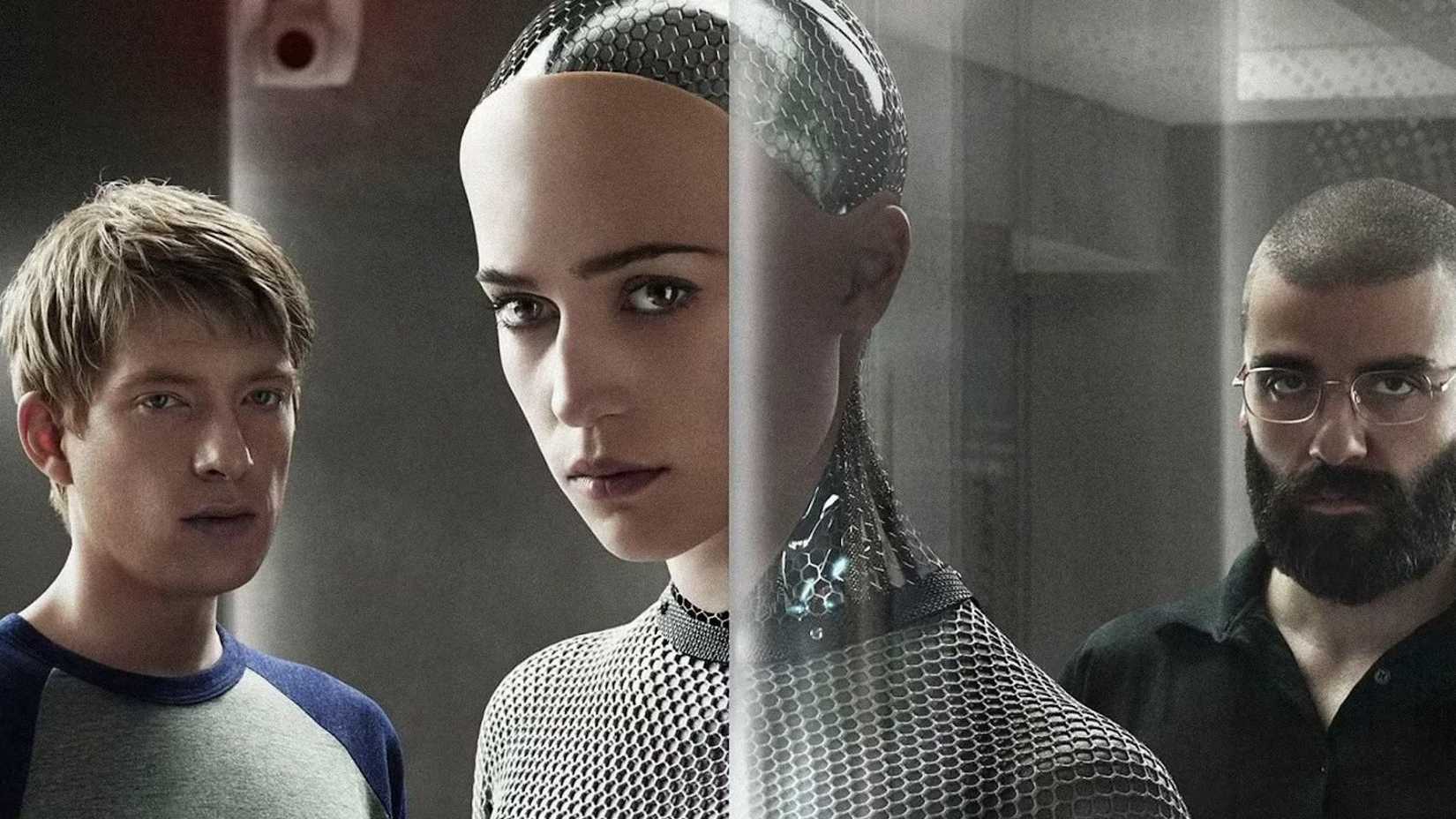
The story follows Blue Book programmer Caleb Smith, played by Domhnall Gleeson, after Blue Blood CEO Nathan Bateman, played by Oscar Isaac, invites him to his home. There, Caleb meets Ava, an artificial intelligence robot.
Ex Machina relies less on action than Dune: Part Two or Star Wars. Instead, the film builds suspense and discomfort as its characters come into conflict, showing how science fiction can work on an intimate scale.
How does Minority Report connect to Blade Runner?
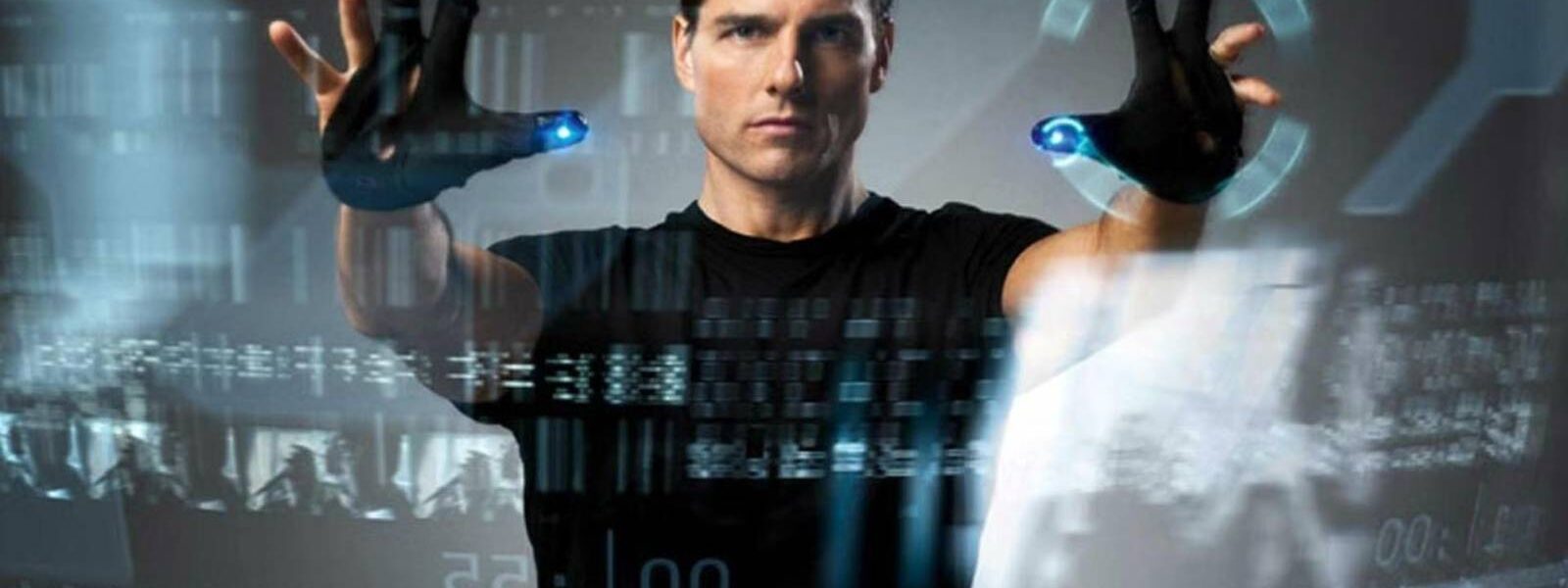
Steven Spielberg’s Minority Report shares Blade Runner’s interest in futuristic societies and dystopian possibilities. Its plot centers on a police system that uses psychics, known as precogs, to identify people expected to commit crimes.
Minority Report explores a dystopian future through crime prediction and policing.

Starring Tom Cruise, Colin Farrell and Samantha Morton, Minority Report follows John Anderton, played by Cruise, after the precogs identify him as a future murderer. Anderton goes on the run as he tries to confront the prediction.
The film’s visuals and broader narrative have clear similarities to Blade Runner: both imagine a highly futuristic Earth with dystopian elements. Minority Report has aged since its release, but its connection to the Blade Runner franchise makes it a relevant companion film.
What makes Mickey 17 a fitting science fiction pick?
Mickey 17 is a dystopian science fiction film set in 2054, with a story about cloning and expendable workers on a space-colony mission. Its themes make it a related, though tonally different, choice for a Blade Runner 2099 watch list.
Mickey 17 uses cloning to explore a futuristic society and the value of human life.
 Custom image by Brennan Klein
Starring Robert Pattinson and Naomi Ackie, Mickey 17 follows Mickey, who volunteers for a space-colony mission as an expendable: a worker who is cloned after dying. The story is set in 2054.
A mix-up brings a clone into existence before Mickey’s death, leaving two versions of the character alive. The film is more comedic than the other titles on this list, while still exploring themes that also appear in Blade Runner.
Blade Runner 2099 is listed as premiering on November 25 on Prime Video.
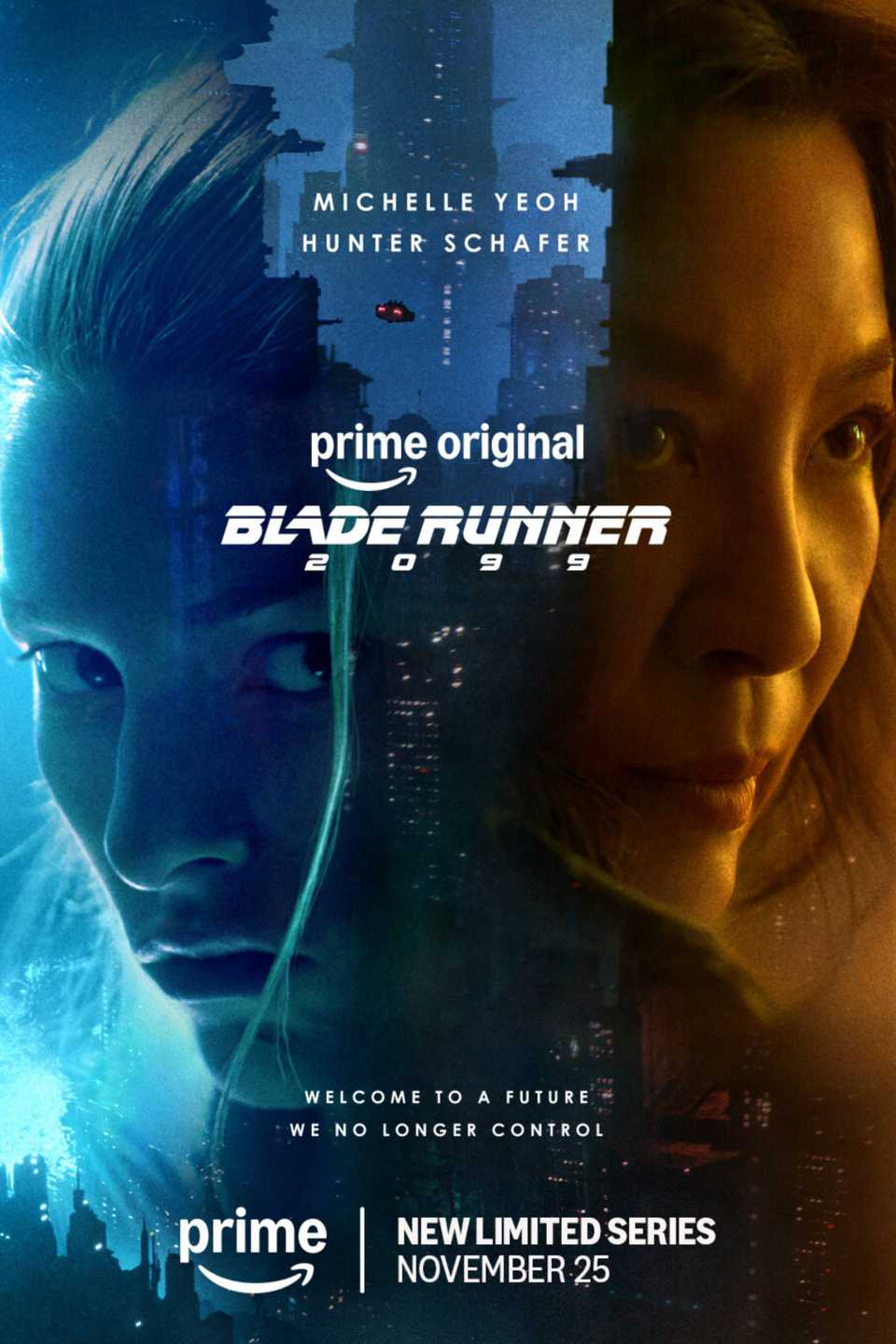
Blade Runner 2099
- Release Date
-
2026 – 2026-00-00
- Network
-
Prime Video
- Showrunner
-
Silka Luisa