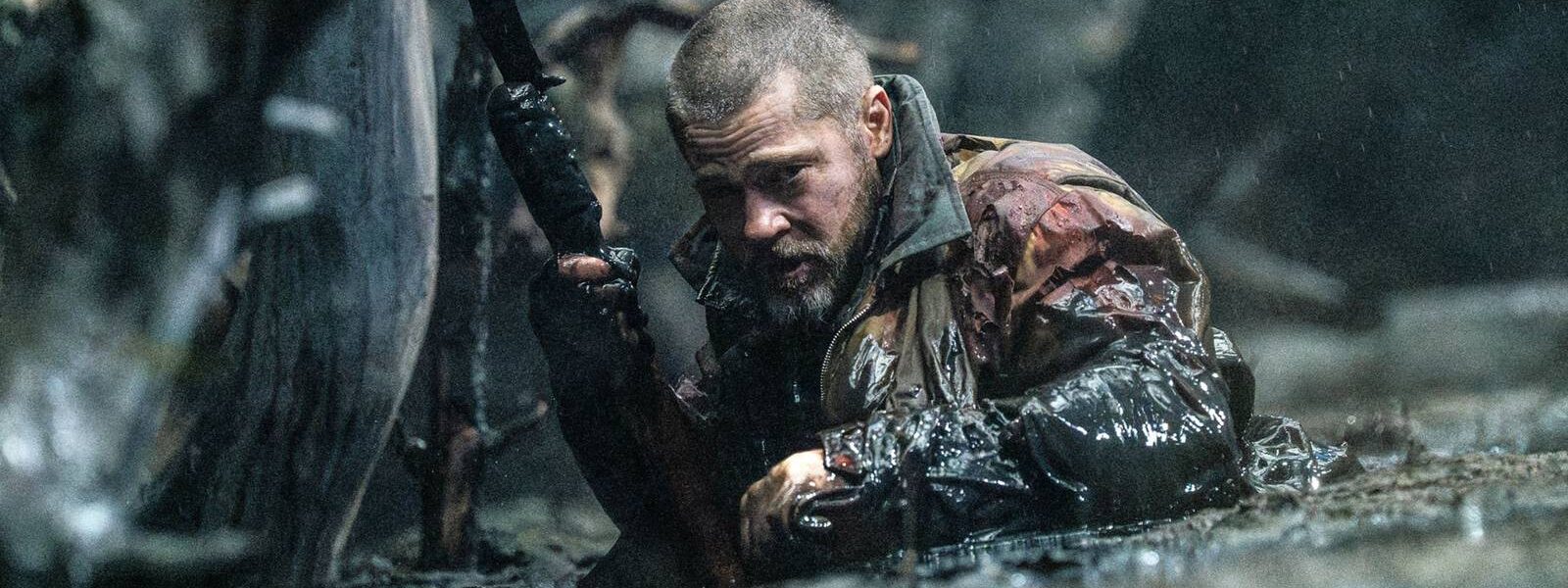
Brad Pitt and David Ayer‘s Heart of the Beast premiered this past weekend, featuring a retired Special Forces officer and his combat dog stranded in the harsh Alaskan wilderness after a plane crash. Early trailers have already drawn comparisons to The Revenant, which would be significant shoes to fill. Ayer’s latest work (Suicide Squad, Fury) embraces a form of stripped-down, elemental filmmaking that defines the survival genre at its best. These stories often present nature itself as the true antagonist, rather than a person. Few genres demand as much physically and emotionally from their leads, requiring actors to convey desperation, exhaustion, and quiet resolve with minimal dialogue and no one else on screen to interact with. Pitt, collaborating with a director known for gritty realism in films like Harsh Times and End of Watch, seems well-positioned to deliver the kind of performance this project demands. This first-time pairing between the star actor and the action filmmaker has generated significant anticipation, and the wilderness survival premise allows both to explore physical, dialogue-light storytelling.
Brad Pitt recently expressed his desire to make a survival movie for a long time. These films maintain popularity long after their release because they explore the same core idea in various ways. Some are based on real events, adding weight to the danger and journey of the protagonist. Others focus on isolation, probing the mind more than the body, shifting attention to what remains when distractions are stripped away. Each film ultimately circles around the same question: when there is nothing left to hide behind, what remains of a person? This theme can manifest in many settings, whether in a lifeboat with a tiger or on a snow-covered peak or a sinking boat in open water. Survival films often require steady attention rather than constant dialogue; they rely on stunts, endurance, and effort on screen more than heavy dialogue or tightly engineered twists. This is a major reason why top actors and directors continue returning to the genre.
This variety is also why survival movies have produced some of the most discussed works over the last 20 years. In this context, Heart of the Beast arrives without a substantial backstory but with a dog and movie star who have both faced challenges in their respective industries. Ayer intends to uphold the pillars that define this genre. The following nine titles exemplify what this style can achieve at its best. Some depict known catastrophes while others venture into fictional scenarios set in nature. A few focus on individuals who persist through unforgiving environments. The result carries a weight that fabricated twists cannot replicate fully. Collectively, these stories cover extensive ground, offering spiritual parables, group tragedies, tests designed for individual performers, and narratives that emphasize physical strain. They also set high expectations for what Ayer and Pitt aim to achieve with their latest project.
9
‘Cast Away’ (2000)
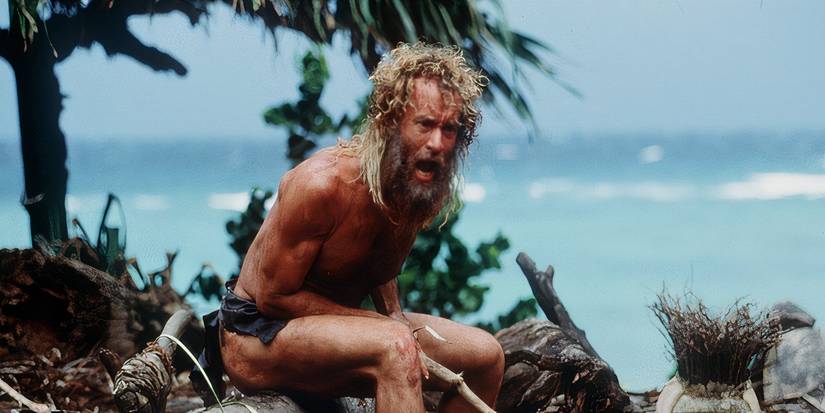 Image via 20th Century Studios
Cast Away maintains its reputation for good reason. It unfolds slowly in a way that feels earned. Long stretches play out with minimal dialogue as we observe Chuck Noland (Tom Hanks) learning how to survive alone after a plane crash. The film treats solitude as the main adversary, allowing viewers to feel the emptiness instead of avoiding it. Even the volleyball becomes a small, sad sign of his needs. Robert Zemeckis relies on this approach without feeling compelled to add external dangers that would seem artificially forced. The tension arises from time passing and from what life takes away from him. The narrative shifts forward after Chuck is rescued, revealing him years later—a new kind of pain distinct from his hardships on the island. Ultimately, it feels more like an exploration of loss than merely another survival story.
Hanks undergoes significant changes throughout the years depicted in the plot. This transformation is evident on screen as production paused for an extended period so he could lose weight for his role. This choice enhances the authenticity of his decline during his time on the island scenes. Some films emphasize silence in ways that feel heavy-handed; however, in Cast Away, the absence of another human voice can feel almost suffocating. If you want to see how long a survival narrative can capture your attention, this film is worth watching as it allows viewers to dwell in uncomfortable moments while rewarding them with Chuck’s resolution at his journey’s end.
8
‘Life of Pi’ (2012)
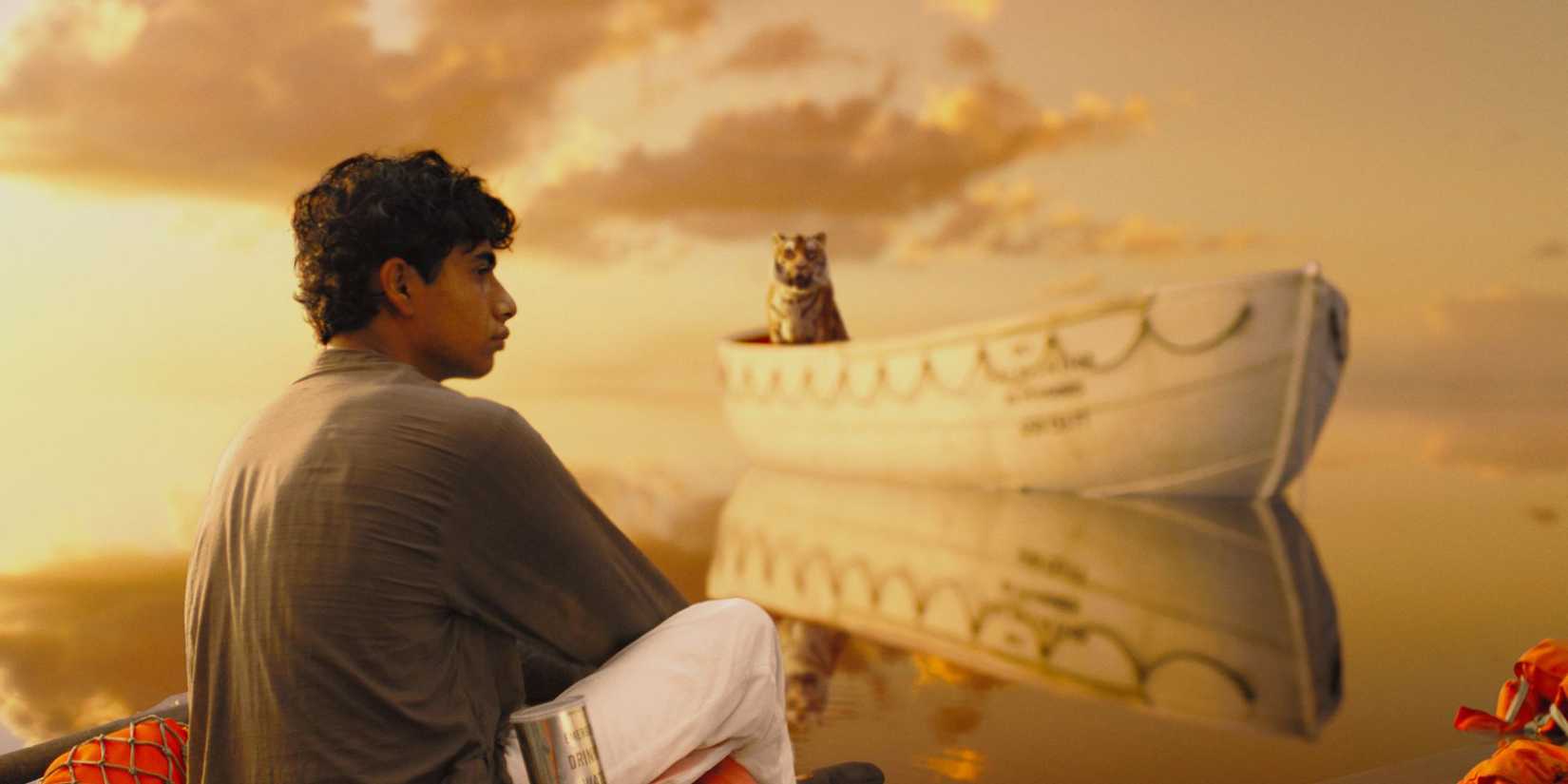
Image via 20th Century Studios
Ang Lee‘s adaptation of Yann Martel’s book Life of Pi treats survival as an enduring question. It follows a young man who ends up on a small lifeboat after a shipwreck kills his family—accompanied by a Bengal tiger—and continually explores what this premise signifies beyond just what happens next in the story’s sequence. The cinematography is dreamlike, with endless water appearing almost otherworldly as lights glow beneath the surface at night while storms are depicted with painterly care. Consequently, the survival narrative begins to feel like a myth floating atop reality rather than adhering to typical genre conventions. Lee also employs modern 3D techniques boldly and epically—transforming the ocean from mere background into an immersive entity that presses against Pi Patel.
This effect imbues the entire setting with life even when nothing seems to occur apart from Pi floating alongside Richard Parker—the tiger—on the water. In his first major role, Suraj Sharma serves as the emotional core of the film. He shares scenes with Richard Parker—created through visual effects—and manages to bridge any potential gap between actor and creature convincingly. The lingering aspect is how the film refrains from providing clear answers regarding Pi’s story—it never definitively states whether it is true or merely an imaginative retelling of something far worse. This ambiguity prompts viewers to contemplate questions often raised by survival narratives remarkably: when individuals endure unimaginable circumstances, what assists them most in coping with their experiences—the facts or their interpretation of survival? Near its conclusion, Pi recounts another account—one darker than before—which alters how earlier events are perceived without fully revealing any absolute truth.
7
‘Everest’ (2015)
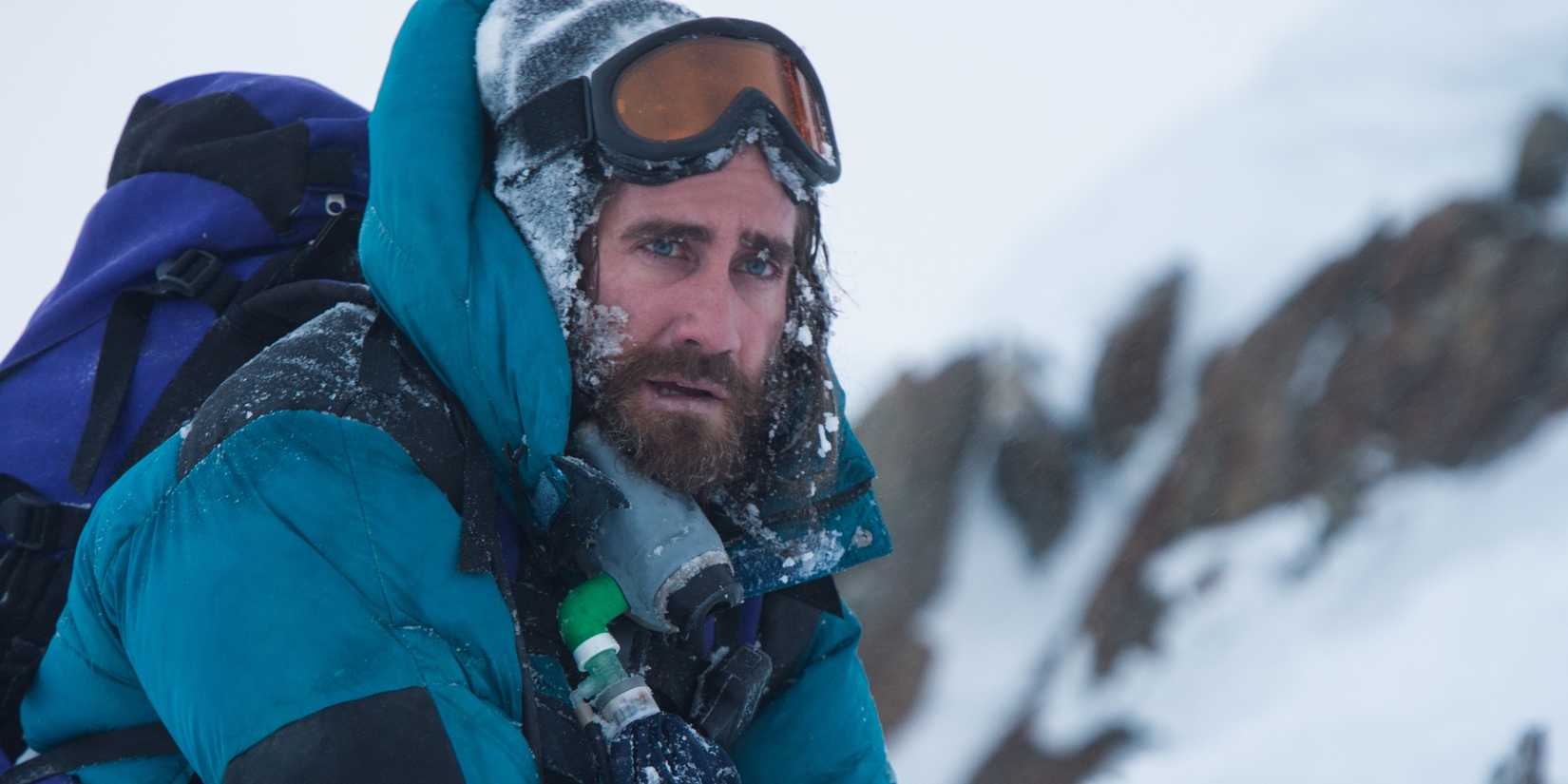 Image via Universal Pictures
Everest reinterprets the tragic events of 1996 on Earth’s highest peak when several groups encounter a brutal storm while climbing. People die as plans that initially seemed solid unravel quickly. The film does not follow one clear hero throughout but shifts perspectives among climbers, guides, and families awaiting updates about their loved ones—adding a human edge that many similar films often overlook or artificially create. It illustrates how rapidly situations can change during desperate moments when one cannot control weather conditions or crowding along climbing routes.
DirectorBaltasar Kormakur filmed significant portions at high altitudes, bringing authenticity to portrayals of treacherous mountain conditions—the air quality, cold temperatures, and deliberate movements feel genuine on screen.
Featuring an impressive cast includingJason Clarke,Josh Brolin, andJake Gyllenhaal, no character serves merely as an answer to disaster—this approach makes danger feel scattered yet unforgiving while testing grit genuinely.
The film avoids typical resolutions found in disaster movies by acknowledging that risks on Everest can manifest unpredictably—audiences sense both waiting and fear even when scenes unfold far from summits.
At times focusing too heavily on truth may slow entertainment pacing but ultimately contributes lasting impact by portraying loss alongside endurance clearly.
6
‘Society of Snow’ (2023)
<source media='(max-width: 480px)'
data-srcset='https://static0.colliderimages.com/
wordpress/
wp-
content/
uploads/
2023/
11/
10_0745_analog_lsdln_roll11653_26_scan-
2-copia.jpg?q=
49&fit=
crop&w=
500&dpr=
2'
srcset='https://static0.colliderimages.com/
wordpress/
wp-
content/
uploads/
2023/
11/
10_0745_analog_lsdln_roll11653_26_scan-
2-copia.jpg?q=
49&fit=
crop&w=
500&dpr=
…
…