Key Takeaways
- Genre Characteristics: The thriller genre is marked by its dark themes and lack of comfort.
- Common Themes: Films in this list explore moral decay, corruption, and a pervasive sense of doom.
- Impactful Storytelling: Each film serves as a masterclass in dread, often touching on profound philosophical ideas.
- Notable Examples: Titles like ‘Wild at Heart’ and ‘Prisoners’ exemplify the bleakness of the genre.
The thriller is among the most atmospheric and haunting genres in cinema, to the point where levity is scarce and often non-existent. Indeed, thrillers aren’t known for their cheerfulness, but even by the standards of the genre, the movies on this list are dark. They don’t comfort you; they don’t offer justice; they leave you in silence, staring into the void, unsure whether anything good will ever happen again.
These thrillers are the bleakest of the bleak, stories where violence doesn’t redeem and where the bad guys don’t always get caught. Moral decay, corruption, lack of faith, and an overall sense of doom are all common themes in these pictures, but it’s all in service of a great story. Each of the films below is a masterclass in dread, some of them touching on fascinatingly grim philosophical ideas.
15
‘Wild at Heart’ (1990)
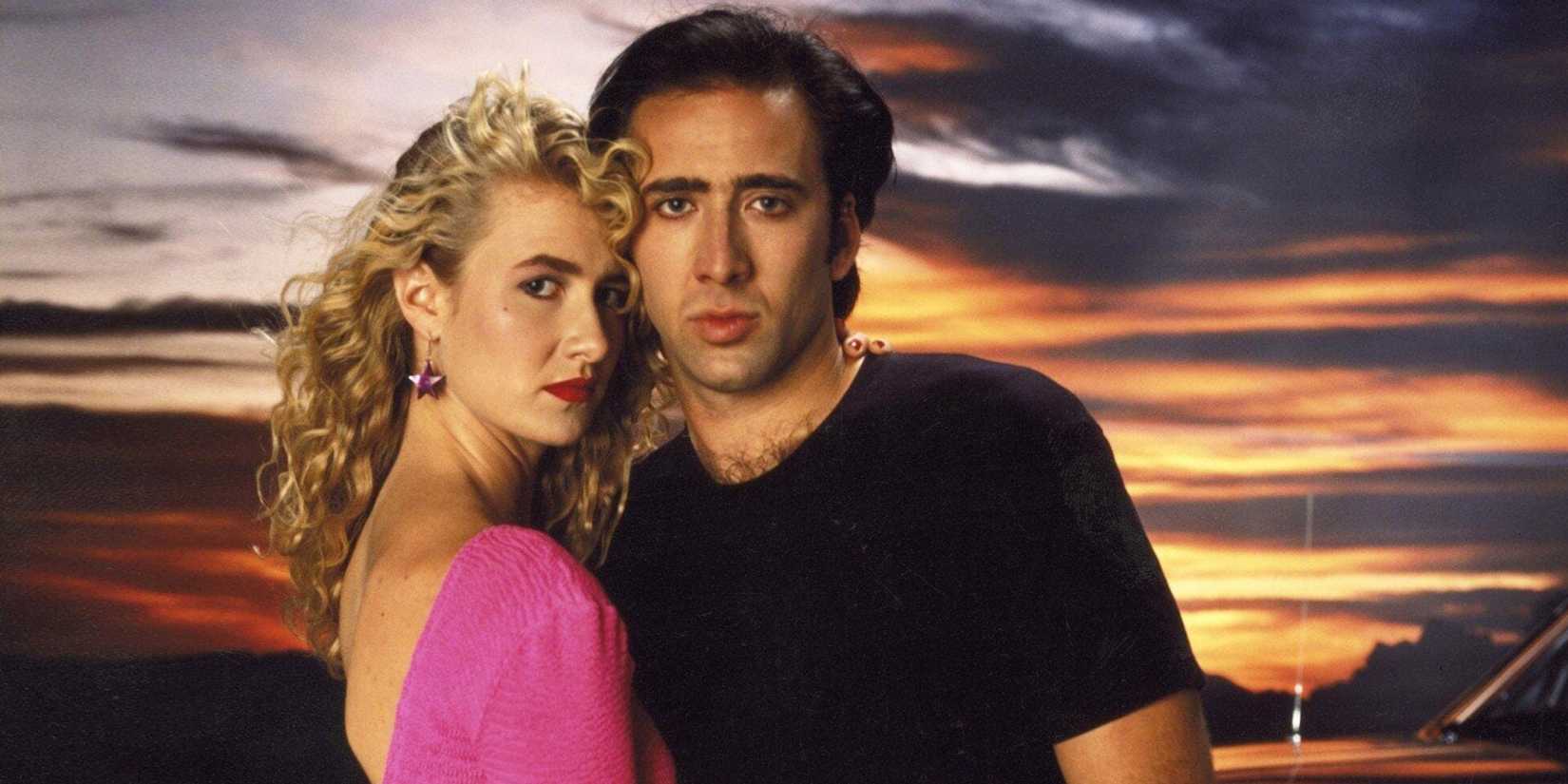 Image via The Samuel Goldwyn Company
Wild at Heart is the most disturbing of David Lynch’s films because it is the one that has the least presence of hope. While Twin Peaks: Fire Walk With Me has just as much graphic content, Wild at Heart lacks a redeeming character like Laura Palmer (Sheryl Lee); it’s a warped, surrealist slant on the “Bonnie and Clyde” story that also includes some of Lynch’s most direct allusions to The Wizard of Oz, a classic with its own dark history.
Wild at Heart lacks the humor of even something like Blue Velvet, which has its moments of satire, and it explores a subsection of Americana that Lynch sees as hopeless. It’s notable as being the last film that Lynch made before Twin Peaks, which was arguably the most commercially successful project that he ever worked on (despite being just as weird). —Liam Gaughan
14
‘Miracle Mile’ (1988)
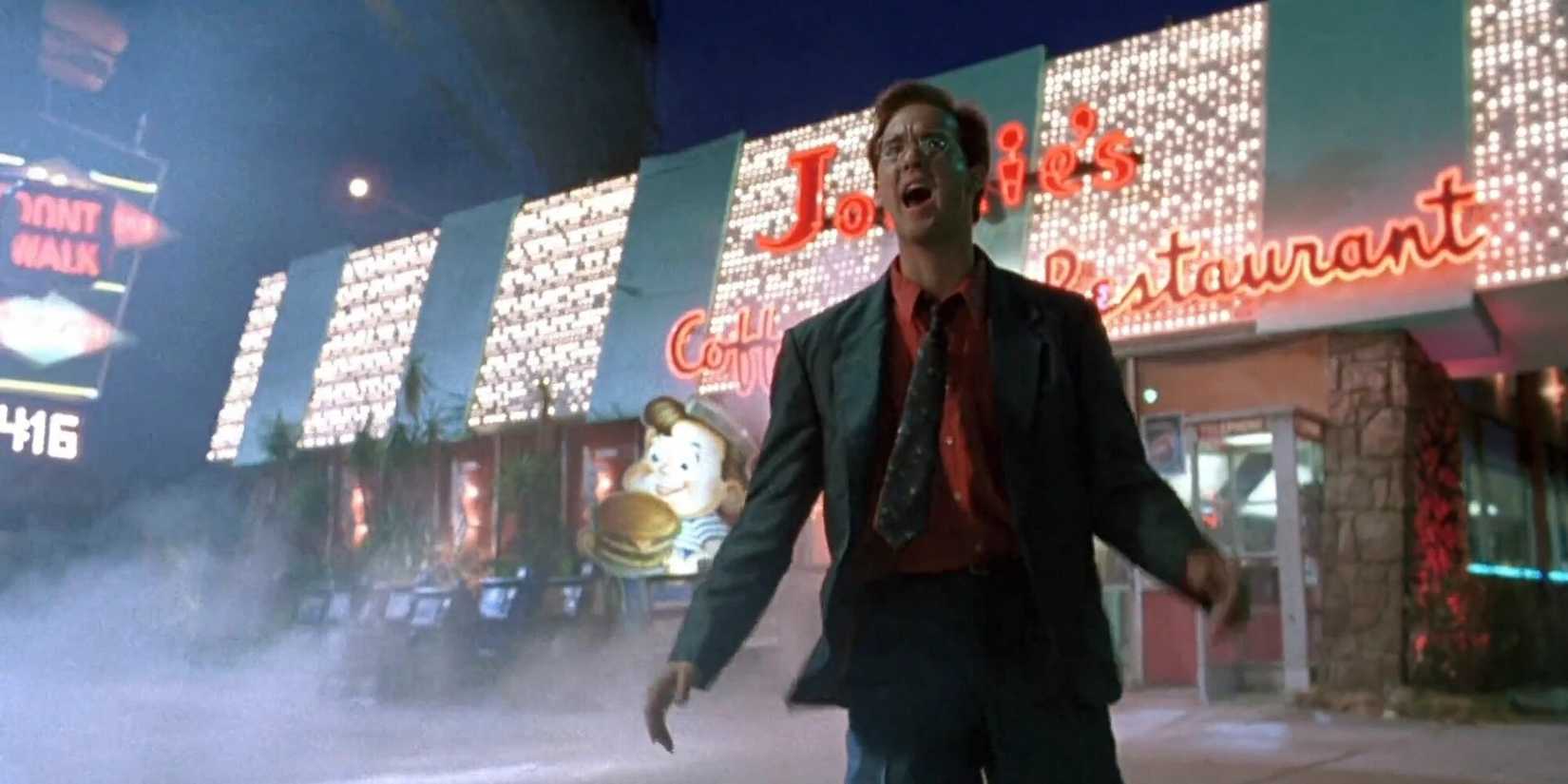 Image via Hemdale Film Corporation
Miracle Mile is a film that specifically resonates within the year it was released because it explored a fear of nuclear war that was peaking in the late ‘80s during the very end of President Ronald Reagan’s administration. Nuclear anxiety had been a factor in American culture ever since the end of World War II, but the reality felt even closer during the end of the Cold War; Miracle Mile was unique in how it explores the step-by-step process of what it would be like to be in the midst of a nuclear threat, and what sort of decisions someone would have to make in order to avoid the inevitable.
Miracle Mile is perhaps most disturbing because of the portrayal of fear and confusion, examining how humanity would fall upon its worst impulses during a time when there is no desire for empathy. —Liam Gaughan
13
‘Chinatown’ (1974)
Image via Paramount Pictures
Chinatown has one of the greatest screenplays ever written, and one that alludes to a real tragedy while also condensing the history of Los Angeles into a potent punch in the gut. Screenwriter Robert Towne poured extensive research into studying the corruption of the city’s water supply, and crafted one of the most unforgivable screen villains of all time in Noah Cross, played by acclaimed director John Huston in a subversive role.
Chinatown had a very difficult production that has been well-documented as being one of the most infamous of the “New Hollywood” era, but the result was a timeless classic that ends in the bleakest way imaginable. Although the line “forget it Jake, it’s Chinatown” has now become well-known by pretty much everyone, it has far more impact for those who have seen the film and who understand the context. —Liam Gaughan
12
‘Prisoners’ (2013)
Image via Warner Bros.
“Every day, she’s wondering why I’m not there to rescue her. Do you understand that? Me, not you. Not you, but me!” Prisoners marinates in despair. When two young girls vanish, their parents unravel. Hugh Jackman plays a father so desperate he turns to torture, convinced a quiet young man (Paul Dano) knows more than he says. Opposite him, Jake Gyllenhaal plays the detective trying to hold center as everything else breaks.
Through these three men, Dennis Villeneuve traps entire film in cold gray purgatory where hope curdles into obsession and good men do terrible things. There are no easy answers here every lead hits dead end every moral line blurs. The cinematography by Roger Deakins feels almost haunted like world itself is mourning. And final scene wordless cry from beneath ground lingers like wound. For all these reasons,Prisoners is endurance test for characters us.
 [nospin]Here you can find original article photos images used our article also come from this source. We are not their authors they have been used solely for informational purposes with proper attribution to their original source.[nospin]