Warning: file_put_contents(): Only -1 of 146 bytes written, possibly out of free disk space in /home/onedesig/domains/sjrbss.com/public_html/wp-content/plugins/wp-optimize/includes/class-updraft-file-logger.php on line 137
Warning: file_put_contents(): Only -1 of 185 bytes written, possibly out of free disk space in /home/onedesig/domains/sjrbss.com/public_html/wp-content/plugins/wp-optimize/includes/class-updraft-file-logger.php on line 137
Warning: file_put_contents(): Only -1 of 219 bytes written, possibly out of free disk space in /home/onedesig/domains/sjrbss.com/public_html/wp-content/plugins/wp-optimize/includes/class-updraft-file-logger.php on line 137
Warning: file_put_contents(): Only -1 of 225 bytes written, possibly out of free disk space in /home/onedesig/domains/sjrbss.com/public_html/wp-content/plugins/wp-optimize/includes/class-updraft-file-logger.php on line 137
Warning: file_put_contents(): Only -1 of 220 bytes written, possibly out of free disk space in /home/onedesig/domains/sjrbss.com/public_html/wp-content/plugins/wp-optimize/includes/class-updraft-file-logger.php on line 137
Warning: file_put_contents(): Only -1 of 255 bytes written, possibly out of free disk space in /home/onedesig/domains/sjrbss.com/public_html/wp-content/plugins/wp-optimize/includes/class-updraft-file-logger.php on line 137

What this holiday comic reveals
- Calvin’s Christmas captures the pressure children feel to behave perfectly during the holidays.
- Santa’s rules turn the familiar naughty-or-nice tradition into the source of Calvin’s frustration.
- Bill Watterson’s winter strips mix holiday comedy with imagination, satire and reflection.
- The comic’s message offers a wry alternative to idealized Christmas cheer.
This article explores how a Calvin and Hobbes Christmas strip turns holiday expectations into comedy, and why Bill Watterson’s winter-themed comics speak to readers who find the season stressful.
The holidays can feel heavenly or like hell on earth, depending on your point of view. If you love gathering with family for Thanksgiving and Christmas, or seeing decorations in stores and at home, the season may feel joyful. If you would rather count the days until the New Year’s ball drops, holiday movies may reflect that contrast: Miracle on 34th Street celebrates belief, while National Lampoon’s Christmas Vacation captures the strain of spending the holidays with family. A single Calvin and Hobbes strip distills that seasonal weariness.
The strip, which debuted in 1993, takes the form of a humorous poem that Calvin receives from Santa Claus. In the poem, Santa says he is changing the rules about who is “naughty” and who is “nice,” encouraging the spiky-haired boy to indulge his mischievous side. Then comes the twist: it was all part of a dream. Calvin laments, “I hate being good (or trying to fake it)/Six days until Christmas! I don’t think I’ll make it.” Although Calvin and Hobbes often visited holiday themes, this strip captures the unspoken pressure the season can place on children.
How does ‘Calvin and Hobbes’ capture Christmas stress?
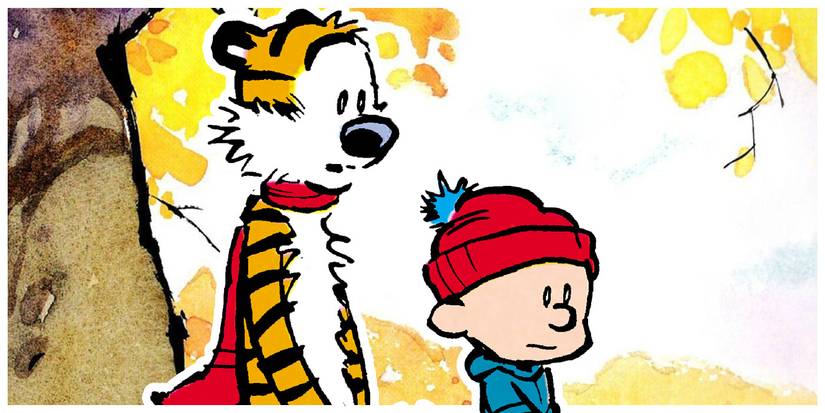 Image via Bill Watterson
The song “Santa Claus Is Coming to Town” presents Kris Kringle as an all-seeing figure who knows when children are naughty or nice. The familiar idea is meant to encourage good behavior, but it also highlights the pressure placed on children from an early age. People make mistakes or say things they do not mean; that does not automatically make them wicked. In an age of constant online surveillance, Santa’s observations can also seem less benevolent and more unsettling, whatever explanation a film offers.
The Calvin and Hobbes Santa strip resonates because of Calvin’s characterization. His boundless imagination fuels the comic’s flights of fancy, but it also gets him into trouble. A child who loves Christmas as much as Calvin does would find it hard to restrain himself, so the idea of Santa reversing the rules and rewarding “naughty” children would sound like a genuine Christmas miracle to him. Bill Watterson, the creator of Calvin and Hobbes, also makes particularly effective use of wintry settings for the titular pair.
Why do Bill Watterson’s winter-themed ‘Calvin and Hobbes’ strips stand out?
A decade of Calvin and Hobbes strips shows how often some of the strongest stories take place at Christmas or in winter. Bill Watterson’s approach sets the comics apart from conventional holiday sentiment: Calvin might wake his parents early on Christmas morning or join Hobbes in facing an army of grotesque mutant snowmen. The strip also brings its characteristic wit and reflection to seasonal subjects. In one scene, Calvin’s father criticizes a televised Christmas special for focusing on “cola, fast food, and beer.” Watterson expressed a related view in the documentary Dear Mr. Watterson, discussing why he chose not to merchandise Calvin and Hobbes.
“My strip is about private realities, the magic of imagination, and the specialness of a certain friendship. Who would believe in the innocence of a little kid and his stuffed tiger if their popularity was used to sell over priced knick kacks nobody needs?”
The holidays can create stress by pressuring people to spend time with family or behave in a particular way. Calvin and Hobbes questions that pressure rather than treating it as an essential part of the season, offering a wry alternative for readers who would rather say “bah, humbug!” than “happy holidays.”
What makes the Calvin and Hobbes Santa strip so relatable?
The strip makes holiday behavior rules funny by showing how Santa’s naughty-or-nice judgment feels to a child who struggles to behave. Its dream reveal turns a brief fantasy into a joke about the pressure to be good.
The strip uses Santa’s rules to dramatize the pressure children feel to behave during Christmas.
Why did Bill Watterson avoid Calvin and Hobbes merchandise?
Watterson’s explanation, quoted in Dear Mr. Watterson, connects the comic’s meaning to its characters’ private world and friendship. He questioned whether selling merchandise would preserve the innocence he saw in Calvin and Hobbes.
Watterson said commercialization could undermine the comic’s focus on imagination and friendship.
What information is available about National Lampoon’s Christmas Vacation?
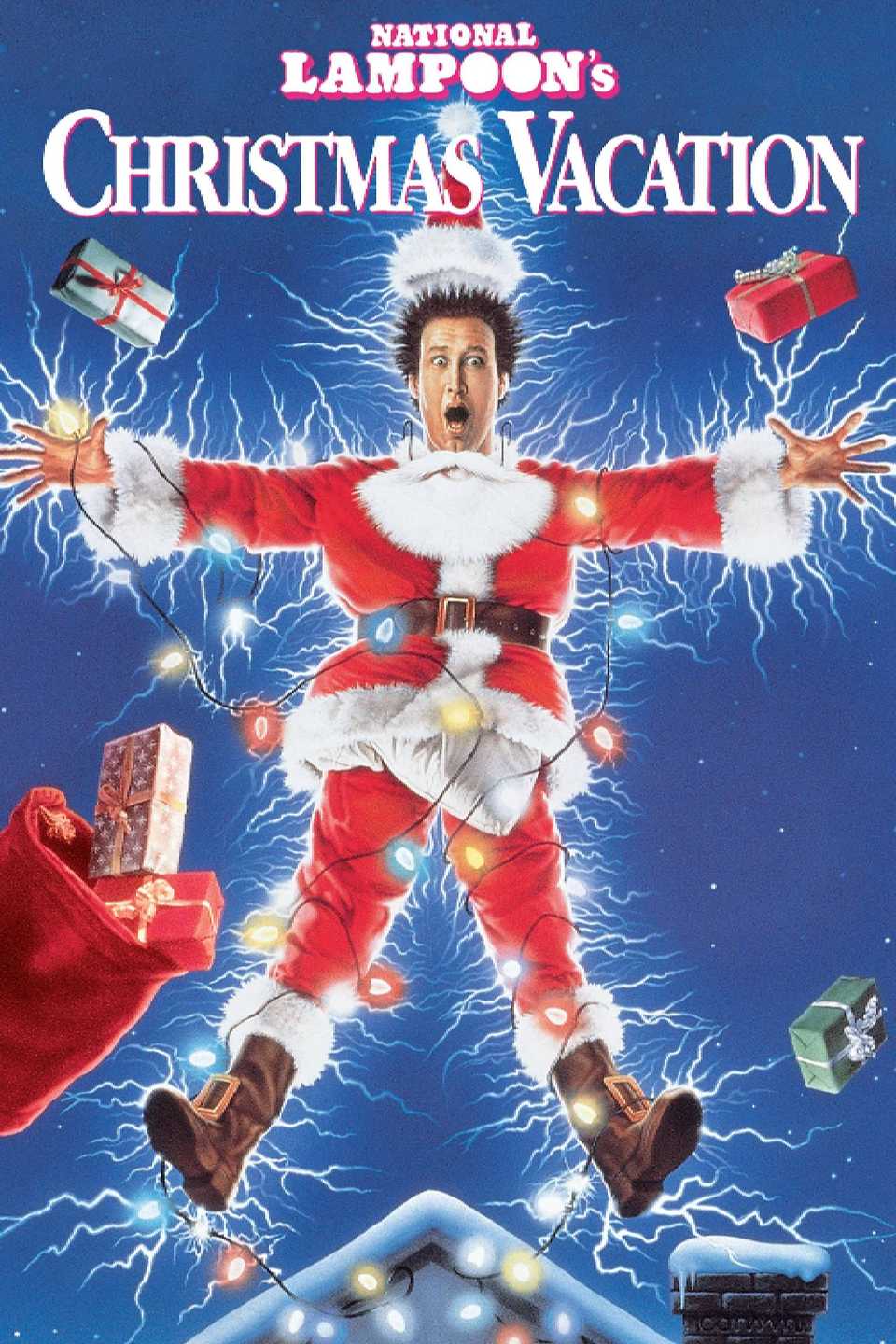
National Lampoon’s Christmas Vacation was released on November 30, 1989, runs for 97 minutes and was directed by Jeremiah S. Chechik. John Hughes wrote the film, and its producers were John Hughes and Tom Jacobson.
National Lampoon’s Christmas Vacation is a 97-minute film released on November 30, 1989.
- Release Date
-
November 30, 1989
- Runtime
-
97 minutes
- Director
-
Jeremiah S. Chechik
- Writers
-
John Hughes
- Producers
-
John Hughes, Tom Jacobson
-

Chevy Chase
Clark Griswold
-

Beverly D’Angelo
Ellen Griswold