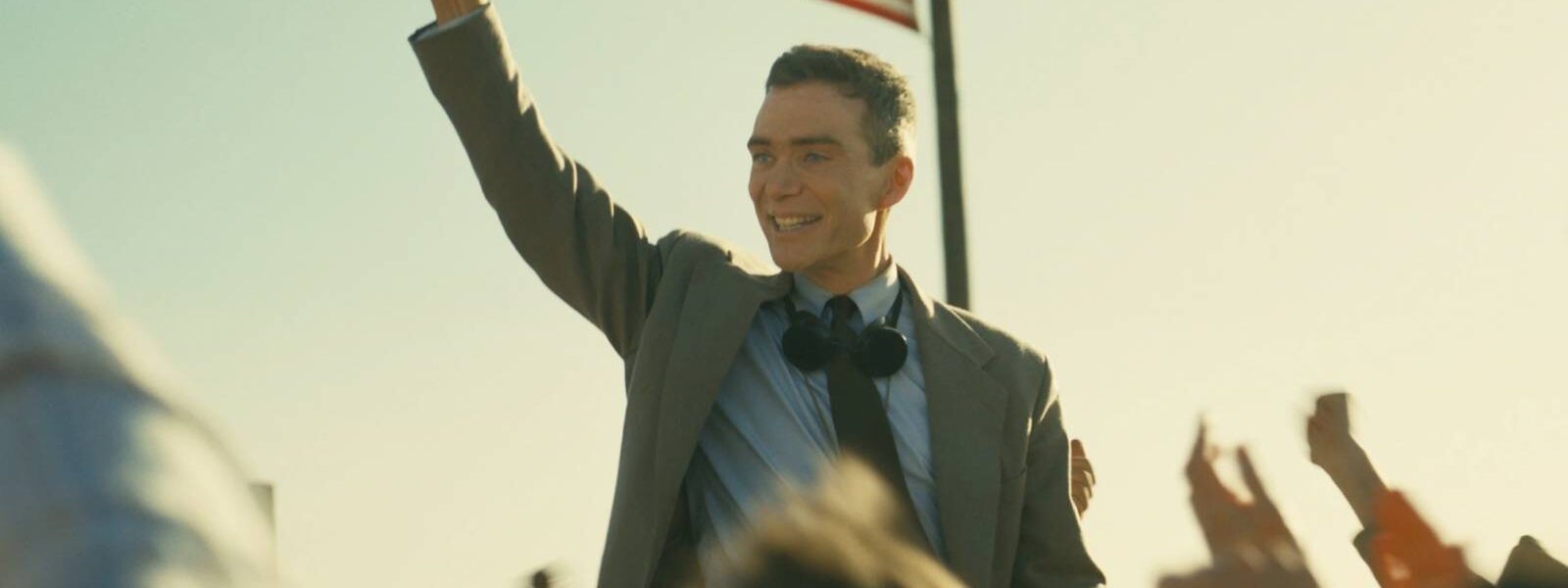
Christopher Nolan is the single most significant filmmaker of the 21st century, and it is not even remotely close. There isn’t another director who has his level of consistency at both the box office and with critics, as all twelve of Nolan’s films thus far have been critically acclaimed and performed well against the expectations set out for them. Nolan exists in an exciting space where he is both incredibly popular among commercially viable mainstream audiences and respected by both pundits and members of the industry, as his work has been heavily celebrated by his director peers. Although many would compare where Nolan is now to where Steven Spielberg was in the ‘80s, Nolan has yet to release a film like 1941 or Always that put a dent in his track record. A more apt comparison might be to David Lean or Stanley Kubrick, but even then, Nolan is still relatively young and will be making films for the foreseeable future.
Nolan entered a new stage in his career in the 2020s that started off with minor controversy because he left Warner Bros. due to the studio’s policy of sending all of their 2021 films to the streaming service HBO Max without informing the filmmakers ahead of time. At this point, Nolan had proven that his name alone was more powerful than any movie star; not only had he moved on from franchise properties after the success of The Dark Knight trilogy, but he had earned the favor of the Academy Awards by finally earning a Best Director nomination for Dunkirk, despite the fact that Inception was also a Best Picture nominee. Any doubts about Nolan’s track record have been silenced, given that he has made three of the most significant films of the decade thus far.
3
‘Tenet’ (2020)
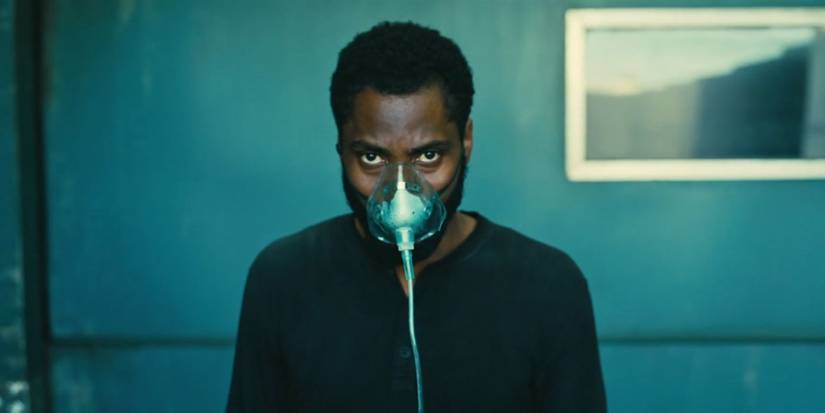 Image via Warner Bros.
Tenet is perhaps the most impressive of Nolan’s films in terms of pure action, as everything he had been working through in his career led him to the point that he could make an inventive, mind-blowing thriller that combined the best of Michael Mann, James Bond, and The Matrix into a totally original package. Tenet is a film that asks its audience to “feel” it without having to understand every nuance of what is happening, and it’s a piece of advice that makes it far more entertaining on subsequent viewings. Nolan creates cyclical stories about characters who are trapped within loops, and viewing Tenet through that prism makes it far more satisfying as a window into a completely original new universe. As is often with Nolan’s films, there are details that are sprinkled out that make the emotional climax more successful, even if on a first viewing it might have struck some viewers as being bluntly obvious. There’s also a modern slant to the film’s world-ending crisis, as the notion of an all-powerful tycoon assembling their own private army and scientific experiments has grown even more timely in the years since Tenet was first released.
Tenet is thematically connected to the idea of resisting fate that Nolan has been obsessed with ever since Memento, and it’s a more nuanced character study than some critics gave it credit for when it had scattershot screenings in 2020 during the peak of the pandemic. Naming John David Washington’s character “the Protagonist” was a compelling idea because it examines the way that people define themselves by the role that they think they have when grappling with significant stakes; it’s something that feels personal to Nolan, given that Tenet was his effort to save the theatrical business during a time in which it looked like it might be shut down forever. Tenet is also a strong rebuke to those who have mistakenly claimed that Nolan’s films are humorless, as it features a good deal of fun banter, comedic acknowledgments of the concept’s inherent silliness, and fun side performances from Robert Pattinson and Himesh Patel. Just because Nolan’s films aren’t throwing out Deadpool-style quips doesn’t mean that they’re deathly serious, as the dry humor is a reflection of his deeply British sensibilities.
2
‘The Odyssey’ (2026)
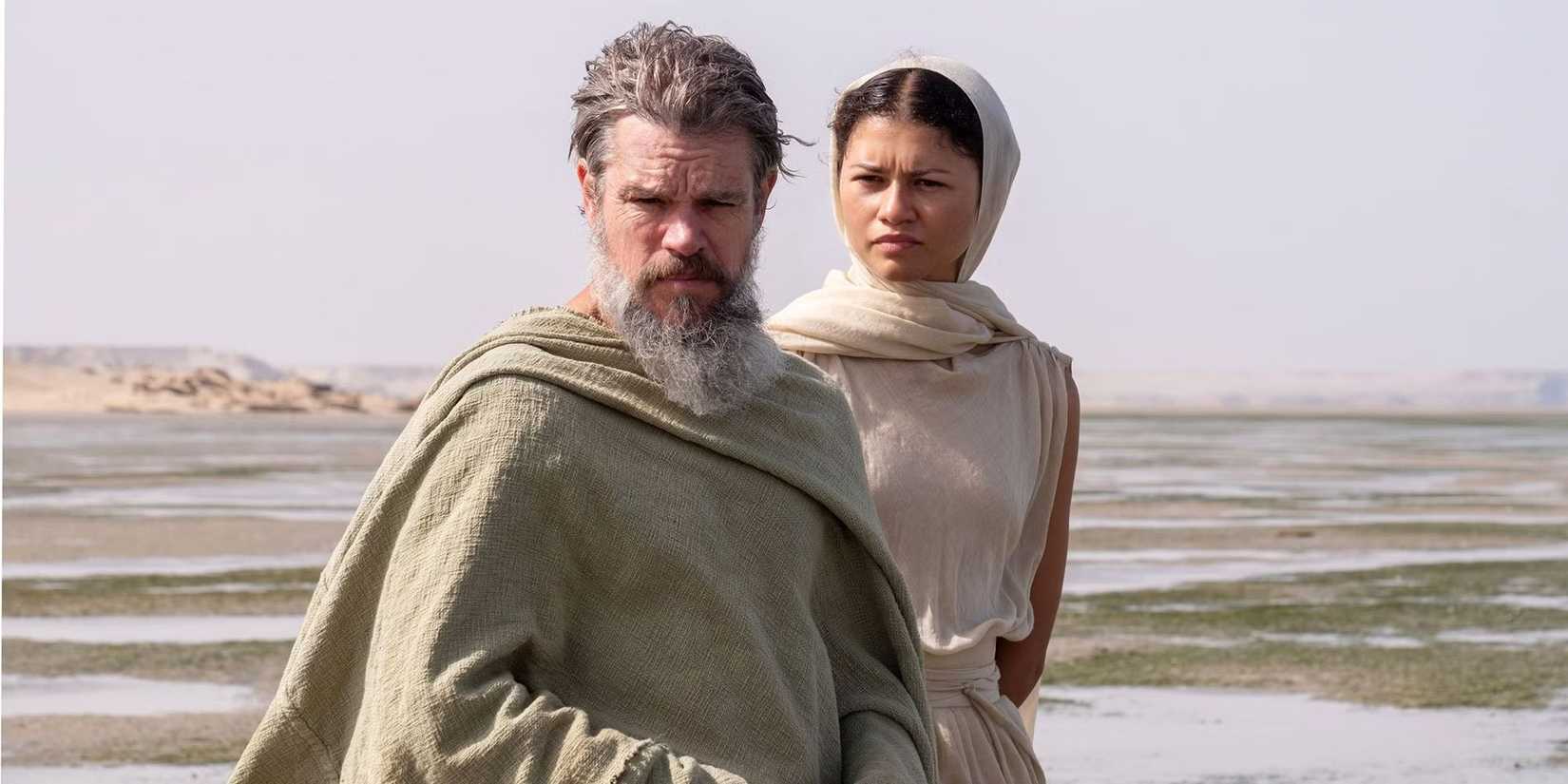 Image via Universal Pictures
The Odyssey is one of the most ambiguous films ever made because it’s a story that has served as an inspiration for nearly every modern epic and hero’s journey, yet has never been adapted fully with the appropriate scale and scope. There isn’t another living filmmaker that could have pulled off what Nolan did whilst committing to as much practical effects as possible and condensing Homer‘s source material in a way in which the non-linear narratives sync up so well. While simply pulling off a classical epic with such inherently compelling drama would be an achievement in its own right, Nolan used The Odyssey to express a thoughtful message about man’s inhumanity and how the breaking of civil laws leads to the collapse of society. Reframing the Trojan War as an incident that plunged the world into the Dark Ages was a brilliant way to contextualize a classical moment of heroism, and it makes The Odyssey just as successful as a historical study as it is a fantasy adventure.
The Odyssey is clever in how it utilizes the Gods and their role within the story of Odysseus (Matt Damon), as Nolan is clear to not show any magic or supernatural presences existing in his home of Ithaca with his wife Penelope (Anne Hathaway) and son Telemachus (Tom Holland); there is a case to be made that everything relating to Greek mythology in the film is part of an interpretation that has passed down through stories for millennia, especially with the clue that Athena (Zendaya) takes the form of a child who was slain during the Battle of Troy. Although the overwhelming emotional triumph within a story of a flawed man attempting to salvage what is left of his soul as he returns home is yet another example of Nolan nailing paternal themes, The Odyssey is also a jaw-dropping work of spectacle that deserves to be seen on the best of what IMAX projection can be. Rarely has the final set piece of a Nolan film been so satisfying, especially since Pattinson’s performance as Antonious is among the most loathsome villains within recent cinematic history. That The Odyssey is sitting just outside of the top ten highest-grossing films of all time and is likely to win Best Picture (as La Bola Negra) signifies universal success that even Nolan may find difficult to surpass.
1
‘Oppenheimer’ (2023)
 Image via Universal Pictures.
Oppenheimer =
=
=
=
=
=
=
=
=
=
=
=
=
=
=
=
=
=
=
=
=
Oppenheimer <><><><><><><><><><><><><><><><><></p>
Oppenheimer (2019)&(2019)&(2019)&(2019)&(2019)&(2019)&(2019)&(2019)&(2019)&(2019)
Oppenheimer (2019)
Oppenheimer (2019)
Oppenheimer (2019)
Oppenheimer (2019)
Oppenheimer (2019)
Oppenheimer (2019)
Oppenheimer (2019)
Oppenheimer (2019)
Oppenheimer (2019)
Oppenheimer (2019)
Oppenheimer (2019)
Oppenheimer (2019)
Oppenheimer (2019)
Oppenheimer (2019)
Oppenheimer (2019)
Oppenheimer (2019)
Oppenheimer (2019)
Oppenheimer (2019)

[nospin]Here you can find original article photos/images used solely for informational purposes with proper attribution.[nospin]
[INPUT_HTML_END]