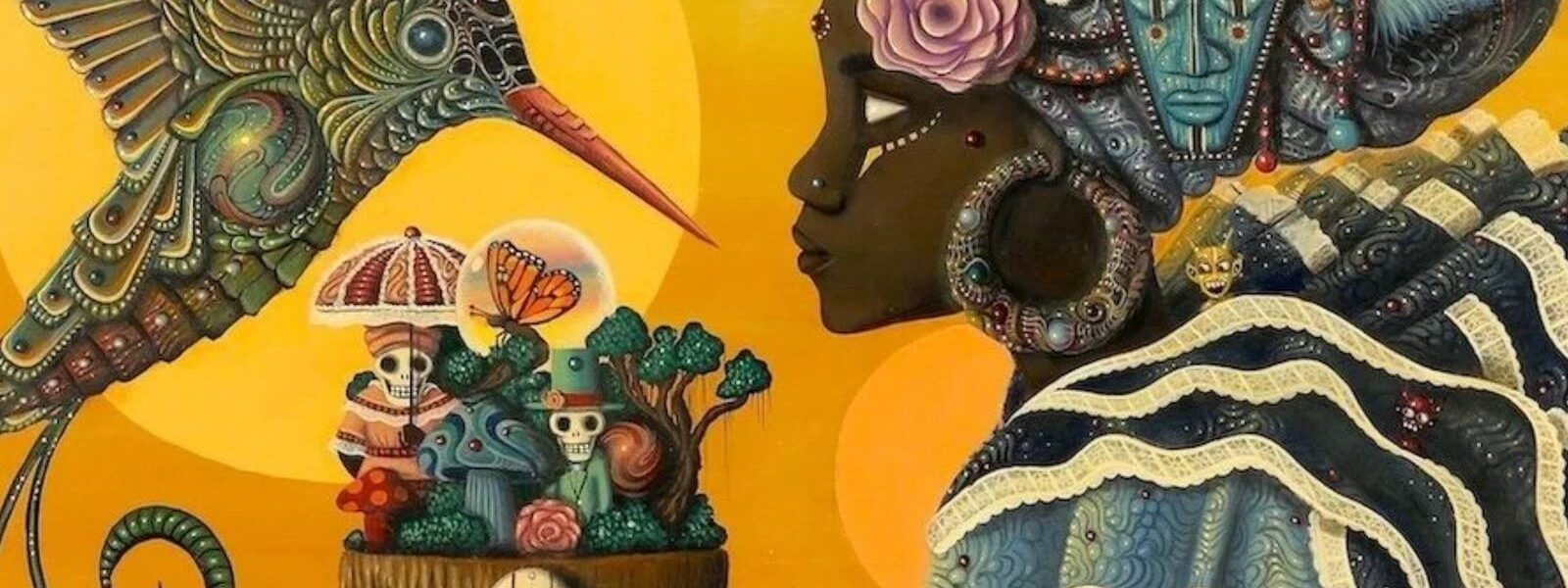
Long before science fiction became the mainstream genre we know today, women writers imagined worlds that challenged their own. They didn’t craft stories around adventure and exploration for the sake of escapism, but to confront the dynamics of power, ethics, and identity, tackling the big questions about societal norms and control, unchecked ambition and progress, and the meaning of normalcy and humanity. The futures they built were fictional, but the issues they exposed were, and in many cases still are, very real.
From Frankenstein to The Handmaid’s Tale, female authors who refused to blindly accept present reality as immutable fact shaped modern sci-fi, inventing wildly imaginative worlds that ask, “What if?” From time travel to space diplomacy to speculative dystopian futures, each of these classic novels has a story that makes it a masterpiece in its own right. But decades and even centuries later, the underlying issues they tackle have never felt more pressing and timely, which puts them in a singular category of must-read all of their own.
1
‘A Wrinkle in Time’
By Madeleine L’Engle
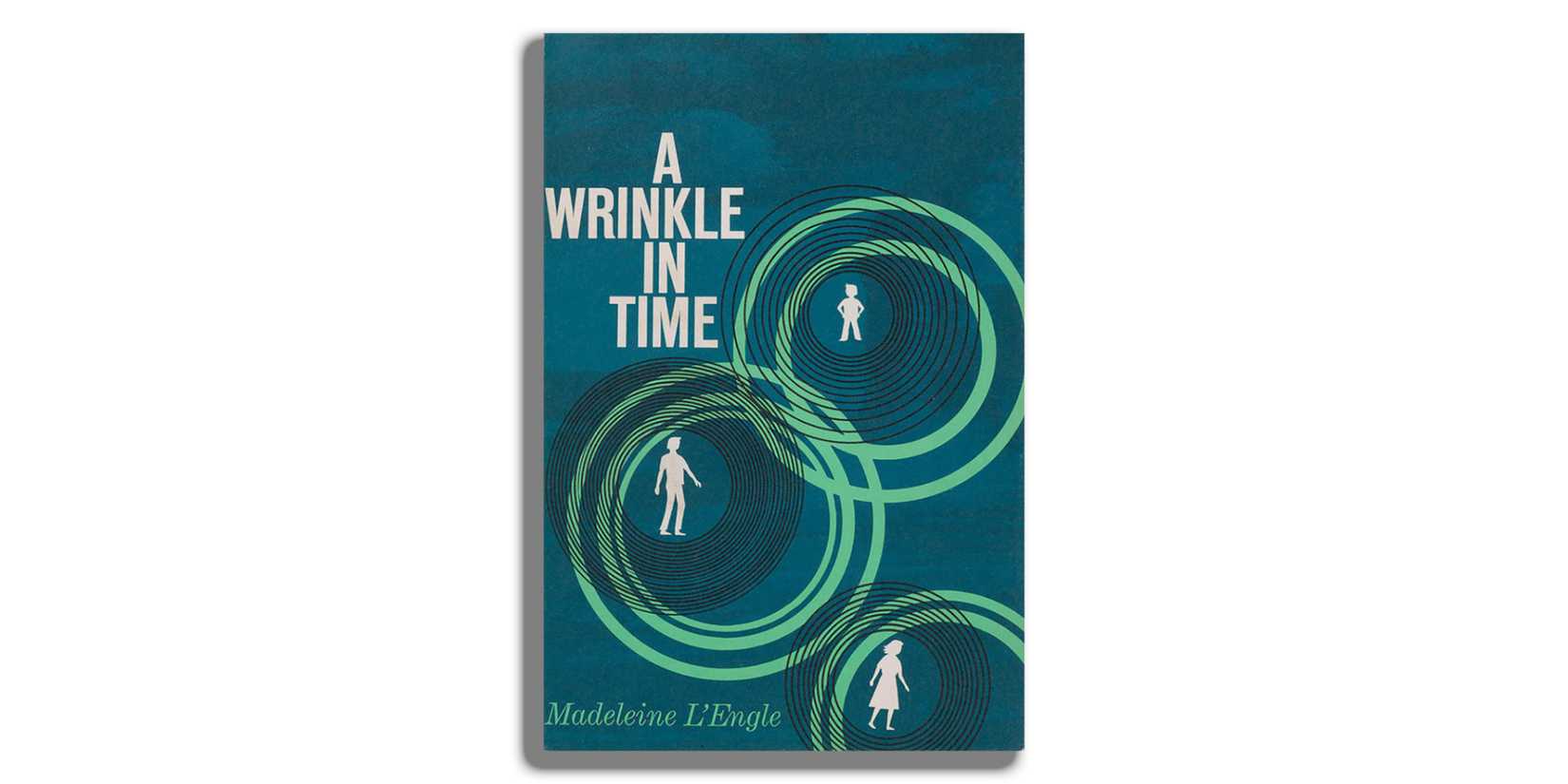 Image via Ariel Books
A Wrinkle in Time follows 13-year-old Meg Murry as she embarks on an extraordinary journey through space and time to rescue her missing father from a dark force in a distant world. Guided by three supernatural beings and accompanied by her younger brother and their friend, she travels to the planet Camazotz, where a powerful entity called IT forces everyone to think and act the same. But once her brother is captured by the entity while attempting to outsmart its hive mind, Meg must channel her deep love, raw emotions, and quirky idiosyncrasies to defeat IT and reunite her family, using what it can’t understand or control to fight back.
Madeleine L’Engle published A Wrinkle in Time in 1962, openly framing it as a cautionary tale about the dangers of totalitarianism and social conformity; the citizens of Camazotz are forced into submission under threat of brutal punishment, but IT frames it as an opportunity for true happiness only achievable by the complete surrender of free will to a collective hive mind. More than 60 years later, it’s a prophetic metaphor for algorithmic conformity, an incredible reminder of the importance of real connections and agency in the digital echo chamber that rewards uniform behavior and flattens the imperfections that make us who we are.
2
‘Frankenstein’
By Mary Shelley
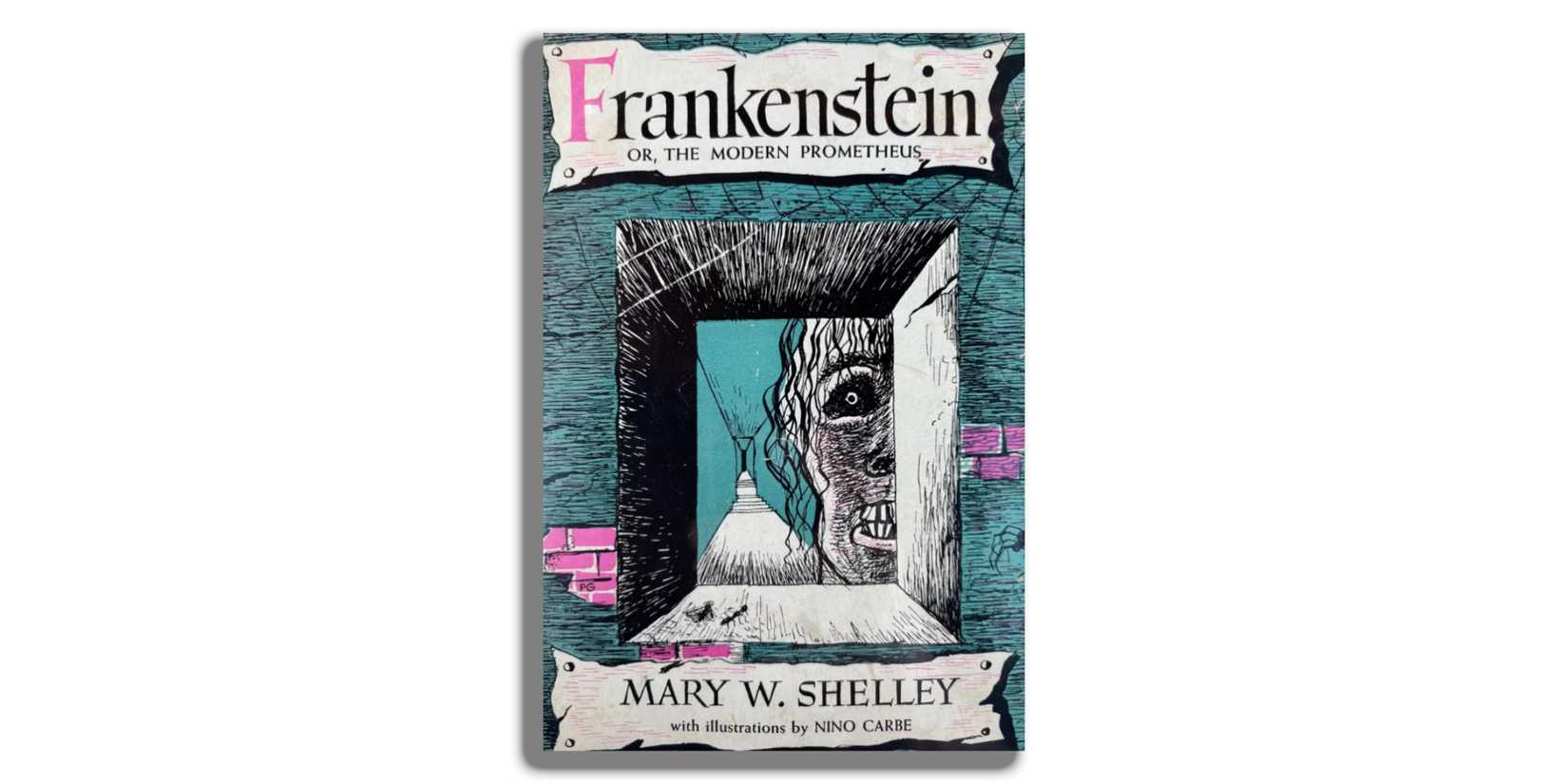 Image via Halcyon House
Frankenstein; or, The Modern Prometheus centers on a young scientist, Victor Frankenstein, who becomes so wholly obsessed with the secret of life that he begins robbing graves to assemble a humanoid figure out of body parts stolen from corpses. But once the experiment proves successful, Victor is horrified and flees, leaving his creation to fend for himself in a hostile world where he’s treated as a monster. After being rejected by humanity, the creation seeks revenge against his creator and kills the people he loves most, leading Victor to seek his own vengeance in a quest that proves fatal.
Mary Shelley published what’s widely considered the first science fiction novel in 1818, with Frankenstein‘s prescient warnings about technological overreach and the moral obligation of rapid innovation serving as a backdrop against more than two centuries of progress. The Modern Prometheus is a nod to the Greek Titan who, much like Victor, enlightened humanity without accepting responsibility for the long-term consequences of his hubris. It provides a chilling allegory for AI advancement without oversight; the tech itself doesn’t pose a danger, but creating it in a void with no ethical accountability is a recipe for disaster.
3
‘Parable of the Sower’
By Octavia E. Butler
Parable of the Sower centers on Lauren Oya Olamina, a teenager with hyperempathy – she feels the pain and pleasure of those around her as if it were her own – who recounts the dystopian collapse of the world in a series of dated journal entries. Lauren refuses to ignore the feelings she inherits from the escalating crises around her, instead channeling them into a belief system to help humanity change and survive. But once the walls of her gated community are breached and her family killed, she finds herself on a journey north that sees those beliefs evolve into a movement and then a community, providing a glimmer of sustainable hope in an otherwise rock-bottom world.
Octavia E. Butler published Parable of the Sower in 1993, but one of the greatest sci-fi novels ever written also turned out to be one of the most prescient. Set in 2024, it dead-on anticipated the real-world climate change, extremism, and economic strife of the 2020s, and its plausible realism makes it feel eerily close to what actually transpired. The enduring message it carries has never felt more urgent: instead of fighting or waiting to be saved, accept change and choose to shape the future by taking an active role in your own life. Chase hope amid the darkness and avoid wallowing in nihilism as the communities you create are your best chance at survival.
4
‘The Left Hand of Darkness’
By Ursula K. Le Guin
Image via Walker & Company
The Left Hand of Darknesscenters on Genly Ai, a human envoy sent to Gethen to persuade its nations to join an interstellar alliance. The people are ambisexual and operate under an untranslatable code of etiquette which proves challenging for Genly, as he can’t comprehend genderless society cues.. After mistaking his ally Estraven’s political exile for betrayal before a disastrous meeting with their king Genly sets off on a mission to rescue him forming an unlikely bond that transcends their differences.
Ursula K. Le Guin, publishedThe Left Hand of Darkness, in 1969 marking her rise as masterful genre author responding to gender zeitgeist aiming at establishing humanity without gender exploring collaboration against xenophobia messaging today serves asa call for understanding ourselves through cultural divides.
5
‘The Handmaid’s Tale’
By Margaret Atwood
Image via Houghton Mifflin
The Handmaid’s Tale, presents Offred’s story, forced into reproductive servitude during fertility crisis under totalitarian regime overthrowing U.S government.. Stripped identity family fundamental human rights Offred survives through mental resistance holding tight memories before current existence instead engaging small acts defiance seeking human connection intellectual pursuits reclaiming identity best she can.
Margaret Atwood, wroteThe Handmaid’s Tale, five years before Berlin Wall fall resonating deeply with political social anxieties time treatise on<strong fragility freedom weaponized religion terror panoptic state even Atwood didn't anticipate how prescient novel would prove each decade drawing parallels between story current state society remains one most important books last century truly ahead its time.