Shopping for clothes as a curvy woman often feels like running a marathon in high heels. Retailers promise inclusivity every spring and fall, yet the actual racks tell a completely different story. You walk into a store full of hope, only to find the same frustrating issues staring right back at you.
It is baffling how major brands continue to miss the mark year after year despite endless feedback from frustrated buyers. Brands seem to think adding more fabric to a straight size magically creates a perfect curvy fit. Let us look into the recurring mistakes designers keep making when dressing fuller figures.
Key Insights
- Body Shapes: Brands often assume all curvy bodies are shaped like an hourglass, ignoring diverse body types.
- Color Choices: Designers frequently limit color palettes to black and dark tones, neglecting vibrant options for curvy women.
- Market Treatment: Plus sizes are treated as a niche market, despite the majority of women wearing size 14 or above.
- Fabric Quality: Many brands use flimsy fabrics that do not provide the necessary support for curvier figures.
Assuming Every Body Is Shaped Like An Hourglass
Brands consistently design for a singular curvy body type that features a small waist and wide hips. They completely ignore apple shapes, inverted triangles, and bodies that carry weight in the stomach. This narrow focus leaves millions of women with gaping waistbands or incredibly tight bodices.
A perfect pair of jeans for one person will absolutely not fit another person of the same size. Clothes need different cuts to accommodate diverse proportions instead of relying on a single template. True inclusivity means recognizing that beautiful bodies come in many distinct forms.
Thinking Black Is The Only Acceptable Color
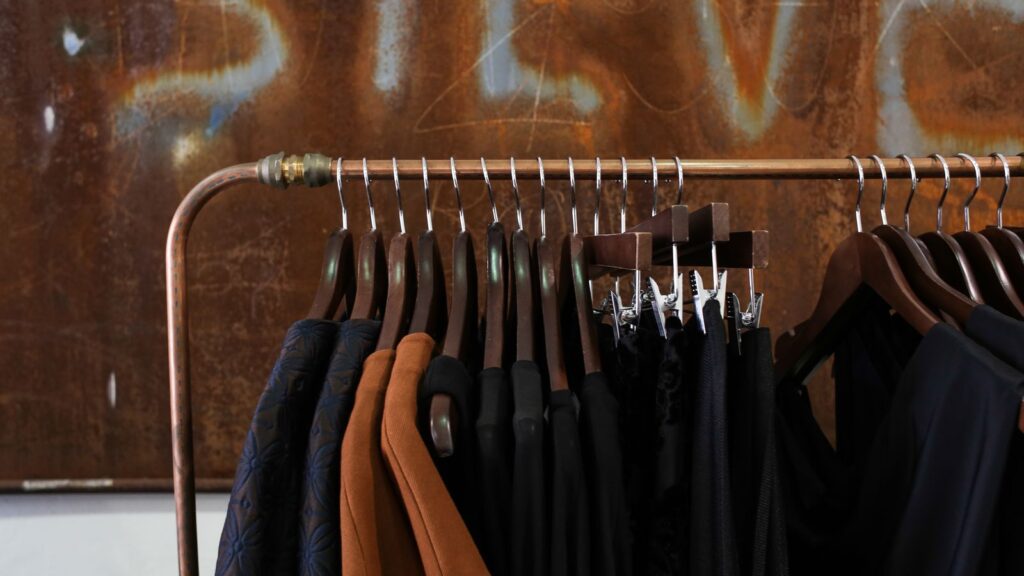
For some reason, designers believe curvy women want to hide in dark, muted tones every single day. Racks are heavily dominated by black, navy, and charcoal, while the straight sizes get vibrant seasonal palettes. We love a classic little black dress, but we also want bright yellows and stunning pinks.
Color is a joyful way to express personality and celebrate the changing seasons. Denying larger sizes access to bold hues is an outdated practice that needs to stop immediately. We deserve to shine bright in the sun just like everybody else.
Treating Plus Sizes As A Niche Market
Many retailers still act like designing for bigger bodies is a risky or unprofitable side project. They hide the extended sizes in a tiny, depressing corner at the back of the store. Market Growth Reports found that over 68 percent of American women wear a size 14 or above.
This demographic represents the vast majority of shoppers rather than an obscure minority group. Brands are literally leaving money on the table by refusing to cater adequately to the average consumer. It is time to center these shoppers instead of treating them as an afterthought.
Using Flimsy Fabrics That Cling In Uncomfortable Ways
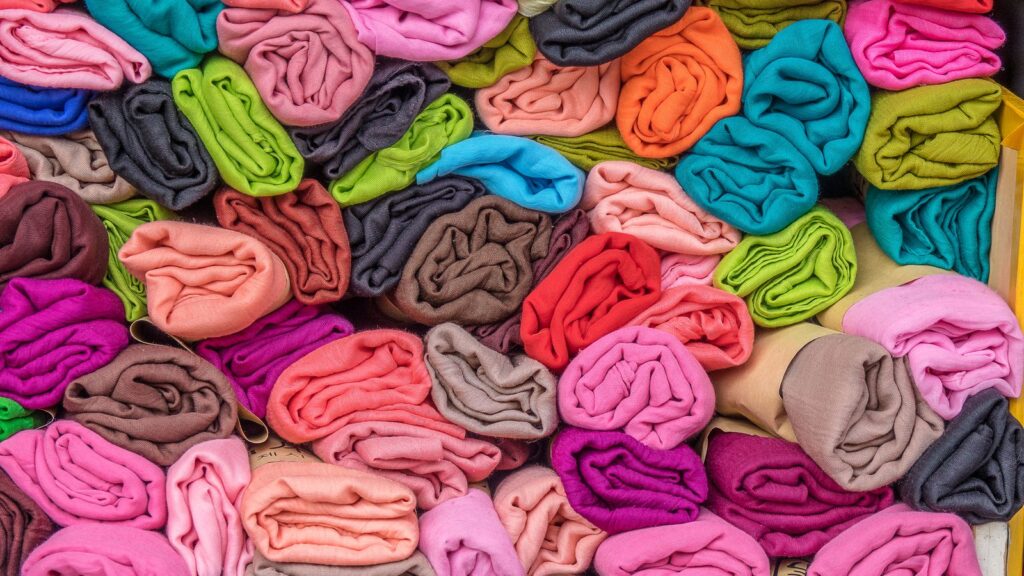
Cheap polyester and ultra-thin cotton are the enemies of a comfortable and flattering fit. Designers often use these low-quality materials to cut costs on garments requiring more yardage. The result is clothing that rides up, rolls down, and clings exactly where you do not want it to cling.
Curvy figures need structure, support, and fabrics that actually breathe during hot summer afternoons. High-quality materials like heavy knits and linen blends drape beautifully on larger bodies. Spending a little extra on good textiles makes a massive difference in how the garment looks and feels.
Putting Cold Shoulder Cutouts On Everything
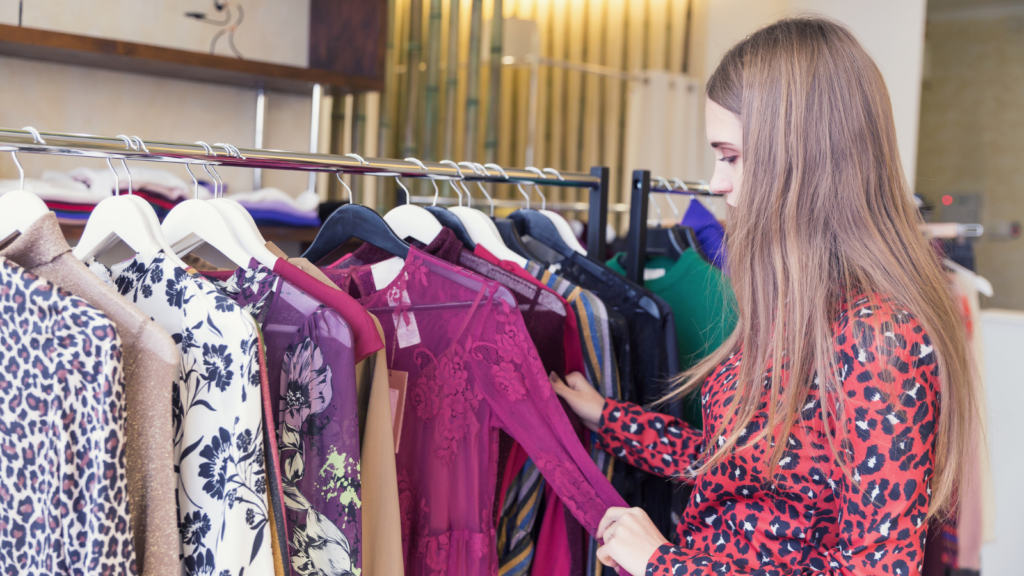
The obsession with exposing our shoulders has gone on for entirely too many years. Every time a new spring line drops, half the tops feature these random and unnecessary holes. It feels like designers do not know what to do with sleeves so they just chop pieces out.
We just want normal stylish shirts that can be worn to a standard office job. Constantly cutting out the shoulders ruins the structure of the blouse and creates awkward tan lines. Please give us full sleeves, short sleeves or no sleeves without the bizarre missing patches.
Scaling Up Straight Sizes Without Changing Proportions
Taking a size zero pattern and simply making it bigger does not create a functional size eighteen . The armholes get ridiculously massive , while the chest area remains awkwardly tight . WWD reported that inclusive sizing options make up just nineteen percent of all women’s apparel assortments .
This lazy grading process leads to necklines that plunge entirely too far down the torso . Designers must invest in fit models of various sizes to understand how the garment actually rests on a body . True design requires drafting new patterns specifically for fuller figures .
Refusing To Offer Petite And Tall Options