
Key Takeaways
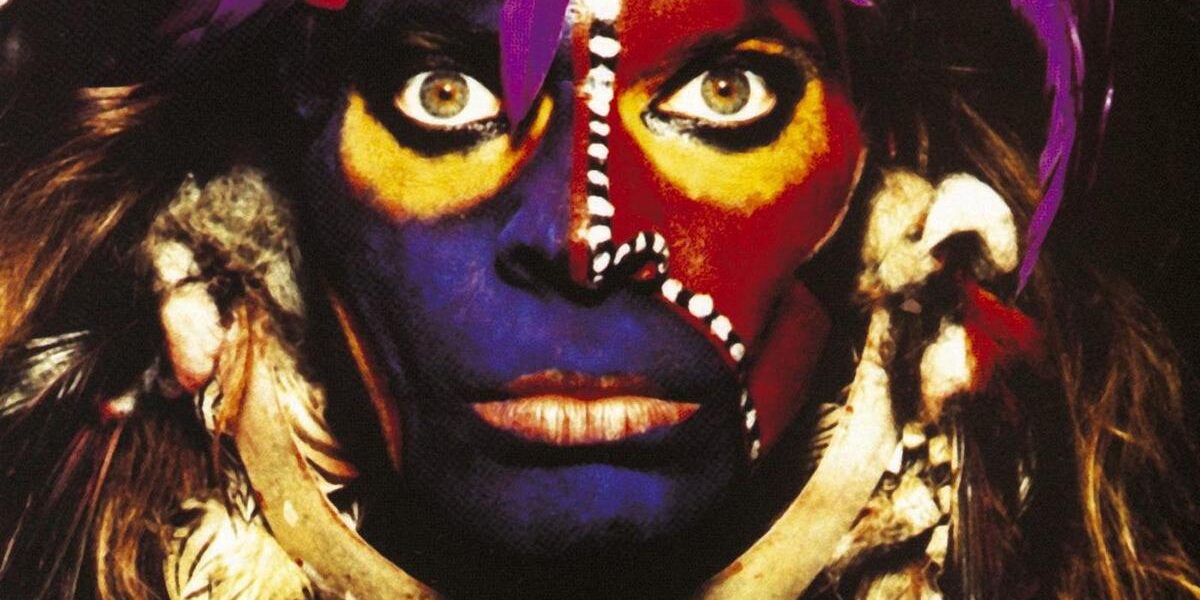
- Album Release: David Lee Roth’s first solo album, Eat ‘Em and Smile, was released on July 7, 1986.
- Band Formation: Roth formed an all-star band featuring Steve Vai, Billy Sheehan, and Gregg Bissonette after leaving Van Halen.
- Musical Direction: The album showcases a return to rock ‘n’ roll, diverging from the pop sound of his previous work.
- Legacy: Despite mixed success in subsequent years, Eat ‘Em and Smile solidified Roth’s place in rock history.
David Lee Roth released his first solo album, Eat ‘Em and Smile, on July 7, 1986. For a brief moment, the album made it seem possible that Roth would capture the “King of Hard Rock” title all for himself after nearly a decade of sharing the crown with his former bandmates in Van Halen.
After Roth acrimoniously split from Van Halen following the world tour for their massive hit album 1984, some people assumed that guitar pioneer Eddie Van Halen, his drummer-extraordinaire brother Alex, and bassist Michael Anthony would leave the singer in the dust creatively, particularly after hiring the platinum-selling solo star Sammy Hagar to take his place. The massive success of the new Van Halen’s 5150 album, released four months earlier, had to give even the unnaturally cocky Roth a moment of pause.
Or so you’d think.
The fact is, “Diamond” Dave had already assembled his own all-star rock band, featuring not just former Frank Zappa guitar whiz Steve Vai but an equally dexterous and dynamic bass player, Billy Sheehan, as well as drum prodigy Gregg Bissonette.
Clearly, Roth had decided not to deliver another pop-history nostalgia trip along the lines of his 1985 Crazy From the Heat EP, which produced a pair of massive radio and MTV video hits with “California Girls” and “Just a Gigolo,” in addition to most likely accelerating his exit from Van Halen.
Instead of going the lounge-music route or following the path laid out by the massive keyboard-heavy hits from 1984, as his former mates did with Journey-style hits like “Dreams” and “Why Can’t This Be Love,” Roth stuck to swaggering, four-piece rock ‘n’ roll throughout Eat ‘Em and Smile.
The first single and lead track “Yankee Rose” finds Vai employing a trick even Eddie had never recorded before, literally talking with Roth via guitar as our hero dismisses the months of media gossip regarding the VH split (“Guess who’s back in circulation / Well, I don’t know what you may have heard … “) in the opening line.
Read More: ‘5150’ vs. ‘Eat ‘Em and Smile’: The UCR Roundtable
Another glove is thrown in the direction of his former bandmates moments later when Sheehan’s thunderous bass is introduced as a truly equal partner to Vai’s guitar during the song’s instrumental climax.
The dizzying dual-fretboard gymnastics of “Shyboy,” a hard-charging cover of a song from Sheehan’s former band Talas, solidify the band’s rock bona fides before they take a quick dip into retro-Heat territory with “I’m Easy.” Gratefully, this group can’t help but approach the material with a more aggressive bite than the all-star session players featured on Roth’s previous solo effort.
Listen to David Lee Roth's 'Yankee Rose'
Side one closes out with perhaps the most sophisticated, tasteful song Roth has ever recorded, the jazzy, smoldering and humorous late-night travel journal “Ladies Night in Buffalo?,” and then arguably the album’s weakest track, second single “Goin’ Crazy,” dominated by Hagar’s former keyboard player Jesse Harms.
The first four of the five tracks on side two are so well linked, sequenced and spaced that they could nearly be considered Roth’s own Abbey Road medley. First up is a turbo-charged take on the soulful rock standard ‘Tobacco Road,’ featuring a particularly strong and impassioned lead vocal performance for a guy who’s at least partially famous for forgetting the words to his biggest hits in concert.
The already-upbeat pace doubles with the quick-witted “Elephant Gun,” then it’s onto the magnificent “Big Trouble,” which revs and slightly dirties up the jazzy strut of “Buffalo” while at the same time setting Roth free on a stream-of-consciousness lyrical journey that hasn’t been seen since AC/DC’s “What’s Next to the Moon”:
“And off they drove / Late night still life / Paper moon shining brilliantly / And Cherry thinks that’s cool / Cause any moon or mouse says he’s a friend of hers / And this one will do just fine / So what do you say we go looking?”
The suite winds up with the strutting “Bump and Grind,” and just like that, it’s time for the closer—a winking yet somehow earnest take on Frank Sinatra’s standard “That’s Life.” Surprisingly, even the Broadway-ist of horn sections can’t dilute the track’s mischievous rock energy.
(You can also hear the entire Eat ‘Em and Smile album in Spanish as Roth tried to make inroads into the Mexican rock audience with Sonrisa Salvaje.)
Then it’s over—barely 30 minutes all told. Still, it was more than enough to show that Roth could indeed go toe-to-toe with his former partners. Time has revealed that the secret weapon wasn’t his three-headed monster of a band but instead a well-written and arranged set of songs.
Sadly, Roth’s follow-up, 1988’s Skyscraper, moved away from this formula, leaning too heavily on keyboards and didn’t match up song-for-song with the quality of Eat ‘Em and Smile.
While Hagar-fronted Van Halen released four consecutive No. 1 albums, Roth’s dream band began a slow exodus. Sheehan and then Vai departed before the release of his third album, 1991’s A Little Ain’t Enough, fueling a creative and commercial decline that the singer never fully pulled out of.
Still, for one awesome summer we had ourselves a hell of a duel with never-ending series of “who’s better” debates between Roth and “Van Hagar” supporters that can easily be reignited even now.
Van Halen Live Albums Ranked Worst to Best
UCR ranks the five live albums released by various lineups of Van Halen.
Gallery Credit: Matthew Wilkening