
What matters most in this week’s music-law news?
- Elvis voice lawsuit: Elvis Presley Enterprises sued Suno over users cloning Elvis Presley’s voice, raising likeness-rights claims rather than the copyright-training claims at issue in other cases.
- Likeness rights: The lawsuit invokes state-level protections for a person’s name, image and voice against commercial exploitation.
- Other disputes: This week’s developments include cases involving BTS, Dua Lipa, Dolly Parton’s estate and other music figures.
- Legal Beat: The newsletter covers significant music-law cases, rulings and related developments.
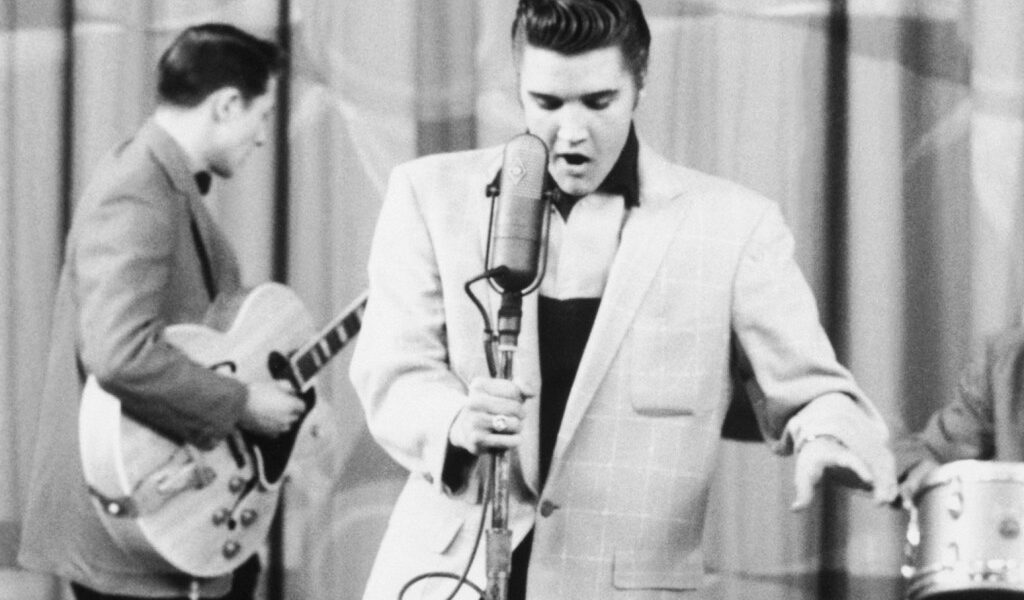
THE BIG STORY: Elvis Presley Enterprises has sued Suno over the use of Elvis Presley’s voice, adding a likeness-rights dispute to the legal challenges facing the AI music company. This report explains how the case differs from copyright claims over AI training and summarizes other major music-law developments.
Elvis Presley Enterprises accused Suno, an AI music company, of allowing users to clone Presley’s “unmistakable and iconic” singing voice. The lawsuit says: “All of the humanity, history, despair, and triumph that constitutes Elvis’ identity was stolen and is stored on servers and harnessed by Suno to make massive amounts of money.”
Related

The Elvis Presley lawsuit against Suno differs from the earlier case against Anthropic and other lawsuits filed against Suno by music companies. Those cases center on copyrighted material allegedly used to train AI models, while the Presley case invokes likeness rights, state-level protections for a person’s name, image and voice against commercial exploitation.
How does the Elvis Presley lawsuit differ from AI copyright cases?
The central distinction is the legal right at issue: the Presley case concerns the alleged commercial use of a person’s voice, while the other cases described here concern copyrighted works allegedly used to train AI models. Likeness rights protect a person’s name, image and voice from commercial exploitation under state-level laws.
The Elvis Presley case alleges voice-based likeness infringement, while the other cited AI cases focus on copyrighted training materials.
- Presley case: Alleged cloning and commercial use of Elvis Presley’s singing voice.
- Other AI cases: Alleged use of copyrighted material to train AI models.
- Legal distinction: Likeness rights address a person’s identity, while copyright claims concern protected creative works.
The difference is the object of the claim: a person’s voice and identity in one case, and copyrighted material used for AI training in the others.
What does the newsletter say about the Elvis lawsuit and other music-law cases?
The report points readers to a fuller account of the Elvis Presley lawsuit, the ELVIS Act cited in the case and potential counterarguments from Suno. The newsletter also summarizes other lawsuits, rulings and legal developments involving the music business.
The newsletter covers music-law cases and developments, including the Presley-Suno dispute and other litigation involving artists and music companies.
- Elvis Presley and Suno: The lawsuit concerns the alleged cloning of Presley’s voice and cites the ELVIS Act.
- BTS: Accusers dropped a lawsuit claiming the song “Swim” copied an earlier song, less than four months after filing it.
- Steven Tyler: The singer received a new trial date in a long-running case involving allegations about an underage girl in the 1970s.
- Olivia Rodrigo: Robbie Williams defended Rodrigo after fans compared her holiday song “Take Me Home (4 Christmas)” with his track “Candy.”
- Dolly Parton’s estate: The estate dropped its case against Bryan Seaver, whom it had accused of trying to extort money with threats of violence.
- Dua Lipa: Lipa reached a settlement resolving a copyright case over “Levitating.”
- Jason Isbell and other artists: Suno asked a judge to dismiss a lawsuit over similar name-and-likeness claims shortly before the Presley case was filed.
- Music-industry policy: The newsletter considers the possible effects of Democratic midterm-election victories on the Live Nation antitrust case, the NO FAKES Act, the StubHub CEO probe and other matters.
- JYP Entertainment: The company sued a do-it-yourself distributor over an allegedly pirated recording of Han’s solo material.
- Garth Brooks: An appeals court ruled that the singer’s sexual-assault accuser could potentially remain anonymous, despite Brooks disclosing her name.
- Mastodon: The band responded to a case brought by the estate of late guitarist Brent Hinds, arguing it could honor his legacy without rewriting his legal agreements.
- Lil Durk: A judge considered whether to release the rapper on bail after his acquittal on murder-for-hire charges and before a second racketeering trial.
- Nicki Minaj: Minaj is involved in legal disputes with her own lawyers, who claim she has not paid them and are seeking to end their representation.
- Sony Music impersonation case: A man who posed as a Sony Music executive to steal more than $1 million from event bookers received a six-year prison sentence.
- Flo Milli: A judge dismissed copyright claims concerning “Never Lose Me” after ruling that the plaintiff did not technically own a beat sampled in the track.
- Ye and Ty Dolla $ign: The artists were sued over an allegation that they used a sample from a longtime friend of Ty Dolla $ign after hearing it on a phone call.
- Sony Music Publishing: The publisher faced a copyright case over allegedly posting an “iconic photograph” of Stevie Wonder on Instagram without a license.
The roundup spans copyright disputes, likeness claims, criminal cases, settlements and policy questions, showing the range of legal issues covered in the music business.
What is Legal Beat, and how can readers follow it?
Legal Beat is a weekly newsletter about music law from Billboard Pro, covering major new cases, important rulings and related developments. Readers can subscribe to receive it every Tuesday or follow the writer on Instagram and X for daily legal updates on the music business.
Legal Beat is a weekly Billboard Pro newsletter about music-law news and developments.
Where can readers find more details about the Presley-Suno case?
Readers can find the full report through the linked Billboard story and watch the writer’s video breakdown. The coverage discusses the lawsuit, the ELVIS Act and potential arguments from Suno.
The linked Billboard report and video provide further coverage of the Elvis Presley-Suno lawsuit.
Other top stories this week…
— A lawsuit against HYBE claiming the chart-topping BTS song “Swim” copied an earlier song was dropped by the accusers less than four months after it was filed.
— Aerosmith singer Steven Tyler got a new trial date in the long-running case claiming he “groomed” an underage girl in the ’70s and then admitted in a memoir that he “almost took a teen bride.”
— Robbie Williams defended Olivia Rodrigo after some fans claimed her holiday song “Take Me Home (4 Christmas)” sounds like his track “Candy.” If only Stella Lefty had that kind of support…
— Dolly Parton’s estate dropped its case against Bryan Seaver, the late star’s nephew and head of security, whom it had accused of trying to extort money with threats of violence.
— Dua Lipa reached a settlement to end a copyright case over “Levitating,” fully resolving years of litigation over the hit song.
— Days before the new Elvis Presley case was filed, Suno asked a judge to throw out a lawsuit filed by Jason Isbell and other stars over similar name-and-likeness claims.
— How will sweeping Democratic victories in the midterm elections affect the music industry? The report considers possible implications for the Live Nation antitrust case, the NO FAKES Act, the StubHub CEO probe and more.
— JYP Entertainment, the Korean music company behind Stray Kids, sued a do-it-yourself distributor for allegedly uploading a pirated recording of Han’s solo material.
— An appeals court ruled that Garth Brooks’ sexual-assault accuser could potentially stay anonymous, even after Brooks disclosed her name: “We are not persuaded that the proverbial cat is out of the bag here.”
— Mastodon filed its first response to a case brought by the estate of late guitarist Brent Hinds, arguing the band could honor his legacy without “rewriting” his legal agreements.
— A judge considered whether to release Lil Durk on bail following his acquittal on murder-for-hire charges but before a second racketeering trial: “It’s a question of psychology.”
— Nicki Minaj is involved in legal battles with her own lawyers, who claim she has refused to pay them and are seeking to end their representation.
— A man who pretended to be a Sony Music executive to steal more than $1 million from event bookers was sentenced to six years in prison, two years more than he received for a similar scam involving Rihanna, Lady Gaga and Justin Bieber.
— A judge threw out copyright claims over Flo Milli’s 2023 hit “Never Lose Me” after ruling that the man bringing the lawsuit did not technically own a beat sampled in the track.
— Ye (Kanye West) and Ty Dolla $ign were sued over sampling again, this time over accusations that they took a sample for “Vultures” from one of Ty’s longtime friends after hearing it on a phone call.
— Sony Music Publishing faced a copyright case over allegedly posting an “iconic photograph” of Stevie Wonder on Instagram without a license.