

A guide to Jane Austen’s most memorable romantic heroes
This ranking compares seven Jane Austen romantic heroes and the relationships that define them, from Edmund Bertram’s complicated feelings for Fanny Price to George Knightley’s lasting friendship with Emma Woodhouse. Read on to see how loyalty, personal growth, and romantic timing shape each character’s place in Austen’s novels.
- Top choice: George Knightley stands out for his honesty, kindness, and steady support of Emma.
- Personal growth: Fitzwilliam Darcy changes his behavior after Elizabeth Bennet challenges his pride.
- Lasting devotion: Captain Wentworth and Colonel Brandon remain loyal despite heartbreak and setbacks.
- Complicated feelings: Edmund Bertram’s eventual choice of Fanny raises questions about the sincerity of his love.
Jane Austen fans have had plenty of characters to analyze over the years, especially romantic ones. Austen’s books offer a wide range of love stories, and many of her leading characters face competing romantic expectations: private affection on one side and advice or pressure from others on the other.
Austen’s vivid character writing makes her heroes feel recognizable, with qualities readers can admire as well as criticize. This ranking compares seven leading men and the relationships that shape their stories, considering their kindness, loyalty, flaws, and capacity to change.
7
Edmund Bertram
‘Mansfield Park’ (1814)
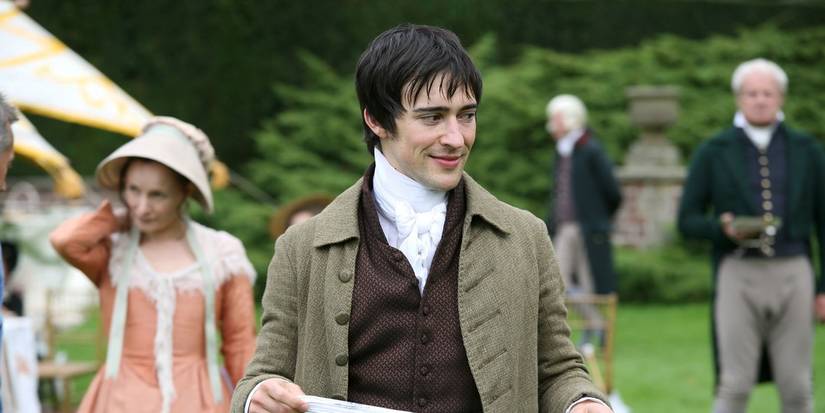 Image via Company Pictures
Edmund Bertram is a restrained and, at times, unremarkable romantic hero in Mansfield Park. He is kind to his younger cousin Fanny when she comes to live with his family, but while Fanny develops feelings for him, Edmund spends much of the story longing for Mary Crawford.
Edmund’s interest in Fanny can seem like an afterthought: he turns toward her after his relationship with Mary falls apart. His late change of heart may read more like a rebound than a genuine realization. Although Edmund is more principled than the self-indulgent Henry Crawford, his lasting fascination with Mary makes the sincerity of his eventual affection for Fanny difficult to judge.
6
Henry Tilney
‘Northanger Abbey’ (1818)
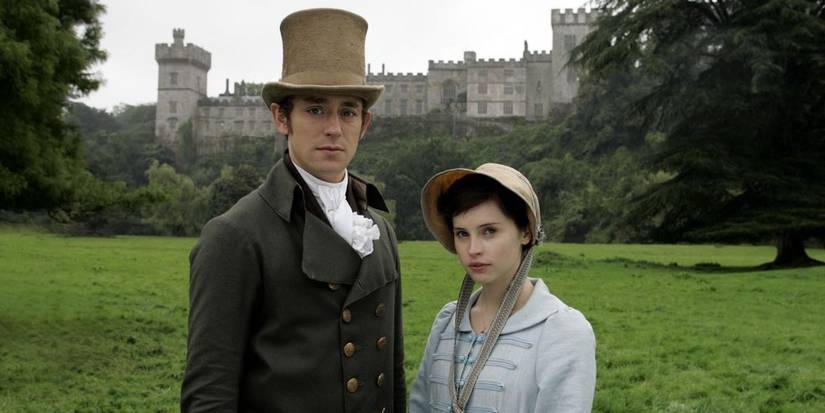 Image via ITV
Henry Tilney is a strong match for Catherine in Northanger Abbey. They share a love of reading, especially Gothic novels, and Henry comes to appreciate Catherine’s candid, genuine nature as she responds to his wit and charm.
Henry was close to his late mother and has a warm relationship with his sister, experiences that help him understand women’s feelings. He notices matters such as dress fabrics and recognizes his father’s unkind treatment of his mother and sister. Unlike Willoughby and Frank Churchill, Henry stands up to his father and seeks to marry Catherine, despite his father’s objections to her lack of fortune.
5
Captain Frederick Wentworth
‘Persuasion’ (1818)
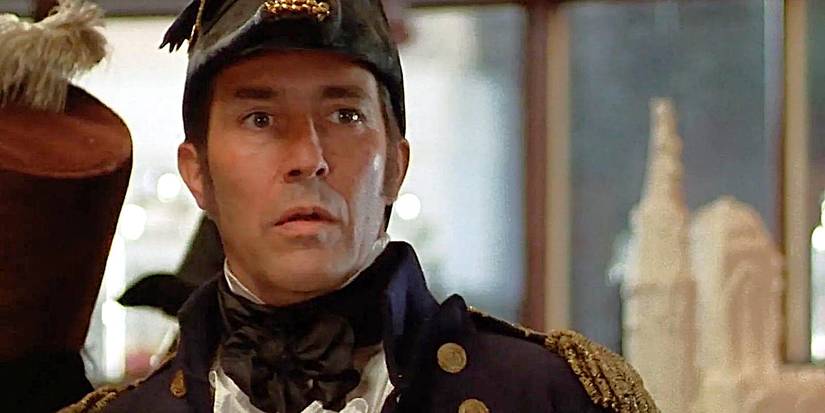 Image via Sony Pictures Classics
Persuasion centers on the enduring love between Captain Frederick Wentworth and Anne Elliot. Anne’s father and mentor persuade her not to marry Wentworth because he is poor and lacks social standing; after a successful naval career, Wentworth returns to her life, and they eventually admit that their love has endured.
By the time Wentworth returns, he is wealthy, successful, and respected as a naval officer. Although he still loves Anne, he acts indifferently toward her and flirts with Louisa Musgrove, apparently failing to consider how his behavior might be understood by Louisa and her family. Louisa’s feelings eventually fade, and Wentworth proposes to Anne.
Wentworth’s hurt helps explain his resentment, but his treatment of the young, inexperienced Louisa is careless. His devotion to Anne remains central to his appeal, even as his moody return complicates their reunion. Persuasion explores lost love from both Anne’s and Wentworth’s perspectives.
4
Edward Ferrars
‘Sense and Sensibility’ (1811)
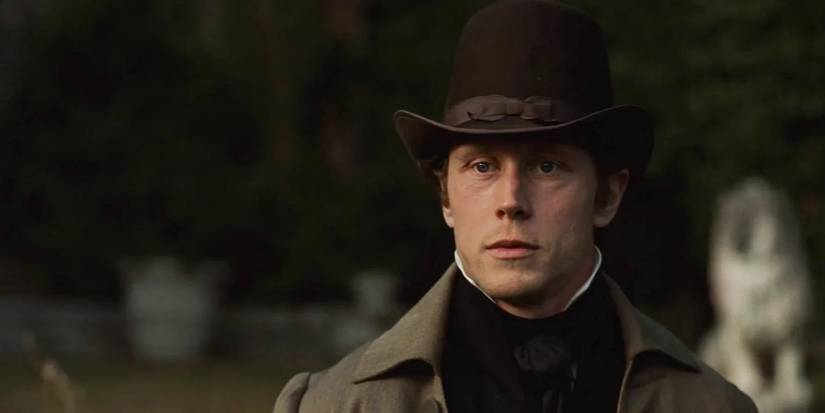 Image via Focus Features
When readers meet Edward Ferrars in Sense and Sensibility, they may expect him to resemble his materialistic sister Fanny. Instead, Edward is humble, kind, and considerate. He grows close to Elinor before she and her family leave Norland Park, but their prospects seem uncertain when Elinor learns that Edward has been secretly engaged to Lucy Steele for several years.
For much of the novel, Edward and Elinor seem unlikely to marry, until a late revelation changes their prospects. Edward did not deliberately mislead Elinor, but she has to hear about his engagement from Lucy rather than from him. When his mother confronts him, Edward is prepared either to marry Lucy or release her from the engagement after being disinherited; he refuses to break his promise. His eventual freedom to marry Elinor allows their friendship to become the foundation of their marriage.
3
Colonel Brandon
‘Sense and Sensibility’ (1811)
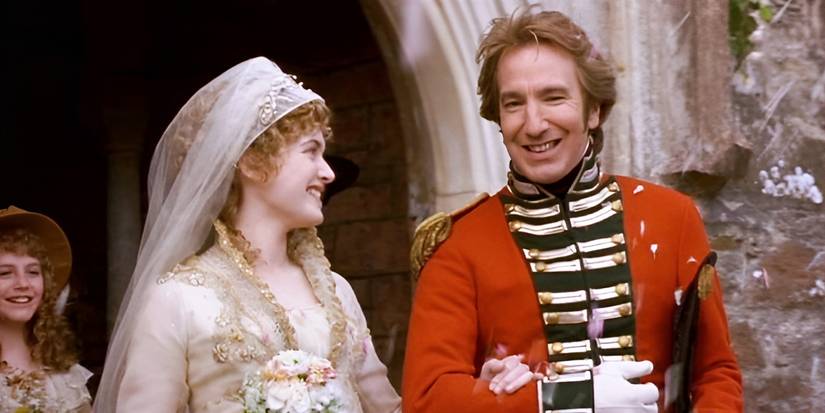 Image via Sony Pictures Releasing
In Sense and Sensibility, Colonel Brandon is described in the 1995 film as “the kindest and best of men.” He endures heartbreak and betrayal yet continues to show love, loyalty, and honor. His father and brother conspire against him, forcing his sweetheart Eliza to marry his brother and sending Brandon into the army. After returning, Brandon promises to care for Eliza’s daughter, also named Eliza. Later, he helps the younger Eliza after Willoughby abandons her while she is pregnant.
Despite repeated setbacks, Brandon does not become harsh or cruel. He admires Marianne Dashwood and hopes to marry her, although Marianne is initially drawn to other qualities and finds Brandon’s reserved manner less appealing. As she gets to know him, she sees his depth and his genuine interest in pursuits such as music.
Brandon’s guarded nature follows earlier heartbreak and betrayal by people close to him. Marianne eventually recognizes his character, and the two marry. Her expressive temperament complements his reserve, while Brandon’s kindness also extends to their family and to Elinor.
2
Fitzwilliam Darcy
‘Pride and Prejudice’ (1813)
Fitzwilliam Darcy begins Pride and Prejudice as an aristocrat whose views are shaped by wealth, rank, and social status. Those beliefs are challenged when he falls in love with Elizabeth Bennet, whose family has less money and standing. Darcy’s first proposal is deeply insulting: he emphasizes Elizabeth’s lower status even as he asks her to marry him. Elizabeth rejects him and openly criticizes his conduct, prompting Darcy to reconsider his assumptions.
Darcy makes meaningful changes as the novel progresses. He becomes more considerate toward Elizabeth and her family and helps two of her sisters, including Jane, who eventually marries Mr. Bingley. His character develops from proud and stubborn to more open and humble, and he acts on Elizabeth’s criticism rather than merely claiming to have changed. Darcy and Elizabeth’s movement from antagonism to love has helped make their relationship a notable example of the enemies-to-lovers story.
1
George Knightley
‘Emma’ (1815)
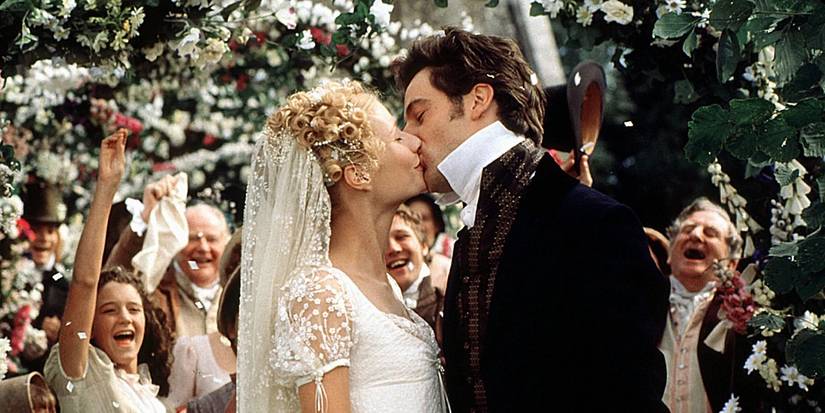 Image via Miramax Films
George Knightley is the strongest model of a romantic hero in Emma because he is sensible, kind, and selfless. He challenges Emma when she is rude to an older friend and encourages Harriet to reject Robert Martin’s proposal. Even when Emma makes mistakes, Knightley is honest with her while remaining respectful.
Knightley regularly puts Emma’s needs before his own. He keeps his dislike of Frank Churchill to himself because he believes Emma cares for Frank. After marrying Emma, Knightley agrees to leave his home and live with her and her father so that Emma’s father will not be left alone. His relationship with Emma grows from friendship into love for the person she already is.
Emma
- Release Date
-
August 2, 1996
- Runtime
-
121 minutes
- Writers
-
Douglas McGrath
- Producers
-
Bob Weinstein, Donna Gigliotti, Harvey Weinstein, Patrick Cassavetti