

What to know before choosing a Power Rangers season
- Series ranking: This list compares 22 Power Rangers series, from the weakest entries to the strongest.
- What stands out: The most memorable seasons balance action and colorful villains with character development and serialized stories.
- Lower-ranked seasons: Megaforce, Samurai, and Ninja Steel are criticized for issues such as rushed writing, shallow characters, or uneven tone.
- How to choose: Compare each season’s theme, team dynamics, and storytelling to find a Power Rangers series that suits your interests.
This ranking reviews Power Rangers seasons and explains what distinguishes each entry, so readers can compare the series and choose what to watch.
The Power Rangers franchise has played a special role in childhoods across generations, but some Power Rangers series stand out more than others. When it first arrived, Mighty Morphin Power Rangers introduced a new concept to the U.S. television market. Just a few years earlier, the live-action adaptation Bio-Man had been rejected. The people behind Power Rangers spent years trying to convince their bosses it was a worthwhile investment. Few expected a show based on the Japanese franchise Super Sentai to become a global phenomenon.
Everything changed when Mighty Morphin Power Rangers became an immediate success, generating millions of dollars in merchandise revenue alone. Power Rangers began with five original actors, and the franchise later changed ownership and evolved its storylines. The series made bold choices, from adding dinosaurs and venturing into space to changing its team lineup multiple times. Producers continued the franchise through occasional slumps, though not every series performed as well.
The strongest Power Rangers seasons find a balance between zany villains and large-scale fights for younger viewers and serialized stories and dramatic shifts for adults. The Rangers are teenagers who gain powers to save the world while figuring out who they are as young adults. That combination gives different seasons meaning for different audiences and generations. This ranking compares Power Rangers series from weakest to strongest.
22
Power Rangers: Megaforce
(2013–2014)
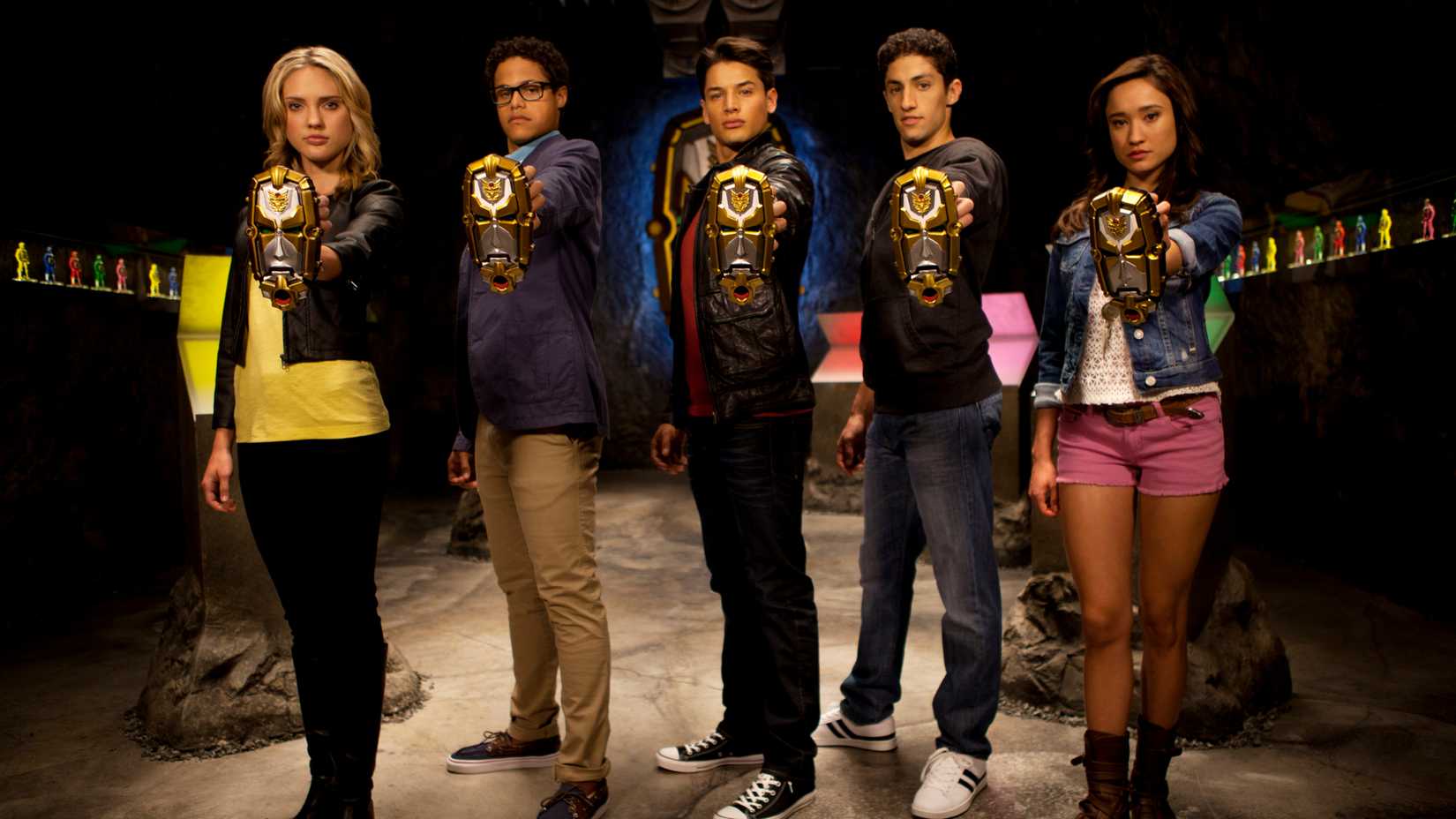 Image via MovieStillsDB
For the twentieth anniversary of Mighty Morphin Power Rangers, Power Rangers: Megaforce brought together elements from across the franchise. It adapts a Super Sentai series in which the new team can draw on the powers of other Power Rangers teams, including teams that do not yet exist in the show’s timeline. That premise suggests the Rangers should be more powerful than ever.
However, the dialogue feels stiff, and the story moves too quickly. The characters seem shallow, and the performances do little to deepen them. Rather than balancing storytelling with merchandise, Megaforce can feel like a toy commercial. The season also drops the pirate theme. The final battle is a highlight, but the rest of the series is less successful, placing Megaforce near the bottom of this ranking.
21
Power Rangers Samurai
(2011–2012)
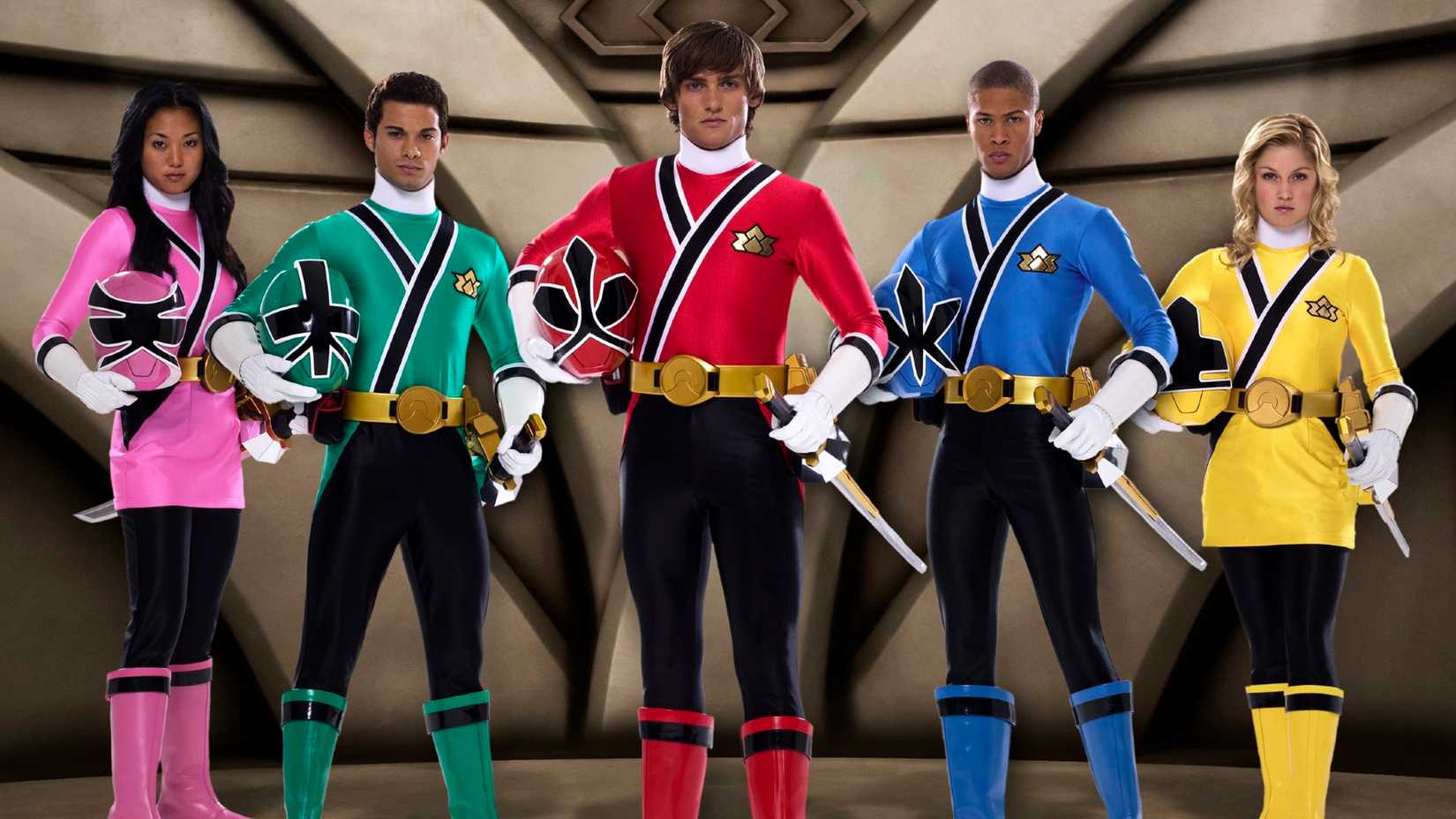 Image via MovieStillsDB
In most Power Rangers series, a mentor or fate selects the Rangers. In Power Rangers Samurai, the central characters inherit their abilities from their ancestors. Their fight against evil is still framed as fate, but their samurai skills and weapons are family heirlooms. The casting and cultural context of this premise have drawn criticism: only two Rangers are played by Asian actors, and neither is Japanese.
Power Rangers Samurai has other problems. Across its two seasons, the Red Ranger loses the role, then Lauren, the first woman Red Ranger, gives it back a few episodes later. The series also closely copies parts of Super Sentai Shinkenger without always adapting the cultural context or story for a Western audience.
20
Power Rangers Ninja Steel
(2017–2018)
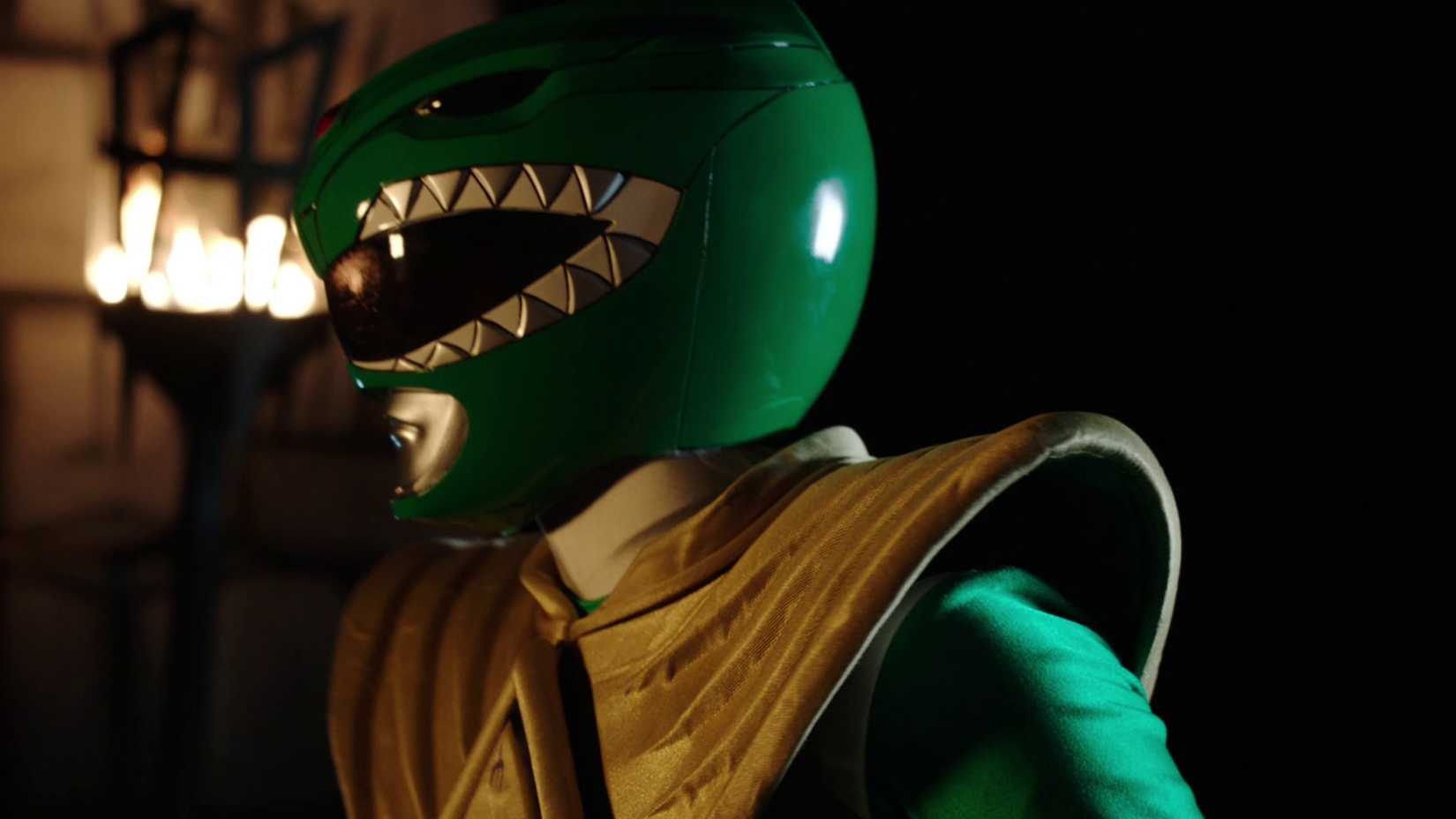
Power Rangers Ninja Steel gives the Rangers an unusual role: their battles are broadcast across space. The premise comes from an evil alien seeking their power, in this case ninja stars, who runs an intergalactic game show built around monster fights. The game-show concept offers a fresh angle, but the season does not match the strongest Power Rangers series.
The writing and tone are notably juvenile, and the ninja theme plays only a limited role. The series also relies on heavy-handed moral lessons and uninspired fight choreography. Villains Minus Odius and Cosmo Royale are among its weaker elements, so the season does not consistently satisfy either younger or adult viewers.
19
Power Rangers Operation Overdrive
(2007)
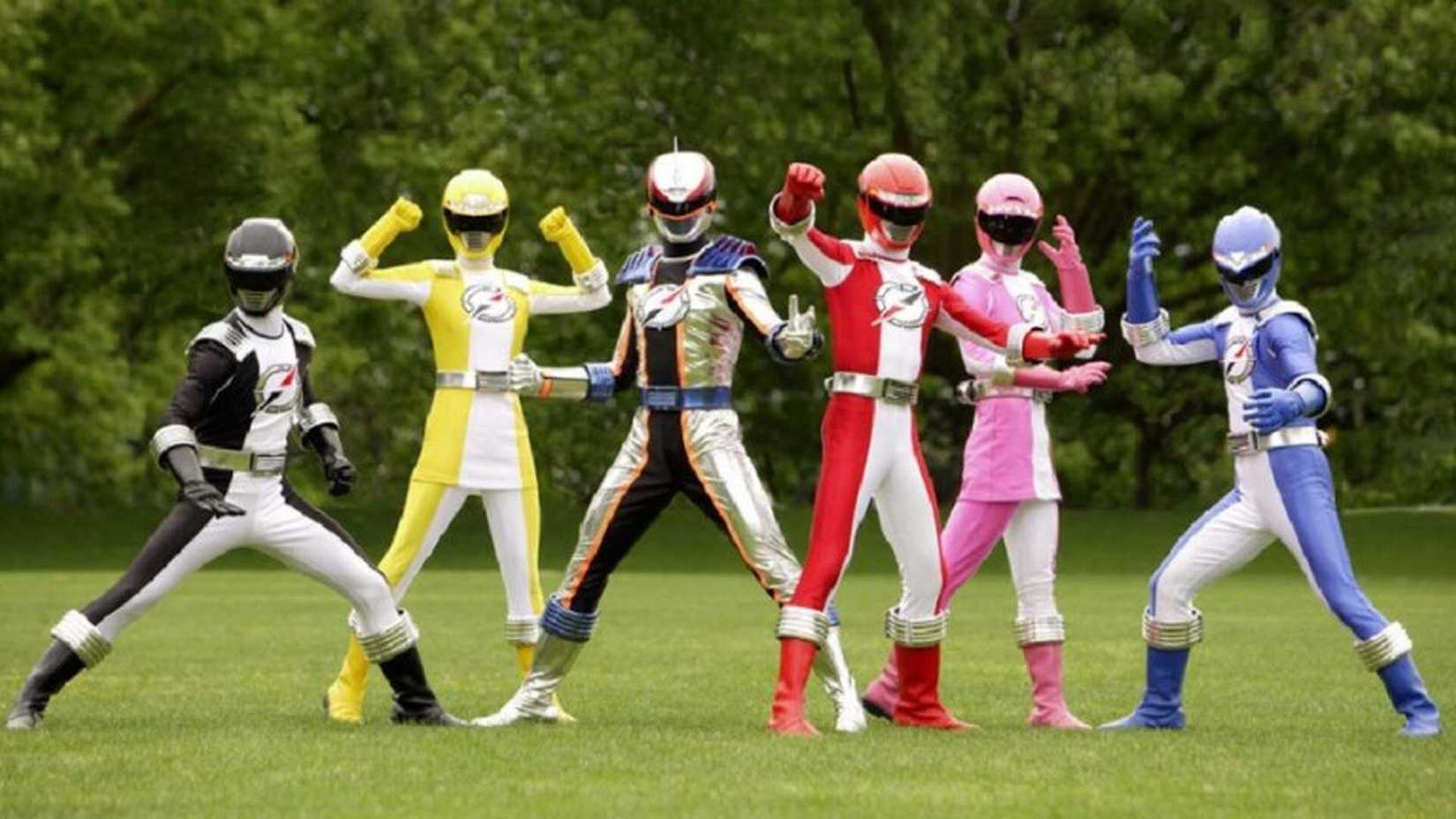
Indiana Jones meets Power Rangers sounds promising, but the combination does not work as well as it might. A man assembles a team to keep ancient relics out of villains’ hands, and each Ranger brings a distinct skill set. Their strong personalities, however, create friction that does not always help the team.
The season also includes several storylines that compete for attention. One Ranger discovers they are an android rather than a human, while a tragic alien love story unfolds in the background. The crowded plot is difficult to follow, and the acting is another weakness compared with stronger Power Rangers seasons.
18
Power Rangers Wild Force
(2002–2003)
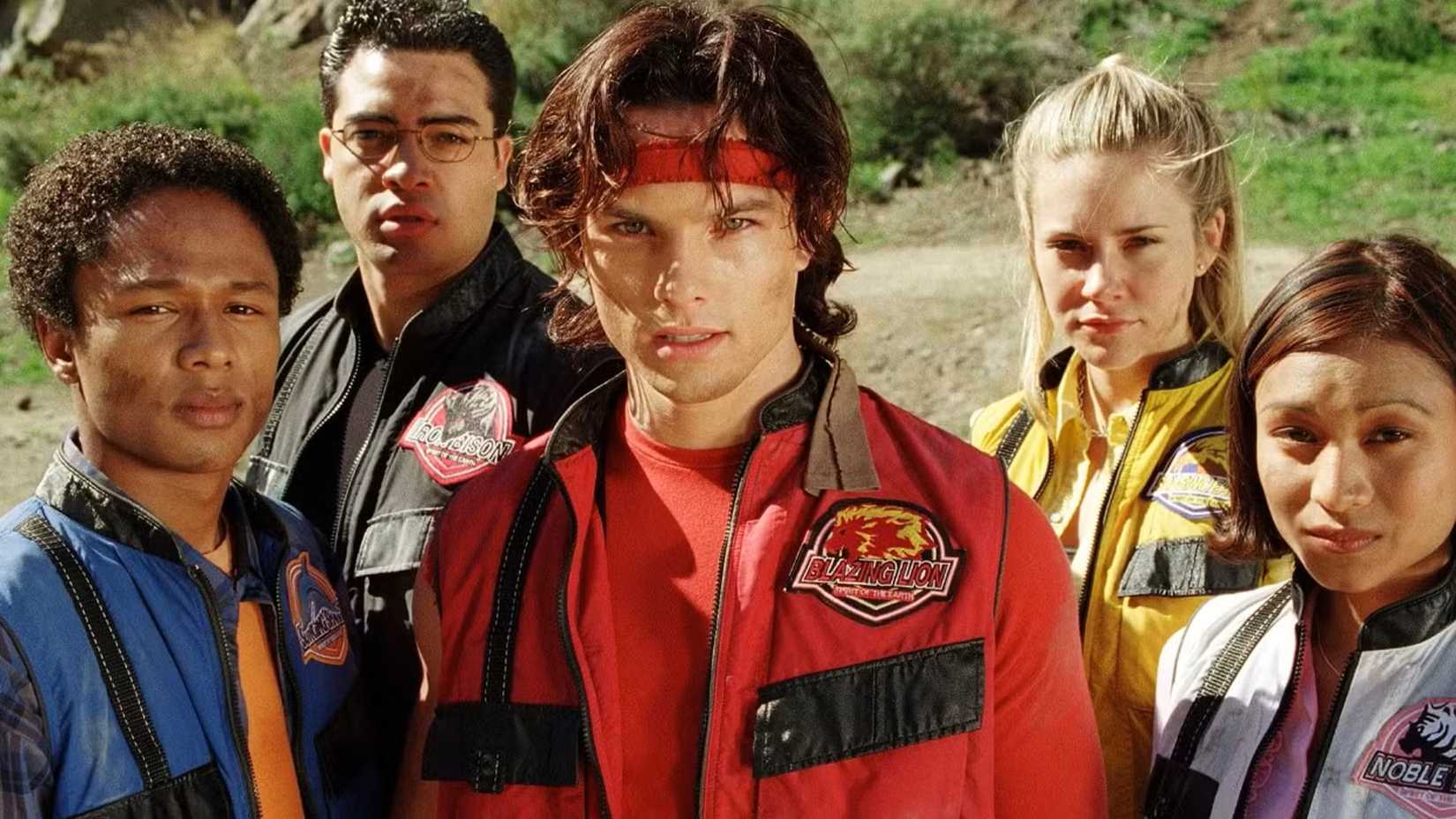
Among the distinctive ideas in Power Rangers Wild Force is that animals choose the Rangers, acting as the source of their zords. The team can also call on multiple zords, an approach that became more common in later seasons.
The season combines character development, mythology, and drama, but its tone is uneven. Heavy-handed messages can feel aimed at children, while soap-opera storylines seem directed at adults. Master Org is also a comparatively weak villain. Even so, the season has memorable moments, including “Forever Red” and Merrick becoming the Lunar Wolf Ranger.
17
Power Rangers Beast Morphers
(2019–2020)
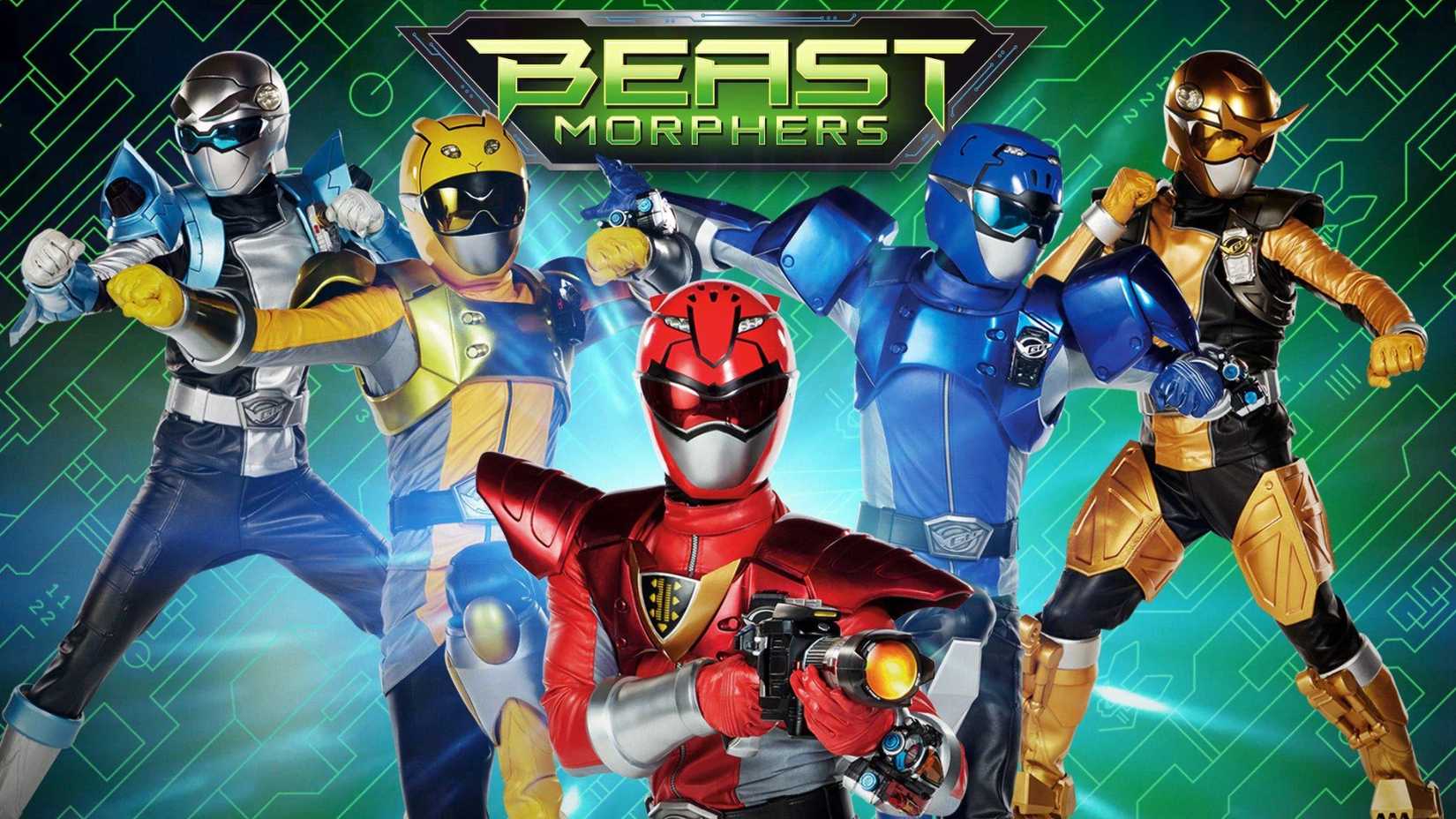
Power Rangers Beast Morphers was the first series produced by Hasbro, Inc.’s Allspark Pictures. In the near future, Carol Harbor uses the Morphin Grid to develop Morph-X, a clean energy source. Scientists combine Morph-X with animal DNA to create the Beast Morphers and protect the city. The season blends virtual reality with familiar Power Rangers elements and includes a crossover involving the Venjix virus from Power Rangers RPM.
When you think about your favorite Power Rangers seasons, which factor matters most to you?
Which Power Rangers themes are you most likely to seek out for a rewatch or first-time binge?
How interested are you in checking out new or recent Power Rangers series after reading this article?
Beast Morphers has a strong cast and several promising ideas, but the writing does not fully deliver on them. The rushed scripts can feel unfinished, and wooden characterization does not make the most of the performers. The season also struggles to use its legacy characters effectively. It has merits, but its overall execution is uneven.
16
Power Rangers Dino Charge
(2015–2016)
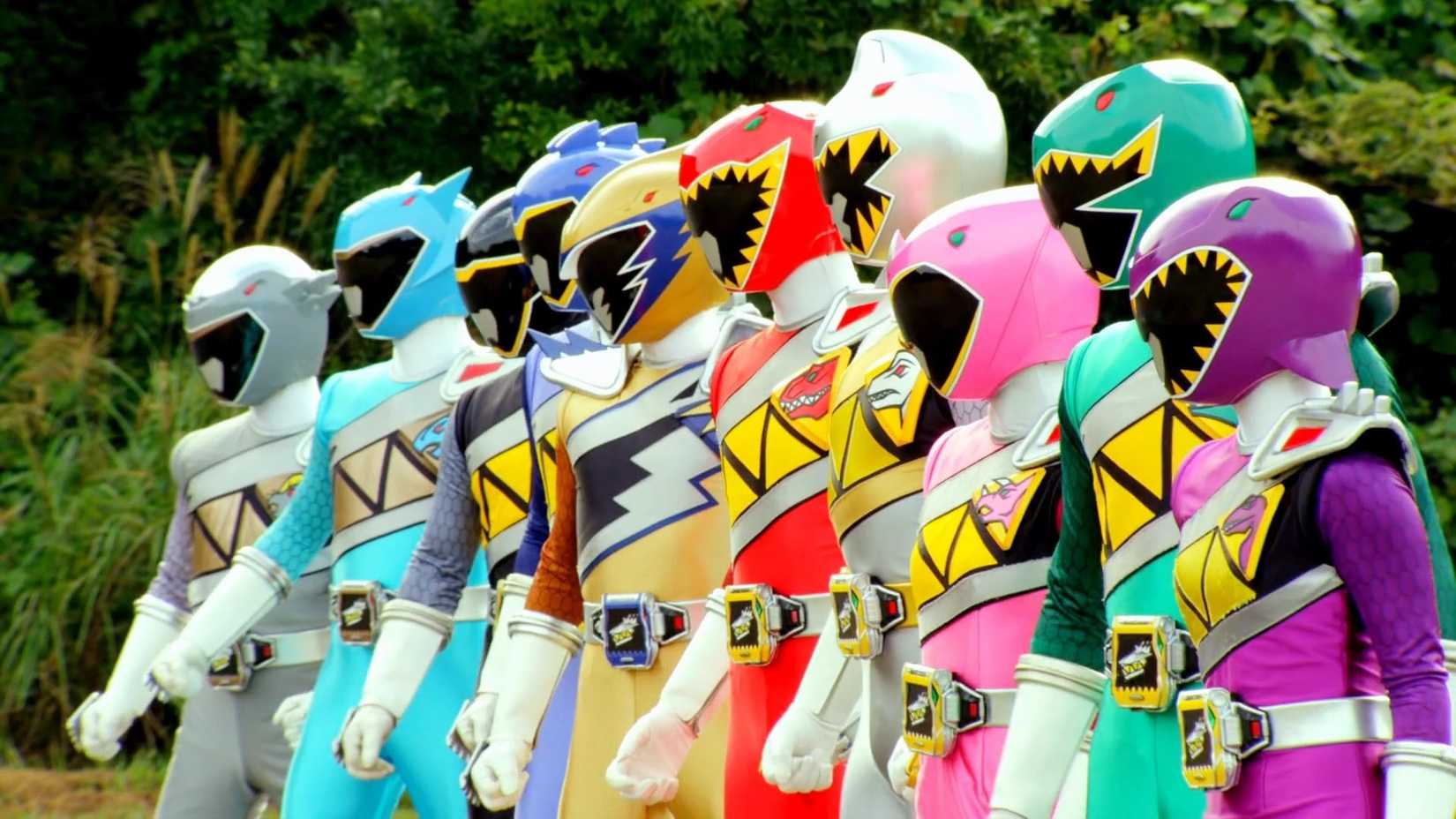
Dinosaurs remain a popular theme in Power Rangers, in part because dinosaurs featured in the franchise’s U.S. debut. Power Rangers Dino Charge revisits that theme with dinosaurs guarding the powerful Energems, and makes a Power Rangers villain responsible for the dinosaurs’ extinction on Earth.
The villain and the season’s serialized stakes are strong points. The series combines original American footage with material from Zyuden Sentai Kyoryuger. However, the second season loses momentum, and expanding the Ranger roster leaves some characters underdeveloped and the storyline overcrowded.
15
Power Rangers Jungle Fury
(2008)
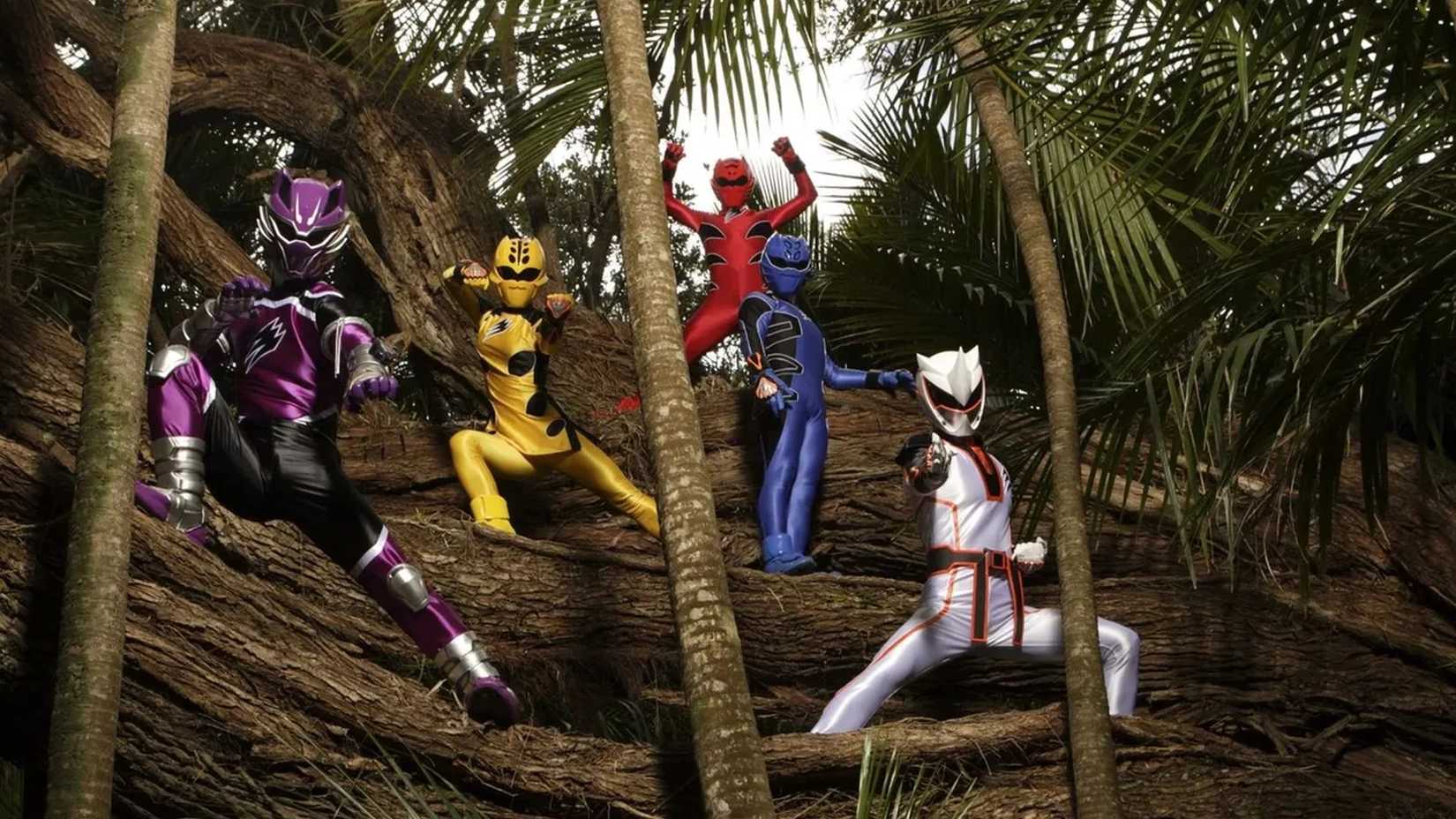
Power Rangers Jungle Fury takes inspiration from animal spirits used to shape fighting styles in martial arts. Each Ranger has a distinct style inspired by an animal spirit, while also being able to call on others. The approach gives this season a distinctive visual identity and a different style of action.
The season also changes the role of the mentor. RJ fights alongside the team and manages a pizza place, giving him a more relaxed presence than many franchise mentors. His involvement gives Jungle Fury a different feel and is one of the season’s defining strengths.
14
Power Rangers Ninja Storm
(2003)
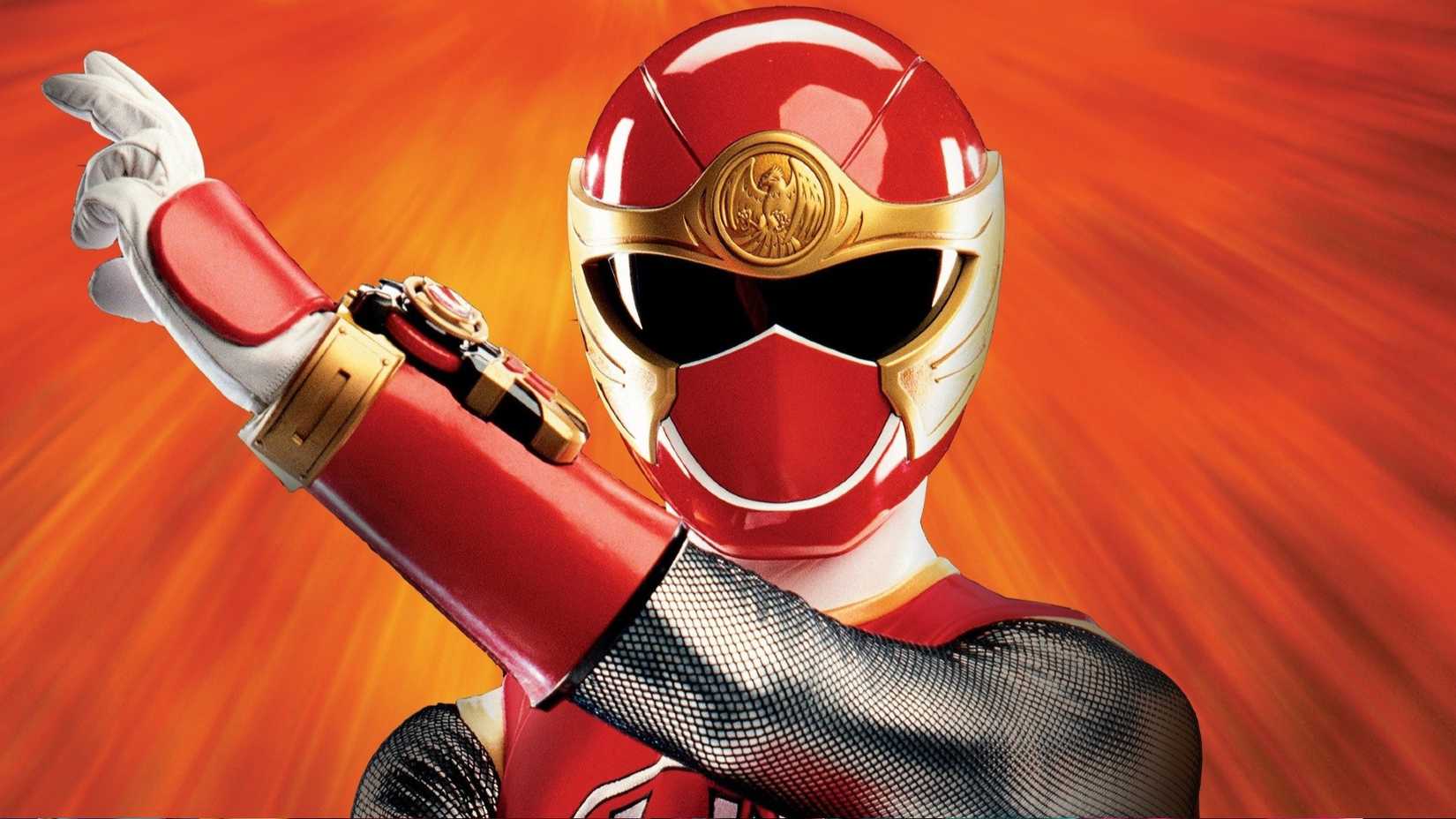
Power Rangers Ninja Storm was the first full-length season produced after Disney acquired the franchise. Production moved to New Zealand, providing a new setting for the series. The story follows students at a Ninja Academy who become Rangers because they are the only students left after the others are kidnapped. Unlike earlier seasons, the team is formed through circumstance rather than being deliberately chosen.
The Rangers prove themselves repeatedly. Ninja Storm keeps the franchise’s action and life lessons but leans more heavily on humor and misunderstandings between characters. That tonal shift divided fans, and the season also broke the tradition of crossing over with another team.
13
Power Rangers Lightspeed Rescue
(2000)
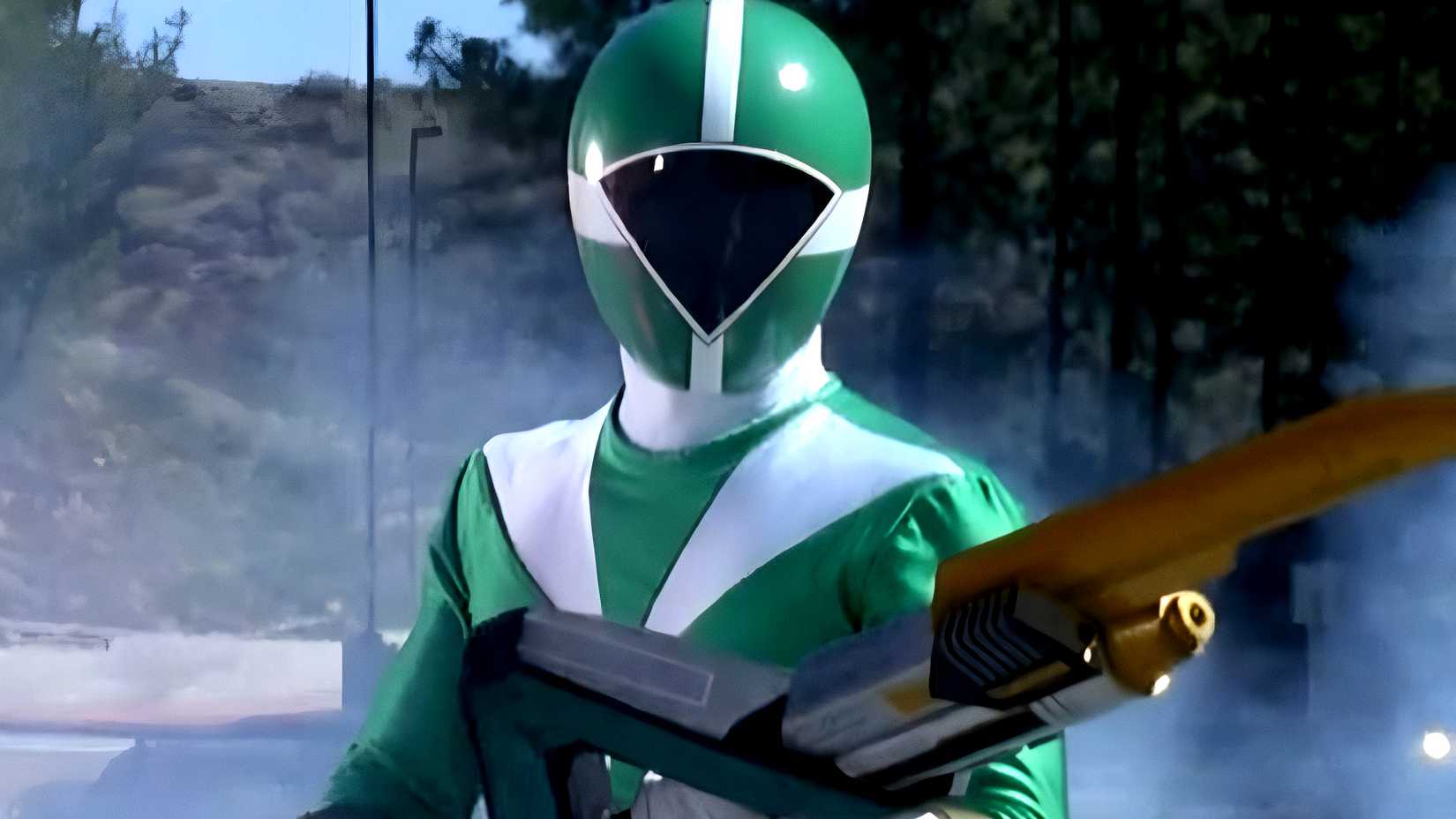
Power Rangers Lightspeed Rescue premiered in 1997 and took a different approach from earlier Power Rangers seasons. The team’s identities are public, and the government organization Lightspeed Rescue uses the Morphin Grid to develop Power Ranger morphers and powers. The organization recruits four civilians with different areas of expertise, along with the captain’s daughter, to protect Mariner Bay from demons.
This season treats being a Power Ranger as a job rather than a secret life or a calling from fate. The government selects the team, whose members work competently together. The writing and mature story are strengths, while the heavily militarized team and weaker villains take away some of the season’s spark.
Which Power Rangers season is a good place to start?
Mighty Morphin Power Rangers is the franchise’s original U.S. series and a natural starting point for viewers who want to see where the phenomenon began. Viewers can also choose a season based on its theme, such as dinosaurs, ninjas, or animal spirits.
What makes a Power Rangers season stand out?
A memorable Power Rangers season balances action and villains with character development and a coherent story. The ranking also considers distinctive themes, team dynamics, and how effectively a season uses its ideas.
Why is Power Rangers Samurai ranked low?
Power Rangers Samurai is criticized for its handling of the Red Ranger’s role and for copying parts of Super Sentai Shinkenger without consistently adapting the cultural context for a Western audience.
What is distinctive about Power Rangers Lightspeed Rescue?
Power Rangers Lightspeed Rescue makes the Rangers’ identities public and presents the role as a government-backed job. The organization recruits civilians to protect Mariner Bay from demons.