The Shutter Island ending remains a topic of debate among fans and critics more than a decade after its release. Directed by Martin Scorsese, the film features Leonardo DiCaprio as Teddy Daniels, a US Marshal investigating the disappearance of an inmate from a psychiatric facility on the titular island. However, the conclusion of Shutter Island implies that Teddy is actually a patient at the facility, and his “investigation” was orchestrated by his doctors to help him return to reality.
Some argue that Shutter Island is straightforward once the psychological trick employed at the facility to treat DiCaprio’s character, Andrew Laeddis, is revealed. However, others believe the film is open to interpretation, suggesting that Teddy is a genuine lawman who has been convinced by the facility’s doctors that he is a patient to conceal their island’s secrets. Ultimately, the truth behind Shutter Island‘s ending becomes evident when considering the entire film and the clues leading to Laeddis’ final decision.
Shutter Island Explained: What Happens & What It Means
The Entire Movie Is An Extreme Therapy Technique
-
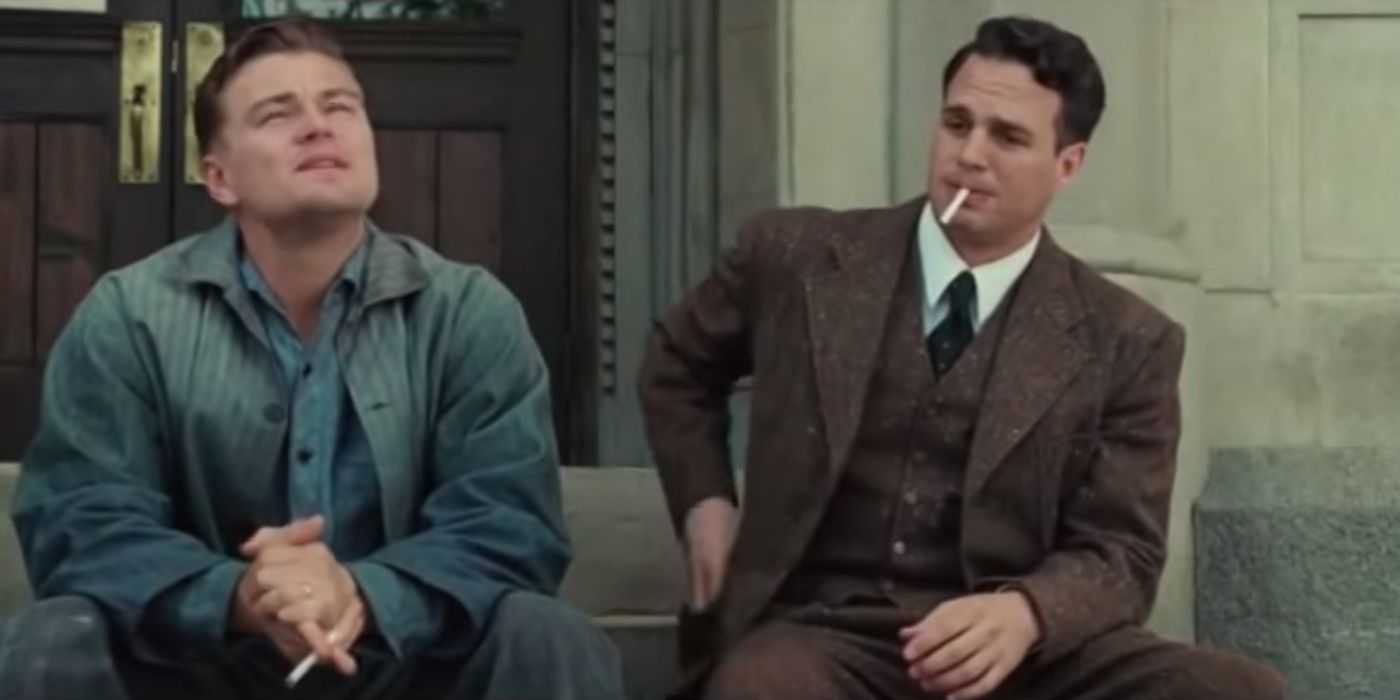 Image via Paramount Pictures
-
-
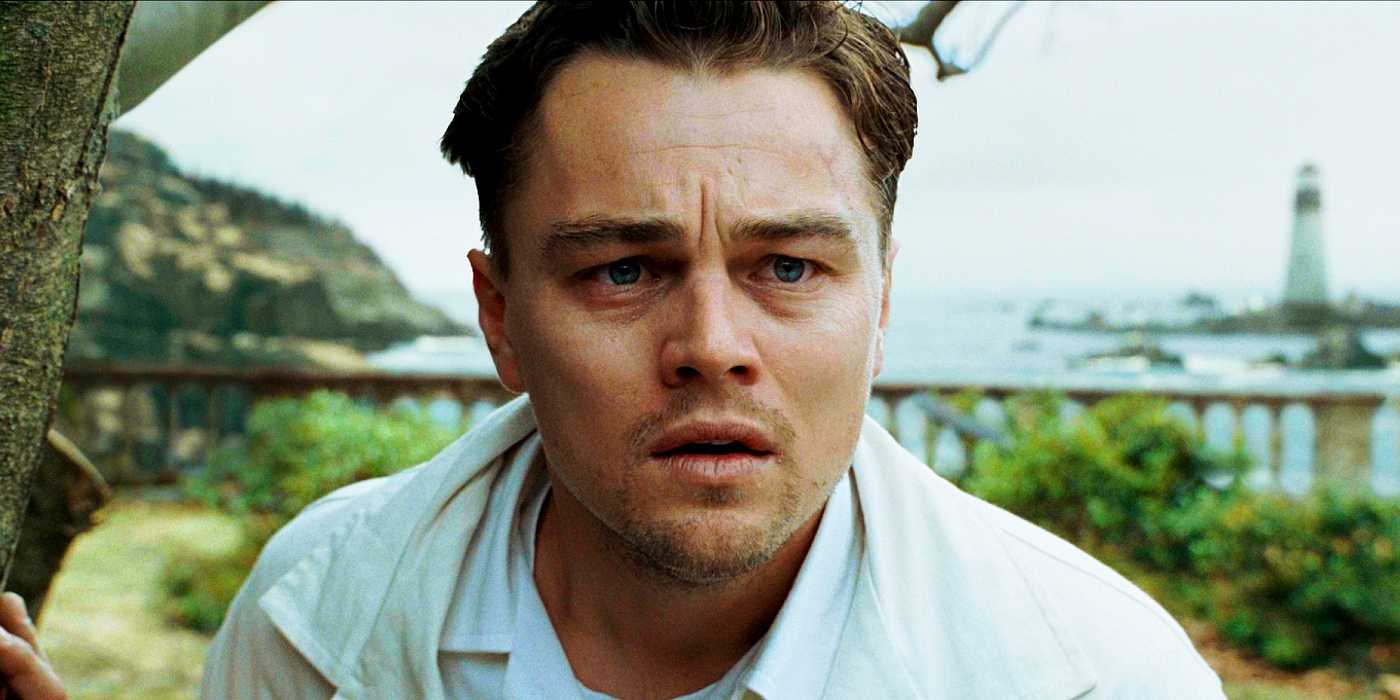 Image via Paramount Pictures
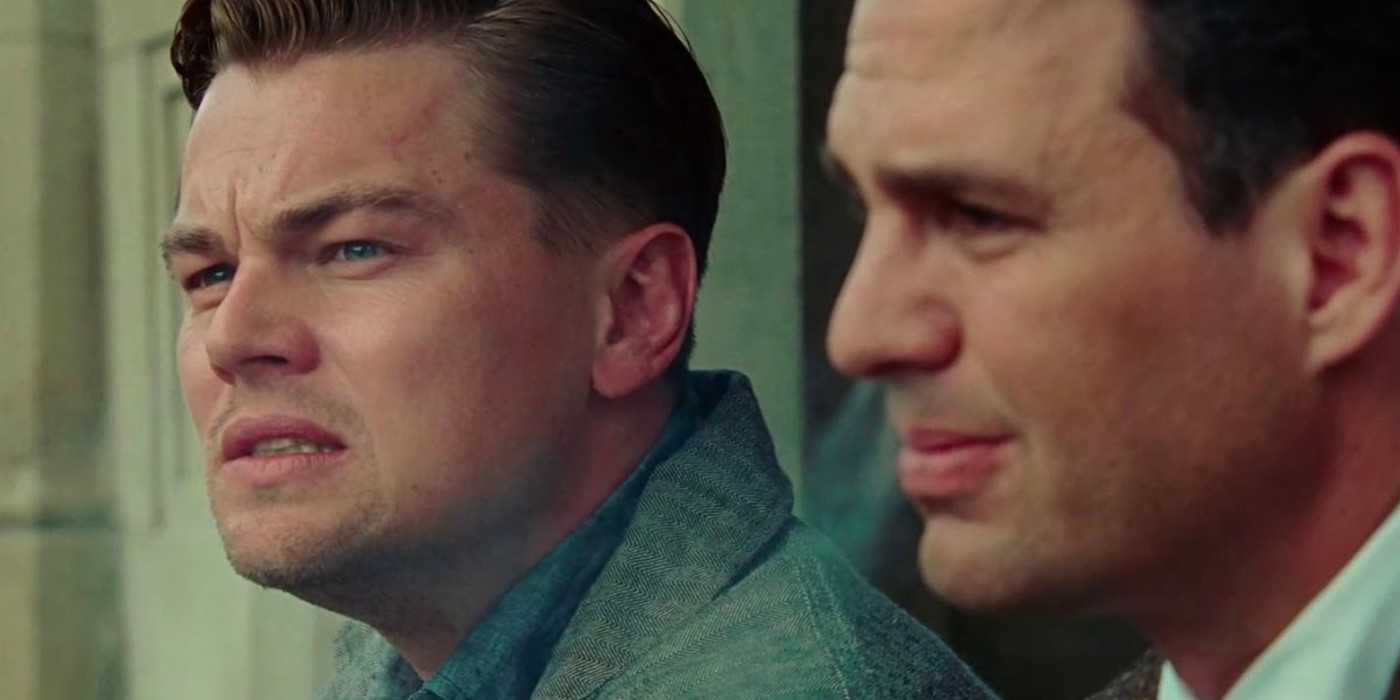
The theories surrounding Shutter Island being a secret government facility — or that the doctors manipulate Teddy Daniels by the end of the film — are misguided. DiCaprio’s character is actually Andrew Laeddis (aka Patient 67), a disturbed inmate of Shutter Island who killed his wife, and whom the doctors are attempting to rehabilitate. Teddy’s investigation of the island is an intricate role-playing game designed by Dr. Cawley (Sir Ben Kingsley) and Teddy’s partner “Chuck” (Mark Ruffalo), who is actually Teddy’s primary psychiatrist — the “missing” Dr. Sheehan.
Cawley and Sheehan are sympathetic doctors who believe that therapy and compassion can cure Andrew’s condition. In contrast, Dr. Naehring (Max von Sydow) and the Warden (Ted Levine) believe individuals like Andrew are too unstable and violent for therapeutic solutions; they advocate for restraining patients and administering drugs (in some cases lobotomizing them).
The game is initiated to give Dr. Cawley and Dr. Sheehan one last opportunity to demonstrate that Andrew Laeddis can be pulled from his “Teddy Daniels” fantasy and accept the reality of his trauma: his wife Dolores (Michelle Williams) murdered their children, and he, Andrew, murdered her in retaliation. Andrew feels guilt because he was aware of his wife’s depression for an extended period — but due to his own struggles with alcohol and post-traumatic stress from WWII experiences, he never acknowledged her problems fully, which cost him his children.
Shutter Island: Who Is George Noyce? Is He Real?
George’s Warnings Were Misinterpreted By Andrew
Jackie Earle Haley’s character, George Noyce, is a fellow patient who knew Teddy/Andrew in the asylum and helps reveal the Shutter Island twist ending. Noyce is portrayed as a “repeat offender,” having returned to Shutter Island, feeding Andrew conspiracy theories for his fantasy. However, this reflects Andrew’s distorted perception of reality.
There is also the possibility that Noyce was included as part of the game to feed into Andrew’s fantasy.
In reality, when George Noyce says he’s only in Ward C because of Teddy and he’ll never get out again, it raises complications. If Noyce was a victim of Andrew’s violence, it doesn’t make sense that he would be locked up with the most dangerous prisoners. There is also the possibility that Noyce was included as part of the game to feed into Andrew’s fantasy.
What is known is that one day Noyce called “Teddy” by his real name, Laeddis, causing a psychotic outburst where Andrew savagely beat him up. That assault prompted Dr. Naehring and the Warden to advocate for Laeddis’ lobotomy while Dr. Cawley and Dr. Sheehan created the role-playing game as a last effort to cure Laeddis. However, this does not clarify George Noyce’s treatment itself, which seems to have nefarious undertones.
Noyce is real, but Andrew’s backstory is part of his delusional fantasy: he creates an image of Noyce as a nice college kid who murdered three men due to being experimented on during a psychological study. In reality, Noyce is a patient, and while his warnings about experiments are true, they are misinterpreted by Teddy as evidence of Shutter Island’s dark nature as an institution.
Shutter Island’s Rachel Solando, The Law of 4 And Patient 67 Explained
The “Investigation” Is Filled With Clues Designed To Make Andrew Face Reality
Shutter Island‘s law of four pertains to anagrams created by Andrew for his fantasy world. “Edward (Teddy) Daniels” is an anagram for “Andrew Laeddis,” while “Rachel Solando” corresponds to “Dolores Chanal,” Andrew’s deceased wife’s maiden name. This results in four distinct names within Andrew’s fantasy. Meanwhile, the mystery surrounding missing Patient 67 that “Teddy” investigates ultimately reveals himself as Andrew Laeddis. As long as “Teddy Daniels” seeks Patient 67, he will never find him, perpetuating his fantasy.
His daughter represents the truth – she’s the one thing Andrew can’t deny or forget.
“Rachel Solando” also plays on “Rachel Laeddis,” which refers to Andrew’s deceased daughter. She appears in his Holocaust dreams saying “You should have saved me“, reflecting Andrew’s struggle with trauma from past events. His daughter symbolizes truth — she embodies what Andrew cannot deny or forget. The nurse posing as Rachel Solando is part of a therapeutic technique aimed at helping Andrew remember his real wife. Cawley’s gamble nearly succeeds but proves too much for Andrew’s mind to handle.
The Symbolism Of Fire And Water In Shutter Island
Water Is A Reminder Of The Reality Andrew Attempts To Suppress
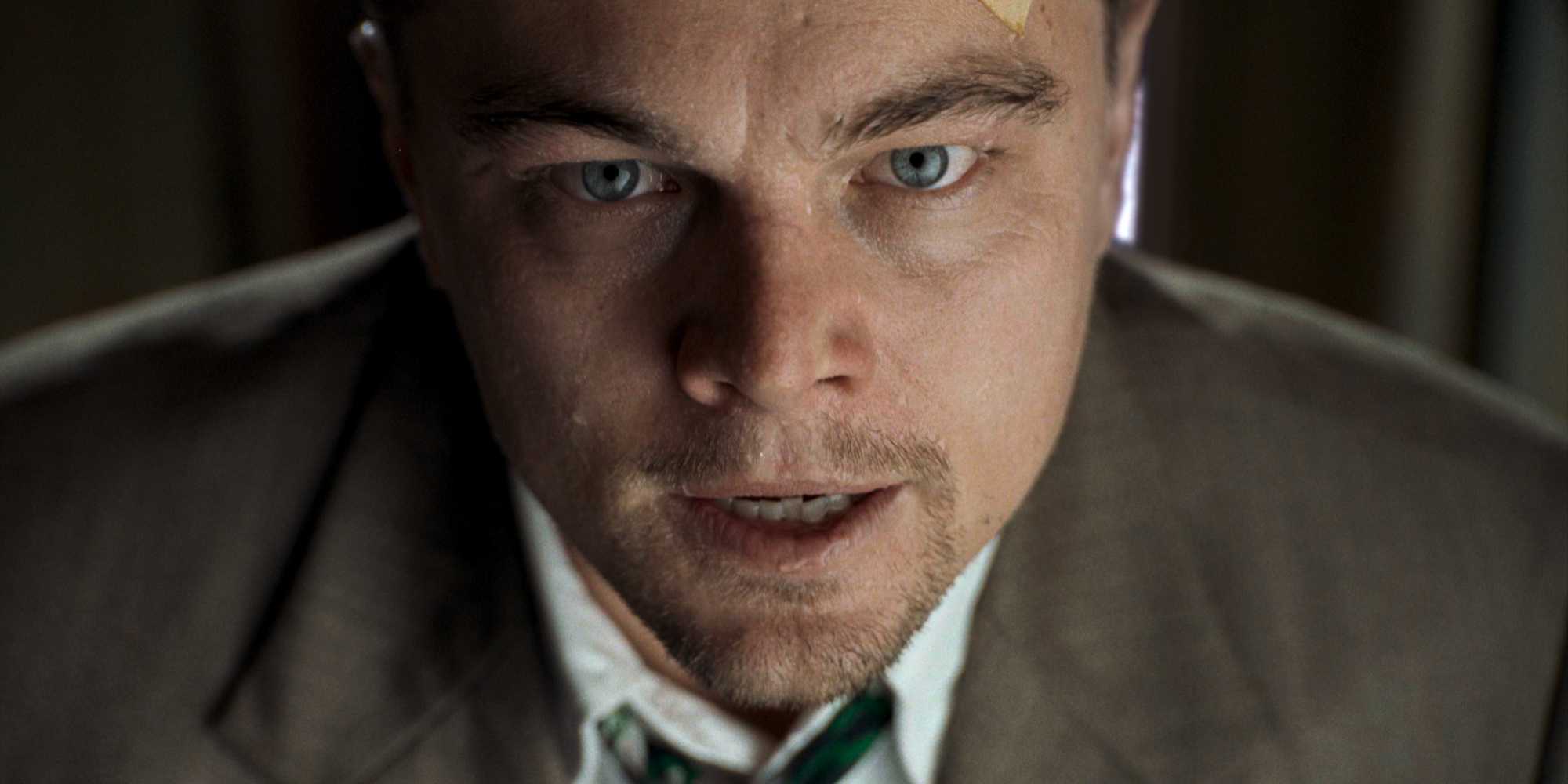
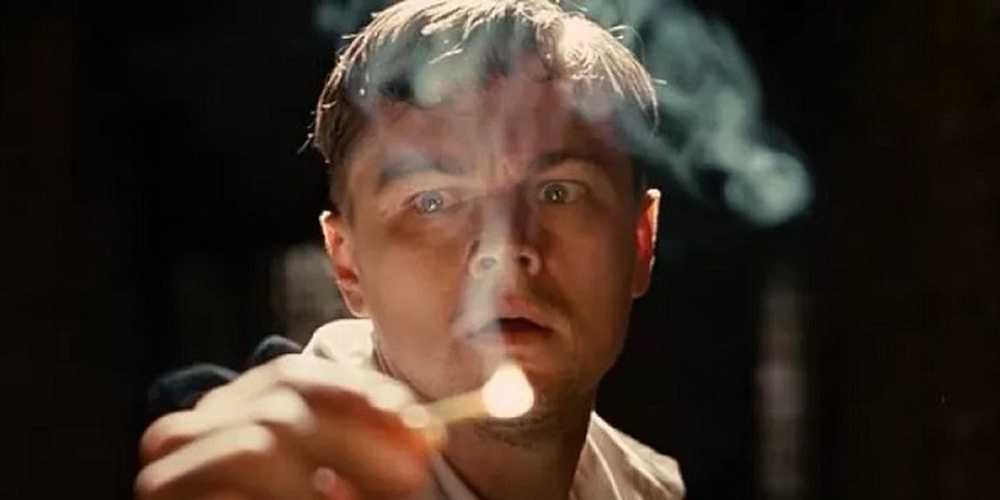
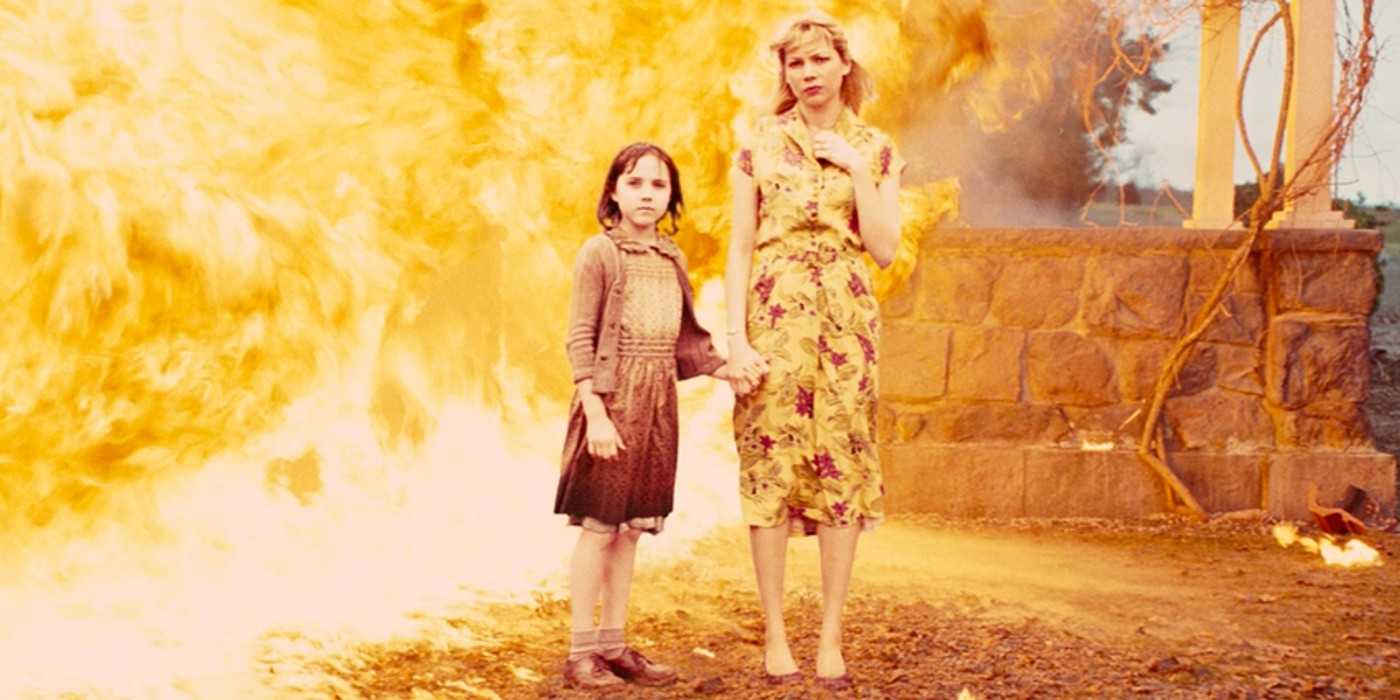
Fire symbolizes Andrew/Teddy’s reality throughout the film. Each time Teddy encounters fire — whether lighting matches in Ward C or during interactions with “Dr. Solando,” or when he blows up Dr. Cawley’s car near the end — he experiences hallucinations. Fire represents Andrew’s fantasy world. Conversely, water symbolizesthe reality of his past trauma. His wife drowns their children in water, which causes significant distress for Andrew throughout the film.
This explains why scenes involving “Dr. Solando” occur within a sea cave — she perpetuates the conspiracy theory narrative as part of their therapeutic “game.” It’s also why Andrew arrives on the island amidst a stormy sea — symbolizing his traumatic past arrival. The lighthouse serves as another symbol reflecting what Andrew experiences while navigating through dangerous waters.
Is Shutter Island A Government Mind Control Operation?
The Conspiracy Allows Andrew To Dive Deeper Into His Fantasy
The notion of a “government mind control operation” represents a red herring invented by Andrew Laeddis for his fantasy narrative. It provides him with an explanation for why he finds himself on Shutter Island (investigating a conspiracy) while allowing him to demonize doctors and staff as threats or conspirators. The objective behind Dr. Cawley and Dr. Sheehan’s role play aims to enable Andrew to recognize how absurd and impossible his conspiracy theory truly is, allowing him to investigate it fully.
The National Board of Review named Shutter Island one of the 10 best films of 2010.
This explains why Dr. Sheehan instigates Andrew’s wild theories while they are trapped during Hurricane (“While you were looking into them, they were looking into you!”) — Sheehan wants him to play out this fantasy until he recognizes its impossibility. Despite being perceived as hiding dark secrets within its walls, once Teddy reaches it there’s nothing inside—revealing that conspiracy theories are unfounded.
Why Andrew Pretends He’s Still Teddy In Shutter Island’s Ending
Andrew’s Final Line Reveals He Has Returned To Reality
The ending of Shutter Island appears ambiguous to many viewers but becomes clearer upon rewatching it. Teddy awakens to realize he is actually Andrew Laeddis but has been warned by Drs.Cawley and Sheehan about regressing into his fantasy world previously. However, aware that they observe him during their next encounter on steps together next morning—Andrew chooses not face guilt or pain anymore.
This leads him instead towards pretending he’s still Teddy Daniels allowing them lobotomize him—freeing himself from burdensome knowledge about trauma.This choice hints at deeper meaning behind final line directed towards Dr.Sheehen “Which would be worse – living as monster or dying good man?” suggesting decision made towards “died good man?” instead.