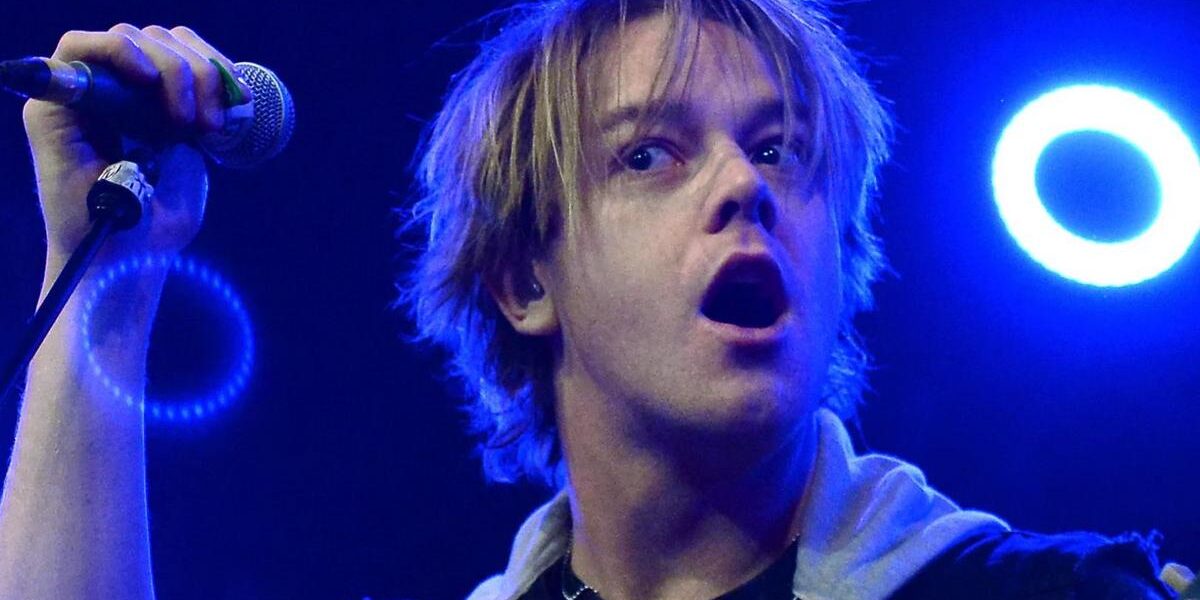
Time has given former Sick Puppies singer Shim Moore an evolving perspective on why the split with his band happened at the height of their fame, and he’s sharing his view of a lesson learned in hopes that others can learn from it.
On his Shim’s Rockstar Academy Instagram, where he’s been serving up singing, songwriting, and performance tips, the former Sick Puppies frontman has also shared an important lesson that others can benefit from when it comes to dealing with creative partnerships.
That lesson comes from his own split with his former band.
Key Insights from Shim Moore on the Sick Puppies Split
In a video about why it didn’t work out with his former band, who acrimoniously parted ways with the singer in 2014, Moore admitted that time has given him the chance to reflect on where it all went wrong. He believes there’s a lesson there for other bands to avoid the pitfalls that led to the divide within his group.
“The reason changes year after year as I gain more perspective and at the point now where we’re over a decade later, the reason basically that the band split up and the reason basically that every band splits up, that every relationship breaks down is because we stopped valuing each other,” shares Moore.
“At the beginning we had a shared goal and we were a certain type of person. We met in high school. Ten, 13 years later, we’re different people,” he reflects. “Our values have changed and we didn’t accept, accommodate, and make space for those new values. We said, ‘Well, we said we were going to do this, so we gotta keep doing that or the band’s gonna break up.’ And then the band broke up.”
He explains, “So half of your job in a relationship is to be authentic and honest about what you’re bringing in and the other half is to listen to the other people and say, ‘Okay, now they need that. I need to find a way to make space for that.’ Sometimes you can make it work. Sometimes it’s like ‘Look, we’re really not supposed to do this together anymore.’”
Moore regretfully shares, “I’m pretty sure that if my band and I had been able to communicate from just a ground level without all of the history and baggage and everything else we were bringing to the table, myself included, the band might have been able to survive, or maybe it had its run. We had three albums; we had a lot of success, but that’s the reason.”
“Every time I look back and go, ‘What happened here? What happened there?,’ I’m like, ‘Oh, they didn’t make space for my new needs,’ and as a result whenever they needed something I was pretty allergic to listening to them,” he adds in an honest assessment.
“So take that for what it’s worth and if you’re in a band, starting a band or are in any sort of collaborative creative relationship, I guarantee you from personal experience you need to keep that in mind,” he advises fellow musicians watching.
“[It] doesn’t mean you have to bend over backwards or compromise who you are; but you do need to express your values, have them honored and then be willing to honor other people’s values. Not their opinions all the time, not their quirks, but their values—the deeper stuff,” he concludes.
What Led to the Sick Puppies Breakup?
In October 2014, it was revealed in a statement that Sick Puppies bassist Emma Anzai and drummer Mark Goodwin were seeking to audition new vocalists after Moore announced he would be pursuing “other endeavors.”
Moore soon followed with a statement expressing surprise at being ousted and stated he had been locked out of all the band’s social media sites and mailing lists leaving him unable to publicly respond. However, the band countered that Moore was fully aware of what was happening and had previously engaged a lawyer to dissolve the group.
Eventually, public bickering subsided. Sick Puppies named Bryan Scott their new frontman while Moore continued his career initially with Screaming At Demons before moving forward as a solo artist.
READ MORE: Emma Anzai Talks Fresh Start With Sick Puppies’ ‘Wave the Bull’ Album
During their time together, the band released three major label albums and a fourth indie record at the start of their career. Those albums yielded Top 10 singles like “All The Same,” “You’re Going Down,” “Odd One,” “Maybe,” “Riptide,” and “There’s No Going Back.” Since Scott joined, the band has released two more studio albums.
Shim Moore’s Previous Comments on the Split
While Moore’s latest video focuses specifically on communication breakdown among band members, in 2020 he discussed the split further revealing that disagreements over management ultimately led to their separation.
“The problem was with me and the manager. I wanted to get a new manager; the band didn’t want to get a new manager. So when it came down to it, it was well if we have to choose; we’re gonna keep the manager and we’re gonna get a new you,” he explained.
He revealed that at that time he had taken legal action against the manager; however, other band members retained him which heightened tensions over that divide.
Below is our gallery of 10 bands that weren’t the same after a member left.
10 Bands That Weren’t the Same After a Band Member Left
Minus one, and it’s something different.
Gallery Credit: Chad Childers, Loudwire